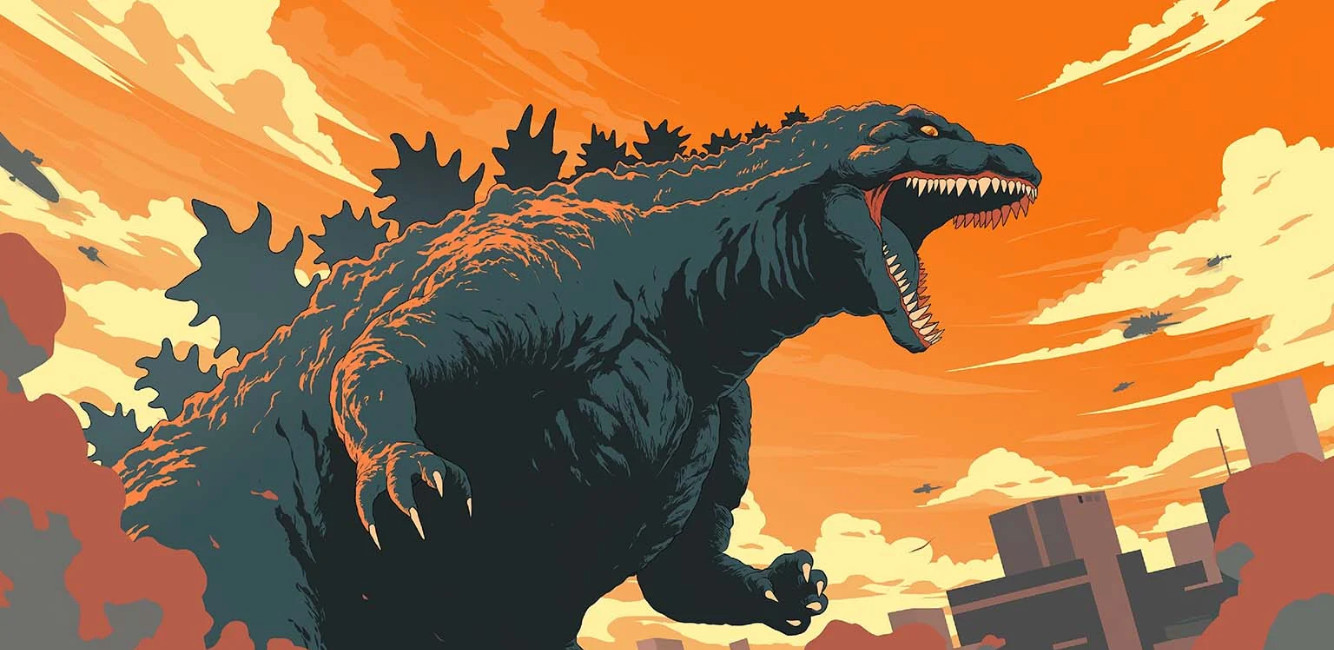
Godzilla 1954 and Gamera Figures in the Enshrined Monsters Line
This article explains which Godzilla figure and which Gamera sculpts sit in Banpresto’s Enshrined Monsters line, and how that line differs from Monsters Roar Attack. That difference matters because the two ranges share a scale and a maker, yet they deliver opposite moods on a shelf. In short, one line shows the monster attacking. The other shows it waiting. Therefore, your choice shapes the whole display.
Enshrined Monsters, or Chinza-ju in Japanese, is a Banpresto prize figure line that poses kaiju as still, seated presences in the manner of shrine guardians, at roughly 12 cm tall. In contrast, Monsters Roar Attack freezes the same creatures mid-roar. Additionally, the Enshrined range covers both Godzilla (1954) and two film versions of Gamera.
Why does an Enshrined Monsters Godzilla figure look like a shrine statue?
The Japanese name gives the concept away. “Chinza” describes a deity settled in its sacred place, and “ju” means beast. As a result, Banpresto sculpts each monster composed and grounded, with no beam and no lunge. For collectors, that restraint is the selling point.
A prize line with a quiet idea
First, remember what a prize figure is. Bandai Spirits produces these pieces for Japanese crane machines, not for standard retail. Because of this, each one comes fixed in a single pose and non-articulated. Moreover, most Enshrined pieces arrive in two variants, labelled Ver. A and Ver. B.
The line has grown quickly. For example, it already includes SpaceGodzilla, the 1965 Godzilla from Invasion of Astro-Monster, and Gyaos. Meanwhile, a larger Enshrined Monsters EX tier has covered the 1995 Godzilla. In fact, the concept now stretches across two rival studios, which is the real story here.
Ver. A or Ver. B: which variant should you choose?
Collectors ask this question first. In most Banpresto prize lines, the two versions share one sculpt and differ in paint finish. Therefore, treat the choice as a matter of taste, not rarity. For example, a film-accurate finish suits a chronological shelf. In contrast, an alternate finish works as a statement piece. However, always confirm the version from the box label before paying. Sellers often mix up the two in listings. As a result, a photo of the actual box beats any written description.
Godzilla 1954, the monster that started everything
Toho released the original Godzilla in Japan on 3 November 1954. Ishiro Honda directed, and Eiji Tsuburaya handled the special effects. Meanwhile, suit actor Haruo Nakajima carried a costume that weighed around 100 kg. Consequently, the first Godzilla moves slowly and heavily on screen, which suits a static sculpt perfectly.
What the sculpt gets right
The Enshrined Monsters Godzilla (1954) stands about 12 cm tall, or 4.7 inches. Retail listings date the piece to September 2024, in Ver. A and Ver. B variants. Most importantly, the calm pose flatters the 1954 design. That suit has a heavy brow, small ears and a thick neck. Therefore, a still stance lets you read those details instead of losing them behind an open jaw.
Here is the fact that surprises most newcomers. The 1954 suit was charcoal grey, never green. Still, decades of posters and toys painted the character green anyway. Because of this, a muted, dark finish is the faithful choice for any first-film piece.
Who should want it
This piece suits the collector who values the 1954 film as cinema, not as spectacle. Similarly, it works for anyone building a chronological Godzilla shelf, because every timeline needs a first entry. However, action-first collectors will find it too quiet. For them, Monsters Roar Attack is the better lane.
Gamera 1995 and 1999, two faces of the same guardian
Gamera is not a Toho monster. Daiei created the giant turtle in 1965, and Kadokawa holds the character today. Even so, Toho distributed the 1990s trilogy in Japanese cinemas. As a result, Gamera sits naturally beside Godzilla in this range, although the Gamera boxes skip the Toho Monster Series banner.
Gamera (1995), the heroic design
Shusuke Kaneko directed Gamera: Guardian of the Universe, which opened in March 1995. Additionally, Shinji Higuchi supervised its special effects. The 1995 suit has large eyes, a rounded head and a smooth shell. In short, it reads as a protector. The Enshrined Monsters Gamera (1995) stands about 12 cm tall and reached Japanese arcades on 27 August 2025, again in Ver. A and Ver. B.

Chinza-ju Gamera (1999), the darker design
Gamera 3: Revenge of Iris followed in March 1999. For that film, the designers made the turtle far more aggressive. The head shrank, the eyes narrowed, and the shell edges turned jagged. Consequently, the Chinza-ju Gamera (1999) carries real menace even while sitting still. That said, retailer listings disagree on its exact height, so we will not quote one.
Which version wins? We side with 1999. The shrine concept depends on contained power, and the Revenge of Iris design holds more of it. However, the 1995 sculpt pairs better with Godzilla (1954), because both designs share a softer, rounder silhouette.

Gamera (1995) Monsters Roar Attack
Banpresto also gave the 1995 Gamera a Monsters Roar Attack sculpt, listed from 13 November 2025. In contrast to the Enshrined piece, this one shows the turtle mid-roar. Therefore, the same film design now exists in both attitudes. For a focused collector, that pairing is the most interesting comparison in the whole range.
| Piece | Source film | Line | Verified height |
|---|---|---|---|
| Godzilla (1954) | Godzilla, 1954 | Enshrined Monsters | About 12 cm |
| Gamera (1995) | Gamera: Guardian of the Universe | Enshrined Monsters | About 12 cm |
| Gamera (1999) | Gamera 3: Revenge of Iris | Enshrined Monsters | Listings conflict |
| Gamera (1995) | Gamera: Guardian of the Universe | Monsters Roar Attack | Not confirmed |
Enshrined Monsters versus Monsters Roar Attack: which Godzilla figure line fits your shelf?
Both lines come from the same prize programme, and both stay near palm size. However, they answer different questions. Enshrined Monsters asks what the creature is. Monsters Roar Attack asks what the creature does. As a result, the two ranges complement each other instead of competing.
| Criteria | Enshrined Monsters | Monsters Roar Attack |
|---|---|---|
| Japanese name | Chinza-ju | Kaiju Hoko-geki |
| Pose | Still, grounded, composed | Mid-roar, leaning into the attack |
| Typical height | About 12 cm | About 12 to 14 cm |
| Best for | Sculpt study, calm rows, pairs | Dynamic single centrepieces |
| Articulation | None | None |
The Roar Attack piece you can buy today
Our pick is the Godzilla 2004 Monsters Roar Attack Figure from Godzilla Final Wars, priced at €30. It stands roughly 12 cm tall in non-articulated plastic. Additionally, the source matters. Toho released Godzilla: Final Wars in December 2004 for the franchise’s 50th anniversary. For that film, the studio built a leaner, more athletic suit. Consequently, the roaring pose feels earned.
Rare Inventory Recommends
Editor’s pick: start with the Godzilla 2004 Monsters Roar Attack Figure at €30. It is the sharpest way to judge the Roar Attack sculpting style in hand. Moreover, at about 12 cm, it lines up cleanly beside any Enshrined piece you add later.
Two Shin Ultraman figures that share the bloodline
Here is a link few collectors notice. Shinji Higuchi, who supervised the effects on the 1990s Gamera trilogy, later directed Shin Ultraman in 2022. Similarly, Eiji Tsuburaya of the 1954 Godzilla founded the studio behind Ultraman. Therefore, these two pieces belong on a kaiju shelf by right:
- Ultraman Mega Light Heroes Figure, Shin Ultraman, €35.
- Zoffy Mega Light Heroes Figure, Shin Ultraman, €33.


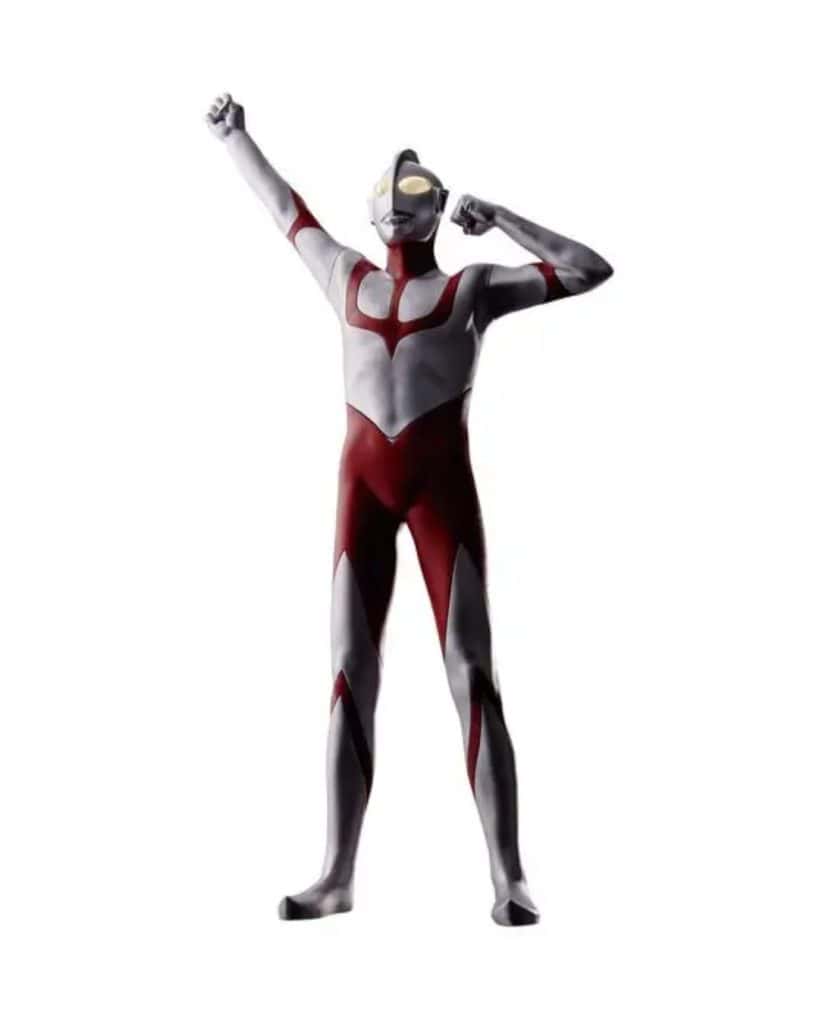
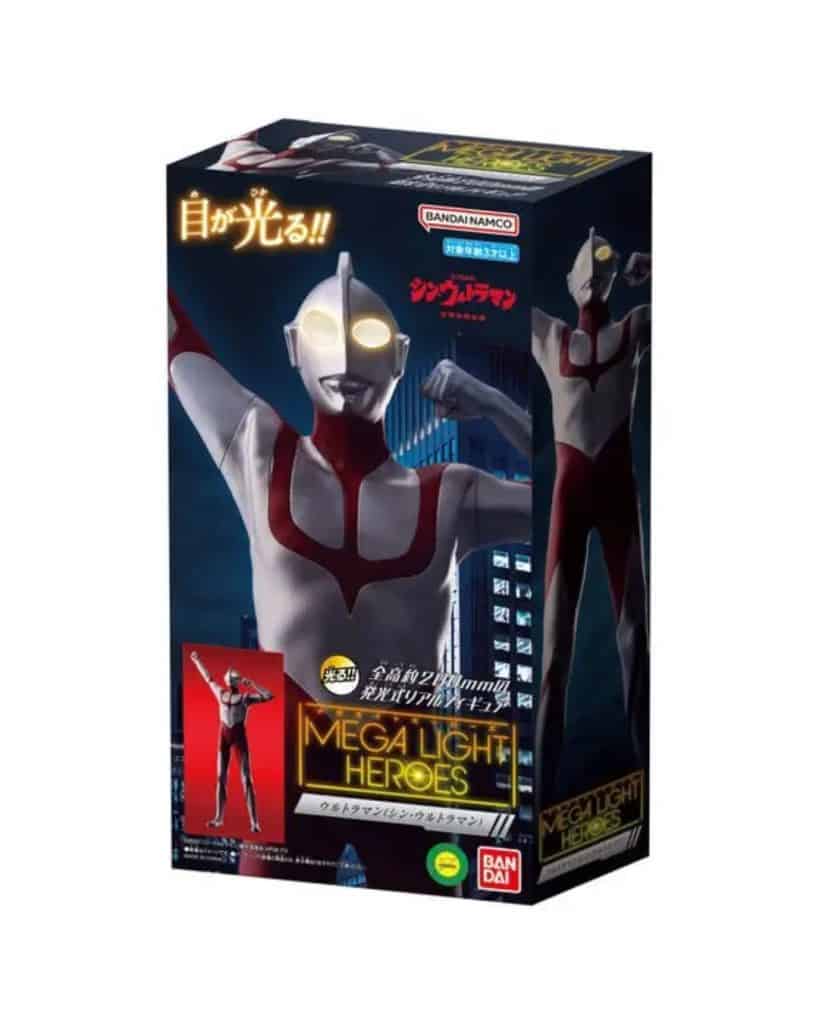
Ultraman Mega Light Heroes Figure Shin Ultraman | Banpresto
Straight from the hit movie Shin Ultraman, the legendary hero himself arrives in spectacular form as part of the Mega Light Heroes figure series by Banpresto. This highly detailed realistic PVC figure stands at an impressive 200 mm tall, featuring precision sculpting and rich, heavy coloring that captures Ultraman’s iconic silver and red design in stunning fashion.
What to check before you pay
Prize figures reward careful buyers. First, check the box. Arcade operators load these pieces into crane machines, so light shelf wear is normal. However, crushed corners cut resale value. Second, look for the official licence sticker on the packaging. Counterfeits exist in this category, and they usually show soft detail and sloppy paint. Next, compare the price against the sculpt. At €30 to €35, a licensed 12 cm kaiju piece represents strong value. Finally, keep the box, even folded flat. Consequently, you preserve the option to sell a complete piece later.
Displaying kaiju figures at 12 cm
Small figures punish lazy display. However, a few decisions fix most problems. First, raise them. A 12 cm sculpt disappears below eye level, so use the upper shelves or a riser.
Borrow the shrine logic
Japanese shrines post guardian statues in pairs. Traditionally, one keeps its mouth open and the other keeps it closed. Because of this, the smartest display pairs a roaring figure with a still one. For instance, set a Monsters Roar Attack Godzilla beside an Enshrined sculpt, and the contrast does the work for you.
Light, spacing and backdrop
Next, light from above. Top lighting carves shadows into dorsal plates and shell ridges. In contrast, front lighting flattens dark paint. Additionally, leave a hand’s width between figures, because crowded kaiju read as clutter. Finally, choose a plain, dark backdrop. A pale wall swallows charcoal sculpts.
Collectors who want articulation should look elsewhere. For example, Bandai’s S.H.MonsterArts range serves that need at a much higher price. Still, for sculpt per euro, the prize lines win easily.
Where to Buy
Rare Inventory is based in France and ships across Europe. You can order the Godzilla 2004 Monsters Roar Attack Figure and both Shin Ultraman pieces today. For everything else, browse rareinventory.com and choose the Godzilla figure that matches your shelf.
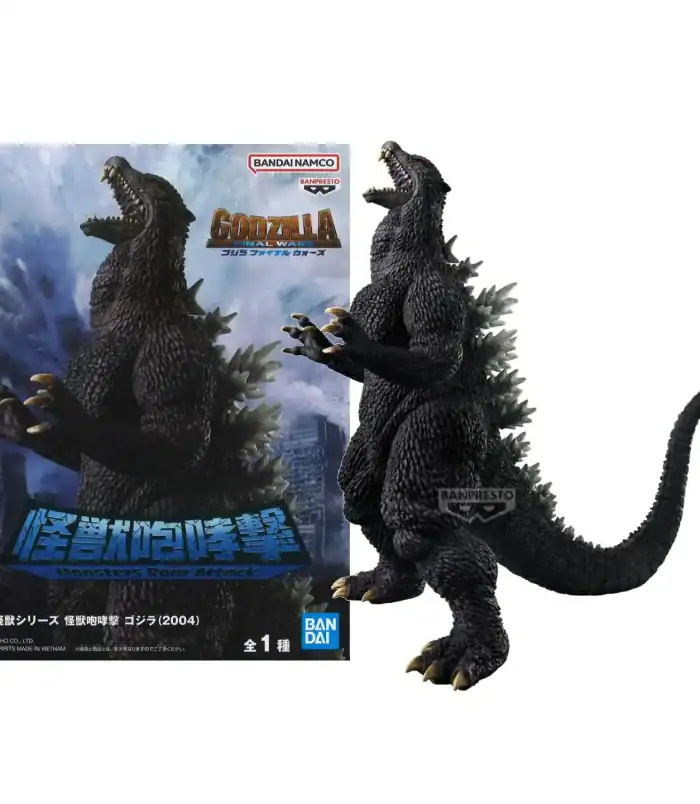
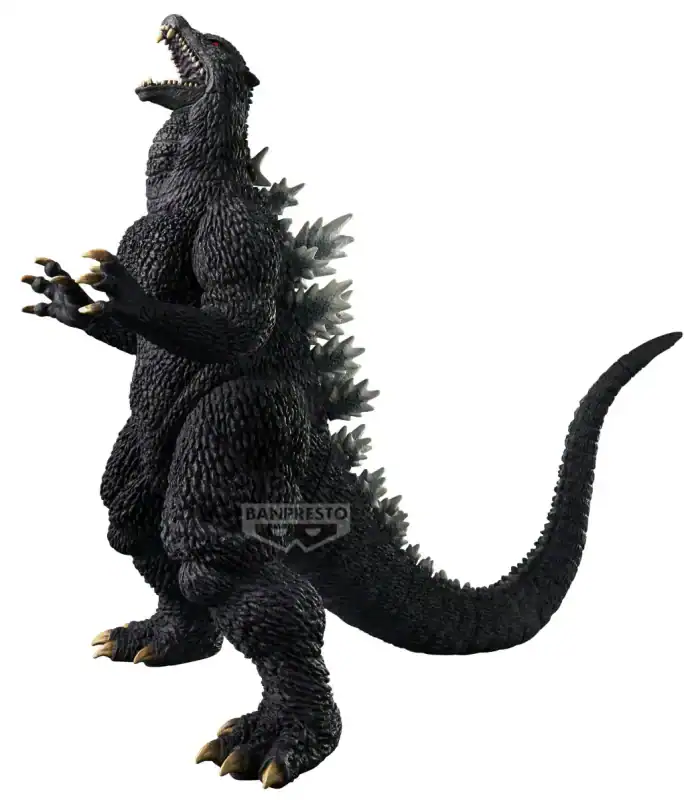
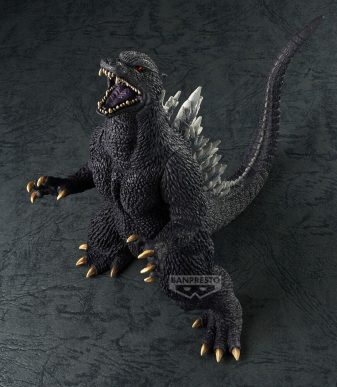
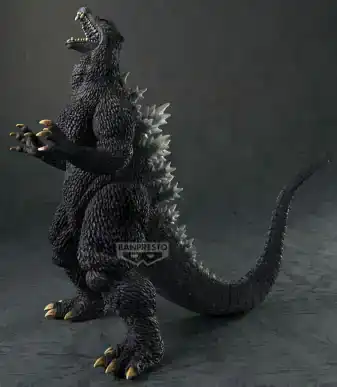
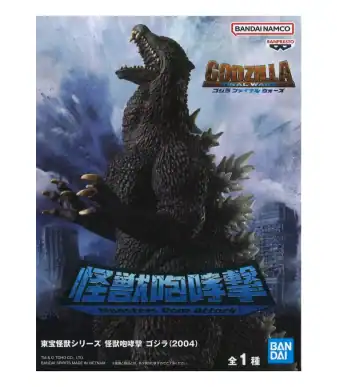
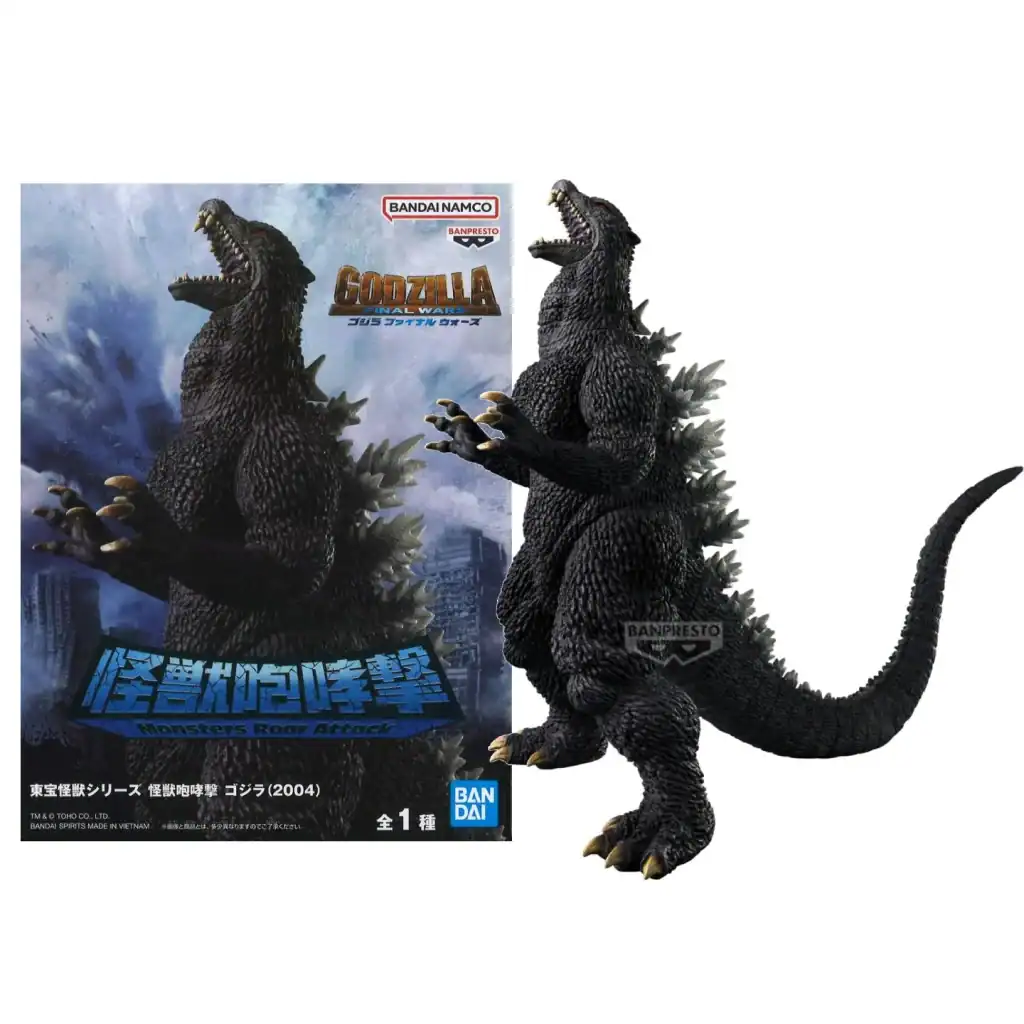


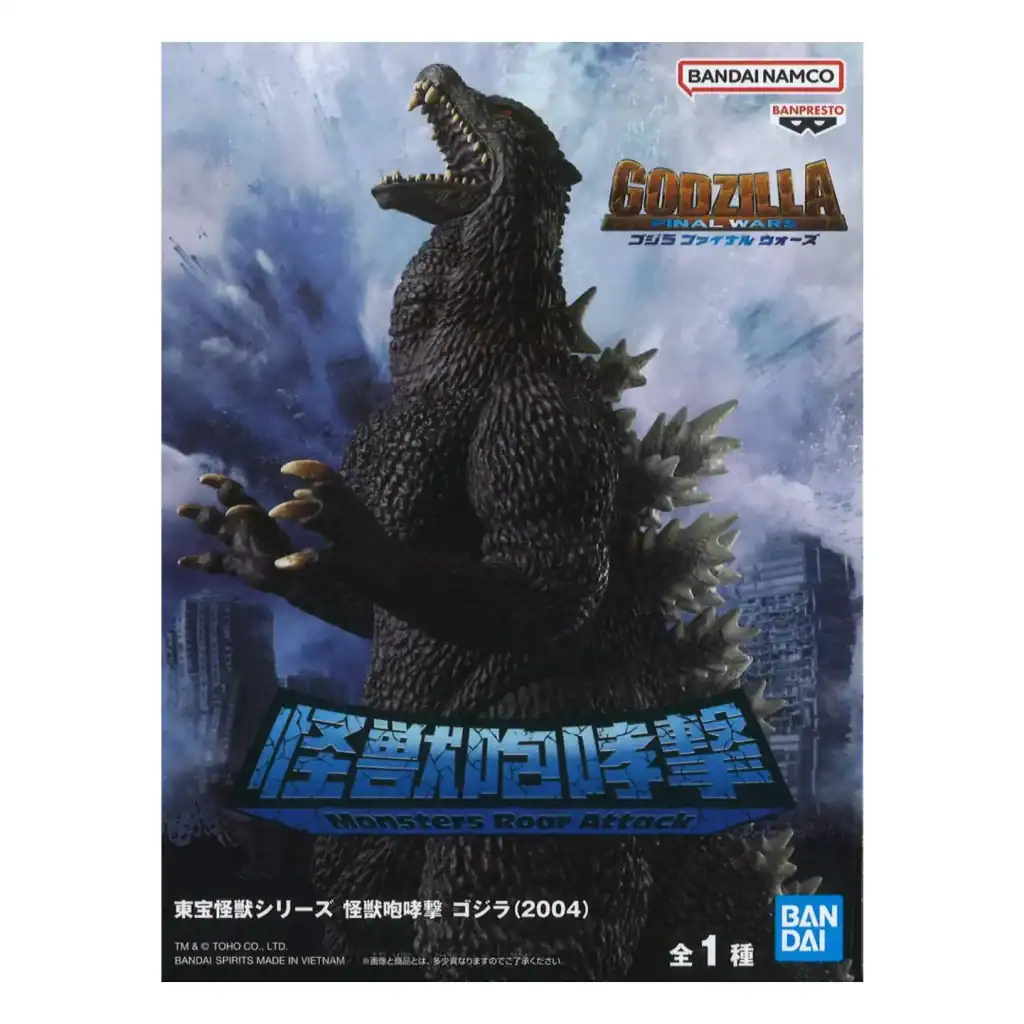
Godzilla 2004 Monsters Roar Attack Figure Godzilla Final Wars | Banpresto
The King of the Monsters is back and angrier than ever. This Monsters Roar Attack figure by Banpresto captures Godzilla in his iconic 2004 Final Wars design, jaws wide open mid-roar, claws raised, and every scale and spike meticulously sculpted to honor the most powerful version of the legendary kaiju.
Frequently asked questions
What does Chinza-ju mean?
Chinza-ju translates roughly as “enshrined beast”. The term borrows a word for a deity settled in its sacred place. Therefore, every sculpt in the line shows the monster still and grounded.
How tall is the Enshrined Monsters Godzilla (1954)?
The figure stands about 12 cm, or 4.7 inches. Similarly, the Enshrined Monsters Gamera (1995) measures about 12 cm. Both come fixed in one pose.
What separates the Gamera 1995 and Gamera 1999 designs?
The 1995 design from Guardian of the Universe looks heroic, with large eyes and a smooth shell. In contrast, the 1999 design from Revenge of Iris has a smaller head, narrow eyes and a jagged shell.
Is Gamera part of the Toho Monster Series?
No. Daiei created Gamera, and Kadokawa holds the character today. However, Toho distributed the 1990s trilogy in Japan, and Banpresto places Gamera in the same Enshrined Monsters concept.
The Shop
Available Now at Rare Inventory
Pieces related to this article, in stock and ready to ship.


100% Authentic Shipped from France Free Shipping Over €200