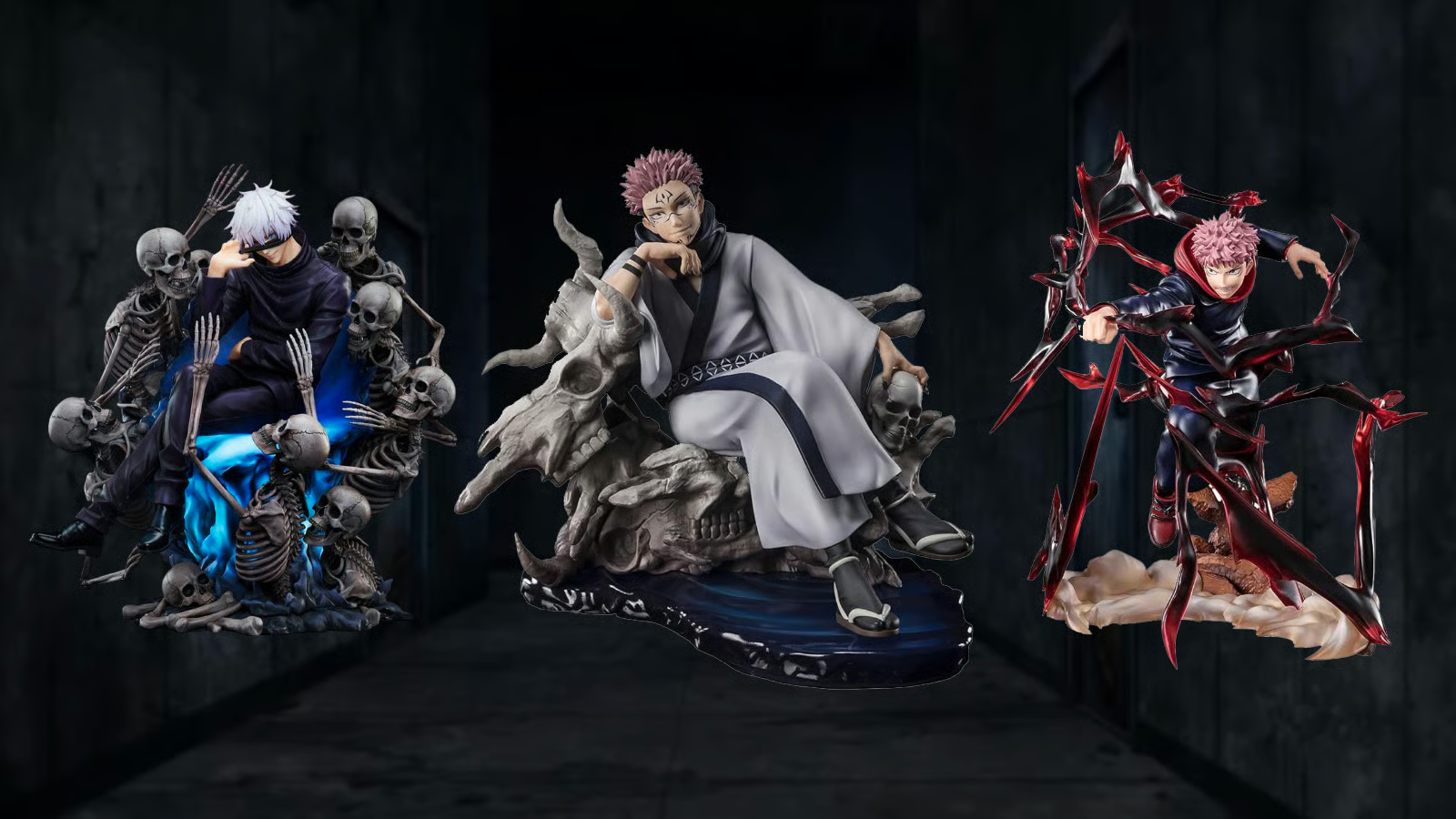
Jujutsu Kaisen Figures: The Ultimate Collector’s Guide
Jujutsu Kaisen arrived like a cursed technique nobody saw coming. Since the anime adaptation launched in October 2020, the figure market has exploded with releases from Banpresto, SEGA, MegaHouse, Good Smile Company, and more. However, not every release deserves shelf space. This guide cuts through the noise and tells you exactly what to buy, what to avoid, and how to think about JJK figures as a serious collector.
The franchise now ranks among the top three anime properties for figure sales globally. Additionally, the Japanese secondary market, particularly through platforms like Mercari JP and Yahoo Auctions Japan, shows sustained demand that rivals Demon Slayer and surpasses most other Shonen Jump properties. That matters for resale dynamics and long-term value.
Understanding the JJK Figure Ecosystem
Prize Figures vs. Scale Figures: Know the Hierarchy
First, understand the tier system. Prize figures, distributed through Japanese arcade crane game machines, sit at the entry level. Banpresto and SEGA dominate this space with lines like Grandista, Maximatic, and Luminasta. These figures retail between $25 and $60 but represent the highest volume in the market. Scale figures from Good Smile Company, Kotobukiya, and MegaHouse occupy the premium tier, retailing from $80 to over $500 for limited releases.
For new collectors, prize figures offer the smartest entry point. However, seasoned collectors know that certain prize figure runs appreciate significantly, especially limited regional releases and exclusive colorways. The Grandista line, in particular, commands consistent respect for its sculpt quality relative to price.
Pull Rates and Regional Exclusivity
The crane game distribution model creates artificial scarcity in a way most Western collectors underestimate. In Japan, operators receive figures in fixed ratios. Popular characters like Gojo Satoru ship in higher quantities, but limited-run seasonal variants can appear in as few as one unit per machine load. As a result, regional exclusives sourced through Japanese proxy services often carry 2x to 4x markup on Western resale platforms immediately after release.
Beyond that, certain convenience store and animate-exclusive releases never enter the secondary market in volume. If you miss the initial window, expect to pay a premium. This mirrors the dynamics collectors know from Pokémon TCG regional exclusives or the Japanese Wonder Festival limited run system.
The Essential Characters: Who Actually Moves the Market
Gojo Satoru: The Blue-Eyes White Dragon of JJK
No character in the JJK figure market dominates like Gojo Satoru. Every manufacturer has released multiple Gojo figures, and demand consistently outpaces supply for high-quality interpretations. The Gojo Satoru Grandista Figure by Banpresto exemplifies why this line earns its reputation. Grandista figures prioritize dynamic silhouette and fine cloth texture detailing that most prize lines skip entirely.
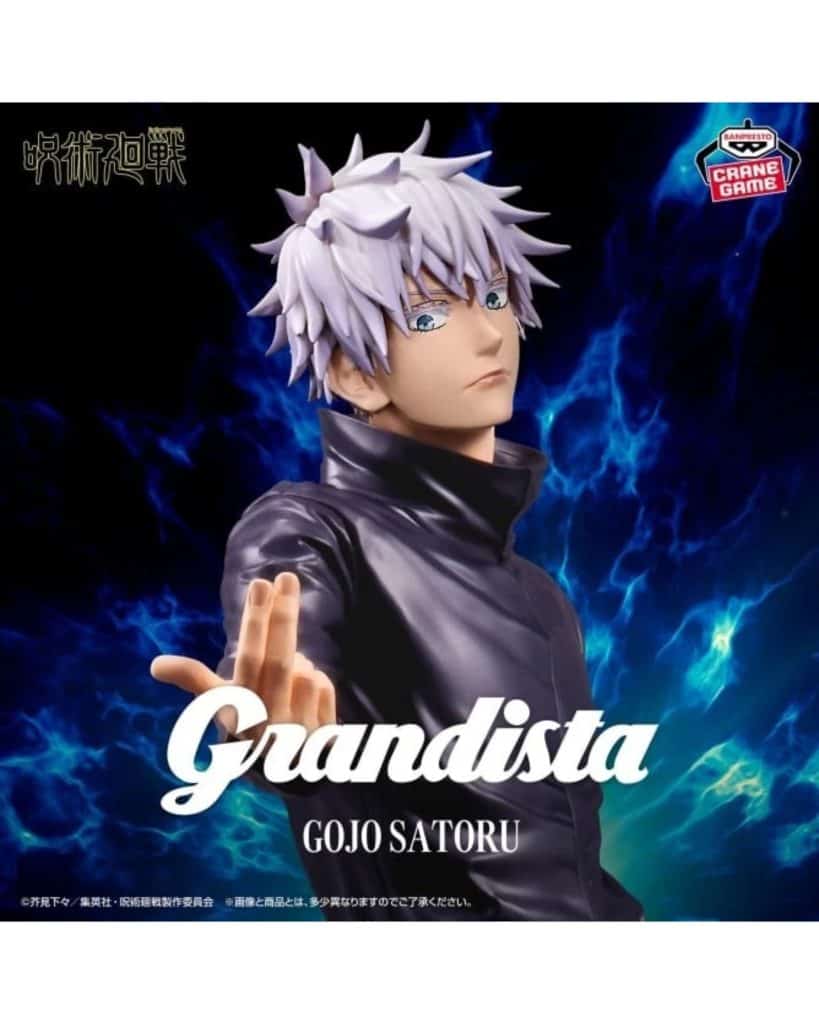
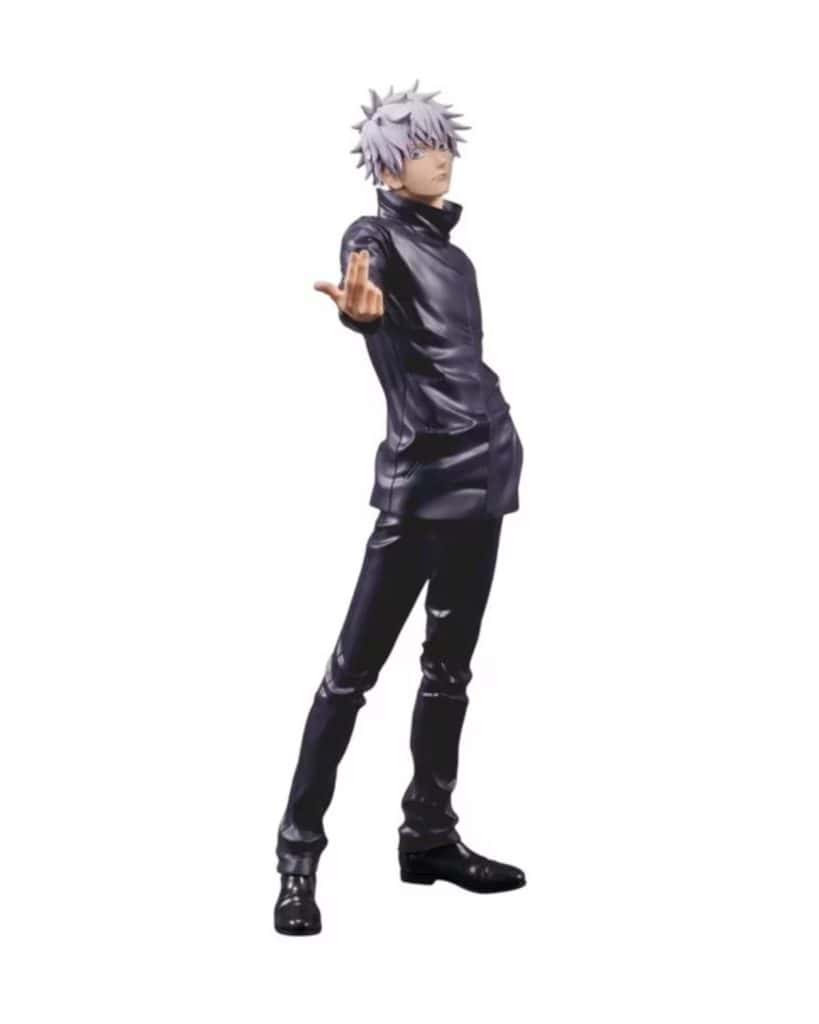
From a grading perspective, Gojo figures present specific authentication challenges. Counterfeit Gojo Grandista units have circulated since mid-2022. On genuine pieces, check the base stamp for the Banpresto crown logo, verify the QR code on inner packaging links to official product pages, and inspect the blindfold fabric finish. Counterfeits typically show visible seam lines on the blindfold and use glossy paint where the authentic version uses matte.
Sukuna: The Villain Premium
Ryomen Sukuna figures carry a different collector logic. Villain figures traditionally underperform in initial sales but appreciate more aggressively over time. The Sukuna Special Ver. Maximatic Figure by Banpresto captures the King of Curses in his full four-armed form. This specific version matters because later Sukuna figures released post-Shibuya arc depict the vessel body. First-form Sukuna representations are increasingly scarce as manufacturers chase current arc aesthetics.
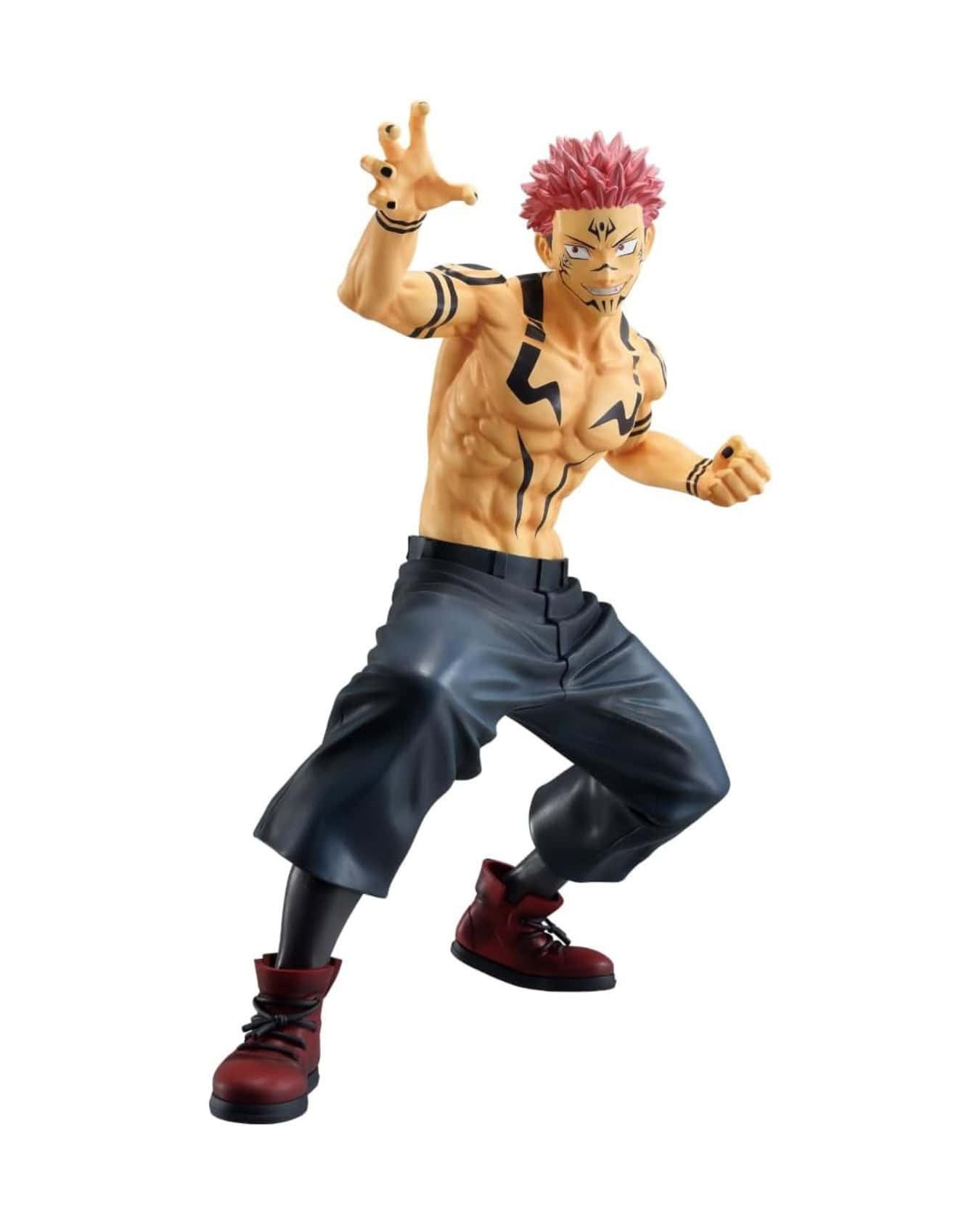
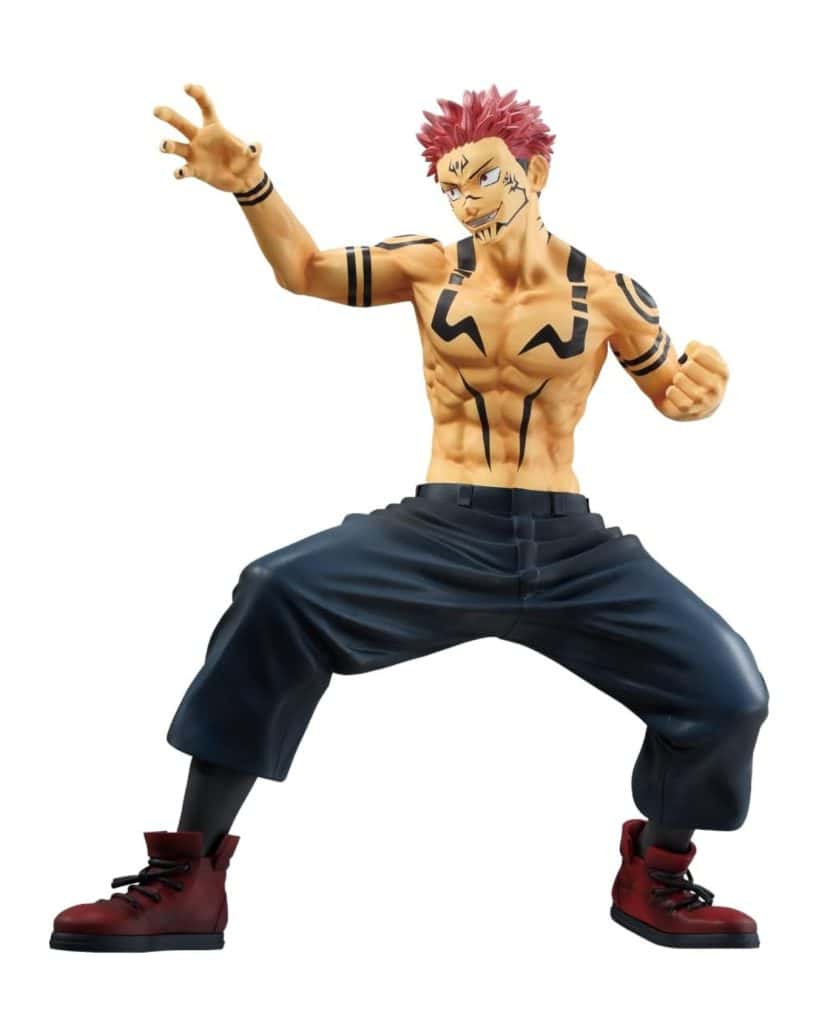
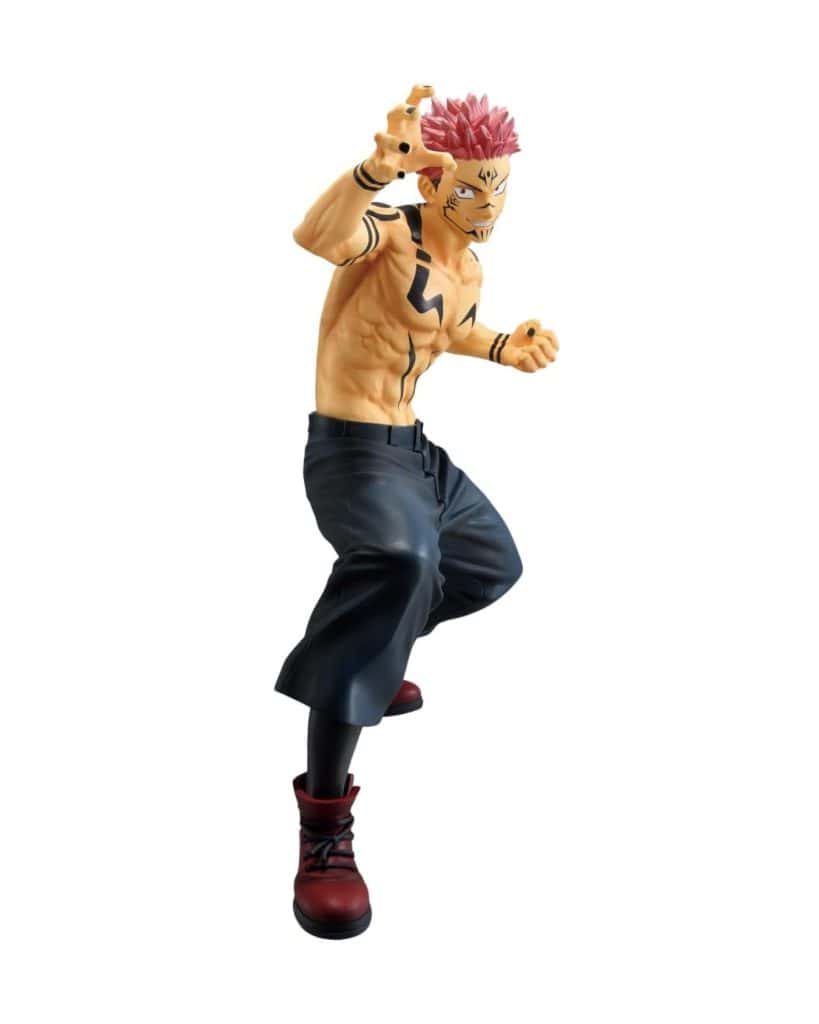
The Maximatic line uses a larger base and more aggressive pose engineering than standard prize figures. Additionally, the Special Ver. colorway uses deeper crimson tones and enhanced tattoo detailing that standard Maximatic releases omit. For a $45 entry point, this sits at the most compelling value-to-quality ratio in the current JJK prize figure market.
Yuji Itadori: The Main Character Discount
Protagonist figures paradoxically underperform in the collector market. Yuji suffers from oversaturation. However, the Yuji Itadori Luminasta Figure by SEGA represents the exception. SEGA’s Luminasta line distinguishes itself through paintwork consistency, particularly in facial expression accuracy. Most prize line Yuji figures get the eyes wrong. Luminasta gets them right.
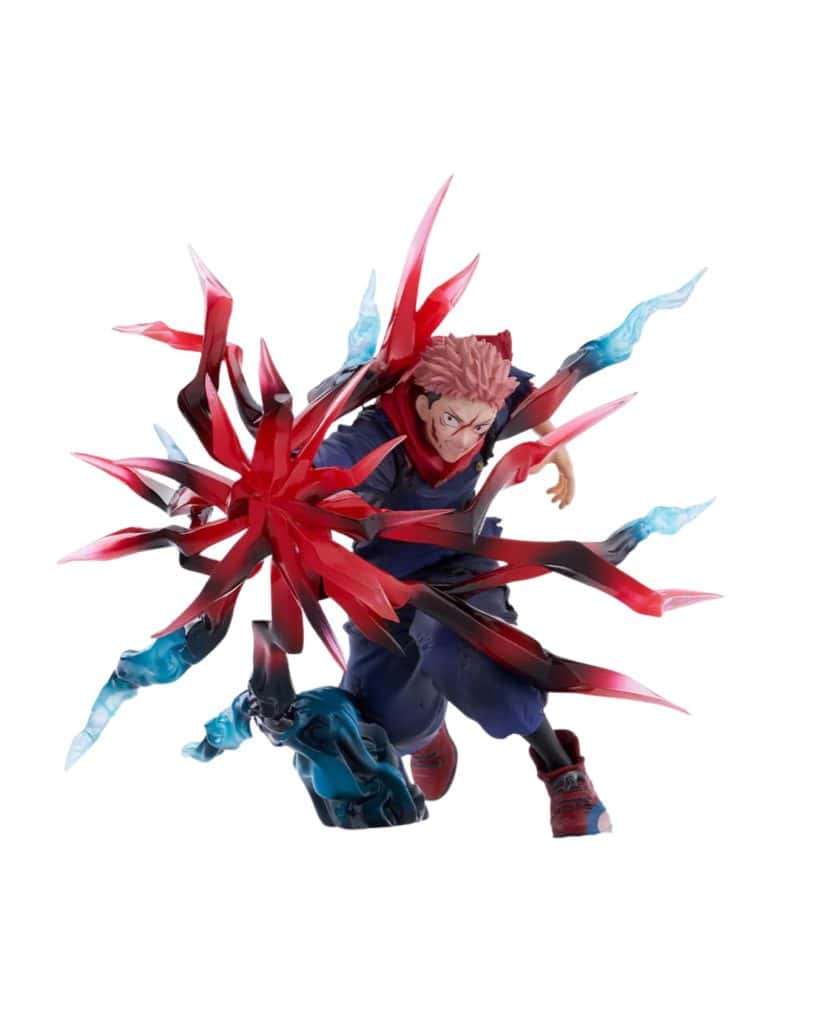
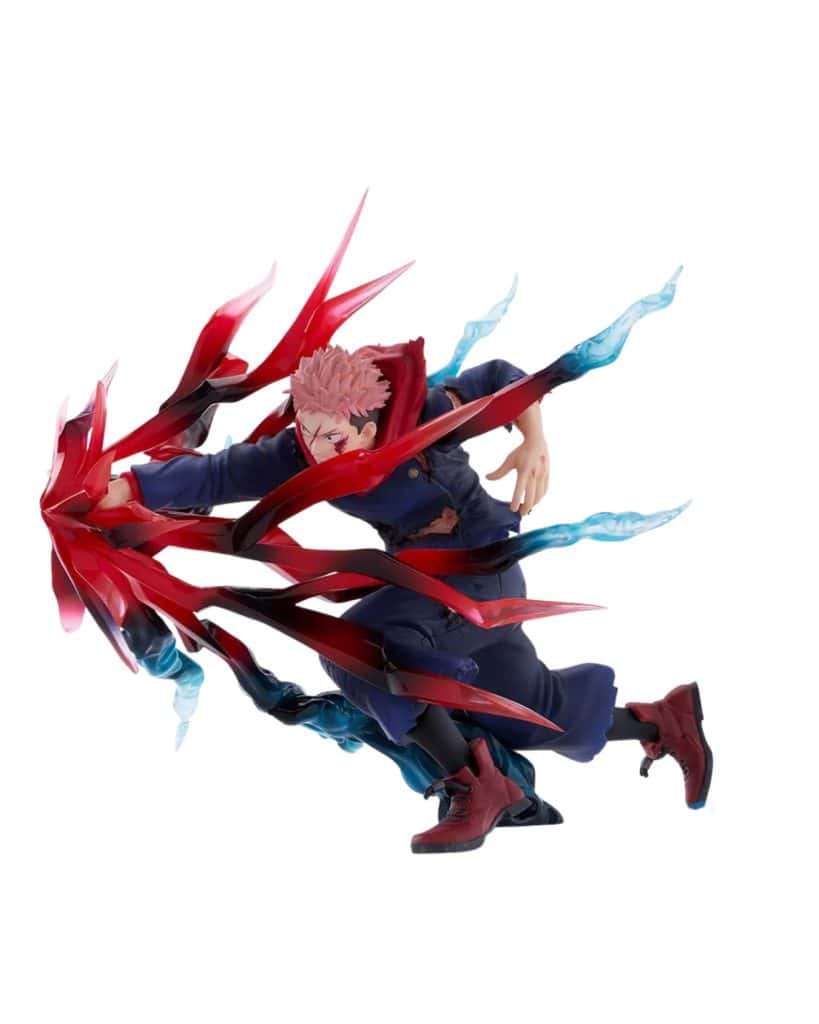
From a resale standpoint, Yuji figures rarely appreciate dramatically. In contrast, they hold value reasonably well because of consistent franchise-level demand from casual fans. Buy this for display quality, not speculation.
Yuta Okkotsu: The Smart Long Position
Yuta represents the most interesting collector thesis in the entire JJK figure space. As the protagonist of Jujutsu Kaisen 0 and an increasingly central character in the manga’s final arc, his figure market remains underdeveloped relative to his narrative importance. The Yuta Okkotsu Maximatic Figure by Banpresto is the sharpest buy at $40 in the current lineup.
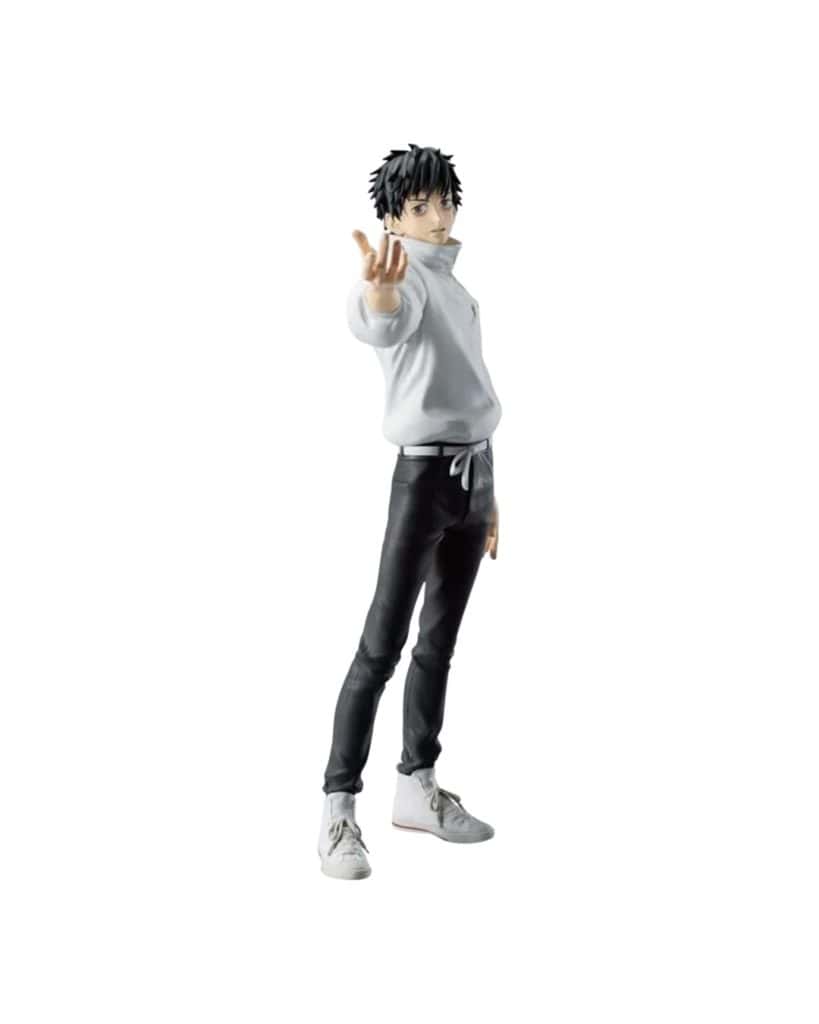

Supply dynamics favor buyers here. Yuta’s initial figure releases tied to the Jujutsu Kaisen 0 film in December 2021 sold through quickly in Japan. Secondary market prices on those early releases have since softened slightly as newer releases arrived, but the gap between Yuta and Gojo figure availability remains substantial. More importantly, if the final arc adaptation drives another viewing surge, early Yuta figures will be the first to spike.
Grading, Authentication, and Storage
Should You PSA Grade Anime Figures?
PSA does not grade figures. AFA, the Action Figure Authority, handles figure grading. AFA grades on a 100-point scale assessing box condition, figure condition, and completeness. For JJK prize figures, AFA grading rarely makes financial sense below the $200 secondary market value threshold. The grading fee plus shipping typically runs $50 to $80, which erodes margin on lower-tier releases.
That said, scale figures from Good Smile Company’s 1/8 Gojo or upcoming Nendoroid exclusives absolutely warrant AFA grading if you acquire sealed units at retail and the figure commands $300 or more on the secondary market. AFA 85+ grades on popular scale figures have demonstrated 30% to 60% premiums over raw sealed equivalents at auction.
Storage and Display: Protecting Your Investment
UV degradation is the silent destroyer of anime figure collections. JJK figures use particularly vibrant blues and purples across multiple characters, and these pigments fade faster than earth tones. Use UV-filtering display cases without exception. Additionally, humidity control matters in coastal and tropical climates. The recommended range is 45% to 55% relative humidity. Above 60%, paint separation and base warping become real risks within 18 months.
For prize figures kept in original packaging, double-boxing for storage is standard practice among serious collectors. The inner window box takes compression damage in stacking scenarios, which directly affects AFA box grades.
JJK Figure Comparison: Prize Line Breakdown
| Figure | Line | Manufacturer | Retail Price | Sculpt Quality | Collector Priority |
|---|---|---|---|---|---|
| Gojo Satoru Grandista | Grandista | Banpresto | $50 | Excellent | High |
| Sukuna Special Ver. Maximatic | Maximatic Special | Banpresto | $45 | Very Good | High |
| Yuta Okkotsu Maximatic | Maximatic | Banpresto | $40 | Good | Speculative Buy |
| Yuji Itadori Luminasta | Luminasta | SEGA | $50 | Very Good | Display Buy |
Japanese Market vs. Western Market: Where to Source
The Proxy Advantage
Serious JJK collectors source directly from Japan. Platforms like Mercari JP, Yahoo Auctions Japan, and Surugaya carry inventory that never appears on Western retail sites. Proxy services such as Buyee and Zenmarket add roughly 10% to 15% in fees, but the access to limited colorways and regional exclusives justifies the cost for high-priority pieces.
First, understand the grading language on Japanese listings. “S rank” means essentially mint. “A rank” means minor storage wear, typically acceptable. “B rank” means visible wear. Japanese sellers grade conservatively compared to Western eBay norms, so an “A rank” Japanese listing frequently corresponds to a “near mint” Western listing.
Western Retail and Trusted Sources
For collectors who prefer curated Western sourcing with authentication confidence, Rare Inventory carries authenticated JJK figures with transparent condition documentation. In a market flooded with counterfeit Gojo figures, buying from a verified source eliminates the authentication risk that plagues open marketplace purchases.
| Platform | Region | Counterfeit Risk | Price Level | Best For |
|---|---|---|---|---|
| Mercari JP via Proxy | Japan | Low | Mid | Secondary market deals |
| Yahoo Auctions Japan | Japan | Low | Variable | Rare and limited pieces |
| eBay | Global | High | Inflated | Avoid for high-value pieces |
| Rare Inventory | Western | None | Fair Retail | Authenticated retail buys |
Rare Inventory Recommends
If you build one JJK figure position right now, make it the Sukuna Special Ver. Maximatic and the Yuta Okkotsu Maximatic together. Sukuna’s first-form sculpts are becoming scarce as the market chases current arc releases. Yuta remains underpriced relative to his narrative trajectory. Both sit under $90 combined. That is the sharpest value entry in the current JJK prize figure market.
How do I spot a counterfeit Jujutsu Kaisen Banpresto figure?
Check the base for the official Banpresto crown stamp and verify that inner packaging carries a scannable QR code linking to an official product page. Counterfeit units typically show glossy paint on surfaces that authentic figures render in matte, and seam lines on accessories are visibly rougher. Additionally, counterfeit boxes often use slightly off-color printing, particularly in the deep blues associated with JJK branding.
Which JJK figure line offers the best sculpt quality for the price?
Banpresto’s Grandista line leads the prize figure tier for sculpt ambition and detail. SEGA’s Luminasta line wins on paint consistency, particularly facial accuracy. For collectors prioritizing display over speculation, Luminasta is the safer choice. For collectors prioritizing silhouette and dynamic posing, Grandista delivers more visual impact per dollar.
Do Jujutsu Kaisen figures appreciate in value?
Gojo Satoru figures with limited colorways and regional exclusives have shown 50% to 150% appreciation on the secondary market within 12 months of release. Standard production prize figures typically hold value but rarely spike unless the franchise releases a major new season or film. Villain figures, particularly Sukuna, show stronger long-term appreciation patterns than protagonist figures across comparable Shonen franchises.
Is it worth AFA grading a JJK prize figure?
Generally, no. AFA grading makes financial sense when the secondary market value of the sealed figure exceeds $200 and you have strong reason to believe demand will grow. For most JJK prize figures, the grading cost erodes margin on resale. However, if you hold a sealed Good Smile Company scale figure or a Wonder Festival exclusive, AFA grading at the 85+ level has historically produced meaningful auction premiums.