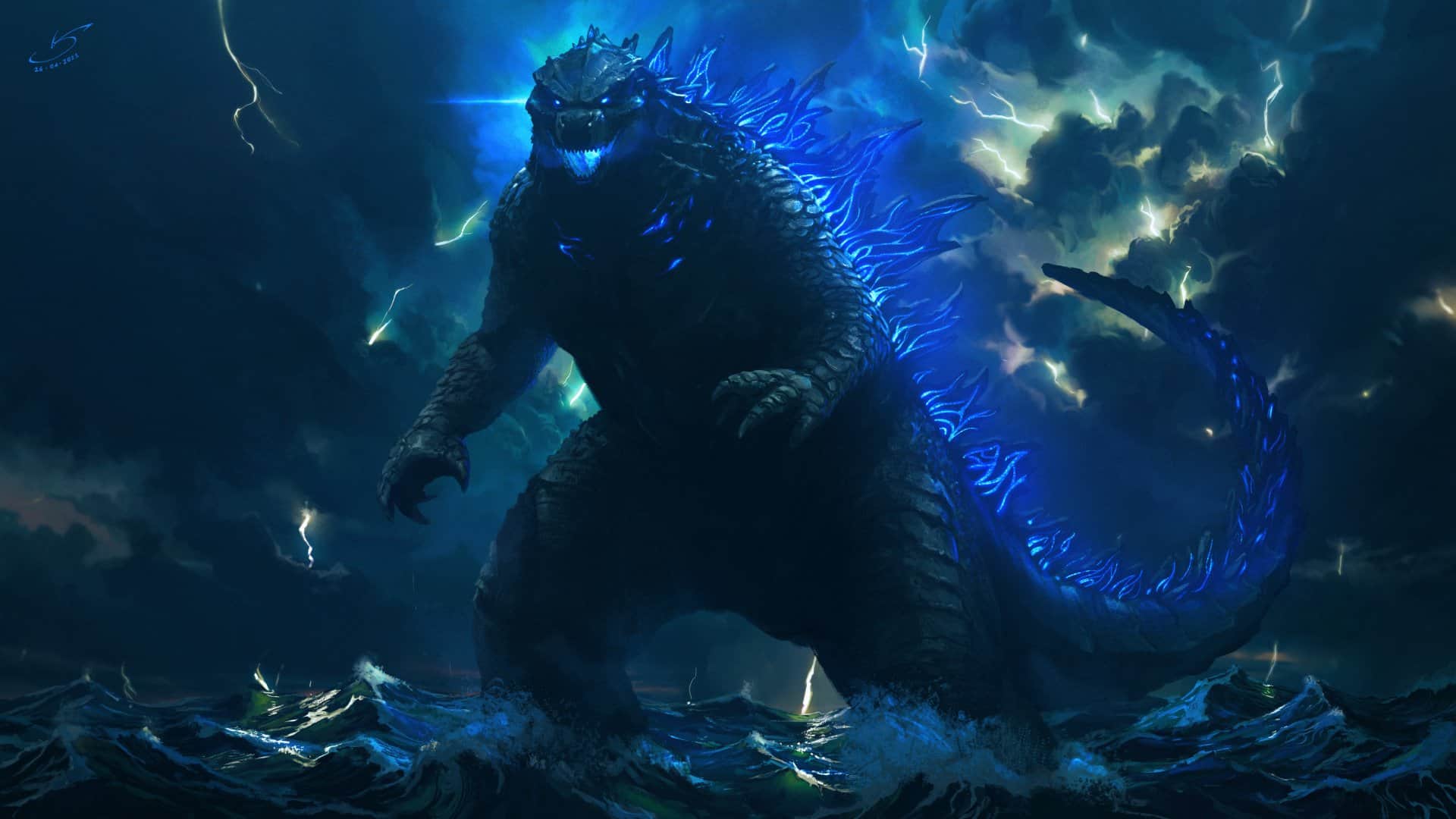
Sci-Fi Figures: From Ultraman to Godzilla: Japan’s Monster Universe
Japan’s kaiju and tokusatsu figure market is not a niche hobby. It is a global collecting ecosystem worth hundreds of millions of dollars annually, driven by obsessive domestic demand, a booming secondary market in Southeast Asia, and a Western collector base that finally understands what it has been sleeping on. Ultraman, Godzilla, and their extended monster universes represent some of the most graded, traded, and contested vinyl and PVC figures in existence. If you are serious about this category, you need to understand the players, the pull rates, the grading dynamics, and which pieces actually hold value.
The Foundation: Why Kaiju Figures Command Serious Collector Attention
Cultural Weight and Commercial Scale
Tsuburaya Productions launched Ultraman in 1966. Toho released the original Godzilla in 1954. Both franchises have operated continuously, generating figure releases across soft vinyl, PVC, and die-cast formats for over five decades. That continuity matters enormously. Unlike Western toy lines that launch and collapse, these properties sustain collector demand across generations. Additionally, Japanese domestic collectors treat kaiju figures the way American collectors treat graded comics: condition is everything, provenance matters, and sealed examples carry dramatic premiums.
Rare Inventory
Explore the full collection
Figures, art toys & limited editions — shipped across Europe from France.
The Banpresto Factor
Bandai subsidiary Banpresto dominates the arcade prize figure segment, producing the majority of widely available kaiju figures through Japanese UFO catcher machines. However, “arcade prize” does not mean low quality. Banpresto’s engineering standards rival dedicated retail releases. The key distinction for collectors is distribution. Prize figures enter the secondary market through crane game operators, leaving condition variation far higher than retail boxed product. First-run arcade figures in sealed condition regularly trade at three to five times their original machine value on Mercari Japan and Yahoo Auctions.
Ultraman: The Mega Light Heroes Line and Shin Ultraman’s Market Impact
Shin Ultraman Reshaped the Secondary Market
Hideaki Anno and Shinji Higuchi’s 2022 film Shin Ultraman did for Ultraman figures what Shin Godzilla did in 2016: it created a fresh wave of mainstream buyer interest that collided directly with serious collector demand. Banpresto released the Mega Light Heroes line to coincide with the film, and the results were immediate. The Ultraman Mega Light Heroes Figure Shin Ultraman by Banpresto captures the film’s stripped-down, almost alien redesign with precision. The sculpt eliminates the familiar color timer chest piece and presents Ultraman in a monochromatic, architectural form that directly references Anno’s design philosophy.



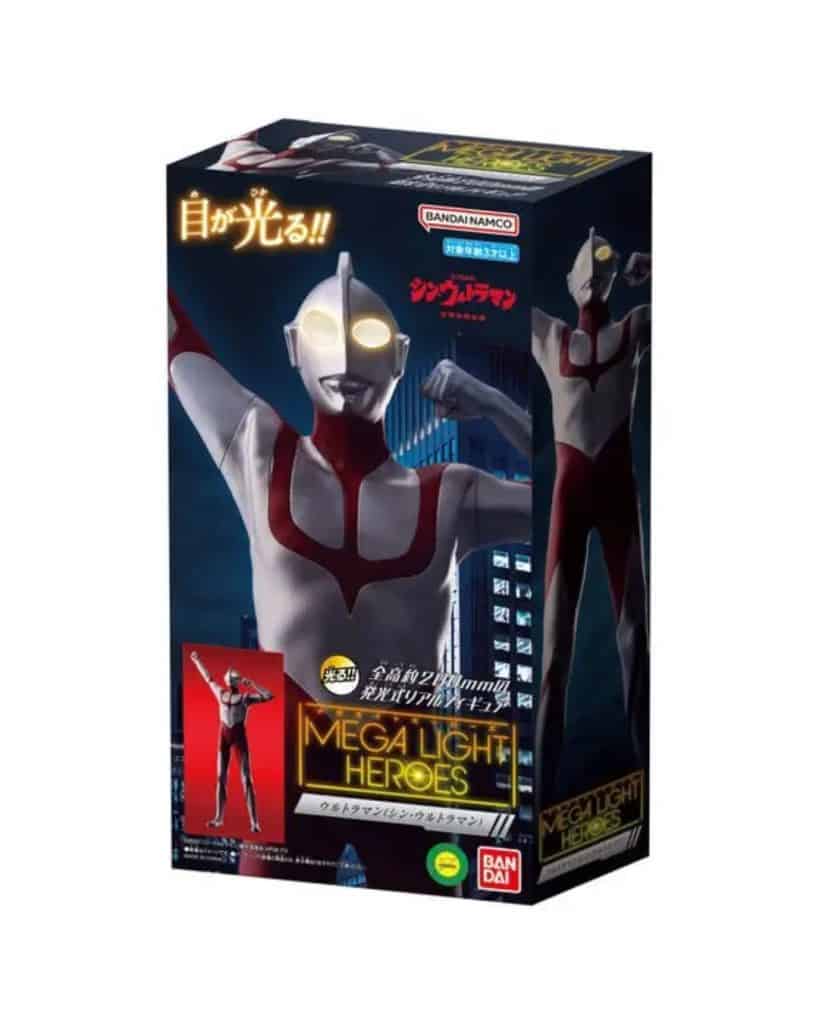
Ultraman Mega Light Heroes Figure Shin Ultraman | Banpresto
Straight from the hit movie Shin Ultraman, the legendary hero himself arrives in spectacular form as part of the Mega Light Heroes figure series by Banpresto. This highly detailed realistic PVC figure stands at an impressive 200 mm tall, featuring precision sculpting and rich, heavy coloring that captures Ultraman’s iconic silver and red design in stunning fashion.
For collectors, the Mega Light Heroes line presents a specific opportunity. These figures photograph exceptionally well, generate strong social engagement, and attract both casual film fans and long-term tokusatsu collectors simultaneously. That dual demand base creates pricing resilience. In practice, pieces from this line hold their secondary market value more consistently than comparable Banpresto releases tied to shorter-cycle anime properties.
Zoffy and the Supporting Cast Premium
Serious Ultraman collectors do not sleep on Zoffy. The M78 Space Garrison commander occupies a fascinating position in the secondary market. He is essential to any credible Ultraman collection, but casual buyers frequently overlook him in favor of the primary hero. As a result, first-run Zoffy figures often trade below their eventual equilibrium price before dedicated collectors absorb available stock. The Zoffy Mega Light Heroes Figure Shin Ultraman by Banpresto is the correct entry point for anyone building a Shin Ultraman shelf. Buy Zoffy before the market corrects. The window on undervalued secondary characters in popular lines is historically short.


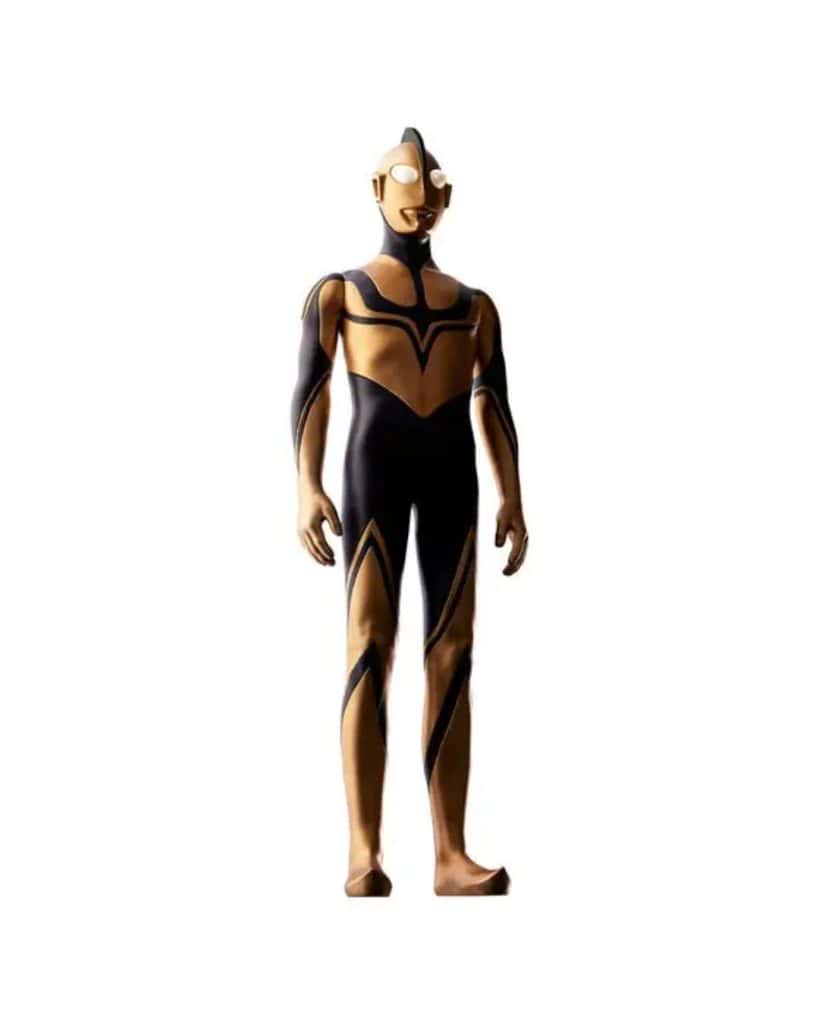
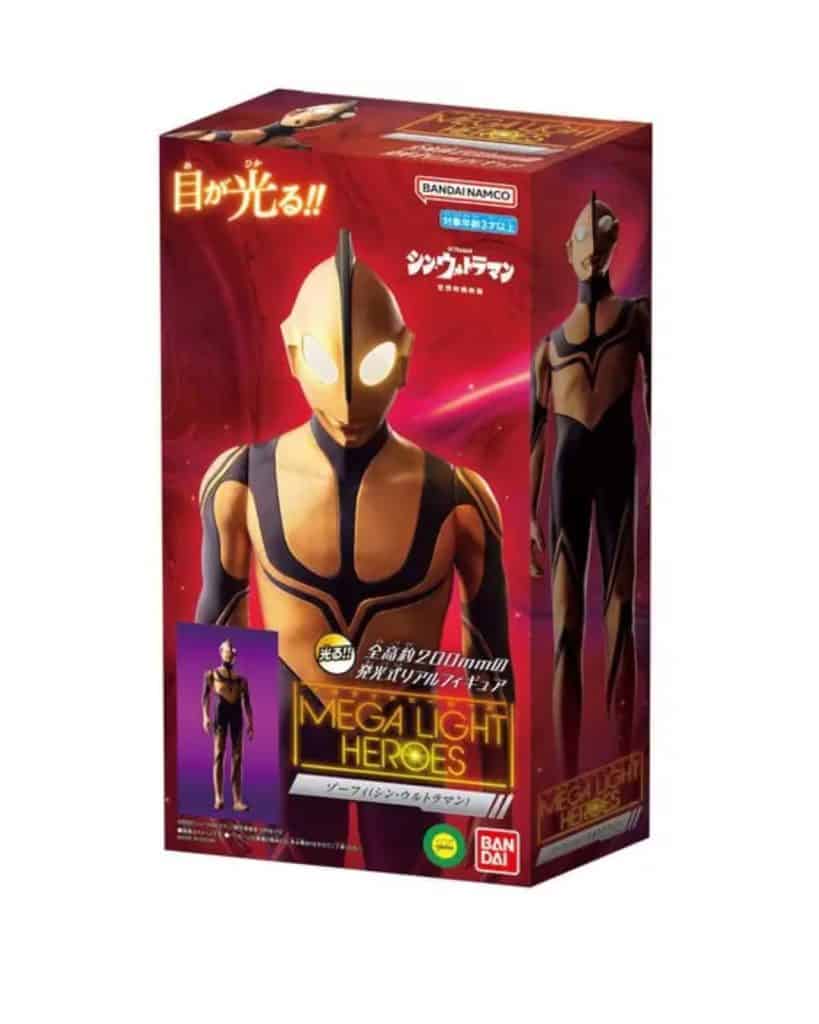
Zoffy Mega Light Heroes Figure Shin Ultraman | Banpresto
Straight from the hit movie Shin Ultraman, Zoffy arrives in spectacular form as part of the brand new Mega Light Heroes figure series by Banpresto. This highly detailed realistic PVC figure stands at an impressive 200 mm tall, featuring precision sculpting and rich, heavy coloring that brings the iconic hero to life like never before.
Godzilla: Grading Complexity and the Final Wars Benchmark
Why Godzilla Figure Grading Is Complicated
PSA and BGS do not grade figures the way they grade cards. The kaiju figure grading ecosystem relies primarily on condition documentation through photography, original packaging integrity, and provenance records. Japanese collectors use a tiered condition language: A-rank (mint, unplayed), B-rank (minor wear), and C-rank (play-used). Western collectors increasingly adopt this framework on platforms like StockX and COMC alternatives that have expanded into figures. However, the absence of a standardized third-party grading body remains the single largest barrier to institutional investment in this category.
For Godzilla specifically, the sculpt era matters as much as the condition grade. Showa-era soft vinyl figures from the 1960s and 1970s represent the top of the market. Authenticated examples in A-rank condition with original tags regularly achieve five-figure auction results at Tokyo’s Mandarake Auction and occasionally at Western houses. Meanwhile, Heisei and Millennium-era pieces occupy a middle tier that is currently undervalued relative to their historical significance.
Godzilla Final Wars and the Millennium Design Premium
The 2004 Millennium-era design from Godzilla: Final Wars is one of the most physically imposing Godzilla sculpts ever produced. The design features an exaggerated dorsal spine structure, compact musculature, and an aggressive forward lean that distinguishes it immediately from Showa-era interpretations. The Godzilla 2004 Monsters Roar Attack Figure Godzilla Final Wars by Banpresto is a direct representation of this design. It belongs in any serious kaiju collection as a Millennium-era benchmark piece.
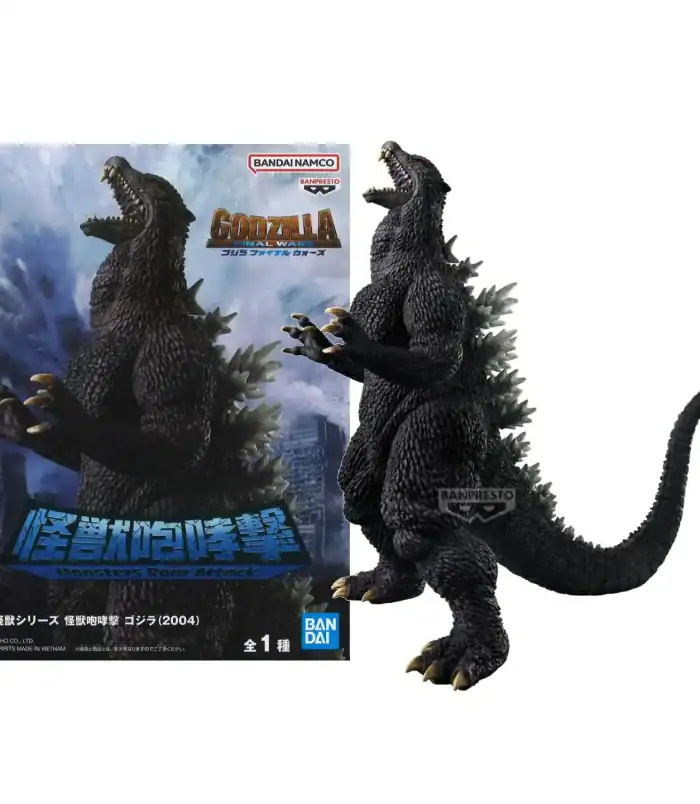
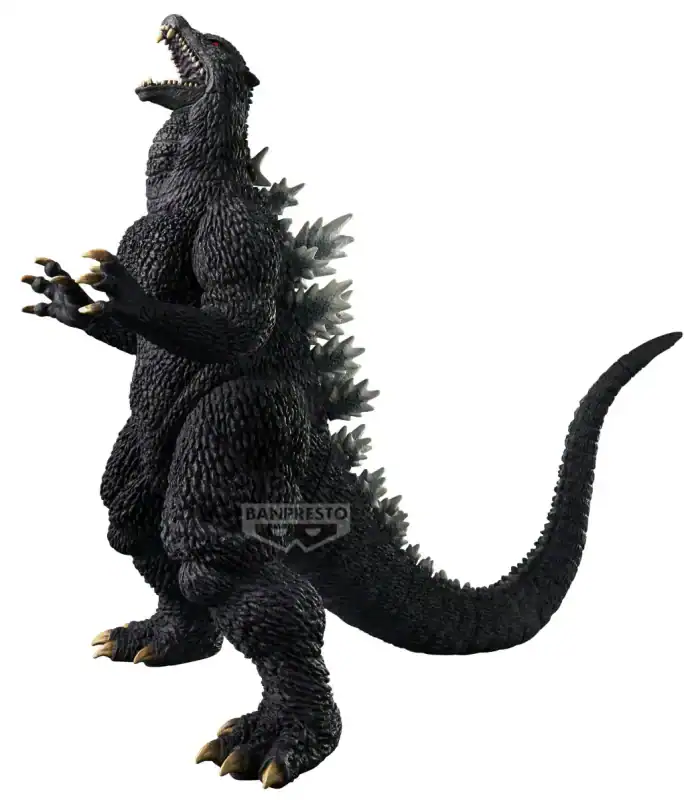
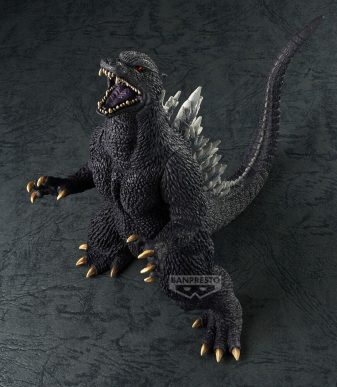
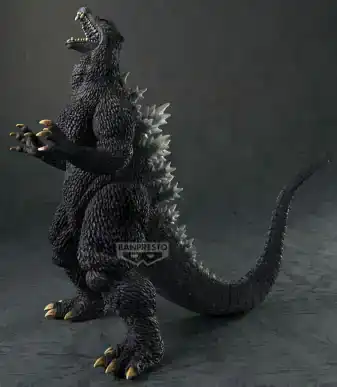
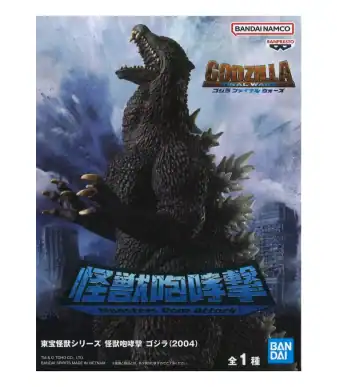
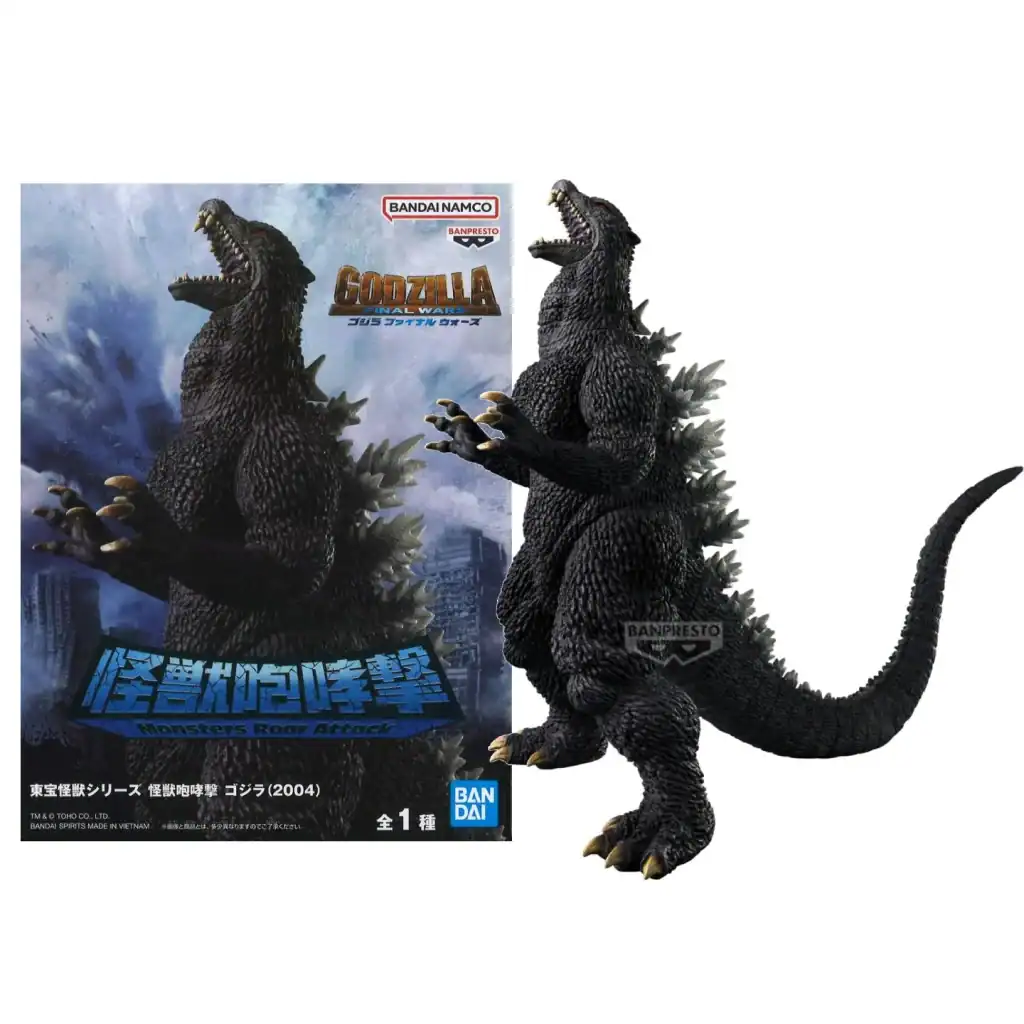


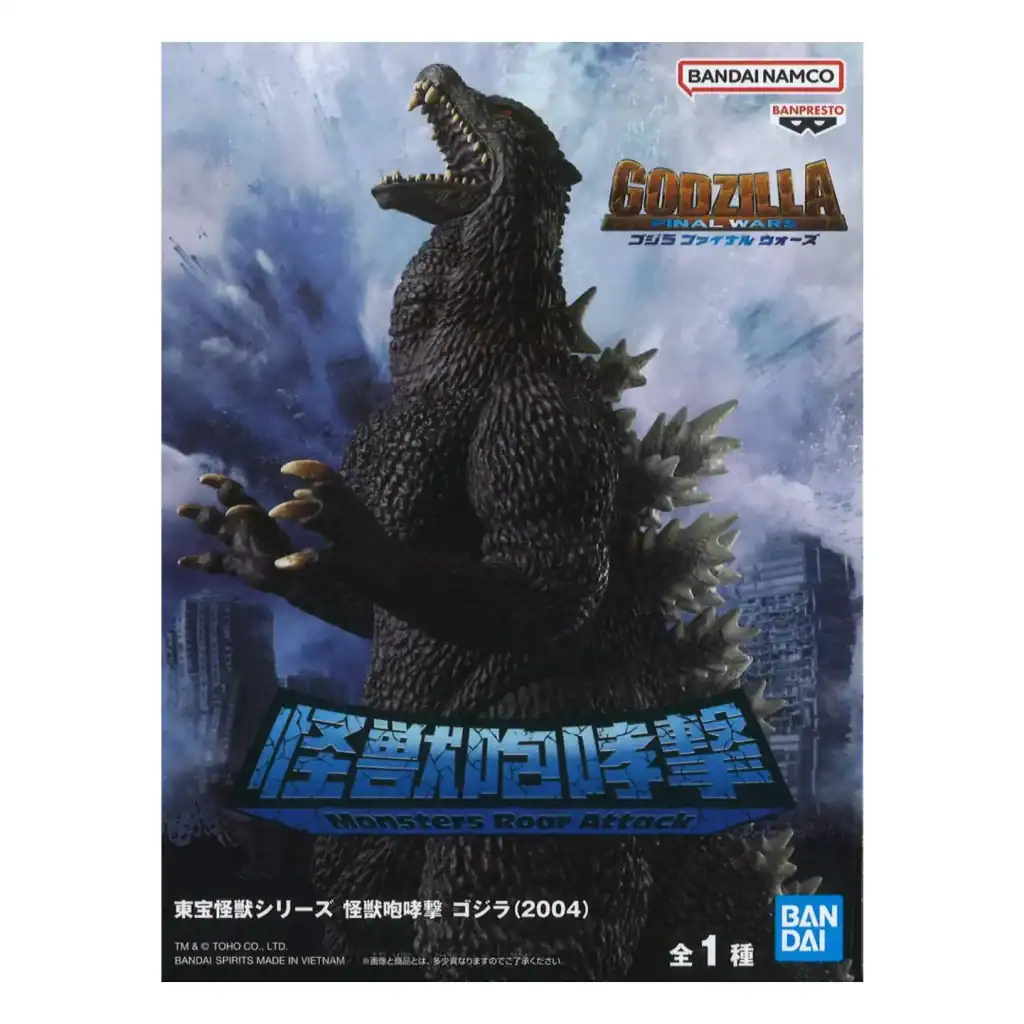
Godzilla 2004 Monsters Roar Attack Figure Godzilla Final Wars | Banpresto
The King of the Monsters is back and angrier than ever. This Monsters Roar Attack figure by Banpresto captures Godzilla in his iconic 2004 Final Wars design, jaws wide open mid-roar, claws raised, and every scale and spike meticulously sculpted to honor the most powerful version of the legendary kaiju.
Beyond aesthetics, Final Wars figures carry cultural weight because the film itself was a commercial disappointment on release. Toho subsequently paused domestic Godzilla production for a decade. That gap created artificial scarcity in figures tied to the Millennium continuity. Collectors who acquired Millennium pieces during the dormant years now hold significant paper gains.
Market Comparison: Banpresto Kaiju Figures at Entry and Secondary Levels
| Figure | Manufacturer | Retail Price | Secondary Market Range | Collector Priority |
|---|---|---|---|---|
| Shin Ultraman Mega Light Heroes | Banpresto | €35 | €55,€90 (sealed) | High, film tie-in demand |
| Zoffy Mega Light Heroes | Banpresto | €33 | €45,€70 (sealed) | High, undervalued entry point |
| Godzilla Final Wars Roar Attack | Banpresto | €35 | €60,€100 (sealed) | Very High, Millennium scarcity |
These retail prices represent genuine opportunity. In contrast to trading cards or graded comics where the gap between retail and secondary market is often impossible to close, figure collectors willing to source directly through specialist retailers can still acquire pieces at or near retail that carry meaningful secondary market premiums once sealed supply exhausts.
Expanding the Universe: Dragon Quest and Cross-Category Collecting
Why Kaiju Collectors Should Watch the JRPG Figure Market
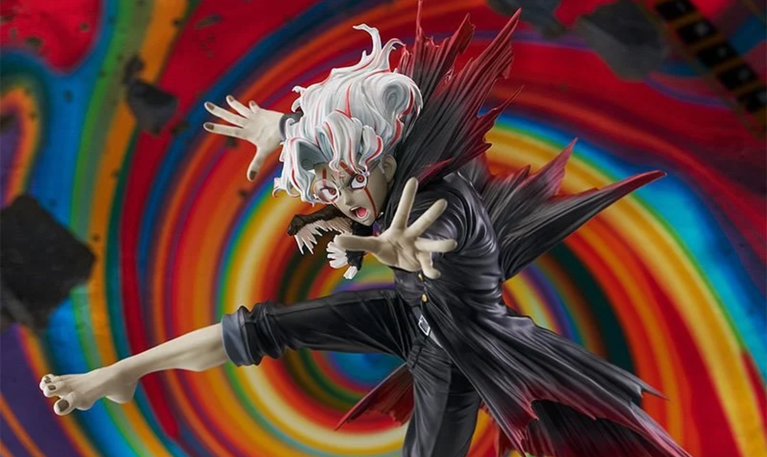
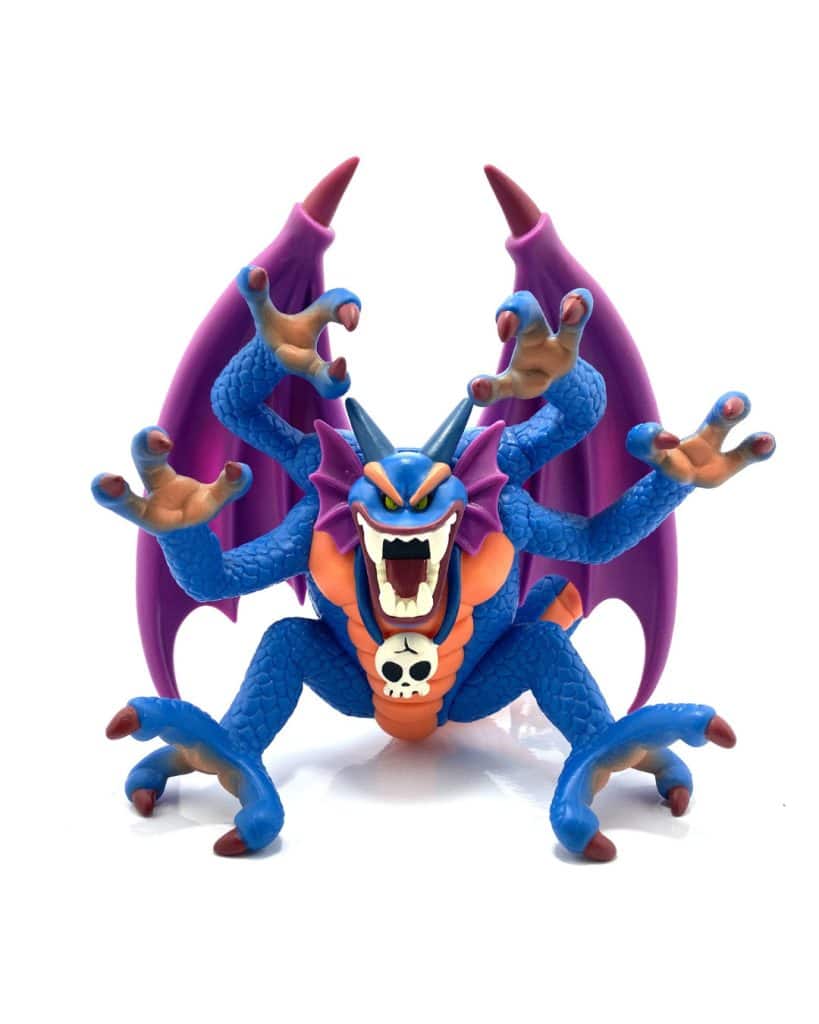
The most sophisticated collectors in this space do not restrict themselves to tokusatsu properties. Japanese sci-fi and fantasy figure collecting is increasingly cross-categorical. Dragon Quest, the foundational JRPG franchise, occupies a position in Japanese popular culture that directly parallels Ultraman’s. Both franchises launched in the 1980s as national cultural touchstones. Both generate figure releases that domestic collectors treat with extraordinary seriousness. For example, the Malroth Figure from Dragon Quest by Taito represents exactly the kind of villain character that carries disproportionate collector premium. Secondary antagonists with distinctive designs consistently outperform primary heroes at auction because serious collectors complete sets while casual buyers cherry-pick protagonists.
Taito as a Manufacturer: Understanding the Premium Tier
Taito occupies a position above Banpresto in the prestige hierarchy of Japanese prize figure manufacturers. First, Taito’s prize figures use higher-grade PVC compounds. Additionally, Taito applies more complex paint applications and frequently incorporates translucent elements that require superior molding technology. As a result, Taito figures age better in storage, showing less plasticizer migration and color shift over time. For collectors building holdings they intend to hold for a decade or longer, Taito pieces represent superior preservation bets.
| Manufacturer | Market Position | Material Quality | Long-Term Value Retention | Primary Distribution |
|---|---|---|---|---|
| Banpresto | Mass market prize | Good | Moderate to Strong | UFO catcher, online retail |
| Taito | Premium prize | Very Good | Strong | Crane games, specialist retail |
| X-Plus | Collector tier | Excellent | Very Strong | Direct retail, limited editions |
| S.H.MonsterArts (Bandai) | Premium articulated | Excellent | Very Strong | Retail, online, convention |
Authentication, Storage, and Preservation
Spotting Counterfeits in the Kaiju Figure Market
Counterfeiting in the Banpresto figure segment is a genuine problem. Chinese bootleg operations have replicated popular Banpresto releases with increasing fidelity. However, several authentication markers remain consistent. First, genuine Banpresto figures carry molded copyright text on the base that counterfeit versions frequently misspace or omit entirely. Additionally, authentic pieces show precise paint application at transition zones between color areas. Bootlegs typically bleed at these boundaries under magnification. More importantly, packaging font weight on genuine Banpresto boxes is heavier than on most counterfeits, which use lighter stock that feels noticeably thinner under pressure.
Display and Long-Term Storage Best Practices
UV exposure is the primary threat to Japanese figure condition. PVC yellowing occurs within 18 to 24 months of continuous display under standard indoor lighting without UV filtration. Serious collectors use UV-filtering acrylic cases from Japanese manufacturers like Detolf alternatives sold through Nitori or direct display case specialists. Temperature stability matters equally. Environments cycling between 18 and 28 degrees Celsius accelerate plasticizer migration, which causes surface tackiness and eventual structural degradation. For investment-grade pieces, climate-controlled storage at a consistent 20 to 22 degrees is the standard.
Rare Inventory Recommends: Build Your Kaiju Foundation Now
The entry window for Shin Ultraman and Millennium Godzilla figures at retail pricing is closing. Secondary market premiums on sealed Banpresto prize figures from major film properties have historically compressed available retail supply within 12 to 18 months of release. Browse the full kaiju and sci-fi figure selection at Rare Inventory and prioritize sealed, first-run examples of any Banpresto or Taito release tied to a Toho or Tsuburaya production. These are not impulse purchases. They are collection anchors.
The Shop
Available Now at Rare Inventory
Pieces related to this article, in stock and ready to ship.


100% Authentic Shipped from France Free Shipping Over €200