Yu-Gi-Oh! OCG Japanese Booster Boxes: A Buyer’s Guide for Western Collectors
The Japanese OCG market is where Yu-Gi-Oh! was born, and it remains the most technically rich, historically significant format for serious collectors. Western buyers are increasingly turning to Japanese booster boxes, not just for gameplay advantage, but for the grading upside, the print quality differential, and the sheer scarcity of early-run OCG product. However, navigating this market without a firm grasp of pull rates, set structures, and authentication basics is expensive. This guide exists to fix that.
Why Japanese OCG Boxes Outperform TCG Equivalents for Collectors
Print Quality and Grading Upside
Japanese OCG cards print at a measurably higher quality than their TCG counterparts. Konami’s domestic printing facilities in Japan use tighter quality controls, which results in sharper holofoil registration, cleaner card edges, and more consistent surface texture. For PSA grading purposes, this matters enormously. PSA 10 populations for Japanese OCG cards are consistently higher than equivalent TCG prints, and auction results on platforms like Yahoo! Auctions Japan confirm that PSA 10 Japanese copies command a significant premium over ungraded TCG versions of the same card.
Additionally, Japanese cards feature a distinct card stock that ages more predictably. Collectors who store sealed boxes in stable conditions can open product years later and still pull PSA 10 candidates with reasonable frequency. The TCG equivalent rarely offers that kind of consistency.
Set Structure and Pull Rate Transparency
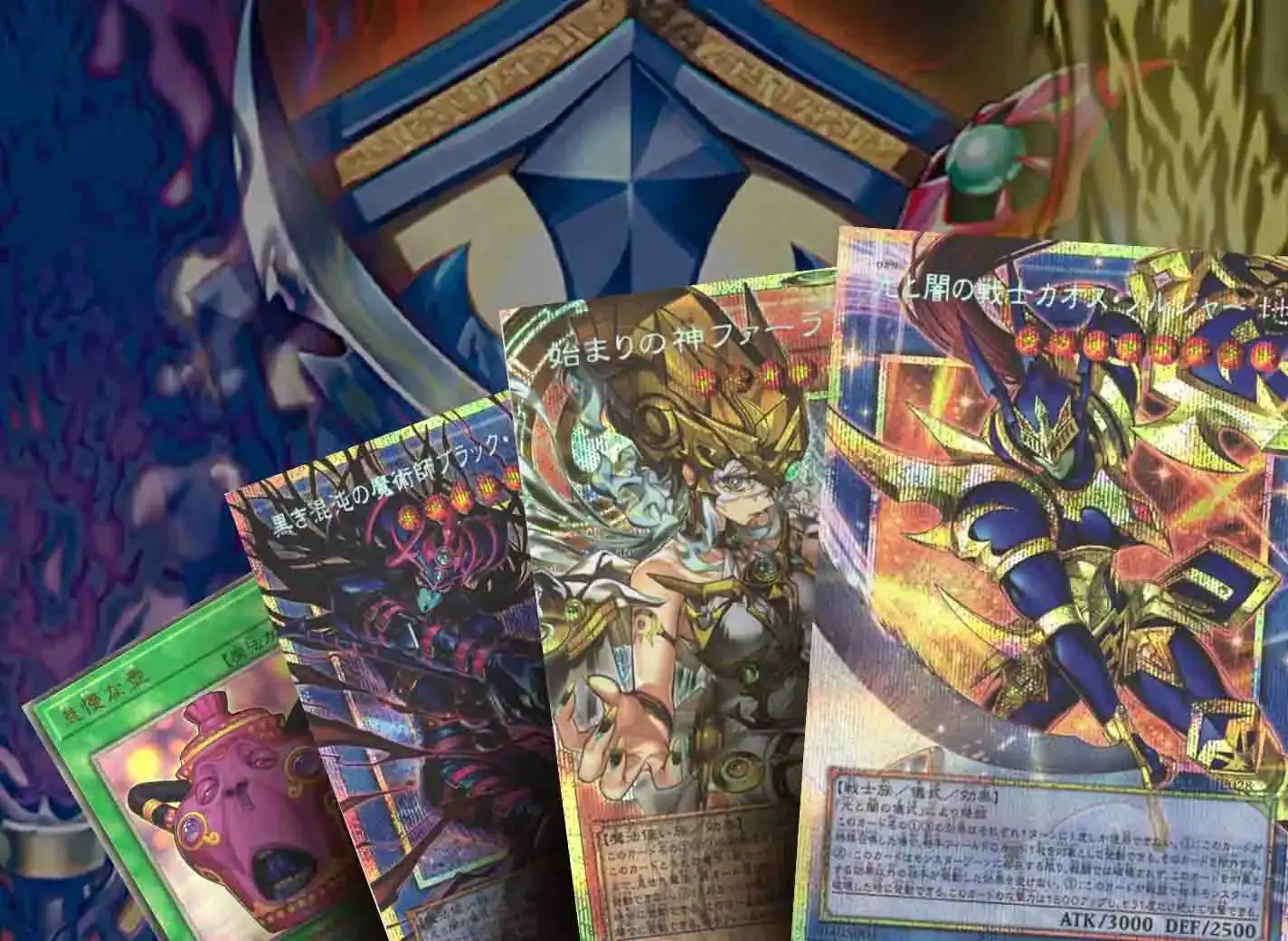
Japanese booster sets follow a tighter, more predictable structure than TCG releases. A standard OCG booster box contains 30 packs of 5 cards each, totalling 150 cards per box. Most sets guarantee one Secret Rare per box. However, the more recent “Quarter Century Secret Rare” parallel rarity, introduced to celebrate the franchise’s 25th anniversary, appears at roughly one per case, making it a genuine short print by any standard.

In contrast, TCG booster boxes ship 24 packs of 9 cards, with pull rates that are frankly less transparent. The OCG structure gives collectors a cleaner mathematical framework for calculating expected value per box. That predictability is part of why serious players and collectors alike prefer OCG product for sealed investment.

Explore the full collection
Figures, art toys & limited editions — shipped across Europe from France.
Understanding OCG Set Naming and Release Cadence
Main Series vs. Special Sets
Konami Japan releases OCG product across several distinct categories. Main series booster sets, such as the “Duelist Nexus” or “Age of Overlord” lines, form the backbone of the release calendar. These drop roughly every three months and carry the highest volume of competitive staples. Special sets, including “Collectors Pack” releases and structure deck R series, serve a different function. They target nostalgia and reprint demand, and they frequently generate stronger secondary market appreciation than main series equivalents.
Furthermore, premium product lines like “Prismatic Art Collection” and the “20th Anniversary” series occupy their own tier entirely. These are limited-run, high-foil-density sets with extremely compressed print runs. First-edition sealed boxes from these lines have appreciated significantly since release, and finding genuine first-print copies outside Japan requires trusted sourcing.
First Edition vs. Unlimited: Does It Matter in OCG?
This is where Western collectors get confused, because the OCG does not use a “1st Edition” stamp system the way the TCG does. Instead, the OCG distinguishes between first and subsequent print runs through packaging differences and, in some cases, subtle card back coloration shifts. For older product, the first print run boxes feature specific lot codes printed on the bottom flap. Collectors targeting pre-2010 OCG boxes for sealed investment must learn to read those codes, or they risk paying first-print premiums for reprint product.
For modern releases, the distinction is less commercially significant. However, sealed boxes from launch week Japanese retail still command a small premium on resale, partly due to collector sentiment and partly due to the lower likelihood of pack searching or tampering on freshly shipped stock.
Authentication and Avoiding Counterfeit OCG Product
Sealed Box Authentication Checkpoints
Counterfeit OCG boxes exist, and they have become more convincing over the past five years. First, examine the cellophane wrap. Genuine Konami OCG boxes use a heat-shrink wrap with a specific texture and a matte finish on the printed sections. Counterfeit wraps typically appear slightly shinier and feel thinner under pressure. Second, check the barcode. Every legitimate OCG booster box carries a Konami-issued JAN code that you can verify against known databases for that specific set.
More importantly, weigh the packs. Genuine OCG packs fall within a very tight weight range per rarity configuration. Significant outliers, either heavy or light, suggest resealing. A basic jewellery scale accurate to 0.01 grams is an essential tool for any collector buying Japanese sealed product from secondary sources.
Sourcing Channels and Trust Hierarchy
The safest sourcing hierarchy for Western buyers runs as follows: direct Japanese retail partners at the top, followed by established European importers with documented supply chains, then authenticated resellers, and finally open marketplace listings at the bottom. Yahoo! Auctions Japan offers extraordinary selection, but without a proxy service you trust and the language ability to read seller feedback in Japanese, the risk is real.
For collectors who want curated, authenticated Japanese TCG product without the friction of direct import, browsing Rare Inventory’s full catalogue covers premium Japanese editions across multiple franchises, with transparent sourcing and collector-grade presentation standards.
Explore the full collection
Figures, art toys & limited editions — shipped across Europe from France.
Resale Dynamics and Investment Considerations
Which Sets Have Historically Appreciated?
| Set Name | Release Year | Original Box Price (JPY) | Current Secondary Market Range | Key Pull |
|---|---|---|---|---|
| Duelist Genesis (TDGS) | 2008 | ¥3,150 | ¥80,000 – ¥150,000 | Stardust Dragon Secret Rare |
| Crimson Crisis (CRMS) | 2009 | ¥3,150 | ¥60,000 – ¥100,000 | Red Dragon Archfiend Secret Rare |
| Prismatic Art Collection | 2021 | ¥5,500 | ¥25,000 – ¥45,000 | Quarter Century Secret Rares |
| Age of Overlord (AGOV) | 2023 | ¥5,500 | ¥8,000 – ¥14,000 | Snake-Eye Ash Secret Rare |
The pattern is clear. Sets tied to iconic anime arcs, specifically GX, 5D’s, and the original Duel Monsters era, have produced the strongest long-term appreciation. In contrast, modern sets move faster on the secondary market but compress more quickly in value once the competitive meta shifts. For sealed investment, vintage OCG product is the stronger play. For speculative pulls and grading flips, modern high-foil sets offer faster liquidity.
Grading Economics for OCG Singles
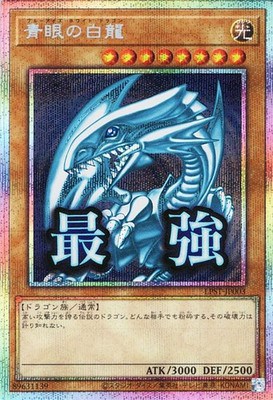
PSA grading Japanese OCG singles has become a legitimate investment strategy, not just a collector hobby. The economics work as follows: a PSA 10 “Blue-Eyes White Dragon” from the original Legend of Blue Eyes White Dragon OCG set trades at multiples of five to ten times the raw card value. However, submission costs, turnaround times, and the genuine risk of receiving a PSA 9 instead of a 10 all factor into the real return calculation.
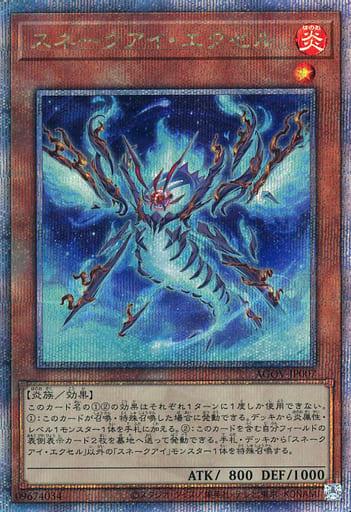
For newer product, the grading premium is tighter. A PSA 10 Snake-Eye Ash from AGOV carries perhaps a two to three times multiplier over raw. That margin narrows further when you account for submission fees. As a result, grading economics favour older, scarcer cards where the PSA 10 population remains genuinely low and demand is driven by nostalgia and completionism rather than gameplay utility alone.
Practical Buying Framework for Western Collectors
Budget Tiers and Set Recommendations
| Budget Range | Recommended Strategy | Example Sets to Target | Risk Level |
|---|---|---|---|
| Under €100 | Modern sealed, open for grading flips | AGOV, Phantom Nightmare | Medium, high liquidity |
| €100 – €300 | Mid-era sealed, mixed hold and open | Prismatic Art Collection, SOFU | Medium-low |
| €300 – €1,000 | Early modern sealed, pure hold strategy | DREV, STBL, EXVC | Low-medium |
| €1,000+ | Vintage sealed, long-term appreciation | TDGS, CRMS, SOVR | Low, illiquid short term |
First, establish your objective before buying any box. Opening for pulls and grading is a fundamentally different strategy from sealed storage and long-term appreciation. Mixing the two strategies without a clear plan is the most common mistake Western collectors make when entering the OCG market.
Additionally, factor import duties into your cost basis from day one. Importing Japanese sealed product into the EU carries VAT implications that erode your expected return if you ignore them. Build the full landed cost before comparing against secondary market prices.
Frequently asked questions
Are Japanese OCG cards legal in Western TCG tournaments?
No. The OCG and TCG are separate formats with different ban lists and, in some cases, different card text. Japanese OCG cards are not legal in official TCG events outside Japan and certain Asian territories. However, for collector and grading purposes, OCG cards are fully accepted by PSA, CGC, and Beckett without restriction.
How do I verify the authenticity of a Japanese OCG booster box before buying?
Check the JAN barcode against documented databases for that specific set, examine the heat-shrink cellophane for texture and finish consistency, and weigh individual packs if possible. For high-value vintage boxes, request photographs of the bottom flap lot code before purchasing, and cross-reference against known first-print lot code ranges for that set.
Do Japanese OCG cards grade higher on average than TCG prints?
Yes, consistently. The tighter print quality controls at Konami’s domestic Japanese facilities produce cards with sharper edges, cleaner holofoil registration, and more consistent surface texture. PSA 10 population reports confirm higher grade rates for Japanese OCG prints across most comparable card titles.
What is the Quarter Century Secret Rare and why does it matter for investment?
Konami introduced the Quarter Century Secret Rare rarity in 2023 to mark the franchise’s 25th anniversary. These cards feature a distinct silver-toned holofoil pattern and appear at approximately one per case, making them genuine short prints. Early QCS Rare copies of iconic cards like Dark Magician and Blue-Eyes White Dragon have already established strong secondary market floors, and their scarcity relative to print run size makes them a credible grading target for serious collectors.
The Shop
Available Now at Rare Inventory
Pieces related to this article, in stock and ready to ship.


100% Authentic Shipped from France Free Shipping Over €200