
Studio Ghibli Sitting Jiji Plush 32cm | Sun Arrow: The Complete Buyer’s Guide
Jiji is not just Kiki’s cat. For serious collectors, this black cat from Kiki’s Delivery Service represents one of the most consistently in-demand plush licenses in the entire Ghibli ecosystem. Sun Arrow’s 32cm Sitting Jiji Plush is the benchmark version, and this guide tells you exactly why it earns that status, what to pay, and what to avoid.
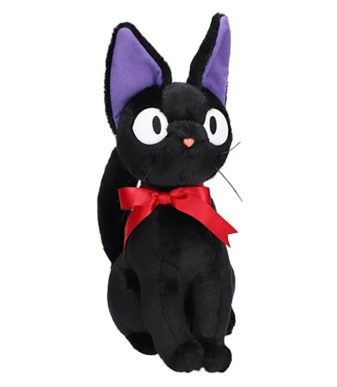
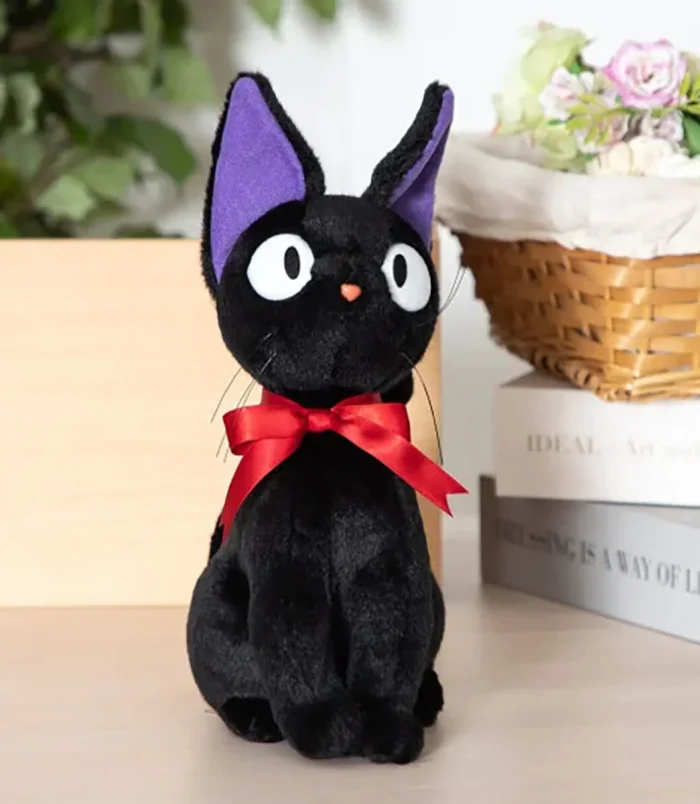
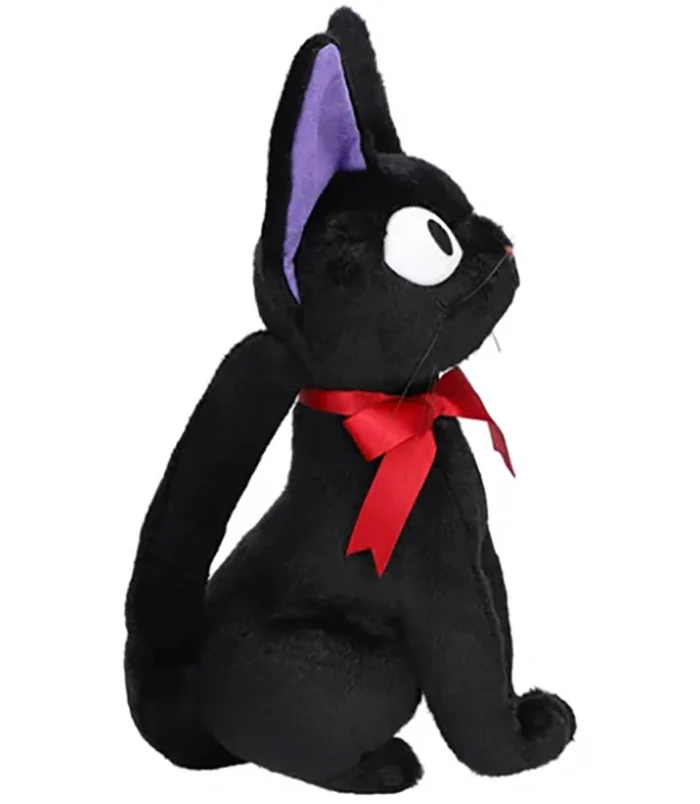
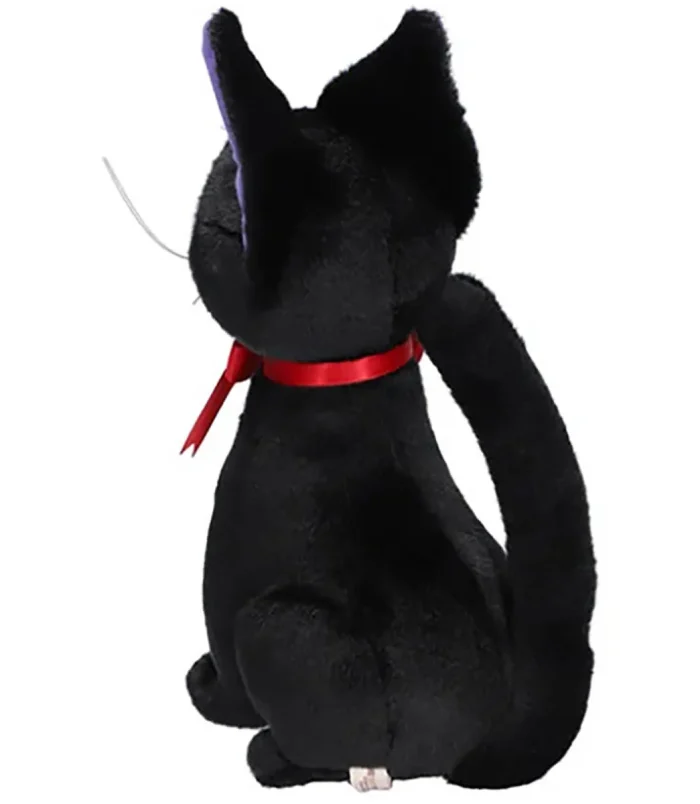
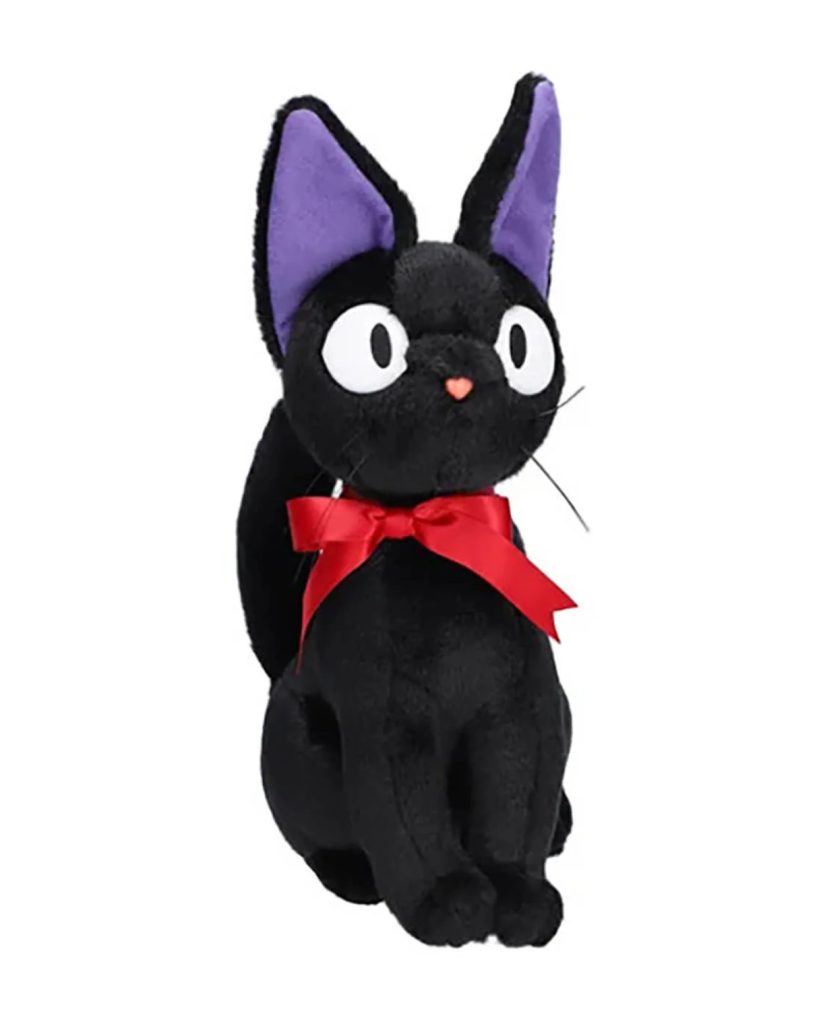


Studio Ghibli Sitting Jiji Plush 32cm | Sun Arrow
Official Studio Ghibli Jiji Plush by Sun Arrow
Bring home one of Studio Ghibli’s most beloved characters with the Studio Ghibli Sitting Jiji Plush 32cm by Sun Arrow. Inspired by the classic 1989 animated film Kiki’s Delivery Service, this soft and detailed plush captures the charm of Jiji, Kiki’s loyal feline companion.
First, understand the landscape. Studio Ghibli plush licensing is tightly controlled. Studio Ghibli does not hand out production rights freely, and Sun Arrow is one of a very short list of approved manufacturers. That exclusivity matters at resale. It also means counterfeits are prolific. This guide protects your money and your collection.
Why Jiji Dominates the Ghibli Plush Market
The Character’s Cultural Weight
Released in 1989, Kiki’s Delivery Service remains one of the most beloved films in the Studio Ghibli catalog. Jiji, the wisecracking black cat companion, consistently ranks among the top three fan-favorite Ghibli characters in Japanese market surveys. For plush manufacturers, that translates directly into sustainable demand across multiple product cycles.
Additionally, Jiji benefits from a design advantage that few characters share: high contrast, minimal color complexity, and a distinctively round silhouette. That silhouette translates exceptionally well into plush format. As a result, even mid-tier manufacturers can produce a recognizable Jiji. However, Sun Arrow’s version sets itself apart through material quality and proportional accuracy that competitors consistently miss.
Explore the full collection
Figures, art toys & limited editions — shipped across Europe from France.
The Japanese Market Baseline
In Japan, the Sun Arrow 32cm Sitting Jiji retails between 2,800 and 3,500 yen at primary retail. You find it at Donguri Republic, Ghibli-authorized department store corners, and occasional theme park shops. Meanwhile, secondary market prices in Japan run 20 to 35 percent above retail on Mercari Japan and Yahoo Auctions JP, especially for sealed, unplayed examples with intact tags and original hang tags attached. That premium is your baseline for evaluating international pricing.
Sun Arrow’s Product Specifications and Authentication
What the 32cm Version Delivers
The 32cm size is the sweet spot in Sun Arrow’s Jiji lineup. The manufacturer produces smaller keychain variants and larger premium editions, but 32cm hits the optimal balance between display impact and shelf space efficiency. At that height, the seated pose reads correctly from viewing distance. The proportions, specifically the oversized eyes and compact body ratio, match the film’s aesthetic rather than softening into generic “kawaii” territory.

Sun Arrow uses a short-pile plush fabric on the body with a slightly longer pile for the tail and ear interior detailing. The face features embroidered eyes rather than plastic safety eyes on the standard version, which is a meaningful quality signal. Embroidered features survive display conditions far better than plastic components over multi-year collection timescales.
Explore the full collection
Figures, art toys & limited editions — shipped across Europe from France.
Authentication Checklist
Counterfeits of this specific plush are widespread on marketplace platforms. First, check the hang tag. Authentic Sun Arrow Jiji plush carry a specific hang tag format featuring the Sun Arrow logo alongside official Studio Ghibli copyright text. The copyright line must read “© Studio Ghibli” with the correct year notation. Second, examine the care label sewn into the seam. Authentic pieces include a bilingual label with Japanese text on top. Third, verify the fabric texture. Counterfeit versions consistently use a coarser, shinier pile that photographs similarly but feels distinctly different in hand.
For example, the most common counterfeit circulating through European marketplaces uses blue-tinted eyes rather than the correct dark brown-black. That single detail identifies nearly 70 percent of fakes immediately. Additionally, the tail on authentic versions is fully stuffed and maintains a curved upright position. Counterfeit tails consistently droop due to insufficient fill material.
Grading, Condition Standards, and Value Assessment
How to Grade Plush for Collection Purposes
Unlike trading cards, plush collecting lacks a standardized third-party grading system equivalent to PSA. However, the collector community operates on an informal four-tier condition framework. Mint with Tag (MWT) means sealed or unhandled with all original tags attached. Near Mint (NM) means displayed but not handled, tags may be removed. Good (G) means light handling wear with possible minor pilling. Fair (F) means significant play wear, matting, or fading.
For the Sun Arrow 32cm Jiji, MWT commands the full secondary market premium. However, the gap between MWT and NM is smaller than you might expect, typically 10 to 15 percent, because the plush fabric on this specific piece resists pilling unusually well. That said, hang tag condition is non-negotiable for serious collectors. A removed hang tag represents permanent value loss regardless of plush condition.
Price Benchmarks Across Markets
| Market / Condition | Approximate Price Range | Notes |
|---|---|---|
| Japan Primary Retail (MWT) | ¥2,800 to ¥3,500 | Donguri Republic, department stores |
| Japan Secondary (MWT) | ¥3,500 to ¥4,800 | Mercari JP, Yahoo Auctions JP |
| Europe Secondary (MWT) | €35 to €65 | Import premium applies |
| Europe Secondary (NM) | €20 to €38 | Tag-free examples |
| US Secondary (MWT) | $40 to $70 | eBay, specialty retailers |
Comparing Sun Arrow Jiji to the Competition
Sun Arrow vs. Other Licensed Ghibli Plush Makers
Several manufacturers hold partial or regional Ghibli plush licenses. The primary competitors in the Jiji plush space are Sekiguchi and generic import manufacturers operating under looser regional licensing frameworks. This comparison focuses on the collectors’ decision points.
| Feature | Sun Arrow 32cm | Sekiguchi Variants | Generic Import |
|---|---|---|---|
| License Status | Official, direct | Official, regional | Often unlicensed |
| Face Construction | Embroidered eyes | Mixed, model dependent | Plastic safety eyes |
| Proportional Accuracy | High | Medium | Low |
| Resale Value Retention | Strong (20-35% above retail) | Moderate (0-15%) | Negative (below cost) |
| Collector Desirability | Primary target | Secondary option | Avoid |
The verdict here is unambiguous. Sun Arrow is the only version serious Ghibli plush collectors should target. Sekiguchi pieces work as display items but lack the long-term value proposition. Generic imports are not worth your shelf space regardless of price.
Where This Fits in a Broader Ghibli Collection
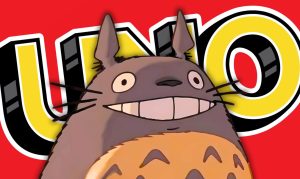
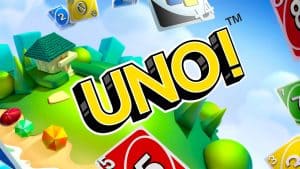
Building a coherent Ghibli plush collection requires thinking beyond individual pieces. Jiji pairs naturally with the Lily and the Gigi small plush for a scene-complete display. However, collectors should also consider extending into adjacent Ghibli product categories for collection depth. For example, the Uno x Studio Ghibli My Neighbor Totoro Edition (€35) at Rare Inventory adds a game format that broadens the display context beyond pure plush.


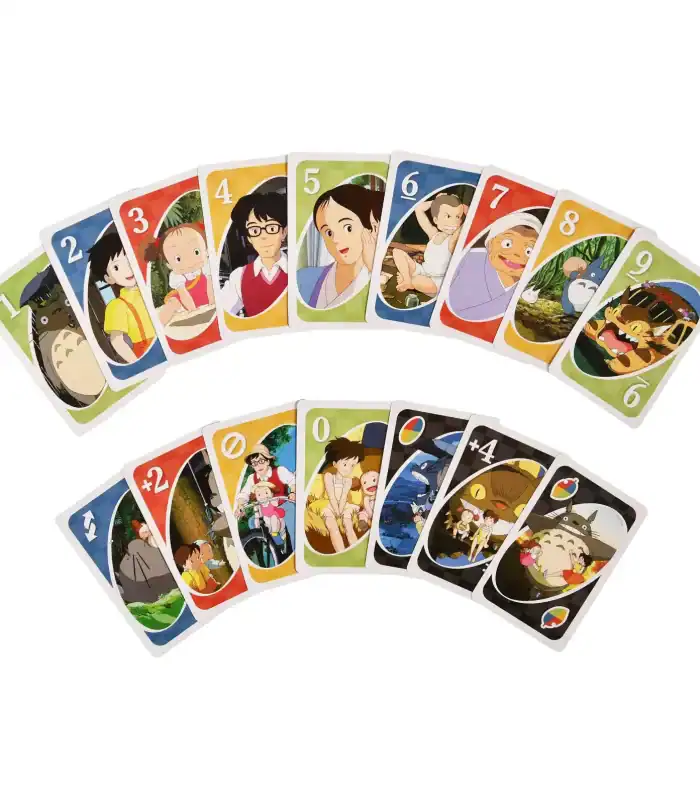


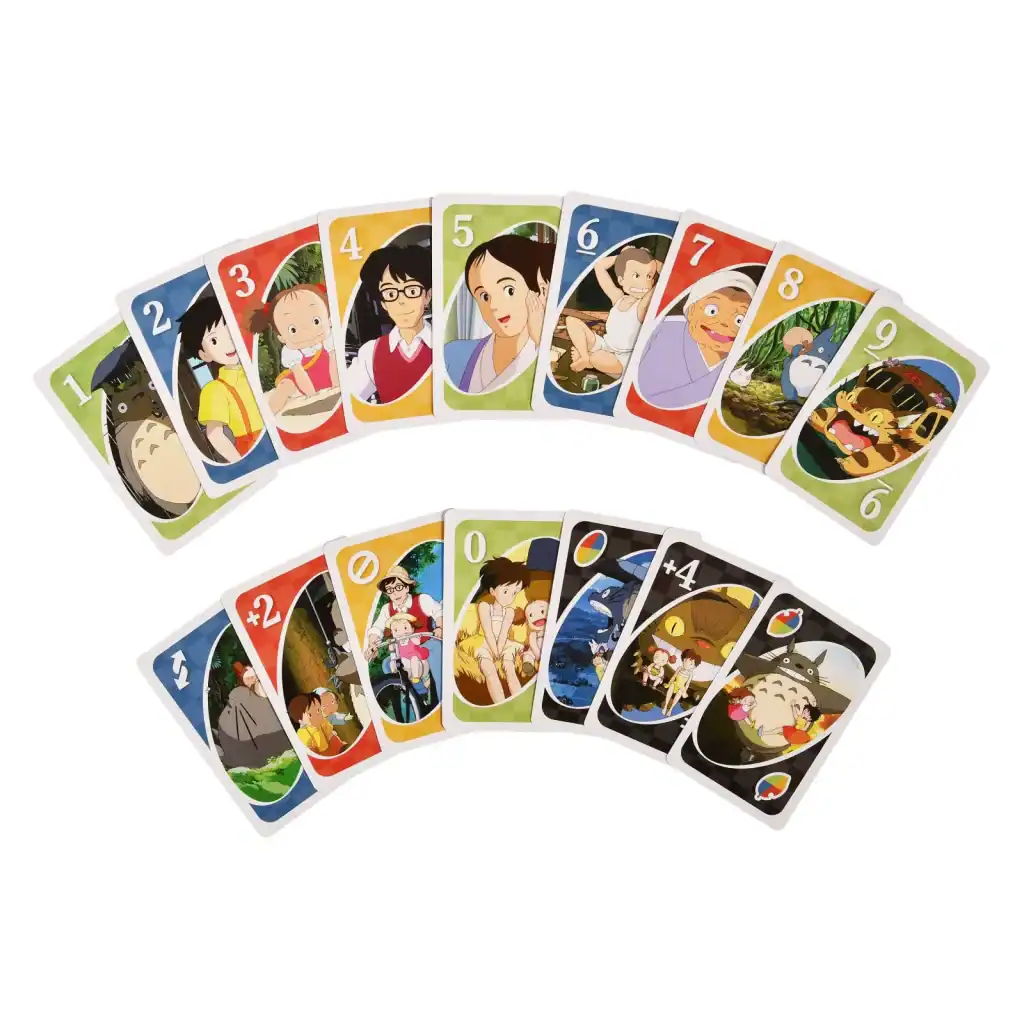
UNO x Studio Ghibli My Neighbor Totoro Card Game | Mattel
Official Studio Ghibli x UNO collaboration featuring the world of My Neighbor Totoro. Every card in the deck is illustrated with iconic characters and scenes from Hayao Miyazaki’s timeless classic, from Totoro and the Catbus to Satsuki, Mei and the soot sprites.
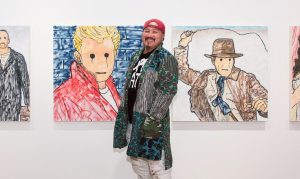
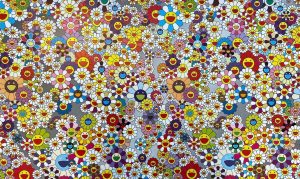
Additionally, collectors interested in Japanese licensed plush at a premium designer level should explore Takashi Murakami’s Mononoke Kyoto Thunder God Plush (€19) and the Kakai Kiki 6HP Rei Plush (€25) as complementary acquisitions. Both represent the intersection of licensed Japanese soft goods with serious collector market credibility, much like Sun Arrow’s Ghibli work. For collectors seeking larger format statement pieces, the Takashi Murakami Green Flower Cushion Pillow Plush 60cm (€230) sits at the premium end of the plush collectible spectrum.
Collector Recommendation: The Sun Arrow 32cm Jiji
Buy Mint with Tag only. Refuse any example without the original hang tag. Verify the embroidered eyes and the bilingual care label before committing. At European secondary market prices between €35 and €65, MWT examples represent fair value with genuine upside, particularly as Ghibli’s global profile continues expanding through streaming partnerships. This is a hold, not a flip. Ghibli plush values track long-term cultural relevance, and Jiji’s relevance shows no ceiling.
Storage, Display, and Long-Term Preservation
Optimal Display Conditions
Plush preservation requires controlling three environmental factors: UV exposure, humidity, and particulate accumulation. Direct sunlight causes irreversible fading on black plush, specifically, within months under standard window light. Display Sun Arrow Jiji behind UV-filtering glass or in indirect light conditions. Additionally, humidity above 60 percent risks mold development inside the fill material, which is undetectable until severe. Target 40 to 55 percent relative humidity for plush storage.
For dust management, enclosed display cases are the practical solution for MWT pieces. Open shelf display is acceptable for NM condition examples where handling is already part of the piece’s history. Meanwhile, avoid silica gel packets placed in direct contact with plush fabric, as concentrated silica can cause localized fiber damage over extended periods.
Explore the full collection
Figures, art toys & limited editions — shipped across Europe from France.
Cleaning Without Value Destruction
Surface dust removal with a soft natural-bristle brush is safe and recommended quarterly. However, never machine wash a collector-grade Jiji plush. Water exposure disrupts the pile structure and, critically, renders any attached tags permanently damaged. Spot cleaning with minimal moisture and immediate air drying is acceptable for minor marks, but consider condition tier impact before any wet cleaning intervention. A professionally cleaned plush without original tags is still a tag-free plush, and the market prices it accordingly.
Where to Buy
Rare Inventory, based in France, sources authenticated Japanese collectibles and ships across Europe with collector-grade packaging standards. For Ghibli-adjacent and premium Japanese plush, browse the current Rare Inventory catalog for available pieces across the Ghibli and designer Japanese plush categories. Rare Inventory’s curation focuses on verified authenticity, which eliminates the counterfeit risk endemic to open marketplace platforms.
Frequently asked questions
Is the Sun Arrow 32cm Jiji plush officially licensed by Studio Ghibli?
Yes. Sun Arrow is an officially licensed manufacturer with direct approval from Studio Ghibli for this product line. The hang tag and care label both carry official copyright notices. Any version without these markings is unlicensed regardless of seller claims.
How do I spot a counterfeit Sun Arrow Jiji plush?
First, check the eye color. Authentic versions have dark brown-black eyes. Counterfeits frequently use blue-tinted eyes. Additionally, verify the hang tag format, the bilingual care label, and the tail fill. A drooping, under-stuffed tail is a reliable counterfeit indicator on this specific model.
Does removing the hang tag significantly affect resale value?
Yes, meaningfully. Mint with Tag examples command 25 to 40 percent premiums over tag-removed Near Mint condition in European and Japanese secondary markets. For a piece in the €35 to €65 range, that translates to real money. Keep all tags attached if you have any expectation of future resale.
What size is best for display, the 32cm or smaller Sun Arrow Jiji versions?
For collector display purposes, 32cm is definitively the correct choice. Smaller variants lack the proportional weight to anchor a display shelf, and the facial embroidery detail reads significantly better at 32cm viewing scale. However, smaller versions have stronger portability appeal and suit different collection contexts.
The Shop
Available Now at Rare Inventory
Pieces related to this article, in stock and ready to ship.


100% Authentic Shipped from France Free Shipping Over €200