UNO Super Mario x Mattel: Nintendo’s most accessible collectible explained
A collector in Lyon tears open a fresh copy of UNO Super Mario at a flea market, paying three euros over sticker price. He does not plan to play it. He slides it into a protective sleeve, photographs it against a white background, and lists it sealed. Two days later it is gone. That transaction, modest and unglamorous, tells you everything about why this deck matters to the serious Nintendo collector ecosystem right now.
This guide counts down the five reasons UNO Super Mario x Mattel earns a place in a considered Nintendo collection, from the weakest argument down to the one that actually closes the deal. By the time we hit number one, you will understand exactly why this card game punches above its price point in a collectibles market that, per industry forecasts, is projected toward $480 billion (about €428 billion) by 2033.



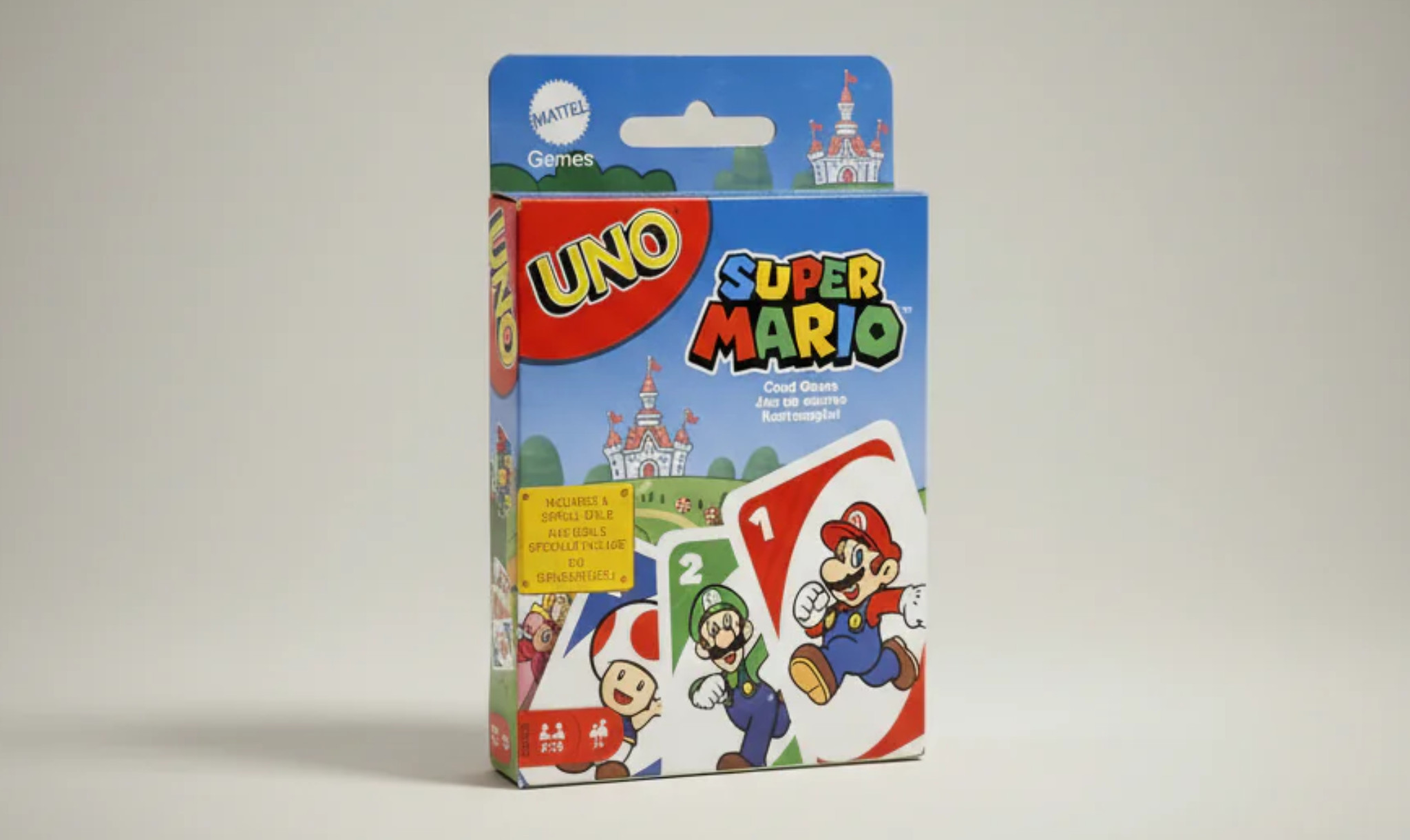
UNO Super Mario Card Game | Mattel
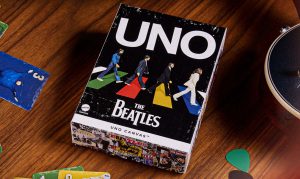
Official Super Mario x UNO collaboration by Mattel featuring Mario, Luigi, Toad and the whole Mushroom Kingdom crew. This is the classic UNO experience with a game-changing twist: the special Mario Super Star Card makes your character invincible, letting you bounce “Draw 4” or “Draw 2” cards straight back to your opponent. Two customizable wild cards add even more chaos and strategy to every round.
The Super Mario Collectibles Landscape in 2026
Mario is the single most recognizable character in gaming. Every anniversary, every movie, every cultural moment sends attention back to the original games and the characters built around them. That cultural gravity pulls every licensed product upward, including card games. The retro gaming market hit $4.18 billion (about €3.7 billion) in 2026 and grows faster than many modern gaming sectors. Collectors who understand this trajectory buy strategically, not impulsively.
However, not every collector has five figures to spend on a graded NES cartridge. Huge price increases in recent years have transformed Mario collecting from a hobby for fans into a potential investment strategy, and that shift has priced many enthusiasts out of the high-end segment. UNO Super Mario fills that gap. It is a legitimate Nintendo-licensed product with real gameplay mechanics, real artwork, and a real secondary market. It just costs thirty-two euros instead of thirty-two thousand.
Explore the full collection
Figures, art toys & limited editions — shipped across Europe from France.
What Is Actually Inside the Box
The Deck Breakdown
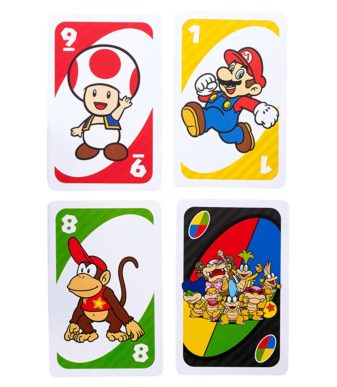
The deck consists of 112 cards. 108 are the ones found in a standard UNO deck, while four cards are particular to the UNO Super Mario deck: two Invincible Mario cards and two White Mario cards. That is not marketing padding. The Invincible Mario card, if played after a Draw 2 or Wild Draw 4, forces the player who used either card to draw respectively two or four cards instead. The player who uses the Invincible Mario card must then declare the new color to be matched and pass the turn.
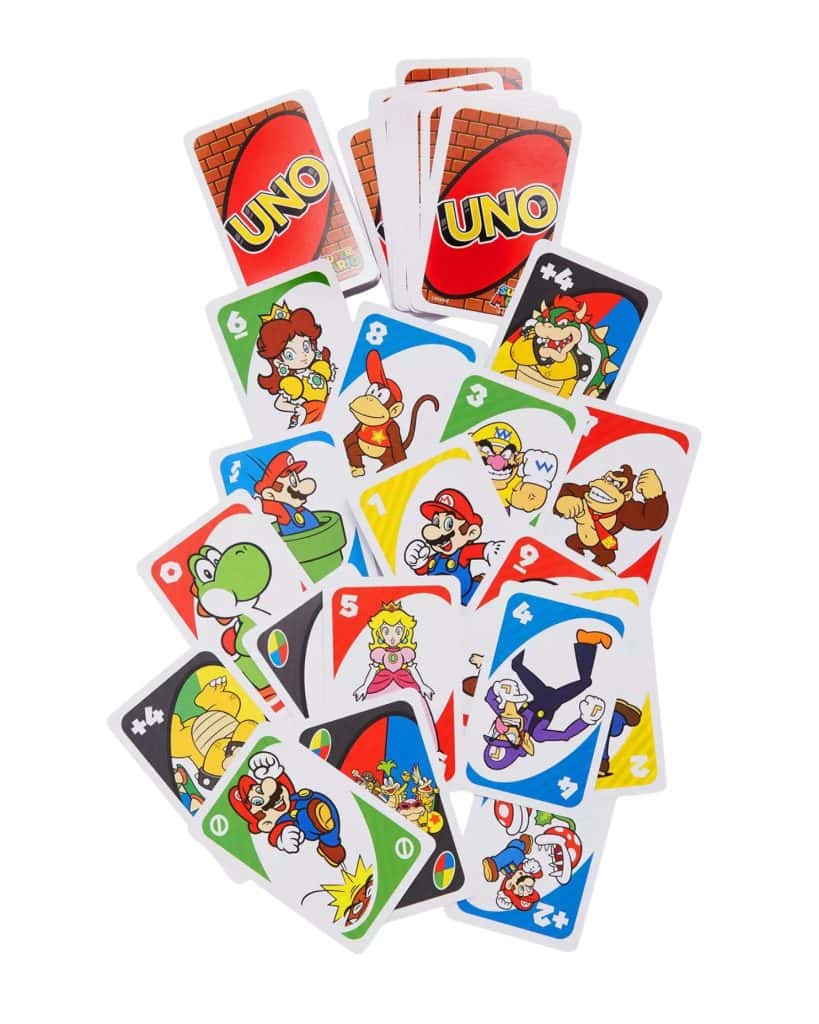

Cards feature various Super Mario characters and include standard UNO cards: numbered cards, Skip, Reverse, Draw Two, Wild, and Wild Draw Four, alongside special Mario-themed action cards. The character art is hand-drawn in style, not a simple logo stamp. That matters for collectors. Additionally, the game was originally released in 2016 by Mattel, meaning the franchise has now accumulated several years of secondary market history and multiple pressing variants worth tracking.
Gameplay Mechanics for the Non-Player Collector
Even if you never open the deck to play, understanding the rules matters. Two customizable Wild cards deliver game-changing moments, and the first player or team to 500 points wins. The format supports groups from two to ten players, which gives sealed copies gift appeal far beyond the collector community. That broad demand base is a floor for resale value.

Comparison: UNO Super Mario vs. the Super Mario Collectibles Ecosystem
| Collectible | Entry Price (EUR) | Sealed Premium Potential | Grading Upside | Play Utility |
|---|---|---|---|---|
| UNO Super Mario x Mattel | €32 | Moderate (2x-4x) | Low (niche) | High (2-10 players) |
| Super Mario 3D All-Stars (Switch) | €80-100 sealed | High (5x+ graded) | Strong (PSA/CGC) | High (playable) |
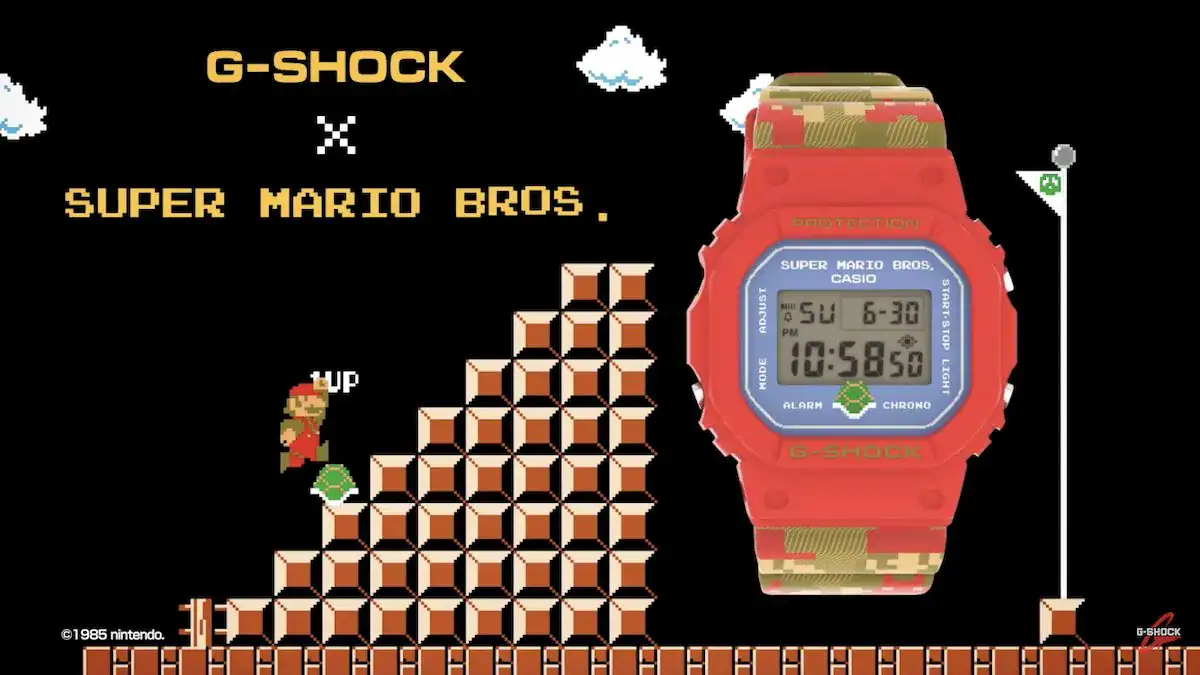
| G-Shock x Super Mario DW-5600SMB | Premium | High (collab watches hold) | Moderate | High (wearable) |
| Sealed NES Super Mario Bros. (graded) | €10,000+ | Extreme (record-setting) | Elite (PSA 9.6+) | None (sealed forever) |
The Countdown: 5 Reasons UNO Super Mario Belongs in Your Collection
We count down from number five to number one. The last item on this list is the strongest argument and the one most collectors miss entirely.
#5: Nintendo IP Legitimacy
First, let’s address the instinct to dismiss this as a novelty. It is an officially licensed Nintendo product produced by Mattel, one of the most defensible toy brands in the world. The Super Mario franchise remains a cultural and commercial juggernaut, with the Super Mario Bros. Movie grossing $1 billion (about €0.9 billion) globally. Every time a new Mario film or game drops, every piece of licensed Mario merchandise gets a demand spike. That includes card games. The IP legitimacy here is unquestionable, and that alone separates this product from generic game-themed merchandise.
#4: Artwork and Character Density
The hand-drawn character art across 112 cards is the product’s most underrated physical quality. This special deck has cards with hand-drawn artwork of Super Mario characters, as well as two additional unique card types. For collectors accustomed to amiibo or figures, the idea of character art on every single card in a deck is genuinely novel. However, from a grading perspective, this also means that card condition becomes nuanced. Surface scratches, edge wear, and print defects all affect individual card quality in ways that make sealed preservation the obvious play. Keep one sealed, open one to play.
#3: Cross-Category Collector Appeal
UNO Super Mario sits at the intersection of three collecting categories: licensed card games, Nintendo merchandise, and Mattel collaboration products. Additionally, it pairs naturally with the broader Super Mario lifestyle product ecosystem. Consider how it sits next to the Gelato Pique x Super Mario Star Cushion in a display context: both are licensed, both are accessible price points, and both demonstrate the franchise’s reach into non-gaming categories. Cross-category appeal creates a wider buyer pool on the secondary market, which is exactly what you want from any collectible.


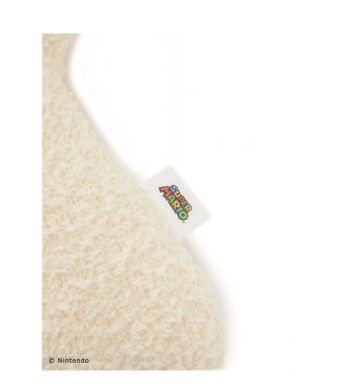
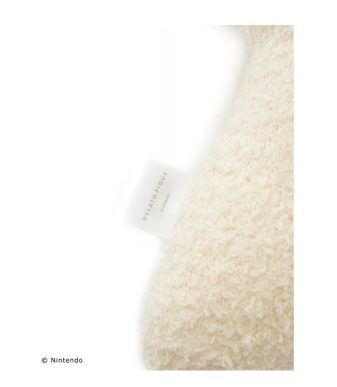
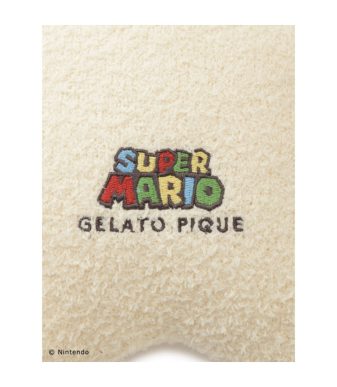
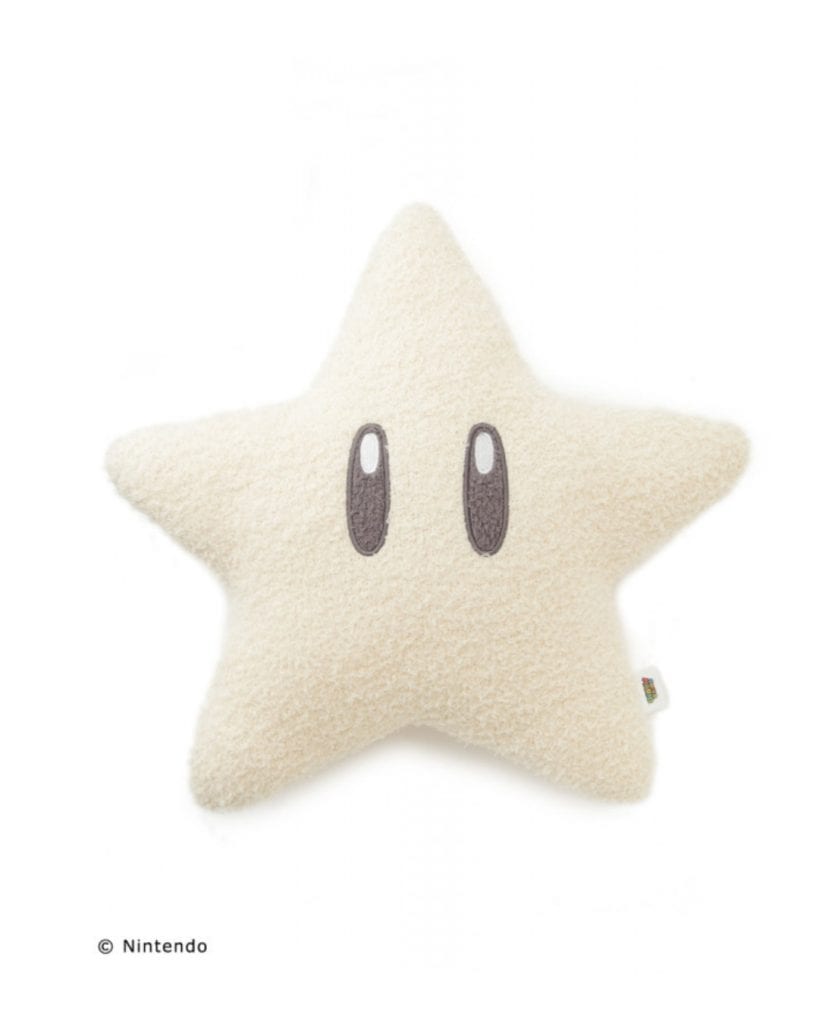
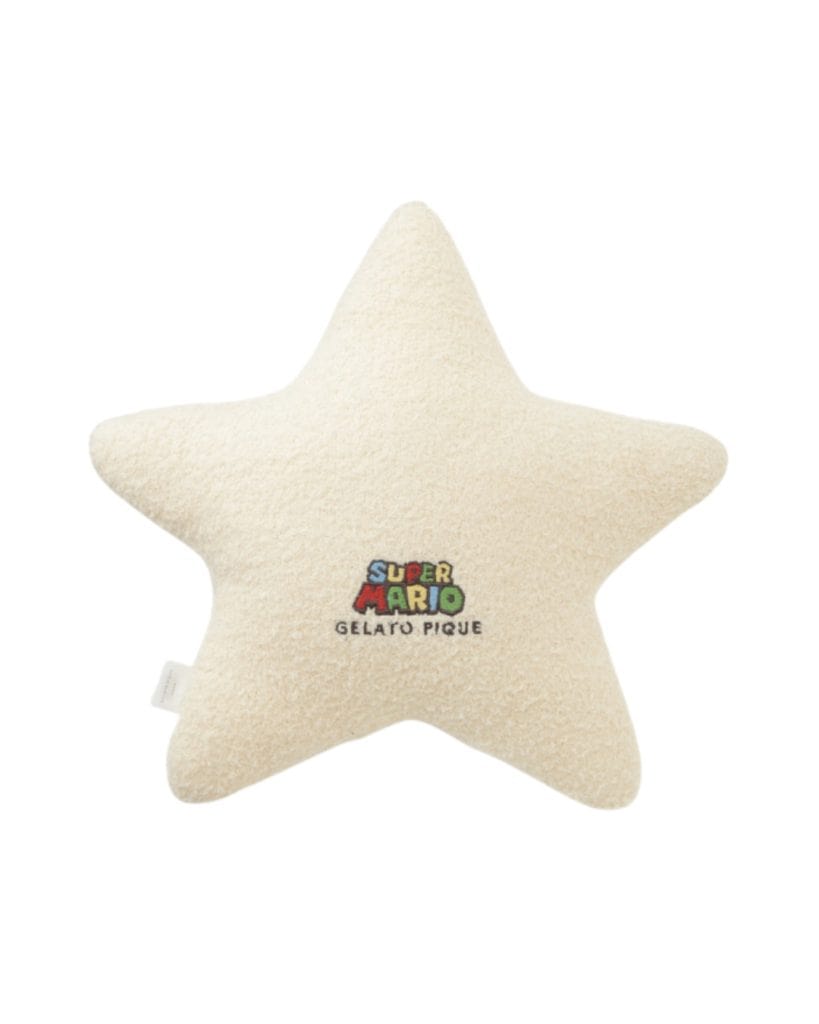
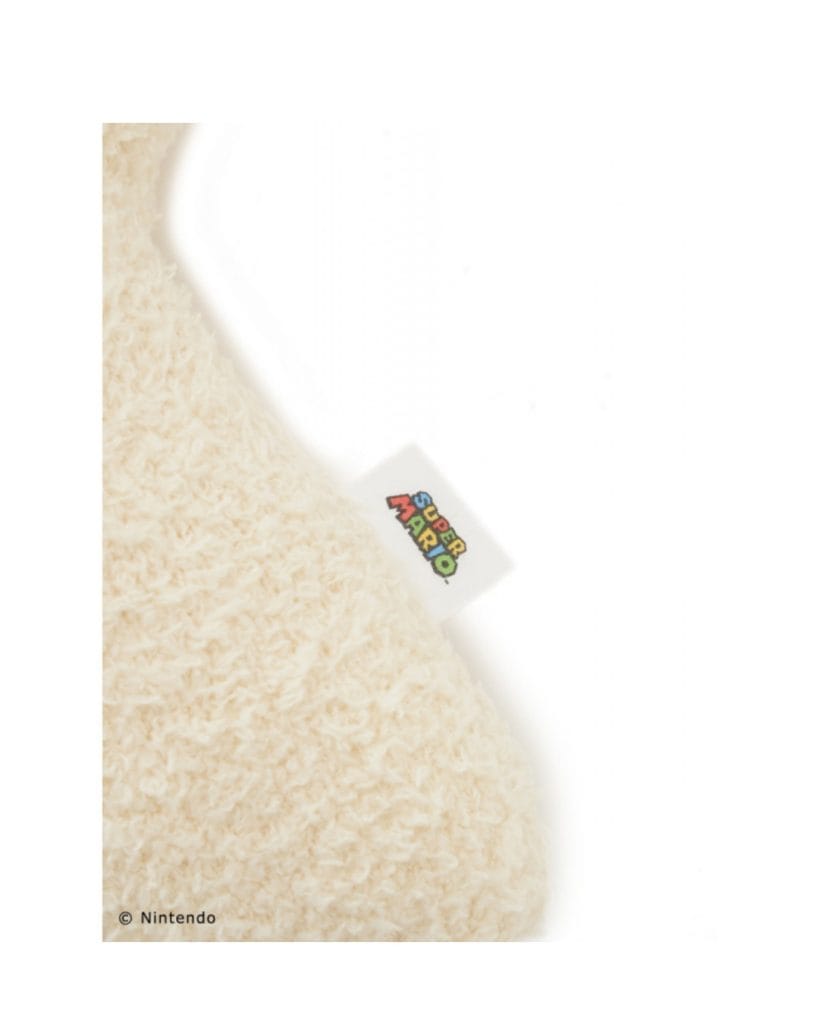
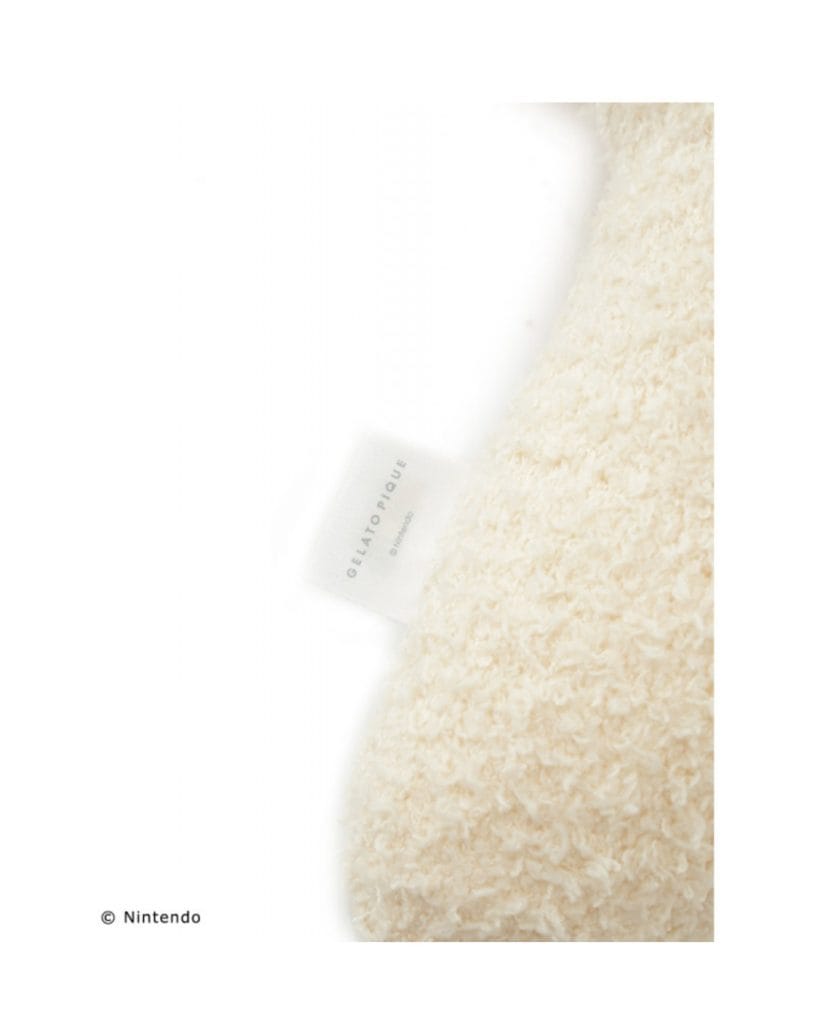
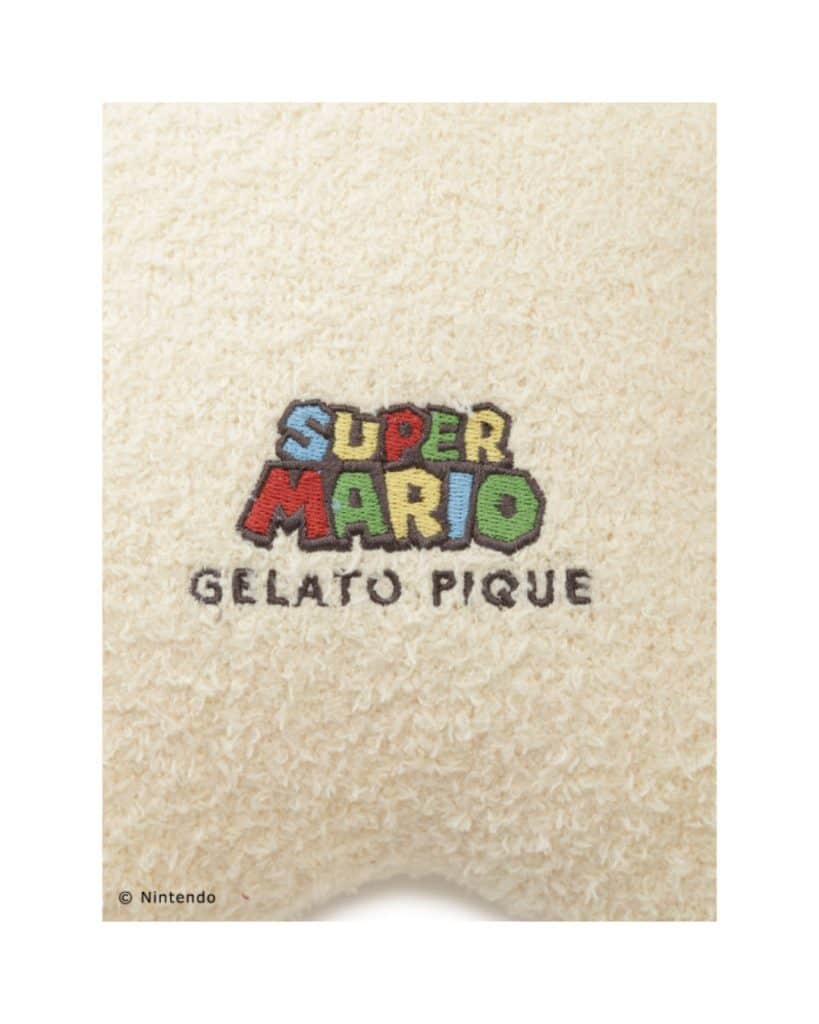
Gelato Pique x Super Mario Star Plush Cushion
The Gelato Pique x Super Mario “Star” Cushion reinterprets the iconic Super Star through a soft, minimalist lens. Instead of bold colors, this edition uses a warm cream tone and a fluffy texture, creating a calm and elevated version of the classic character.
#2: Gift Market and Seasonal Demand Spikes
Card games are the one Nintendo collectible that a non-collector will buy without hesitation. The franchise’s 40th-anniversary milestone in 2025 spurred nostalgia-driven sales, with analysts expecting a 15 to 20% year-over-year increase in collectible demand. That momentum carries into gifting seasons. For example, a sealed UNO Super Mario deck in Q4 trades at a premium over standard retail because gift buyers do not price-shop the way collectors do. Furthermore, Mario Day 2026 marks the 40th anniversary of Super Mario Bros., with Nintendo driving substantial consumer attention through eShop sales, new amiibo, and LEGO collaborations. Each of these cultural moments pulls new buyers into the ecosystem, and the most accessible entry point is always a card game under €40.
#1: The Sealed Tin Variant and the Entry-Point Thesis
Here is the argument that matters most. UNO Super Mario x Mattel exists in a collectible tin variant, which fundamentally changes its preservation and display calculus. The tin packaging is a secondary container that protects the card stock from humidity and UV damage, the two main enemies of paper collectibles. In contrast to a standard cardboard tuck box, the tin variant holds condition in storage far more reliably. The collectible storage tin version is documented as an Amazon Exclusive variant, meaning it carries distribution scarcity on top of the standard product. Scarcity plus strong IP plus a market of increasingly price-conscious Nintendo collectors equals a compelling entry-point thesis.
Meanwhile, the broader collectibles market validates this category. Industry analysis places the global collectibles market on a trajectory toward $602 billion (about €536.8 billion) by 2026, growing at a 6.4% CAGR. Within that market, accessible licensed products with strong IP backing consistently outperform expectation. This deck, at €32, is the lowest-friction way to hold a physical Nintendo collectible. That accessibility is not a weakness. It is the entire point.
Grading Considerations for Serious Collectors
Frequently asked questions
Should You Grade UNO Super Mario?
PSA and BGS grading for card games is niche but growing. The key question is whether sealed box grading or individual card grading makes more sense here. For now, sealed box preservation in the original tin is the stronger play. The secondary market for graded UNO decks is thin, which means spreads are wide. However, that thinness is also an opportunity: early movers in any graded category capture the most upside as the market matures.
Is UNO Super Mario x Mattel a limited edition?
The standard box version has seen multiple pressings since its 2016 original release. However, the collectible storage tin variant carries documented distribution restrictions as a retail exclusive. That variant commands a genuine secondary market premium over the standard box. Always verify which version you are buying before purchasing for collection purposes.
Does the Super Mario Super Star card make this a fundamentally different game?
The classic UNO format includes a special Mario Super Star Card that makes your character invincible. After another player plays a Draw 2 or Wild Draw 4 card, you play the Super Star Card to bounce the power back to that player. That mechanic is unique to this deck and is not found in standard UNO. For collectors who actually play their copies, this addition meaningfully changes game strategy and is a genuine design contribution, not a cosmetic tweak.
Should I buy one to play and one to keep sealed?
Yes. This is the standard dual-copy strategy for any accessible licensed collectible. Buy the tin variant sealed for the shelf, and buy a standard box version to open and play. The sealed tin holds condition, accumulates secondary market history, and photographs well for documentation. The open copy gives you genuine engagement with the product, which matters for informed collecting decisions.
How does UNO Super Mario fit alongside higher-value Nintendo collectibles?
Think of it as the base layer of a tiered Nintendo collection. Mario collecting has transformed from a hobby for fans into a potential investment strategy, and entry-level licensed products serve as the gateway tier. Collectors typically start here, build familiarity with Nintendo’s licensing patterns, then graduate toward graded cartridges, collab watches, and premium figures. UNO Super Mario is not the apex of a Nintendo collection. It is the intelligent foundation of one.
The Shop
Available Now at Rare Inventory
Pieces related to this article, in stock and ready to ship.


100% Authentic Shipped from France Free Shipping Over €200