The myths collectors believe about licensed skate decks
A buyer opens a flat package, sees crisp Tanjiro art on a standard popsicle shape, and immediately thinks they have been shortchanged. Meanwhile, a Supreme x Futura Olive in the same shipment, also popsicle-shaped, quietly sits at a multiple of that deck’s secondary market price. The shape was identical. The value gap was not. That single moment captures everything wrong with how most people think about licensed skate decks, and this guide corrects it.
Licensed skate decks are not automatically collectible, and shape tells you almost nothing about value. What drives lasting demand is the combination of artist credibility, license scarcity, and brand heritage, not anime logos, trick wear, or exotic geometry. This countdown ranks four decks currently available at Rare Inventory from least to most collector-critical, using each one to dismantle a myth the market repeats constantly.
This list counts down from #4 to #1, so the most important lesson arrives last. Read every entry. The myths build on each other.
Myth 1: any anime or game license makes a licensed skate deck collectible
#4: Element Skateboards x Demon Slayer: Kimetsu no Yaiba
Demon Slayer is one of the biggest anime properties on the planet. So the Element x Demon Slayer deck must be an instant collector trophy, right? Wrong. That assumption costs new collectors real money. Element Skateboards released its Kimetsu no Yaiba capsule in 2021, with a lineup of 16 items covering skateboard decks and complete boards featuring characters including Tanjiro, Nezuko, and Zenitsu. Sixteen items. That is not scarcity. That is a product line.
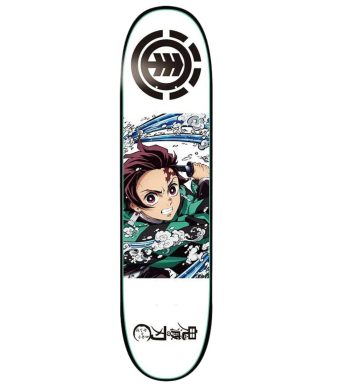

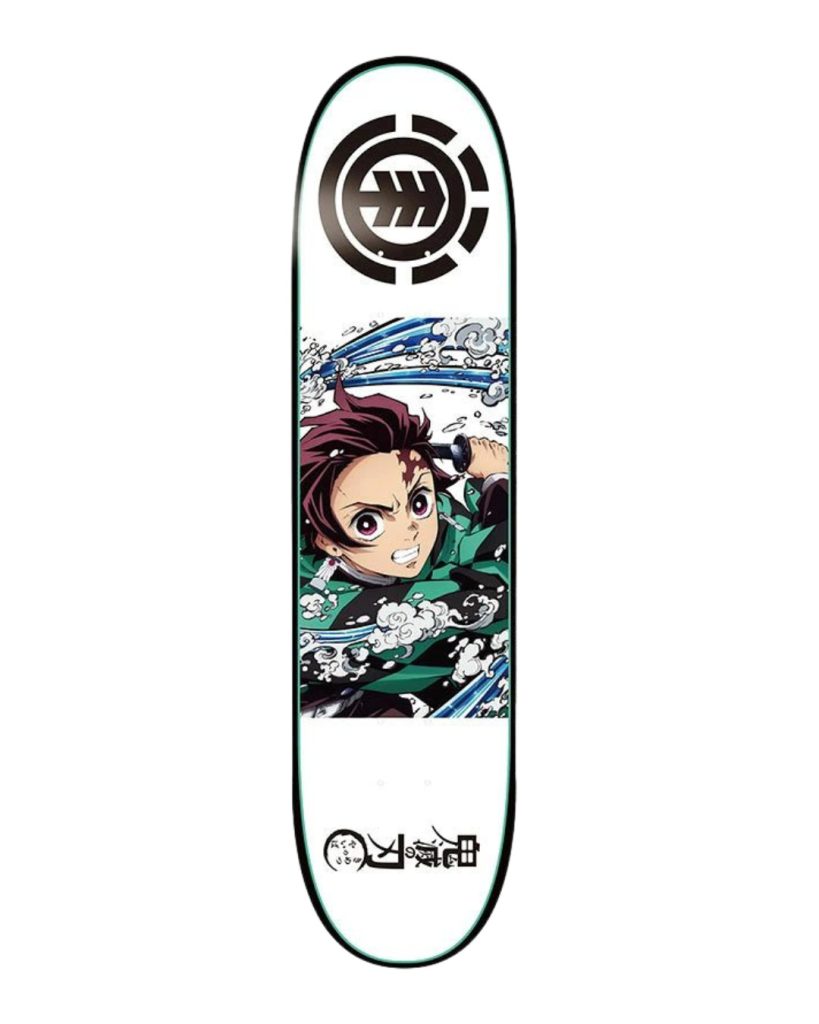
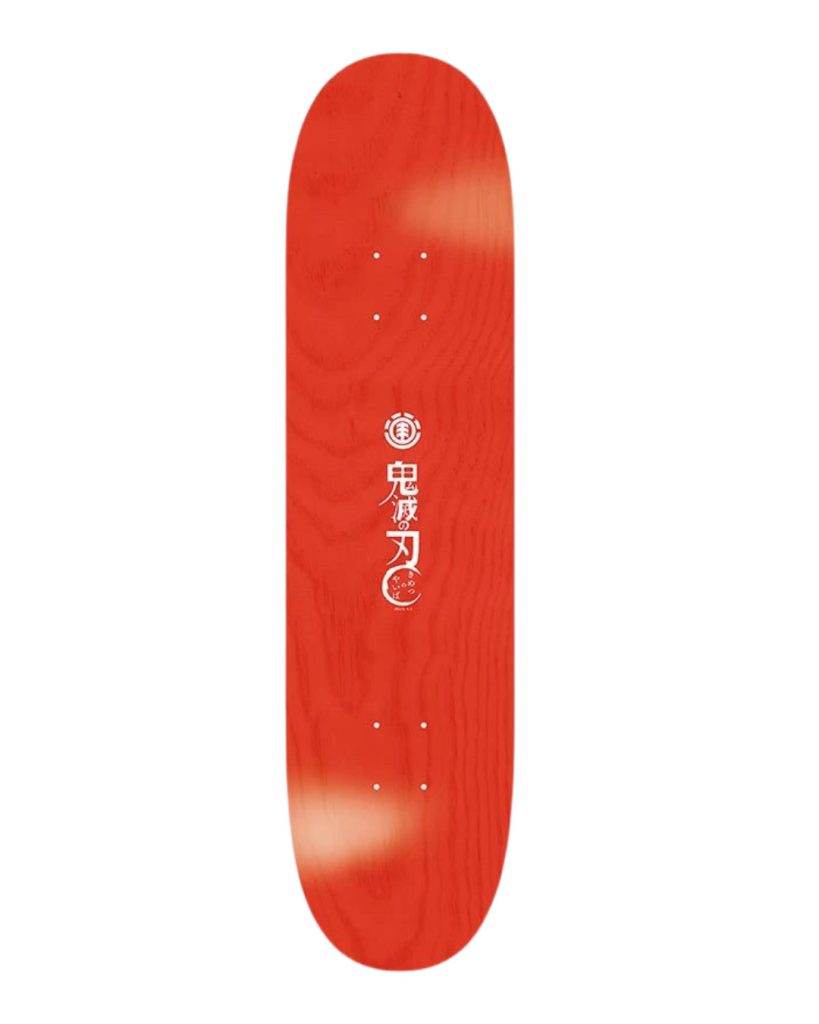
Element x Demon Slayer: Kimetsu no Yaiba Skateboard Deck
Element Skateboards has released a limited-edition skateboard deck series in collaboration with Demon Slayer: Kimetsu no Yaiba. Each deck features bold, hand-inspired artwork drawn directly from the anime’s iconic visual language.
- Brand: Element
- Collection: Demon Slayer: Kimetsu no Yaiba collaboration
- Dimensions: The deck is typically 8.0 inches wide
- Graphic: Features Tanjiro Kamado with a circular Element logo at the top
Moreover, the license here flows from a franchise toward a skate brand, not from a fine-art context. Element produces decks continuously, and all element skateboard decks in its collaboration range use standard 7-ply Canadian maple construction. The brand theme of Element, the four elements of nature, connects to the world of Demon Slayer through graphic art on the boards. That graphic is well-executed. But great graphics on a wide product run do not create the constrained supply that pushes secondary market prices.
For new collectors, think of it this way: a Marvel t-shirt and a Marvel concept painting both carry the Marvel IP. One is a commodity. The other is singular. The anime license alone does not tell you which category a deck falls into. Volume does. For this deck, the volume is high, and the collector floor reflects that.
Still, this deck belongs in your wall display if you love the IP. Just do not expect it to outperform a Supreme release on the secondary market. Buy it for the art, not the investment thesis.

Explore the full collection
Figures, art toys & limited editions, shipped across Europe from France.
Myth 2: mint riding condition is what collectors check first
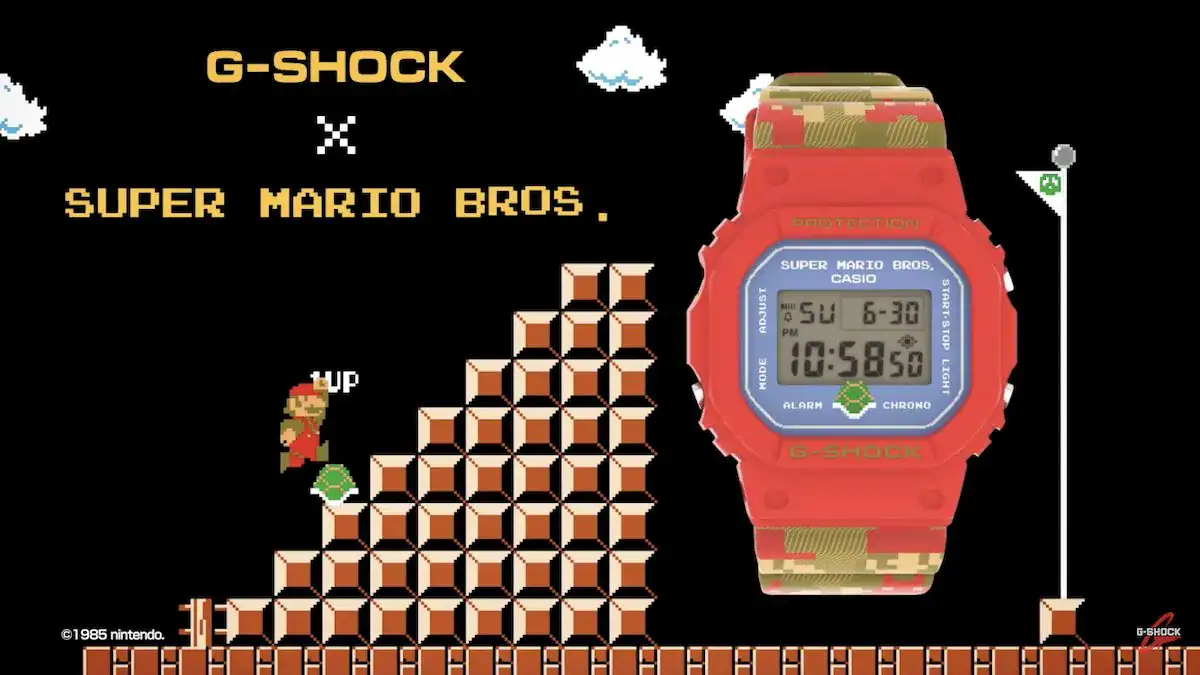
#3: THREEWEATHER Super Mario Collaboration Skateboard
New collectors almost always fixate on “is it unridden?” as their first question. For most licensed decks, that is the wrong first question. The better question is: who made it, and how many exist?
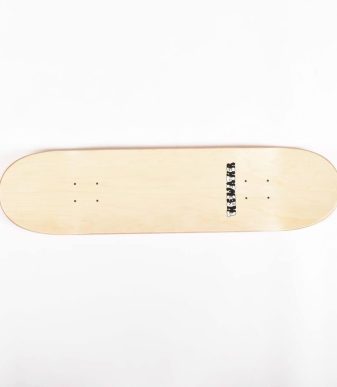
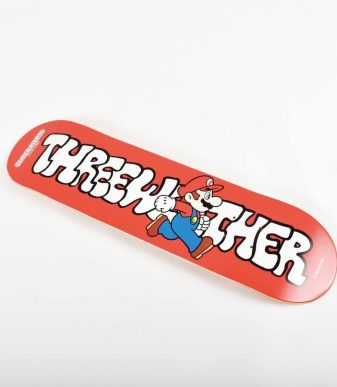
The THREEWEATHER Super Mario collaboration skateboard is a strong example of a deck where condition matters less than context. Nintendo’s IP carries enormous recognition globally. However, the Super Mario licence appears on hundreds of products across dozens of categories every year. THREEWEATHER, the Japanese maker behind this deck, produces quality hardware. But the key collector variable here is not whether the deck has ever touched asphalt. It is whether the license pairing creates a genuinely scarce object in a defined collector market.



THREE WEATHER x Super Mario Skateboard Deck
THREE WEATHER has produced a limited-edition skateboard deck featuring iconic Super Mario imagery rendered in vivid, collectible-grade print. The deck functions as both a rideable board and a standalone art object. THREE WEATHER executes the collaboration with the tight detail work the brand is known for.
In contrast to anime decks aimed at mass retail, the Japanese market does treat novelty collaboration hardware with more seriousness. Japanese collectors often track production runs carefully and pay premiums for regional exclusives. That context gives this deck more weight than a Western mass-market Mario product. Even so, without a verified limited print number or a documented sell-out moment, condition arguments remain secondary to provenance arguments.
For new collectors, the analogy is a trading card. A PSA 10 of a common card is still a common card. A PSA 7 of a short-print is worth more. Condition grades matter inside a tier of scarcity. They do not move a deck between tiers. First, confirm what tier your deck occupies. Then worry about condition.
Myth 3: a shaped deck always beats a standard popsicle board
#2: HUF x Steven Harrington Natural 8.25″ (21 cm) Skateboard Deck
The shaped-deck myth is the most persistent one. Collectors assume that anything deviating from a standard popsicle shape carries an automatic premium, because it signals craft or limited production. That logic fails repeatedly, and the HUF x Steven Harrington Natural proves it.
Steven Harrington is an LA-based artist and designer, co-founder of design firm National Forest, and a leader of a contemporary Californian psychedelic-pop aesthetic. His portfolio spans large-scale installations, hand-screened prints, limited-edition books, skateboards, and sculptures, with exhibitions in LA, New York, Paris, Berlin, Milan, Barcelona, and Tokyo. That resume is what drives the deck’s collector value, not its silhouette.
This limited-edition HUF x Steven Harrington collection highlights the Los Angeles-based artist through a premium 7-ply maple deck featuring Harrington’s signature HUF “Skate Rat” character. The shape is a classic popsicle. The 8.25″ (21 cm) width is completely standard. Nothing about the geometry is unusual. Yet this deck commands collector attention because Harrington’s artist credibility is real, the collaboration with HUF carries street-culture weight, and the “Skate Rat” character belongs to a defined visual universe that fans actively collect.
Additionally, the HUF x Steven Harrington collection features original artwork that Harrington designed specifically for this collaboration. Custom artwork, not repurposed IP, built for a specific drop. That specificity matters enormously in collector markets.
Standard shape. High collector signal. The myth is dead.
Explore the full collection
Figures, art toys & limited editions, shipped across Europe from France.
What actually separates collector-grade licensed skate decks
Before reaching the top-ranked deck, here is the framework every new collector needs. These four factors determine whether a licensed deck holds and grows value, regardless of shape or IP name.
| Factor | High Collector Signal | Low Collector Signal |
|---|---|---|
| Artist credibility | Established fine-art or street-art career | Studio-produced IP graphic only |
| Brand heritage | Brand with documented drop culture | General sports/action sports brand |
| Edition size | Verified limited run, documented sell-out | Wide SKU range, ongoing availability |
| Cross-market demand | Skate, art, and streetwear collectors all want it | One audience only |
Apply that table to every deck before you buy. Similarly, ask yourself: if the IP were removed, would anyone still want this object? If the answer is yes because of the brand or artist, you have a stronger piece. If the answer is no, you have licensed merchandise.
The licensed skate deck collectors actually fight over
#1: Supreme x Futura Skateboard Olive
This is the deck that makes the myths collapse entirely. The Supreme x Futura Skateboard in Olive carries a standard popsicle shape. It has no special silhouette, no die-cut edge, no oversized graphic novelty. And it sits at the top of this list by a wide margin.

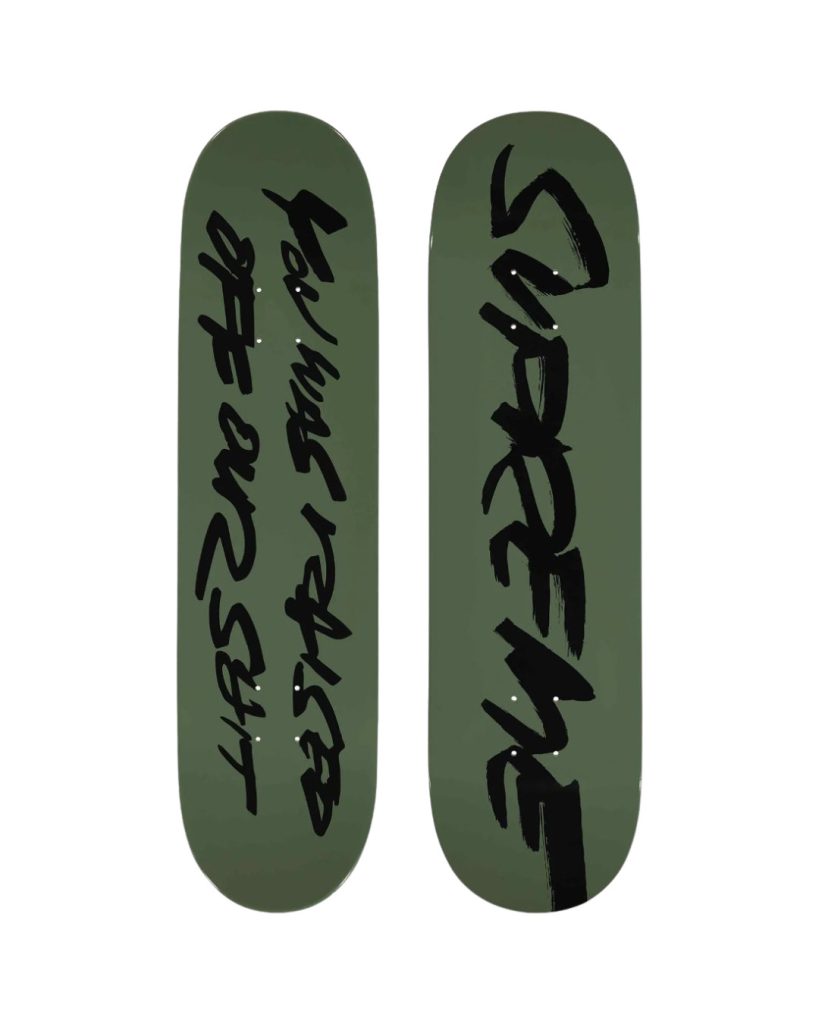
Supreme x Futura Skateboard Deck (Olive)
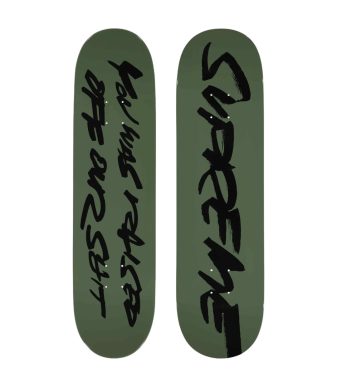
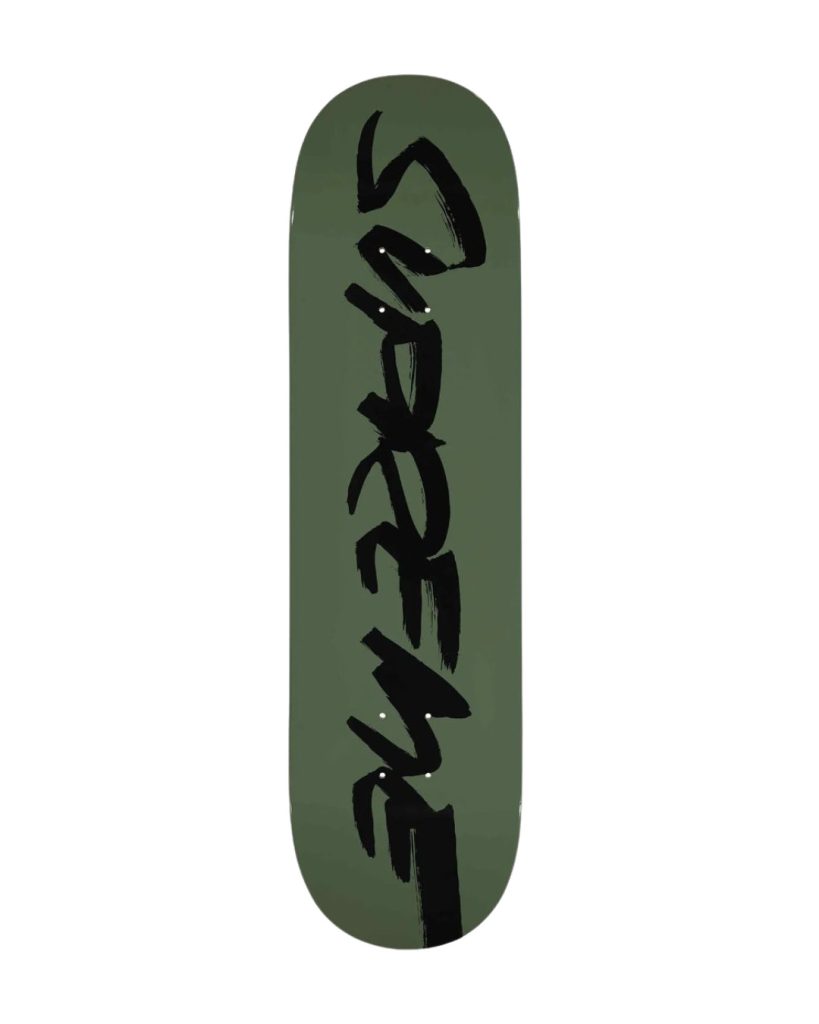
This skateboard deck features original artwork by Futura, rendered in a signature olive colorway. The deck is crafted from 7-ply Canadian maple, it’s ultra-durable and responsive. Its mellow concave design provides optimal control and stability.
Supreme released the Futura Skateboard in Spring/Summer 2024. The full-dipped Supreme skate deck carries printed graphics on both top and bottom, with original artwork by Futura. The Olive colorway measures 8.375″ (21 cm) x 32″ (81 cm), a perfectly ordinary dimension. What makes it extraordinary is who made the art.
Futura, born Leonard Hilton McGurr, pioneered abstract graffiti in New York during the early 1980s. One of the most distinctive features of Futura’s work is his abstract approach to graffiti art: while most graffiti artists in the 1980s focused on lettering, Futura pioneered abstract street art. Supreme has collaborated with Futura across multiple seasons precisely because that legacy carries weight with skate culture, streetwear culture, and fine-art collectors simultaneously. That three-audience overlap is the rarest thing in this market.
Furthermore, Supreme drop culture creates a specific secondary market dynamic that anime brands simply do not replicate. Supreme drops on a set weekly calendar, sells out fast, and the brand deliberately restricts supply. Because of this, even a “standard” deck from a strong Supreme season holds premium secondary pricing. The Olive colorway specifically benefits from colorway scarcity within the drop, since Olive tends to sell faster than neutral alternatives in Supreme’s audience.
Most importantly, consider the cross-market demand. Skate collectors want it because Supreme is foundational skate culture. Streetwear collectors want it because Supreme is the dominant drop brand. Art collectors want it because Futura’s work appears in galleries. Three separate collector bases chasing one object. That is the formula.
Collector pick: Supreme x Futura Skateboard Olive
If you can only add one licensed skate deck to your collection right now, the Supreme x Futura Olive at Rare Inventory is the clear choice. Artist credibility, brand drop heritage, and cross-market demand all align in one standard-shaped popsicle. Additionally, browse the Takashi Murakami Iikoto Chan Waruikoto Kun Skate Deck for another example of fine-art credibility driving deck value independently of shape.
How to judge a licensed deck before buying one
| Deck | Artist Credibility | Brand Drop Culture | Edition Clarity | Collector Tier |
|---|---|---|---|---|
| Element x Demon Slayer | IP-driven, no named artist | Moderate | Wide, 16-item range | Fan collectible |
| THREEWEATHER x Super Mario | IP-driven, Japan-market focus | Regional | Unclear print run | Novelty/fan |
| HUF x Steven Harrington Natural | Strong, established artist | High (HUF collab culture) | Limited edition | Art-skate crossover |
| Supreme x Futura Olive | Foundational, gallery-shown artist | Highest (Supreme drop) | Season-limited | Premium collector |
First, identify the artist behind the graphic. A named, career-established artist matters far more than IP brand recognition. Second, research the brand’s drop history. Brands with documented weekly drops and genuine sell-out culture create tighter secondary markets. Third, confirm edition context: a 16-SKU lineup and a single-colorway season drop are fundamentally different objects. Finally, test the three-audience question: does this deck attract skate, art, and streetwear collectors independently? The more audiences it crosses, the stronger the floor.
For fans of collectible artist works across formats, the Kaiyodo x Takashi Murakami Complete Figure Set (2003) and the BoTT x Verdy Visty Vinyl Figure demonstrate the same principle: artist credibility and brand specificity beat generic licensing every time, whether the canvas is a deck, a figure, or a vinyl toy.
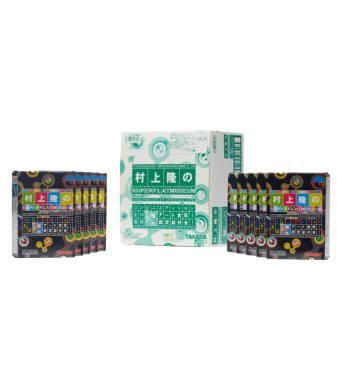

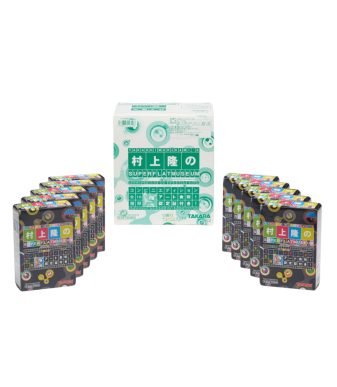
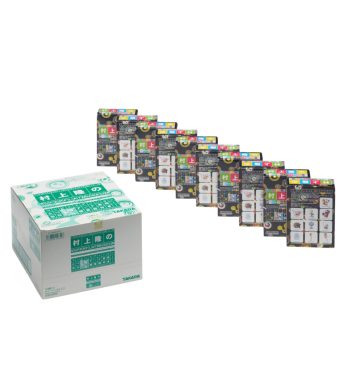
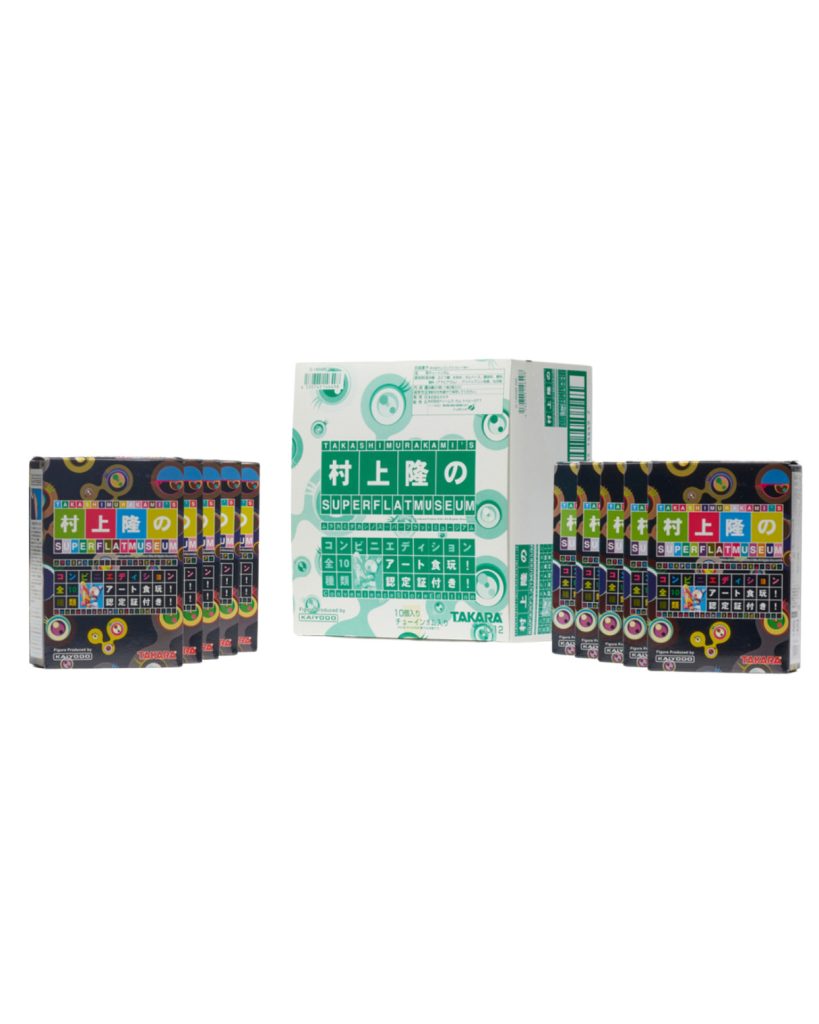
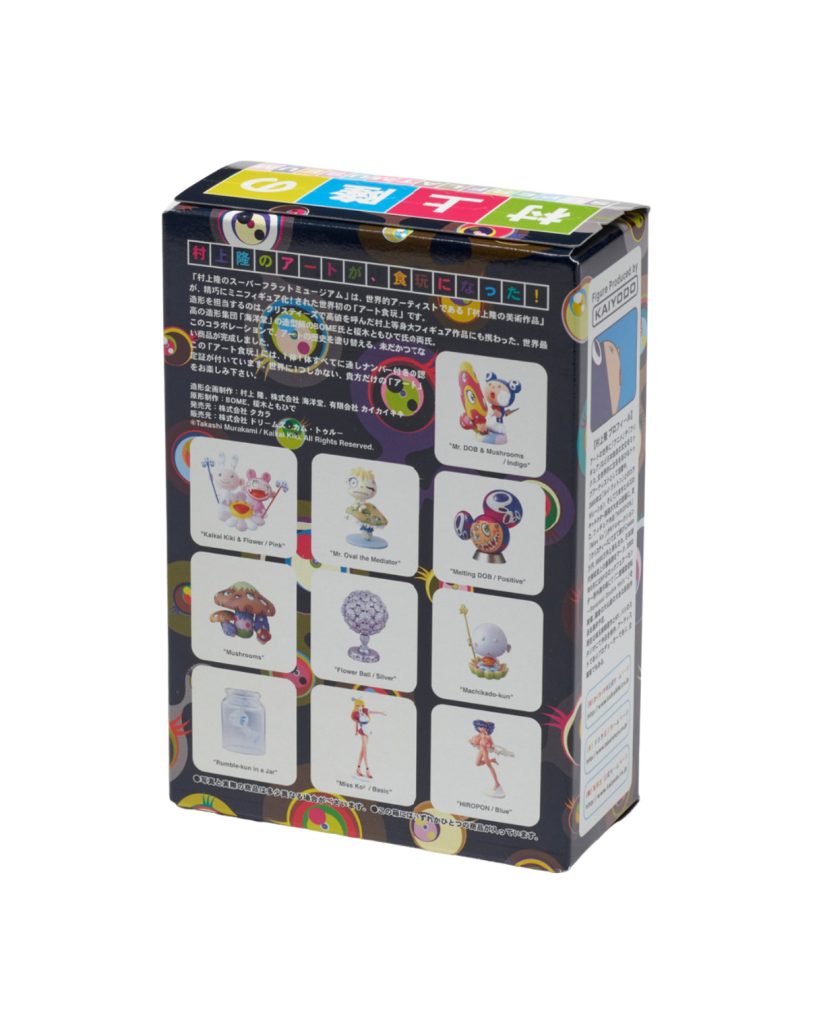
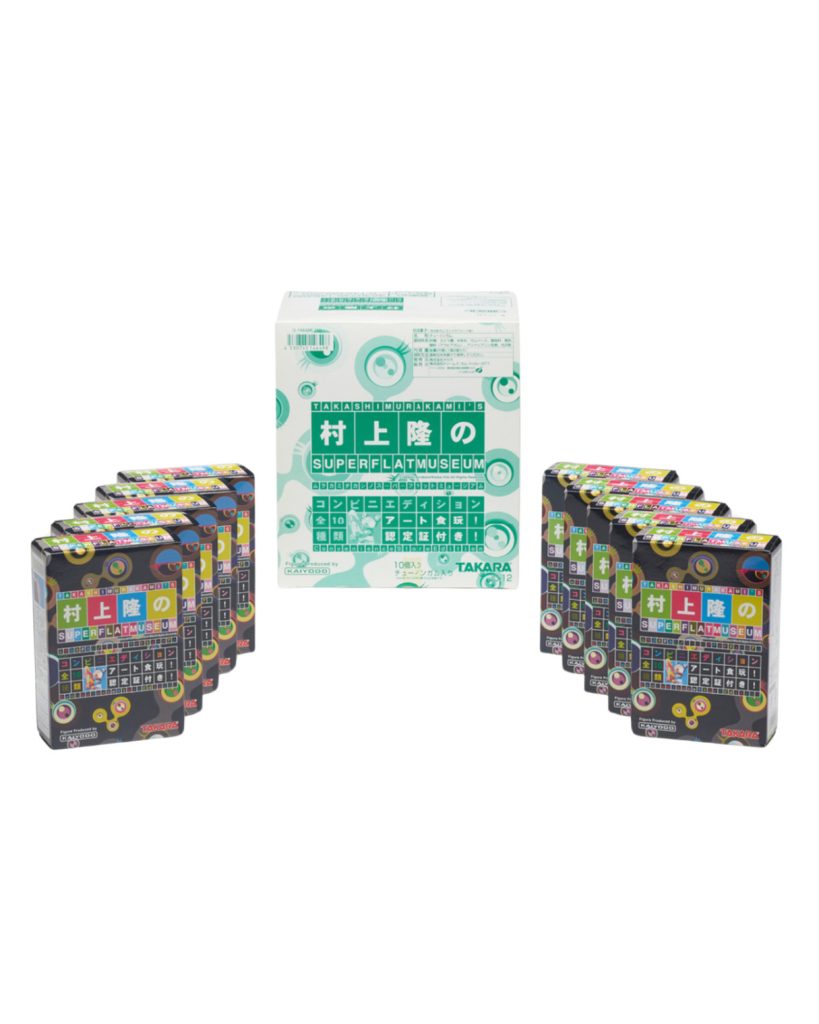
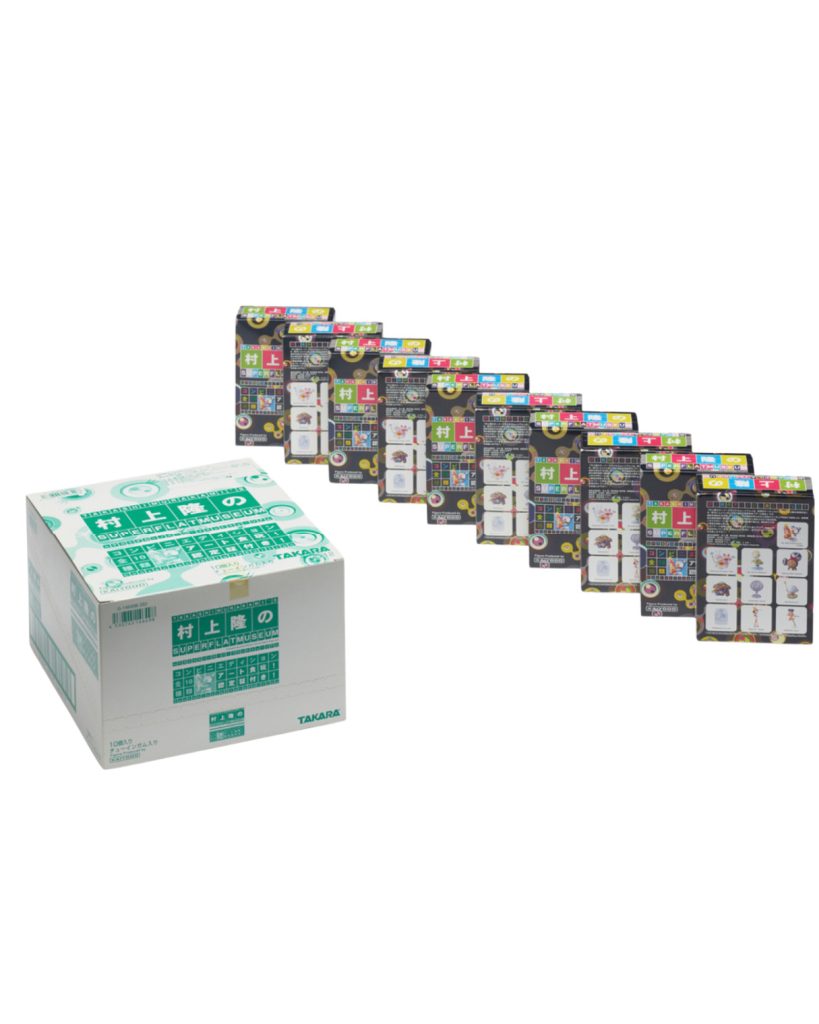
Kaiyodo Takara x Takashi Murakami Complete 10 Figure Set (2003)
Discover a rare and highly sought-after Takashi Murakami collectible figure set, produced by the renowned Japanese manufacturer Kaiyodo in Osaka and officially published by Kaikai Kiki Co., Ltd. in Tokyo. This complete collection includes ten figures and comes with its original packaging, making it a standout piece for collectors of contemporary art, designer toys, and Japanese pop culture.
Limited to just 30,000 sets worldwide, this edition represents the unique artistic vision of Takashi Murakami, whose work blends traditional Japanese art with anime, manga, and contemporary culture.
Where to buy licensed skate decks
Rare Inventory, based in France, carries a curated selection of collector-grade licensed skate decks and ships across Europe. Every piece ships directly to your door, regardless of your location. Visit rareinventory.com to browse current stock, including the Supreme x Futura Olive and Murakami-era skate art.
Frequently asked questions
Does riding a licensed skate deck destroy its collector value?
For most licensed collector decks, yes, riding removes wall-display condition and eliminates resale premium. However, condition ranks below scarcity and artist credibility in determining value tier. A ridden Supreme x Futura still outperforms an unridden mass-market anime deck in most markets.
Are all element skateboard decks good for collecting?
Not equally. All element skateboard decks use quality construction, but collector value depends on the collaboration partner, not the base board. Element drops with documented limited runs and fine-art partnerships carry more collector weight than wide IP licensing runs.
Why do Supreme skate decks hold value better than most licensed decks?
Supreme combines a weekly drop calendar, genuine sell-out culture, and collaborations with career artists across skate, fine art, and streetwear. That three-audience overlap creates durable demand on the secondary market. Most licensed skate decks attract only one collector audience, which limits the price ceiling.
What does 7-ply maple mean for a collector deck?
Seven-ply Canadian or hard rock maple is the standard construction for professional skateboard decks. For collectors, it signals that the deck performs as a real skate tool, not a novelty product. Premium collector decks like the HUF x Steven Harrington Natural use this construction precisely to signal authenticity to both skate and art audiences.
The Shop
Available Now at Rare Inventory
Pieces related to this article, in stock and ready to ship.


100% Authentic Shipped from France Free Shipping Over €200