The Rise of Japanese Pop Art Collectibles in Europe
Why European Collectors Are Going All In on Japanese Pop Art
Something significant has shifted in the European collector market over the past three years. Japanese pop art collectibles, once the domain of specialist importers and Tokyo-based dealers, now command serious attention from Paris to Berlin to Amsterdam. Auction results confirm it, secondary market premiums confirm it, and the growing waitlists at specialist retailers confirm it. This is not a passing trend. This is a structural realignment of where serious collecting capital is flowing.
The global collectibles market is projected to hit $480.75 billion (about €428.7 billion) by 2033, driven by digital marketplaces, nostalgia-led demand, and rising investment appeal. However, what separates Japanese pop art from generic collectibles is cultural density. Every release carries layers of meaning: otaku subculture, manga aesthetics, kaiju mythology, and street art influences that Western markets are only beginning to fully decode. For European collectors who do their homework, that knowledge gap is an opportunity.
Meanwhile, international art toy fairs are expanding aggressively. Events connecting Asian and European collector communities are accelerating cross-cultural discovery. The pipeline of desirable Japanese product reaching European hands has never been stronger, and smart collectors are positioning now.
Understanding the Japanese Pop Art Ecosystem
The Artists Who Built This Movement
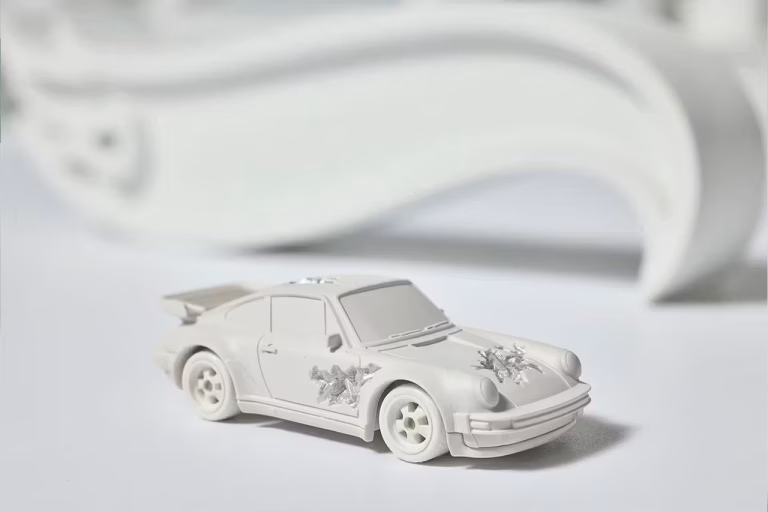
Two names dominate any serious conversation about Japanese pop art as a collectible category. Takashi Murakami essentially created the commercial framework that made Japanese pop art globally tradeable. His Superflat theory connected traditional Japanese aesthetics to contemporary consumer culture, and his limited edition prints, figures, and collaborations created the blueprint every serious Japanese pop artist follows today. Additionally, KAWS, though American, built his career language directly from the Japanese toy and figure tradition, demonstrating how deeply Japanese aesthetics had already penetrated global collector culture.

Beyond Murakami, artists operating through Medicom Toy have produced some of the most aggressively traded figures in Europe. BE@RBRICK releases, particularly the 1000% scale pieces, regularly trade at three to five times retail on the secondary market. European collectors who secured Murakami x BE@RBRICK pieces at original retail have seen returns that outperform many traditional asset classes.
TCG as Pop Art: The Card Collecting Dimension
European collectors increasingly treat Japanese trading card games not as games but as art objects and investment vehicles. The Japanese OCG versions of Pokémon TCG and Yu-Gi-Oh! consistently carry premium aesthetics over their English counterparts. Japanese card design prioritizes art quality in ways the Western print runs simply do not match.
The White Flare Booster Box from the Pokémon TCG and the Black Bolt Booster Box from the Pokémon TCG represent exactly the kind of Japanese-market product European collectors are chasing. Pull rates on Japanese sets tend to be more generous for ultra-rare cards than Western equivalents, and the alternate art cards from Japanese sets regularly outperform their English counterparts at PSA graded auctions. PSA 10 copies of Japanese alternate arts from premium sets now regularly command four-figure sums in euros.
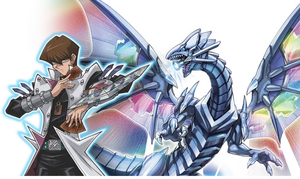
For Yu-Gi-Oh! specifically, the Japanese OCG market operates as a completely separate ecosystem from the Western TCG. The Special Pack Selection 10 SLT1 Japanese Yu-Gi-Oh! OCG and the Doom of Dimensions Box Japanese Yu-Gi-Oh! OCG are Japan-exclusive products that carry art treatments and card rarity tiers unavailable anywhere outside the Japanese market. European collectors who understand this distinction are sourcing these directly and treating sealed product as a store of value.


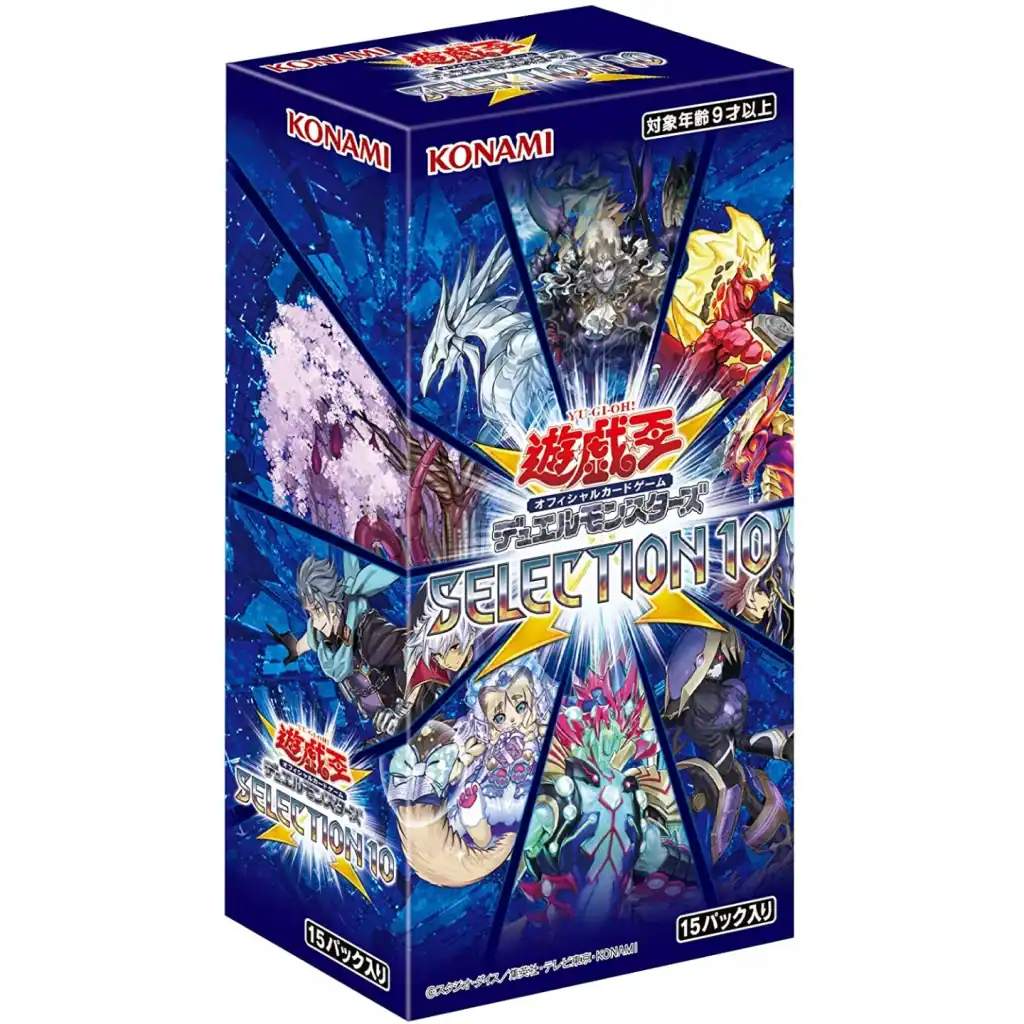

Selection 10 Booster Box – Japanese Edition | Yu-Gi-Oh! OCG
The Yu-Gi-Oh! OCG – Special Pack “Selection 10” [SLT1] (Japanese) is a highly sought-after release that brings together some of the most popular and competitive cards from across the Yu-Gi-Oh! universe. Designed for both duelists and collectors, this pack reintroduces fan-favorite themes with updated artwork, premium rarities, and exclusive Japanese-only prints.
Market Dynamics: What Drives Value in European Sales
The PSA Grading Effect
PSA grading has fundamentally changed how European collectors interact with Japanese cards. First, grading authenticates Japanese-language product for buyers unfamiliar with the originals. Additionally, a PSA 10 label creates a universal value language that transcends language barriers. As a result, graded Japanese cards now trade fluidly across European collector communities in France, Germany, the UK, and the Benelux countries.
However, the grading economics require attention. Japanese cards, particularly those from sealed Japanese booster boxes, tend to grade at higher PSA 10 rates than English cards due to superior print quality and handling standards at the factory level. For collectors opening sealed Japanese product, the economics of grading strong pulls are significantly more favorable than with Western product.
Explore the full collection
Figures, art toys & limited editions — shipped across Europe from France.
Figure Market: Banpresto and Beyond
Banpresto prize figures represent the accessible entry point into Japanese pop art collectibles, but serious collectors look beyond the prize tier. Good Smile Company Nendoroids and scale figures from Kotobukiya carry genuine collector premiums in European markets, particularly for discontinued or limited-run pieces. The art toy market is projected to maintain strong growth through 2035, and Japanese figures occupy the premium tier of that market globally.


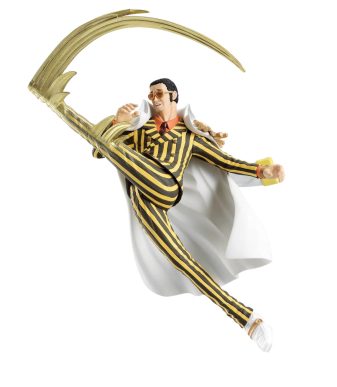
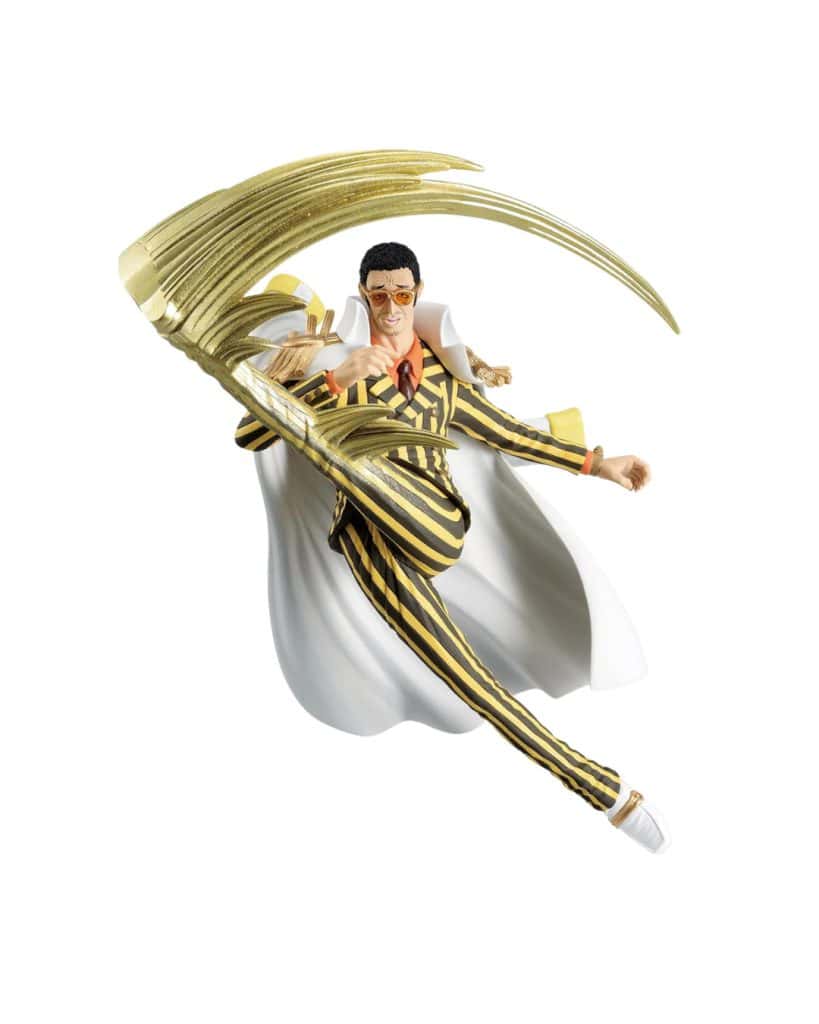
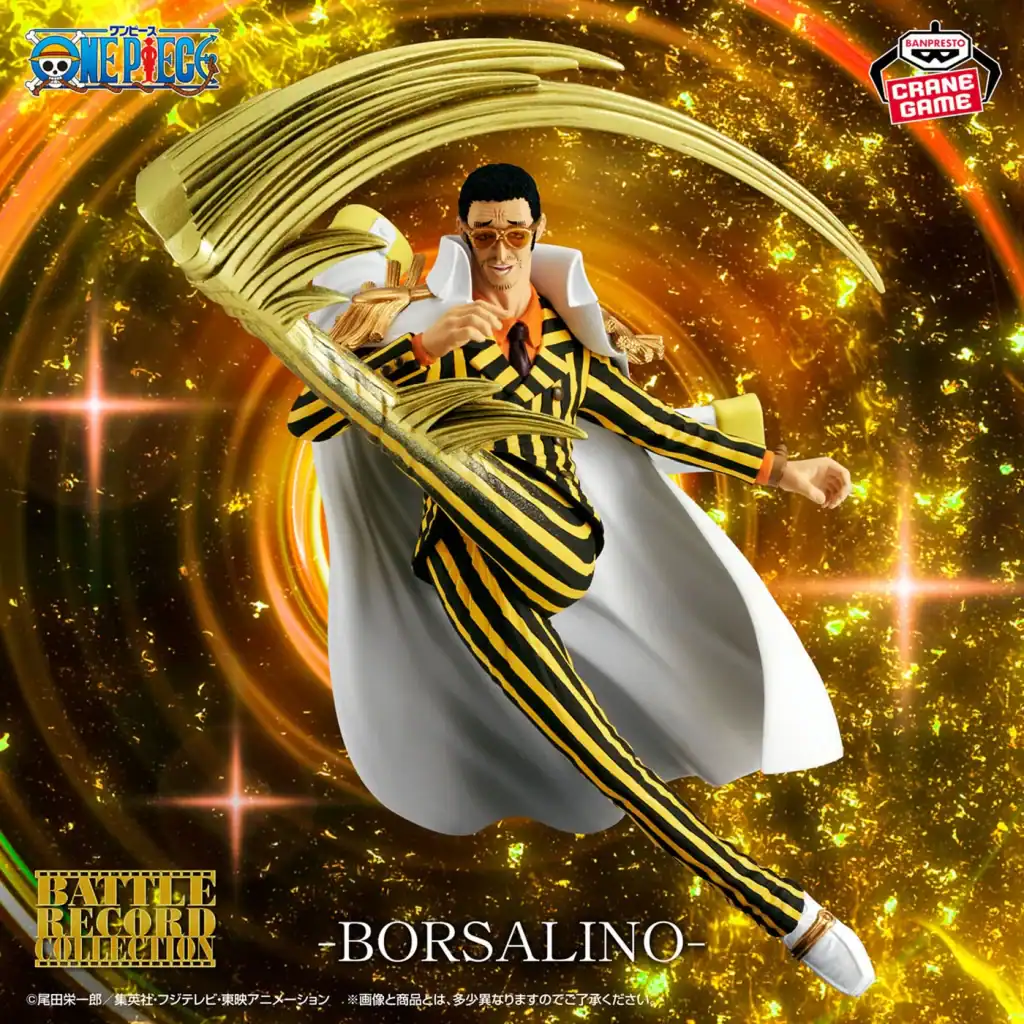
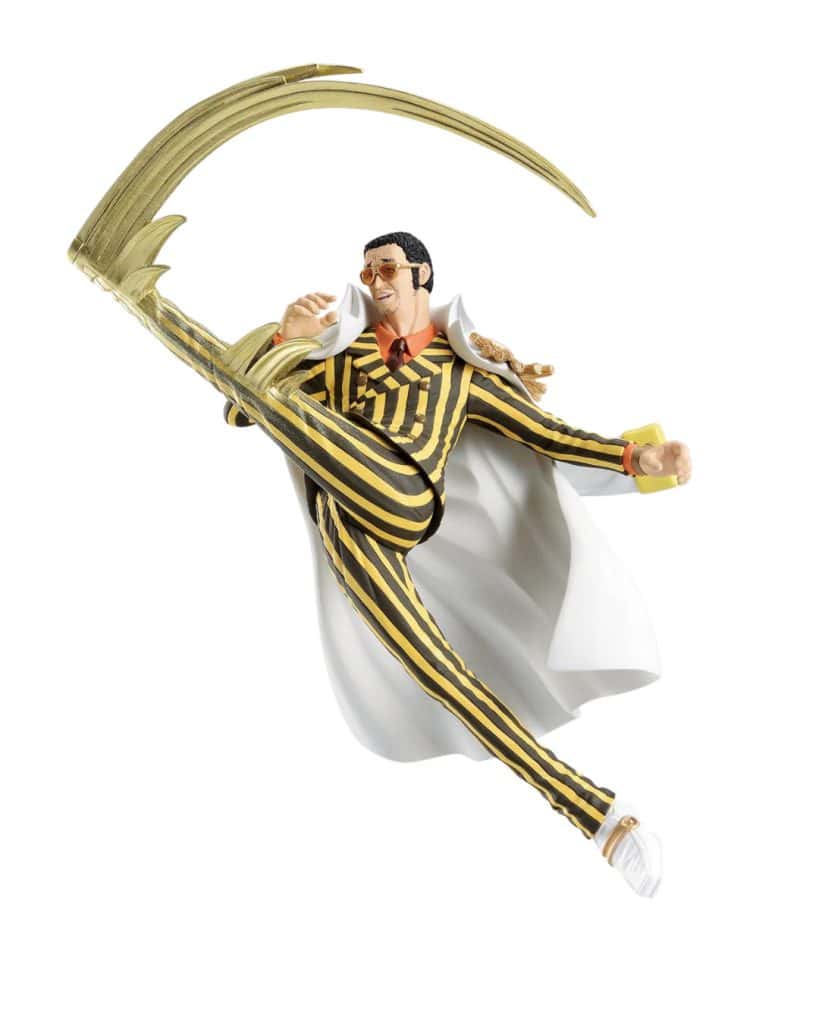
Borsalino Battle Record Collection Figure One Piece | Banpresto
The Admiral of Light moves at the speed of, well, light. This Battle Record Collection figure by Banpresto captures Borsalino, better known as Kizaru, in a dynamic three-dimensional action pose, golden light radiating from his Pika Pika no Mi powers and that signature lazy expression that hides one of the most devastating abilities in the entire One Piece world.
In contrast to the Western art toy scene, Japanese figure production applies industrial precision to character art. The gap between a premium Japanese scale figure and a Western vinyl art toy in terms of craft is significant. European collectors trained on Western design are often genuinely surprised when they encounter the detail level of high-end Japanese production. That discovery moment is accelerating European adoption.
| Product Type | Japanese Market Premium | European Secondary Demand | PSA Grading Potential |
|---|---|---|---|
| Japanese Pokémon TCG Booster Box | High | Very High | Strong (superior print quality) |
| Japanese Yu-Gi-Oh! OCG Box | Very High (OCG exclusives) | High and growing | Moderate to Strong |
| Medicom BE@RBRICK 1000% | Extreme (artist collabs) | Very High | N/A (figure category) |
| Good Smile Scale Figure | Moderate to High | Growing | N/A (figure category) |
Sealed vs. Graded: The Strategic Question Every Collector Must Answer
The Case for Sealed Product
Sealed Japanese booster boxes hold value in a fundamentally different way than graded singles. First, sealed product preserves optionality. You can open and grade, hold as sealed investment, or sell as sealed. That flexibility commands a premium in itself. For products like the Black Bolt and White Flare Pokémon sets, sealed boxes from the initial Japanese print run carry scarcity that only compounds over time. Japanese first-print sealed product is finite. European demand is not.
Beyond that, sealed product photographs, stores, and displays in ways that resonate with the broader art and design culture that Japanese pop art already occupies. A sealed Japanese booster box displayed alongside Murakami prints and Medicom figures reads as a coherent collector statement. That curatorial dimension matters more in Europe’s design-conscious collector culture than most people acknowledge.
The Case for Graded Singles
However, graded singles deliver the highest single-item return ceiling. A PSA 10 copy of a Japanese alternate art ultra-rare from a premium set can outperform an entire sealed box in value. For collectors with less capital to deploy, picking strong graded singles from Japanese sets offers a more liquid and concentrated position. The secondary market for PSA graded Japanese cards in Europe has deepened substantially over the past 24 months, and liquidity is no longer the obstacle it once was.
| Strategy | Capital Required | Liquidity | Upside Ceiling | Risk Level |
|---|---|---|---|---|
| Sealed Japanese Booster Box | Medium to High | Moderate | High (long hold) | Low to Medium |
| PSA 10 Japanese Singles | Low to Medium | High | Very High | Medium |
| Limited Japanese Figures | High | Low to Moderate | Very High | Medium |
Cultural Context: Why Japan-to-Europe Is the Most Interesting Collector Corridor Right Now
The NFT Parallel That Actually Matters
The NFT market peaked, crashed, and partially recovered, but the collector behavior it revealed was important. Digital ownership culture normalized the idea of collecting intangible or culturally coded objects at significant price points. Japanese pop art collectibles, both physical cards and figures, benefit from exactly that normalized collector psychology. The audience trained to pay serious money for digital art objects has partially migrated back to physical Japanese collectibles, which offer the cultural cachet of NFTs plus the tangibility premium that digital assets can never deliver.
The collectibles forecast projecting $480 billion (about €428 billion) in market size by 2033 treats physical and digital as parallel categories. For Japanese pop art, the physical object always wins on emotional resonance. That is where the European collector market is placing its conviction.
Explore the full collection
Figures, art toys & limited editions — shipped across Europe from France.
Japanese Aesthetics and European Design Culture
SEGA‘s influence on figure culture, Takara Tomy‘s decades of precision toy manufacturing, and the broader ecosystem of Japanese pop aesthetics have produced a visual language that European design culture recognizes and respects. For example, the minimalist but emotionally loaded character design of premium Japanese figures aligns naturally with European modernist design sensibilities. This is not cultural appropriation. This is genuine aesthetic convergence, and it is driving real collector demand.
Additionally, the Japanese approach to limited production, regional exclusivity, and intentional scarcity mirrors the luxury goods logic that European collectors already understand from the watch and fashion markets. A Japanese market-exclusive release with a print run of 3,000 units speaks the same language as a limited Swiss watch reference. European collectors translate that logic immediately.
Rare Inventory Recommends
If you are entering the Japanese pop art collectible space from Europe, start with sealed Japanese TCG product. The White Flare Booster Box and Black Bolt Booster Box are the right entry points: genuine Japanese market product, strong pull rates, and proven secondary demand. For Yu-Gi-Oh! collectors, the Doom of Dimensions Box Japanese OCG is an OCG-exclusive product that Western markets cannot replicate. These are not casual purchases. These are collector positions.
Where to Buy
Rare Inventory is the specialist source for Japanese pop art collectibles in Europe. Based in France and shipping across Europe, Rare Inventory carries authentic Japanese market product including sealed TCG boxes, OCG exclusives, and premium collectibles that European collectors are actively seeking. Browse the full selection at rareinventory.com and position your collection ahead of the wider European market shift that is already underway.

Frequently asked questions
Why do Japanese TCG versions command higher premiums than English editions?
Japanese TCG cards use superior print quality and carry alternate art cards and rarity tiers unavailable in Western print runs. Additionally, Japanese sets often have more favorable pull rates for ultra-rare cards. PSA grading further rewards this quality differential, with Japanese cards achieving PSA 10 grades at higher rates than their English counterparts. For European collectors, this quality and scarcity combination justifies the import premium.
Is sealed Japanese booster product a legitimate investment category?
Yes. Sealed first-print Japanese booster boxes from premium sets have demonstrated consistent appreciation over multi-year hold periods. The key variables are print run size, set desirability, and condition of the sealed box itself. Storage in climate-controlled conditions is non-negotiable for serious investment-grade sealed product. The secondary market for sealed Japanese product in Europe has deepened significantly, making exit liquidity far more accessible than it was five years ago.
What is the difference between Japanese Yu-Gi-Oh! OCG and the Western TCG?
The Japanese OCG and Western TCG operate as entirely separate product lines under Konami. OCG releases include card designs, rarities, and set configurations that never appear in Western TCG releases. Products like the Special Pack Selection 10 SLT1 and the Doom of Dimensions Box are OCG-exclusive, meaning Western collectors who want them must source from Japan or specialist European importers. That exclusivity is exactly what drives their collector premium.
How should a European collector start building a Japanese pop art collection?
First, choose your category: TCG cards, figures, or artist-collaboration pieces. Each requires different expertise and capital. For TCG, start with sealed Japanese booster product from established sets with proven secondary demand. For figures, focus on limited runs from premium manufacturers like Good Smile Company and Medicom Toy. In all categories, condition and authenticity documentation are critical. Buying from specialist retailers who source directly from Japan eliminates the authentication risk that plagues generic secondary market purchases.
The Shop
Available Now at Rare Inventory
Pieces related to this article, in stock and ready to ship.


100% Authentic Shipped from France Free Shipping Over €200