How to Spot a Fake Figure: Authentication Guide for Anime Collectibles
The counterfeit anime figure market is a billion-dollar problem. Bootleg manufacturers in Guangdong province have gotten frighteningly good, and the gap between a convincing fake and a legitimate piece has narrowed to details that most casual buyers completely miss. If you are spending real money on anime collectibles, you need to know exactly what separates a licensed Banpresto from a factory knockoff, and why getting it wrong costs you more than just the purchase price. It costs you credibility.
This guide is not for beginners who picked up a random figure at a convention. This is for collectors who treat authentication as a non-negotiable step in every acquisition, whether you are building a focused Kaiyodo collection or hunting grail-level statues on the secondary market.
Why Fakes Are More Dangerous Now Than Ever
Five years ago, spotting a bootleg was relatively simple. Soft plastic, muddy paint apps, warped bases. Today, counterfeiters are working from stolen production molds, using comparable PVC grades, and shipping product in near-perfect box reproductions. Some fakes are so convincing they have passed through major Japanese proxy services without being flagged.
The financial stakes have also shifted. Collector figures from established manufacturers like Kaiyodo, Good Smile Company, and Kotobukiya routinely hold and appreciate in value. A sealed, authentic piece from a limited run carries genuine resale equity. A fake carries zero. Worse, if you unknowingly sell a counterfeit, you inherit legal and reputational liability that no collector wants.
The Japanese domestic market operates on trust in manufacturer provenance. Sellers on Surugaya, Mandarake, and Yahoo Japan Auctions have built reputations around authenticity. When you bypass those channels for a suspiciously cheap listing on a generic marketplace, you are gambling with authentication, not bargaining.
The Five Core Authentication Checks
Box Integrity and Licensing Text
The box is your first line of defense. Authentic Japanese figures carry specific licensing text, typically in both Japanese and English, that bootleggers frequently get wrong. Look for the manufacturer logo placement, copyright year formatting, and the barcode structure. Japanese barcodes for domestic releases begin with 4, and the digits following encode the manufacturer. Cross-reference that barcode against manufacturer databases or collector community resources.
Print quality on authentic boxes is sharp and consistent. Bootleg boxes often show color banding on gradients, slightly off-register printing, and font kerning that is marginally wrong. These are subtle, but once you train your eye on confirmed authentic packaging, the inconsistencies become obvious. Compare the pantone accuracy of the box art against official manufacturer photos. Blues and reds are the most commonly mismatched colors in counterfeit printing.
Holographic seals and tamper-evident stickers vary by manufacturer. Bandai Spirits and Banpresto use specific seal designs that change with production runs. Fakes often reproduce these seals but the holographic effect is flat, lacking the depth shift you see when tilting a genuine sticker.
Plastic Quality and Seam Lines
PVC quality is the most tactile authentication point. Authentic figures from major manufacturers use a specific grade of PVC that has a particular weight and density. Pick up the figure. Genuine pieces feel substantial. Many bootlegs feel hollow or have an inconsistent weight distribution because the plastic wall thickness varies.
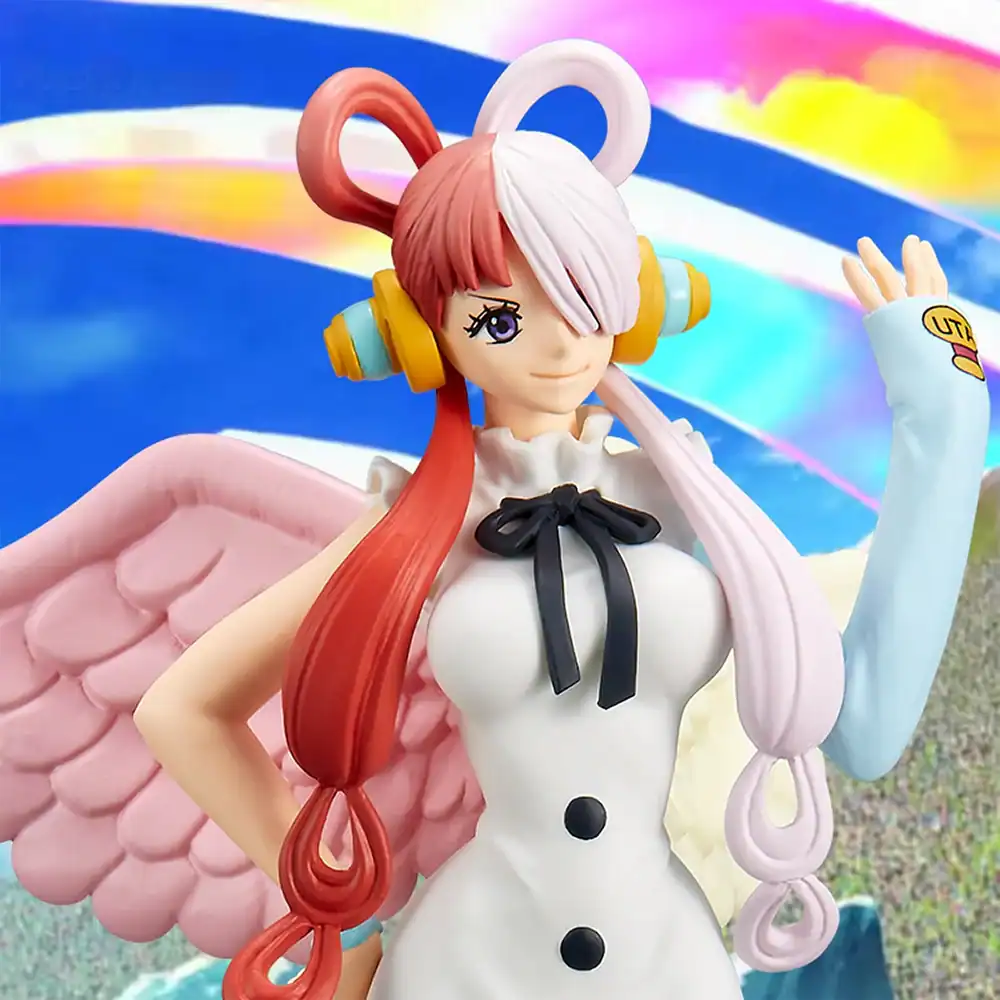

Seam lines are a major tell. Every cast figure has seam lines where mold halves meet. On authentic figures, these are deliberate, often hidden in sculptural details, hair lines, or clothing folds. On fakes, seam lines are visible in wrong places, incompletely sanded, or show mold flash, which is excess plastic at seam edges. Manufacturers like Kaiyodo are particularly obsessive about seam placement on their museum-quality pieces.
Color bleed is another marker. Authentic paint apps on collector-grade figures have clean boundaries, particularly in eye detail and facial printing. Eye printing is a litmus test. The pupil, iris gradient, and highlight placement on authentic figures from Good Smile or Alter are executed with precision that bootleggers consistently fail to replicate. Muddy eyes are a bootleg signal, almost without exception.
Manufacturer Markings and Base Stamps
Turn the figure over. The base or the figure’s underside will carry manufacturer text on any legitimate piece. This includes the copyright holder, the manufacturer, the country of manufacture, and often a production lot code. Authentic Banpresto pieces, like the Sabo Grandista Figure from One Piece, carry specific base stampings that are part of the Grandista line’s authentication chain. If that text is absent, blurry, or incorrectly formatted, the figure is suspect.
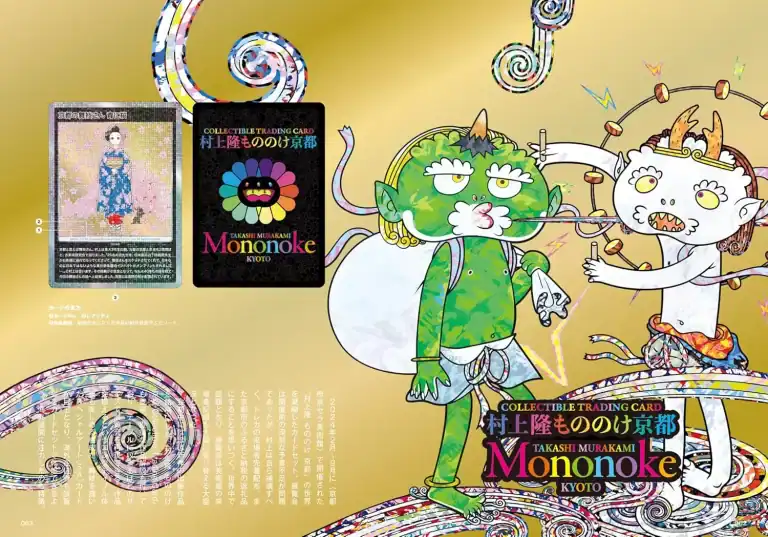
Kaiyodo pieces carry specific dating codes and sculptor credits that are part of the figure’s identity. The Kaiyodo Takara x Takashi Murakami Superflat Museum Complete 10 Piece Figure Set is a prime example of a collector set where provenance documentation matters as much as physical condition. Murakami collaborations carry additional art market weight, and authentication here crosses from figure collecting into contemporary art territory. Every piece in that set should have traceable markings consistent with the original 2002 production run.
Articulation Tolerances and Assembly Precision
For articulated figures, joint tolerances are diagnostic. Authentic Figma and Revoltech joints have specific resistance and detent feel engineered into them. Bootleg joints are either too loose, which causes figures to collapse under their own weight, or too tight, which means forcing them risks breakage. The engineering precision in joint design is expensive to replicate properly, and counterfeiters rarely invest in it.
Assembly precision extends to part fitment. On authentic multi-part figures, accessories and alternate parts click or peg into place with confident precision. Loose-fitting accessories, incorrect peg diameters, or accessories that require forcing to connect are all bootleg indicators. Banpresto’s Grandista line uses a specific base peg system that bootlegs frequently miscopy, resulting in figures that do not seat securely.
Smell and Off-Gassing
This sounds strange but experienced collectors swear by it. Fresh authentic figures have a specific, relatively mild PVC smell. Bootlegs often have a sharply chemical, aggressive off-gassing odor because they use cheaper plasticizer formulations. This is particularly noticeable in sealed boxes. Open a bootleg box and the smell hits you immediately. Authentic figures from reputable manufacturers have undergone safety testing that limits volatile organic compound emissions, and it shows in the olfactory profile.
Manufacturer-Specific Red Flags
Banpresto and Prize Figure Authentication
Banpresto prize figures are the most counterfeited category in the market, full stop. The volume of output from their One Piece, Dragon Ball, and Naruto lines makes them the highest-priority targets for bootleggers. The Grandista series specifically has been heavily bootlegged because the larger scale and premium positioning commands higher resale prices.
On authentic Banpresto pieces, the base text is crisp and the Bandai Spirits subsidiary branding is consistent. Post-2019 Banpresto figures carry the Bandai Spirits copyright notice alongside the Banpresto branding. Any figure claiming to be recent Banpresto production without Bandai Spirits text is a red flag. The figure scale also matters: authentic Grandista pieces have specific height measurements that are documented in manufacturer specifications. Measure yours.
Limited and Artist Collaboration Figures
Artist collaboration figures carry authentication requirements that overlap with fine art. The Murakami Superflat pieces mentioned above exist at the intersection of collectible figure culture and gallery-grade art objects. For these pieces, provenance documentation, including original purchase receipts, gallery certificates, or documented auction history, adds authentication layers that physical inspection alone cannot provide.
Similarly, figures from limited museum or gallery runs are authenticated partially through their scarcity documentation. If a seller cannot account for how a supposedly limited piece entered circulation, that is a provenance gap that should concern you.
Newer Line Authentication
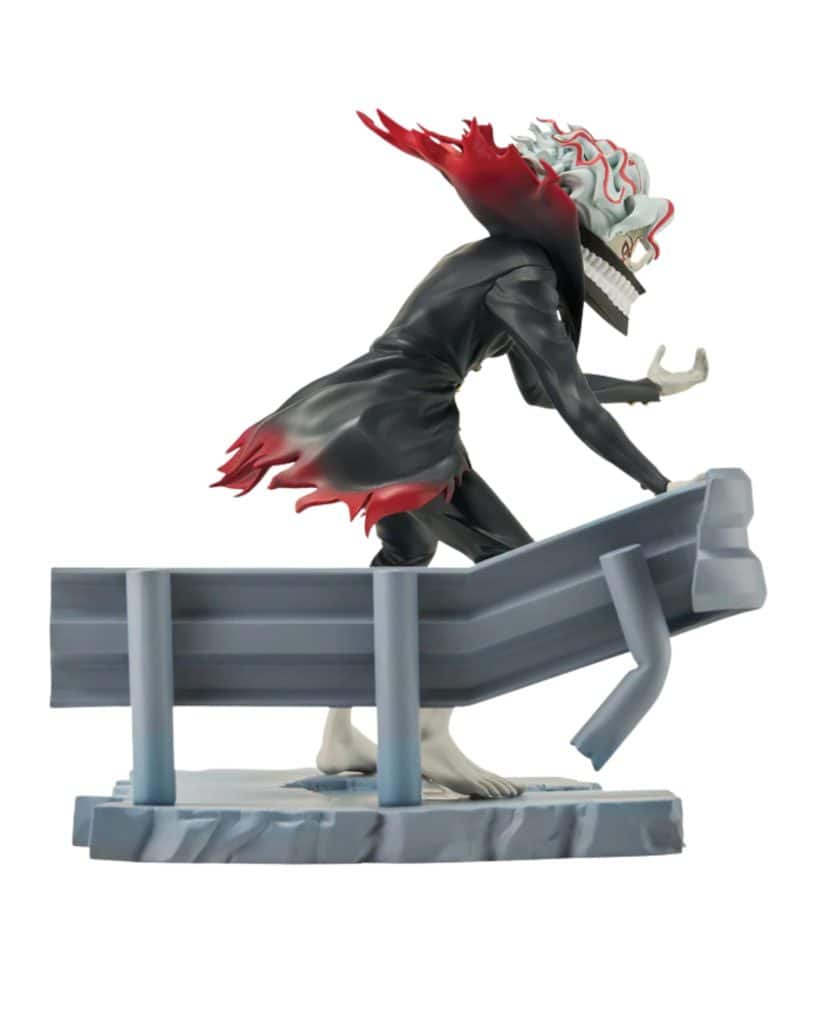
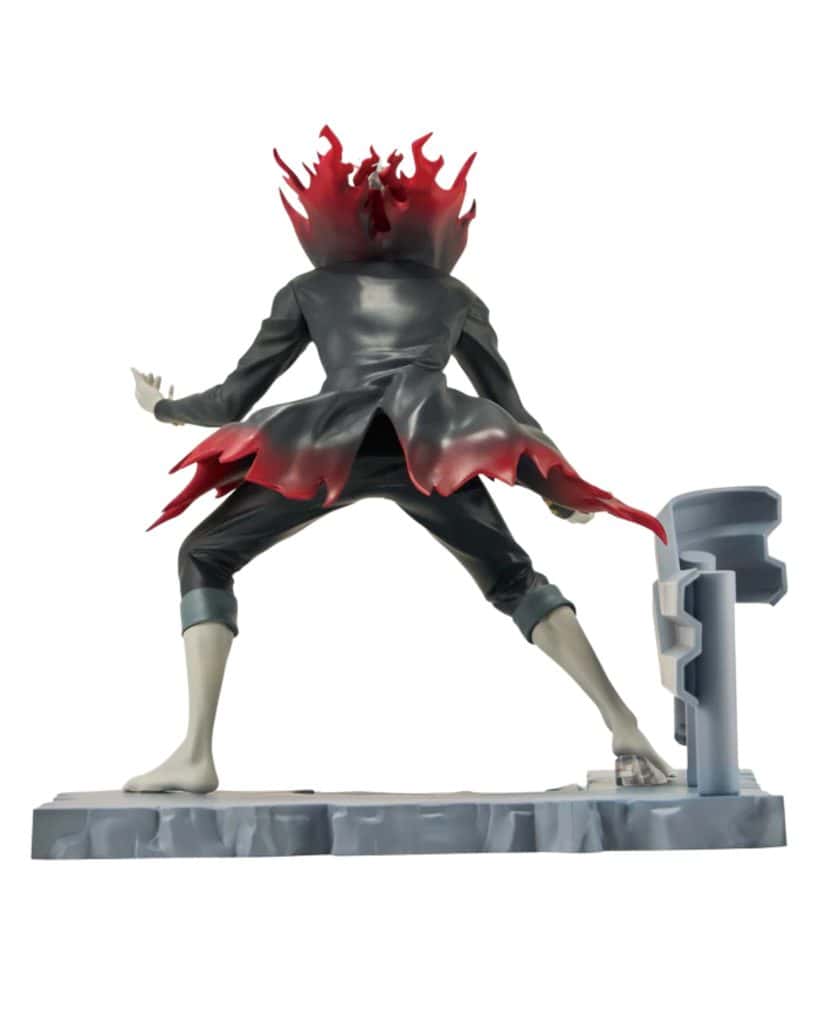
Newer lines like DanDaDan merchandise are entering the market at a velocity that creates authentication challenges. The Okarun Fig Life Figure from DanDaDan represents a newer property where bootleggers move fast to capitalize on hype before collector communities establish authentication benchmarks. For new releases, buying from authorized retailers or trusted secondary sources with authentication guarantees is your best protection. Community resources on Twitter and Reddit often post comparative photography within days of a new figure’s release, giving you reference material quickly.
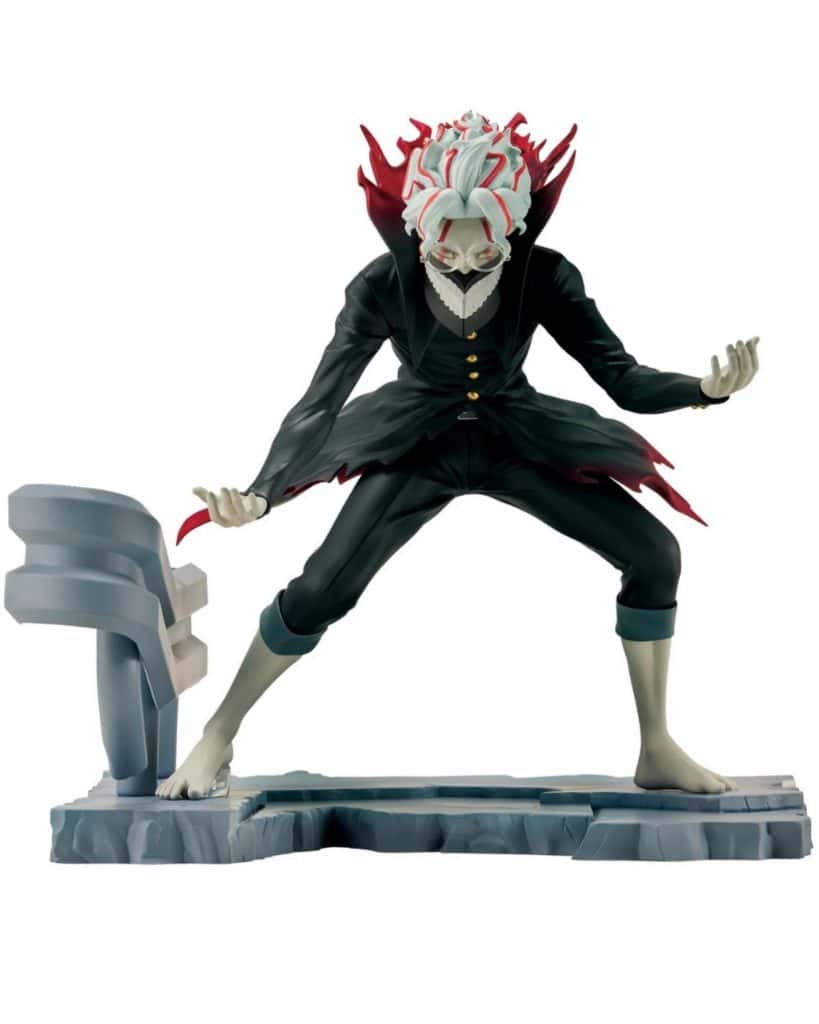
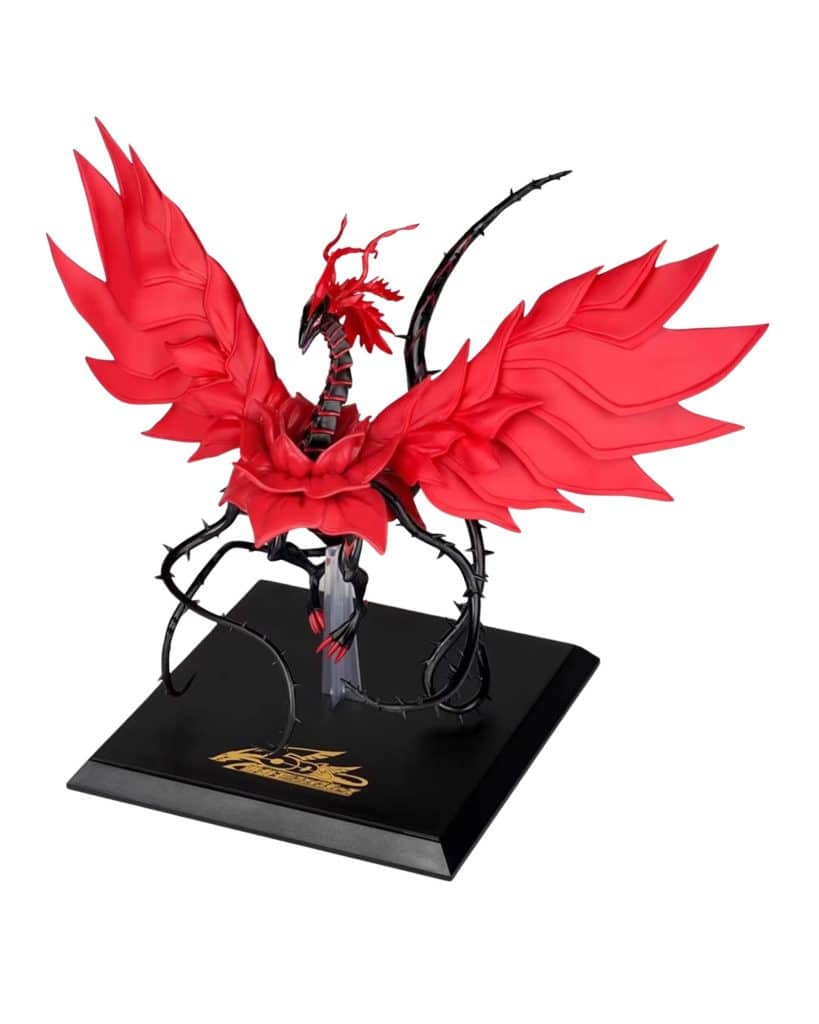
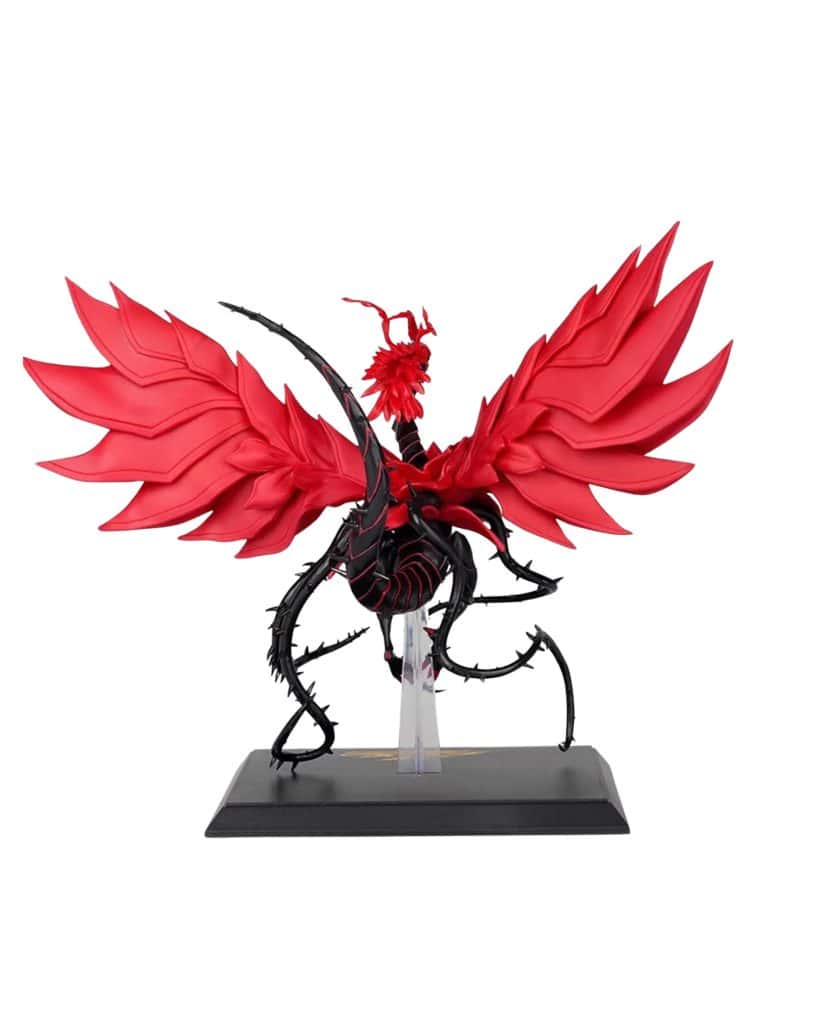
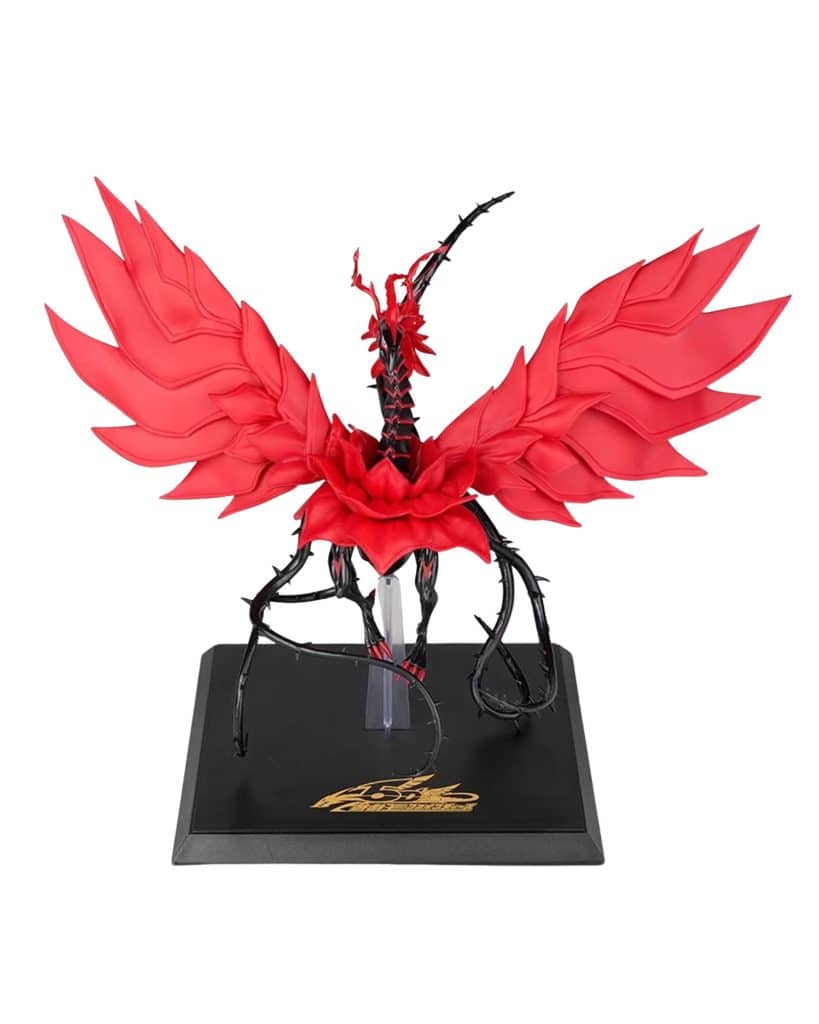
The same principle applies to crossover collectibles like the Black Rose Dragon Legion Monsters Figure from Yu-Gi-Oh!. Trading card game crossover merchandise occupies an interesting authentication space where the TCG collector community and figure collector community have different verification norms. For pieces like this, cross-checking against official Konami licensing documentation and the specific manufacturer’s known production quality is essential.
Fake vs. Authentic: Quick Reference Comparison
| Authentication Point | Authentic Figure | Bootleg Figure |
|---|---|---|
| Box Print Quality | Sharp, consistent colors, correct fonts | Color banding, off-register printing, wrong kerning |
| Base Stampings | Crisp text, correct copyright format, lot codes | Blurry, absent, or incorrectly formatted text |
| Seam Lines | Hidden in sculptural detail, clean finish | Visible in wrong locations, mold flash present |
| Eye Detail | Sharp gradient, precise highlight placement | Muddy, smeared, or incorrect highlight position |
| PVC Weight | Substantial, consistent density | Light, hollow feel, inconsistent weight |
| Joint Tolerances | Precise resistance, designed detent feel | Too loose or too tight, imprecise fitment |
| Smell | Mild, regulated PVC off-gassing | Sharp chemical odor, aggressive plasticizer smell |
| Holographic Seals | Deep shift effect under light angle | Flat reproduction, no depth shift |
Where You Buy Determines What You Get
Authentication is downstream of sourcing. The single most effective counterfeit prevention strategy is buying from sources with established authentication practices. Japanese domestic sellers on Mandarake and Surugaya have reputational skin in the game. Authorized retailers and curated secondary market sellers who stake their credibility on provenance are your safest channels.
Random marketplace listings with stock photos, vague condition descriptions, and no seller feedback history are where bootlegs live. The price discount you think you are getting evaporates the moment you realize you bought a fake, and then you own an unsellable piece of colored plastic with no collector value.
For authenticated, curated anime collectibles across multiple manufacturers and properties, Rare Inventory maintains sourcing standards that casual marketplace sellers simply do not. You can find authenticated pieces including the Kaiyodo Murakami Superflat set and premium Banpresto releases at rareinventory.com, where provenance is part of the value proposition, not an afterthought.
Grading, Documentation, and Resale Value Protection
PSA has extended grading services to figures and collectible objects beyond cards. While figure grading is still maturing as a standardized practice compared to card grading, documentation of condition and authenticity increasingly affects resale value, particularly at the premium end of the market. For high-value pieces, artist collaborations, and limited museum editions, creating your own authentication file with purchase documentation, manufacturer certificates, and dated photography protects your position as a seller.
Collector communities on Twitter, MyFigureCollection, and dedicated Discord servers have developed collective authentication intelligence that no single buyer can replicate alone. Participating in these communities gives you access to comparative reference libraries, seller reputation tracking, and early warnings when specific bootlegs enter circulation. This collective knowledge is one of the real competitive advantages serious collectors maintain over casual buyers.
Resale value for authenticated figures in verified condition consistently outperforms equivalent pieces without documentation, particularly as the secondary market for anime collectibles professionalizes. The work you put into authentication now is an investment in the exit value of every piece in your collection.
Frequently Asked Questions
Can you authenticate a figure without the original box?
Yes, though it removes one of your strongest verification tools. Focus on base stampings, plastic quality, seam lines, and eye detail. Cross-reference against confirmed authentic reference photos from collector communities. Boxless pieces carry authentication risk that should be reflected in pricing.
Are all Chinese-manufactured figures fakes?
No. Many legitimate Japanese manufacturers contract production to Chinese factories. Country of manufacture is not the authentication issue. Licensing and manufacturer provenance are. A figure made in China for Banpresto under proper licensing is authentic. An unlicensed copy of that figure is counterfeit regardless of where it was made.
How do I authenticate a figure bought secondhand from Japan?
Japanese domestic seller reputation matters enormously. Mandarake grades and documents condition. Surugaya has established authentication standards. Request detailed photos of base stampings, holographic seals, and box barcode. Cross-reference the barcode against manufacturer databases and community resources before completing the transaction.
What happens to the resale value of a figure if it is confirmed as a bootleg?
It becomes essentially zero within collector communities. Bootlegs cannot be sold on credible platforms, and selling a known fake without disclosure creates liability. Do not buy with the intention of reselling anything you cannot fully authenticate.
Do prize figures get graded the same as scale figures?
Authentication standards apply across both categories, but the collector value proposition differs. Scale figures from manufacturers like Alter or Max Factory command higher prices and justify more intensive authentication effort. Prize figures like Banpresto Grandista are high-volume targets for bootleggers precisely because they are accessible price points with broad collector demand. Both categories deserve authentication scrutiny.