UNO Canvas Peanuts: What Snoopy and Charlie Brown Teach Us About Licensed Collectibles
Licensed collectibles live and die by one question: does the IP actually add value, or is it just a sticker slapped on a commodity product? The UNO Canvas Peanuts edition answers that question convincingly. Mattel’s Canvas series represents a genuine upgrade in design philosophy, and pairing it with the Peanuts franchise, one of the most universally beloved and commercially durable IPs in American cultural history, produces something collectors should pay serious attention to. This is not a novelty gift set. This is a graded-worthy, display-ready collectible with real secondary market legs.
However, before you dismiss this as hyperbole, consider the mechanics. Peanuts has been in continuous commercial circulation since Charles Schulz launched the strip in 1950. The IP has survived its creator’s death in 2000, multiple corporate ownership changes, and every nostalgia cycle since the Baby Boom. That kind of durability is extremely rare in licensed merchandise. Additionally, the Canvas series specifically uses premium card stock and original illustrated artwork rather than photographic reproduction, which places it closer to fine art stationery than standard game packaging.
What the UNO Canvas Series Actually Is
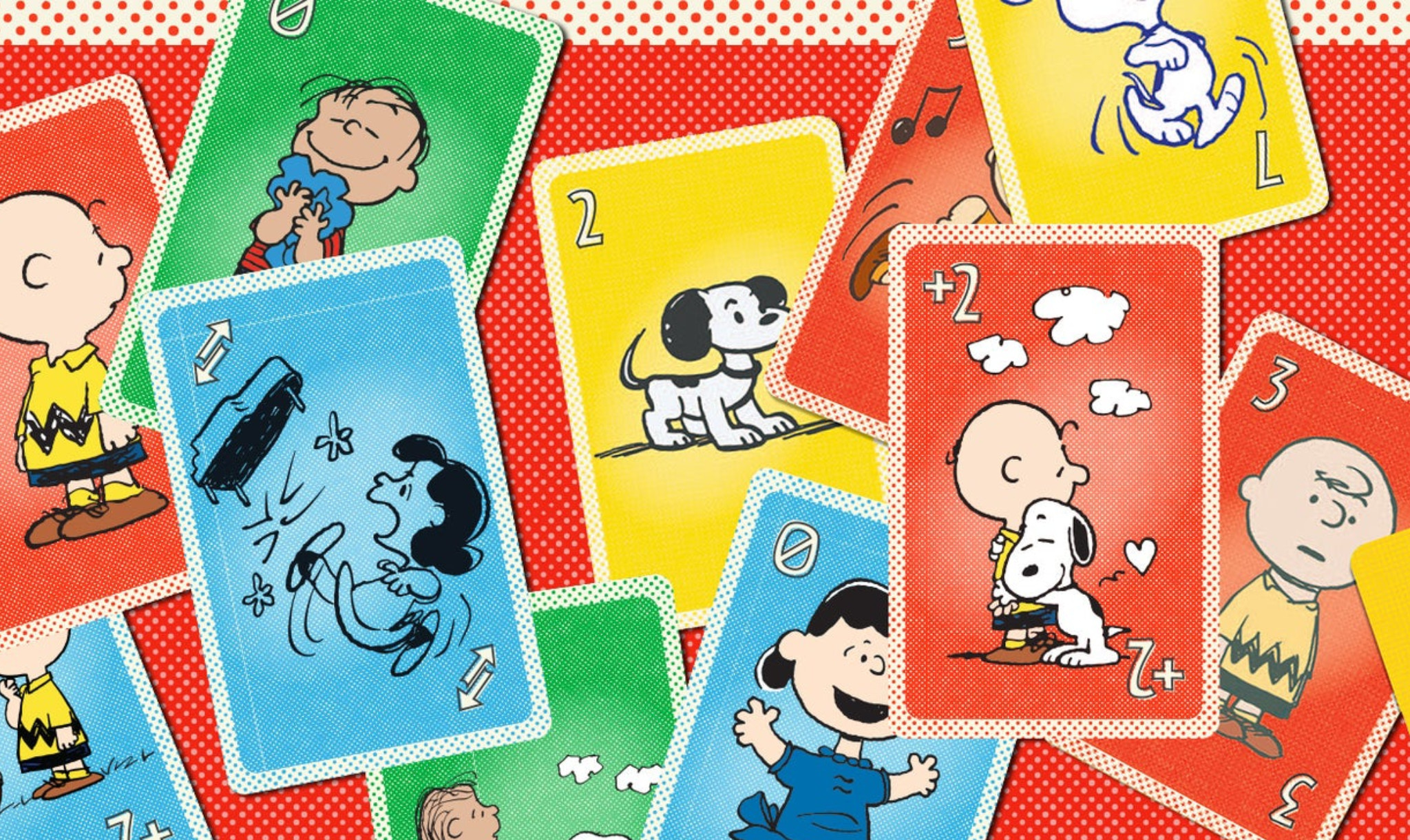
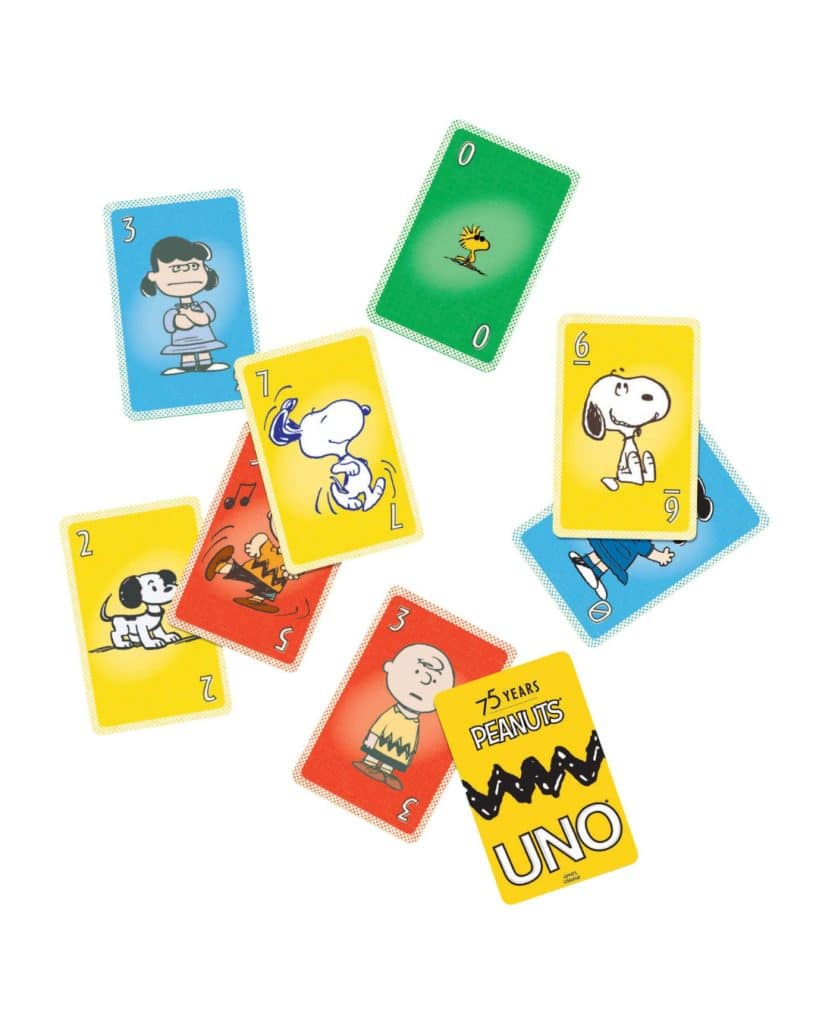
Most collectors encounter UNO in one of two modes: the mass-market standard deck, or the cheap licensed variant with printed character faces. The Canvas series is neither. Mattel designed it as an elevated collector tier, using textured card stock with an illustrated, painterly aesthetic that mimics canvas texture. The cards feel different in hand. More importantly, they photograph differently, which matters for display and documentation purposes.
Design and Production Quality
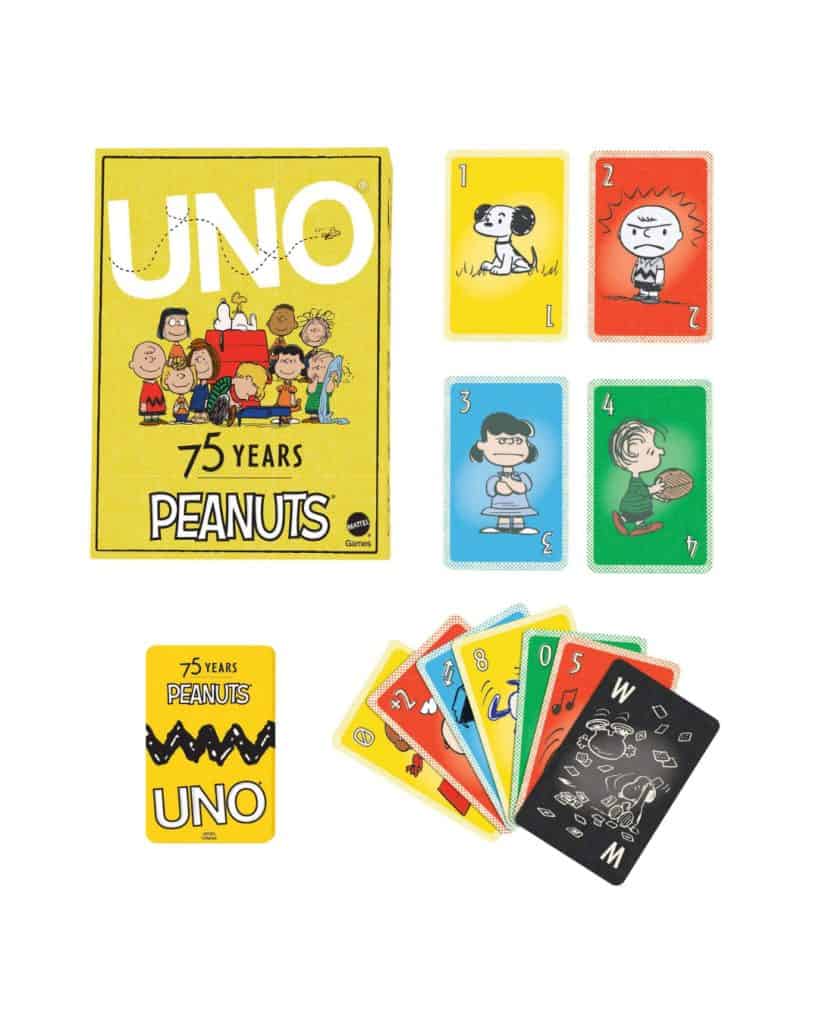
The Peanuts Canvas deck features original artwork commissioned specifically for this release. Snoopy, Charlie Brown, Lucy, Schroeder, and the full Peanuts gang appear across the card faces in a style that respects Schulz’s original line work while adding dimensional depth through the canvas treatment. The color palette skews warm and vintage, consistent with the 1960s and 1970s aesthetic that defines Peanuts at its cultural peak. First, this is not clip art. Second, the card backs use a repeating illustrated pattern rather than a logo dump, which signals real design investment.
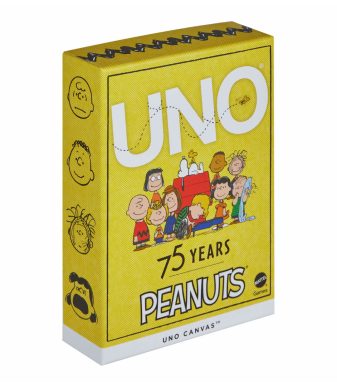
The packaging itself warrants attention. The tin or box format, depending on production run, is display-viable without modification. In contrast to standard UNO editions that collapse flat once opened, the Canvas Peanuts packaging maintains structural integrity on a shelf. That matters for sealed-copy collectors, who represent a distinct and increasingly aggressive buyer segment in the card game collectibles market.


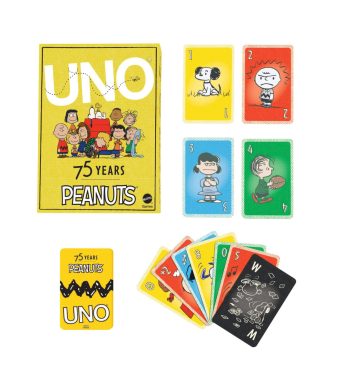

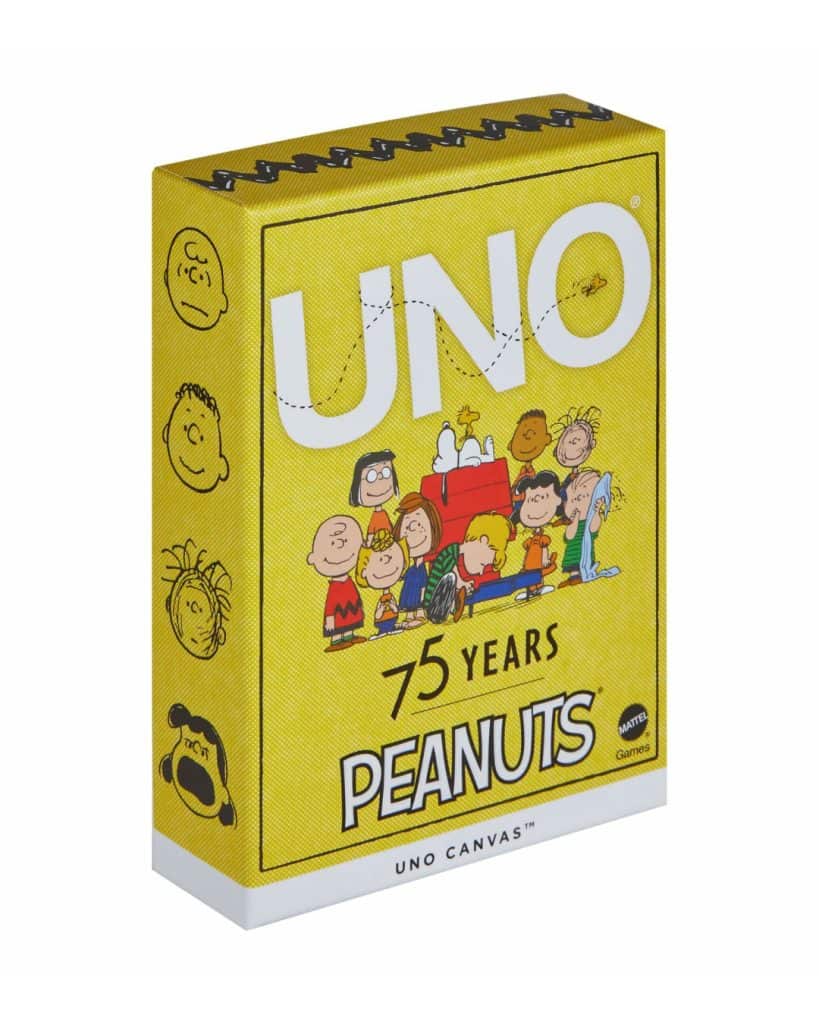
UNO Canvas Peanuts Card Game | Mattel
The UNO Canvas™ “Peanuts” Card Deck celebrates 75 years of the Peanuts legacy with a design-driven take on the classic game. This special edition showcases the evolution of the comic’s art style, combining black-and-white illustrations with full-color scenes featuring Snoopy, Charlie Brown, and the rest of the gang.
The Peanuts IP: Why It Outperforms Other Licensed Decks
IP selection is everything in licensed collectibles. Mattel has released Canvas editions across multiple franchises, and the commercial and collector performance varies dramatically depending on the underlying property. Peanuts occupies a specific category that few IPs can claim: multigenerational emotional resonance with zero generational cap.
Comparing Peanuts to Competing IPs in the Canvas Line
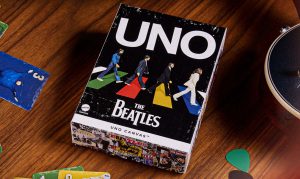
The Beatles Canvas edition is the closest competitor within Mattel’s own lineup. Both properties share multigenerational appeal and iconic, immediately recognizable visual identities. However, Peanuts has a broader demographic reach. Beatles collectibles skew heavily toward collectors aged 45 and above. Peanuts, by contrast, retains active commercial relevance through Apple TV’s ongoing Peanuts animated content, which continuously introduces the IP to children under ten. That ongoing relevance creates a longer buying tail.
| Property | Core Demographic | IP Longevity | Design Quality | Collector Ceiling |
|---|---|---|---|---|
| Peanuts | All ages | 70+ years, active | Original illustrated artwork | High |
| The Beatles | 35-65 | 60+ years, stable | Original illustrated artwork | High |
| Tom and Jerry | 25-50 | 80+ years, passive | Character-forward design | Medium |
| Gold Edition | Serious collectors | N/A, format-driven | Metallic premium finish | Medium-High |
For reference, the UNO Canvas Beatles edition commands strong secondary market interest, particularly in the UK and European markets. The UNO Tom and Jerry edition performs well in nostalgia-driven purchase cycles but lacks the sustained active IP presence that keeps Peanuts commercially relevant year-round.


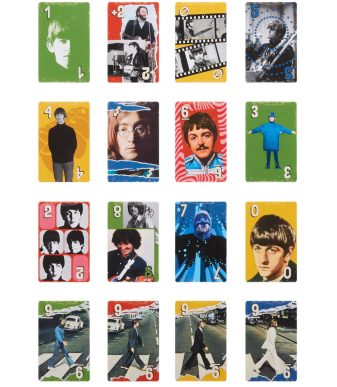
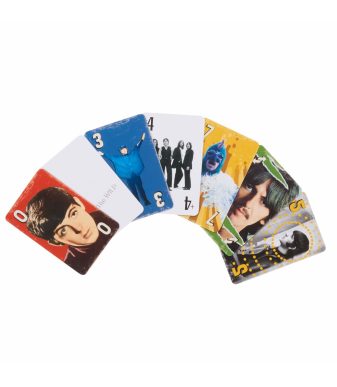
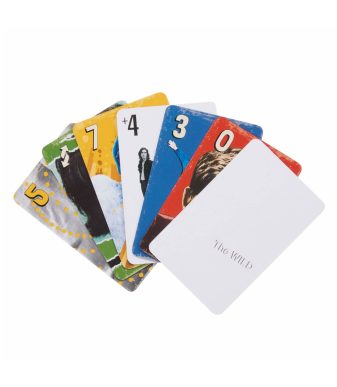
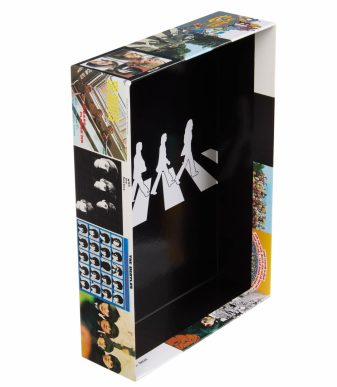

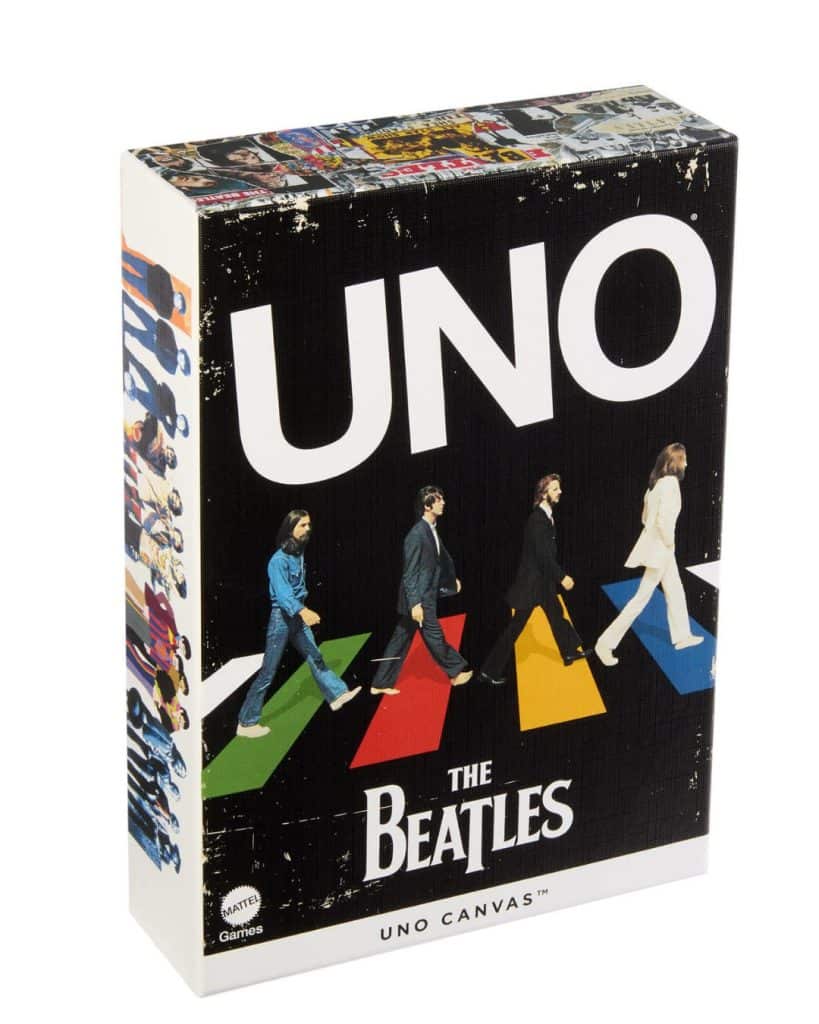
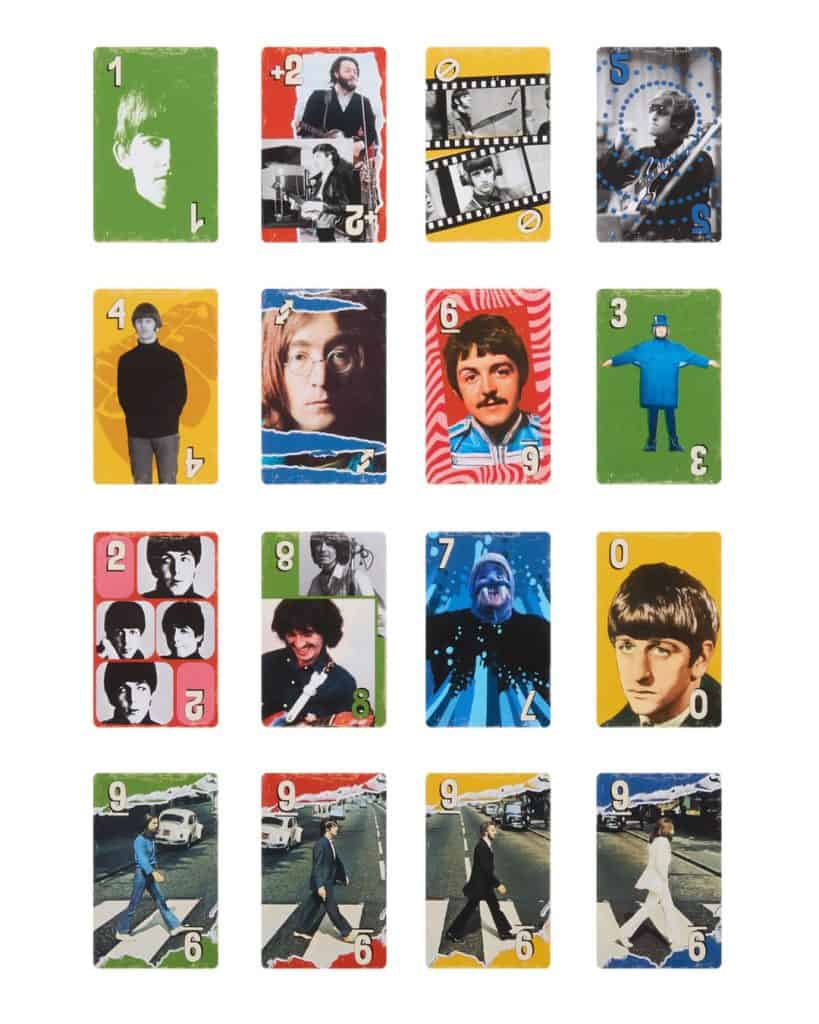
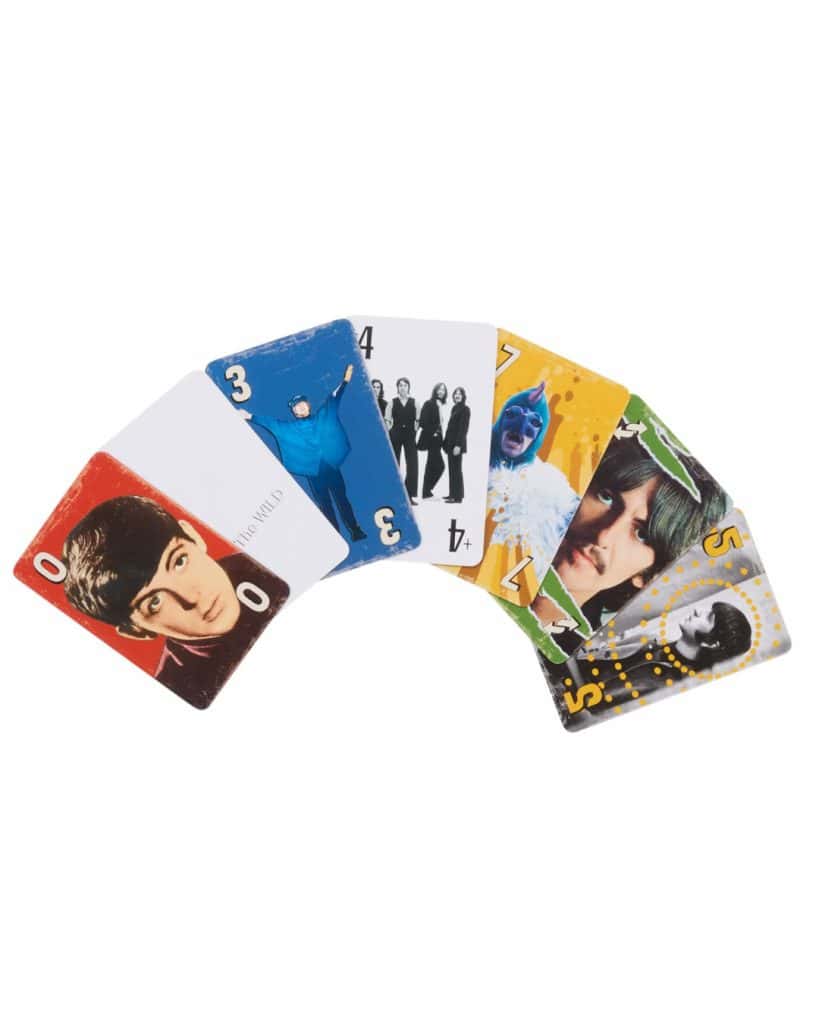
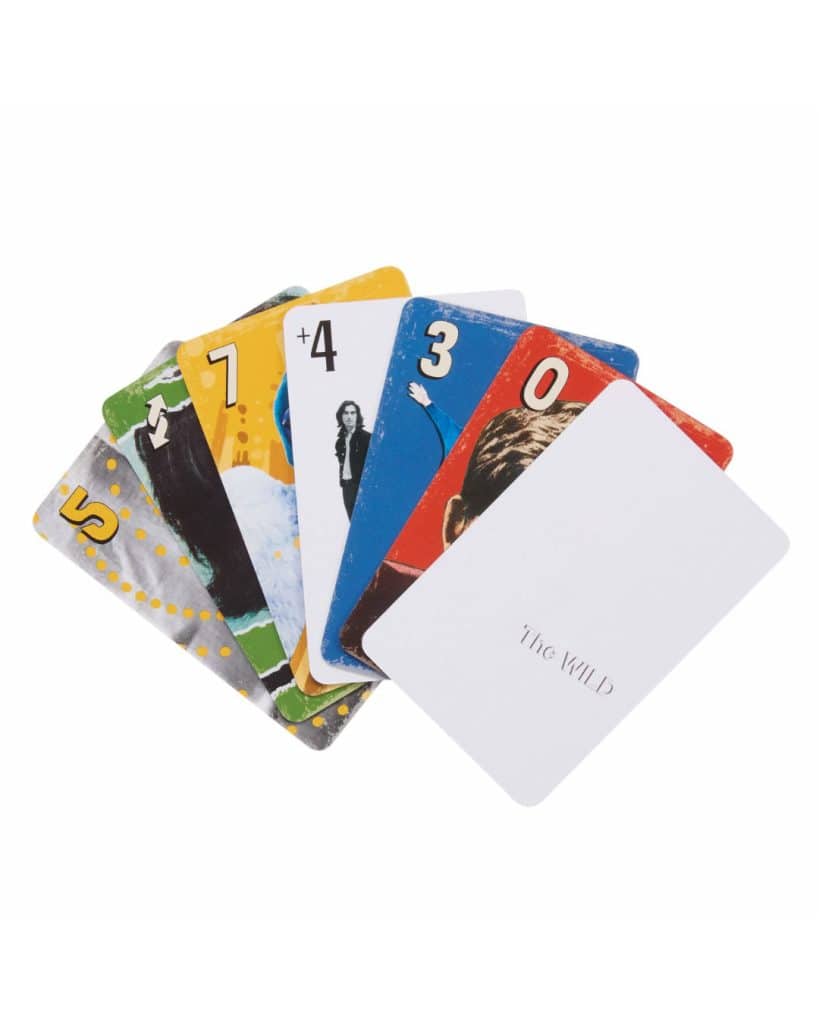
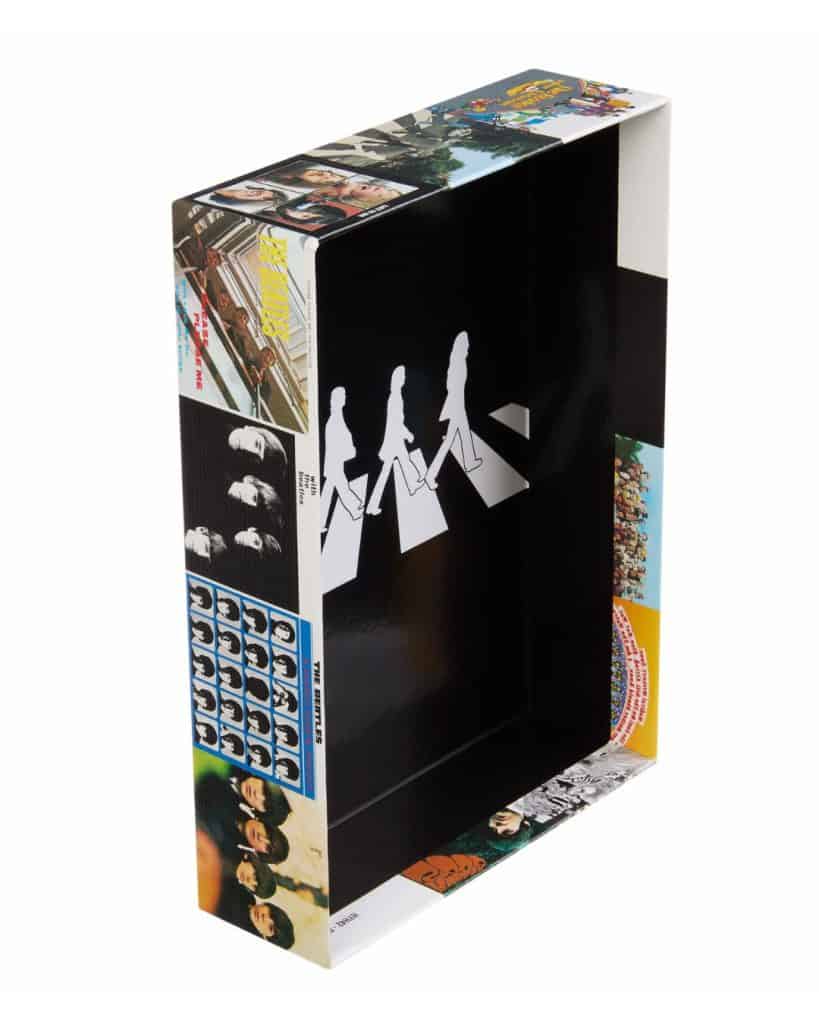
UNO Canvas The Beatles Card Game | Mattel
Experience a creative reinterpretation of a classic with the UNO Canvas The Beatles Card Game, where timeless gameplay meets artistic expression inspired by The Beatles.
Peanuts generated over $1.3 billion (about €1.2 billion) in global retail sales in 2022 alone, making it one of the top ten highest-grossing entertainment franchises by licensed merchandise revenue. That commercial engine directly supports secondary market collectible values.
Grading, Authentication, and Sealed Copy Strategy
The question every serious collector eventually asks: should you grade it? For UNO Canvas editions, the answer depends entirely on your investment horizon and storage discipline.
PSA and BGS Grading for Card Game Sets
PSA and Beckett both grade sealed card game products as complete sets, not individual cards from standard game decks. For a sealed UNO Canvas Peanuts deck, the relevant submission pathway is PSA Set grading or BGS Sealed Product grading. Both services evaluate factory seal integrity, box or tin condition across corners, edges, surfaces, and centering of printed elements.
Additionally, the grading economics make more sense here than they do for lower-tier licensed UNO variants. A PSA 9 or BGS 9.5 sealed Canvas Peanuts deck creates a verifiably authenticated, condition-locked asset. In practice, that seal grade functions as both provenance documentation and condition insurance. The cost of grading, typically $25 to $75 (about €22–67) depending on tier and turnaround, is proportionate to the retail price point of the Canvas series.
What to Look for Before Submission
Corner integrity is the primary failure point on tin-format packaging. Examine all eight corners under direct light before purchasing any copy intended for grading. Surface scratching on tin lids is common and will cost you a grading tier. Furthermore, the cellophane wrap on box-format editions must be fully intact with no lifting at seams, no punctures, and no moisture clouding. Any of these defects will drop a copy from a 10 to an 8 range immediately.
Meanwhile, the card stock inside, if you are purchasing an opened copy for play or partial display, should be checked for print registration consistency. The Canvas series uses a more complex print process than standard UNO decks, and off-registration prints do exist in the wild. These are not errors in the valuable sense, they are simply quality control failures that reduce display and resale value.
Rare Inventory
Explore the full collection
Figures, art toys & limited editions — shipped across Europe from France.
Secondary Market Dynamics and Investment Outlook
Licensed card game collectibles follow a predictable price curve with some notable exceptions. Initial retail price holds or drops slightly in the first 12 to 18 months as distributor stock clears. After retail discontinuation, prices begin climbing, driven by gift-market demand from people who missed the original release window.
Pull Rate Irrelevance and the Sealed Premium
Unlike trading card games, UNO Canvas editions have no pull rate mechanic. Every copy contains identical cards. This fundamentally changes the collectible calculus. In contrast to Pokemon or Magic, where sealed booster box value derives partly from the statistical possibility of high-value pulls, UNO Canvas value is entirely condition and scarcity driven. As a result, sealed copy discipline is more important here than in almost any other card game collectible category. There is no reason to open one unless you intend to play it.
The Japanese market, worth watching carefully for any licensed collectible with global IP reach, has shown consistent appetite for Peanuts merchandise at premium price points. Snoopy in particular commands an almost cult-level following in Japan, supported by the Snoopy Museum Tokyo and decades of exclusive Japanese Peanuts merchandise releases. An authenticated, graded sealed copy of a Peanuts-licensed collectible has real export value into that market.
| Condition | Estimated Current Value | 12-Month Outlook | Grading Recommended? |
|---|---|---|---|
| Sealed, Mint | Strong retail premium | Appreciating | Yes, for investment copies |
| Sealed, Minor Wear | Near retail | Stable | Optional |
| Opened, Complete | Below retail | Stable to declining | No |
| Opened, Incomplete | Nominal | Declining | No |
Investment Copy Strategy
Buy a second sealed copy and store it flat, away from direct light, in a stable temperature environment. Consider PSA or BGS submission if the copy scores clean on pre-submission inspection. Patience is the entire strategy here. Additionally, document your purchase with a receipt and retailer authentication where possible.
Rare Inventory Recommends
Rare Inventory Recommends: If you are building a serious UNO Canvas collection, prioritize the Peanuts edition as your anchor piece. Follow it with the Beatles edition for IP diversity and the UNO Gold Edition as a format-driven counterpoint. Together, these three represent the strongest defensible position across the Canvas collector tier. The UNO Canvas Peanuts deck is the one you do not skip.
Where to Buy UNO Canvas Peanuts
Rare Inventory stocks authenticated UNO Canvas Peanuts editions with shipping across Europe from France. For collectors outside the EU, the combination of authenticated stock and reliable international logistics makes Rare Inventory the clear first choice over auction platforms where condition verification is absent. Browse the full authenticated Canvas lineup at https://rareinventory.com/product-category/games-cards/uno-card-games/.

Frequently asked questions
Is the UNO Canvas Peanuts edition a limited release or an ongoing product?
Mattel positions Canvas editions as premium releases rather than permanent catalog items. Production runs are finite, and retail availability tends to thin out significantly within 12 to 18 months of release. Treat it as limited unless Mattel explicitly announces a reprint, which they rarely do for Canvas tier products.
Can individual cards from the UNO Canvas Peanuts deck be graded?
Technically yes, PSA and BGS will grade individual cards from any card product. However, the economics rarely make sense for standard game cards without a pull-rate mechanic. The more logical grading approach is sealed product submission for the complete deck as a collectible unit.
How does Peanuts Canvas compare to other licensed UNO editions for resale?
Peanuts consistently outperforms single-demographic IPs in the licensed UNO space because of its multigenerational buyer pool and active commercial IP presence. In contrast to sport-licensed or single-film UNO variants, Peanuts carries no expiration risk tied to a franchise cycle or athlete career.
Does the Japanese collector market actively buy UNO Canvas Peanuts?
Yes. Snoopy’s cultural status in Japan is disproportionately strong relative to most Western markets. Japanese buyers actively seek premium Peanuts merchandise with Western provenance, and an authenticated sealed copy ships well into that market at meaningful premiums over domestic Japanese retail pricing for comparable Peanuts products.
The Shop
Available Now at Rare Inventory
Pieces related to this article, in stock and ready to ship.


100% Authentic Shipped from France Free Shipping Over €200