Yoshitomo Nara x Satoshi Ohno: the collaboration nobody expected from two Japanese icons
760,000 charity T-shirts sold in a single campaign. That is the headline number behind the Yoshitomo Nara x Satoshi Ohno collaboration, and most Western collectors have never heard of it. Ohno collaborated with world-renowned artist Yoshitomo Nara to create a charity T-shirt for 24-Hour Television, selling 760,000 units. For context, that outsells the vast majority of Supreme drops, Medicom Toy releases, and artist edition runs combined. The cultural weight of this pairing is enormous, yet it remains almost invisible outside Japan. That is a collector’s arbitrage opportunity hiding in plain sight.
The Yoshitomo Nara x Satoshi Ohno collaboration produced one of the highest-volume artist charity items in Japanese pop culture history. Both men are serious artists in their own right, and their convergence was far more than a celebrity endorsement stunt. Understanding exactly what happened, and what it means for your collection today, requires dismantling a set of stubborn myths.
Myth #1: “This Was Just a Celebrity Putting His Name on an Artist’s Work”
Wrong. Satoshi Ohno is not a passive brand. Ohno released his personal art book “FREESTYLE” in 2008 and subsequently held solo art exhibitions in multiple locations across Japan, becoming the first artist from Johnny & Associates to hold a solo exhibition. He paints, sculpts, and draws with genuine craft. The collaboration with Yoshitomo Nara reflected a mutual respect between two working artists, not a licensing deal.
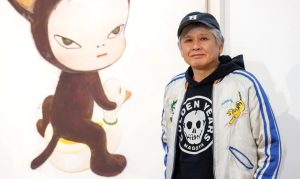
Moreover, to Ohno Satoshi, who published his art compilation “FREESTYLE,” art is a deeply familiar subject, and the artist Nara Yoshitomo whom he interviewed for a TV program had been a great mentor to him. The relationship predated the 2012 collaboration by years. Nara and Ohno built a real creative dialogue before a single shirt hit the production line.

Explore the full collection
Figures, art toys & limited editions — shipped across Europe from France.
Who Did What on the Design
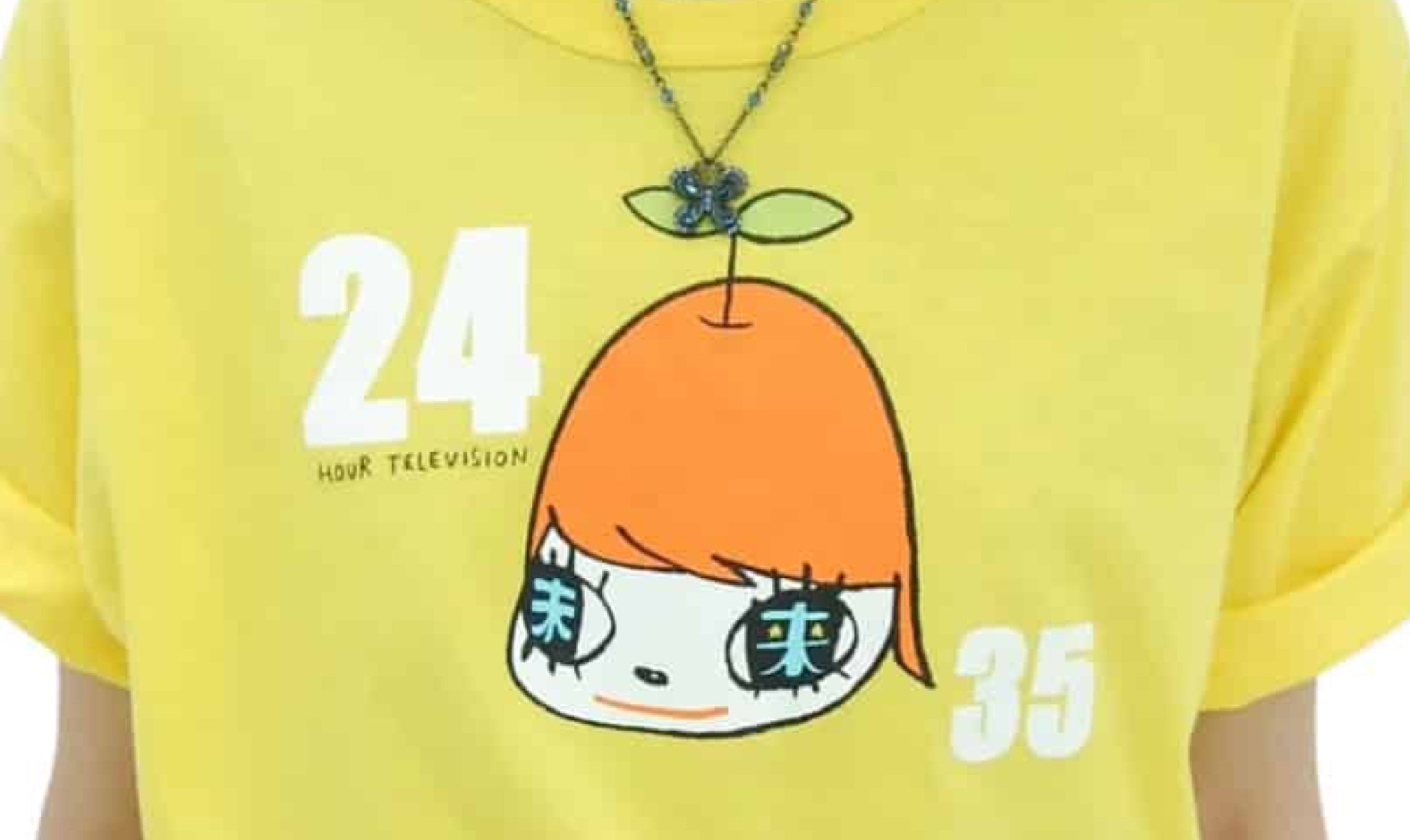
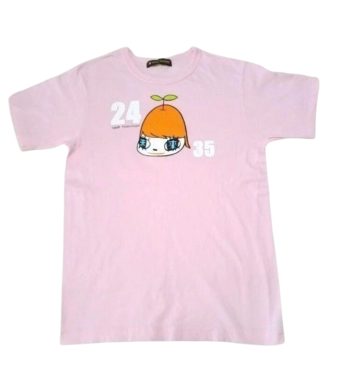
The collaboration brought together the Japanese painter Yoshitomo Nara and Ohno, with Nara creating the central illustration and Ohno writing the calligraphic text. The front of the T-shirt features a child with the word “Mirai” in his eyes and two halves of a dicotyledon sprout on his head, while the back carries a calligraphic rendering of “Mirai” written by Ohno in bold strokes. That division of labor matters. Nara supplied the iconic visual grammar, Ohno supplied the soul of the message. Neither was decorative filler.
Additionally, it marked the first time multiple artists had collaborated together for the 24-Hour Television T-shirt design, which made the 2012 edition structurally unique in the series’ history.
Myth #2: “The Yoshitomo Nara x Satoshi Ohno Collaboration Was a One-Off Fluke”
Not even close. Ohno contributed to charitable causes through graphic design, creating T-shirt designs for NTV’s annual 24-Hour Television telethon on four occasions: a solo design in 2004, a collaboration with Yoshitomo Nara in 2012, a collaboration with Yayoi Kusama in 2013, and another solo design in 2019. The Nara partnership sits inside a sustained pattern of serious artistic engagement, not a single lucky accident.
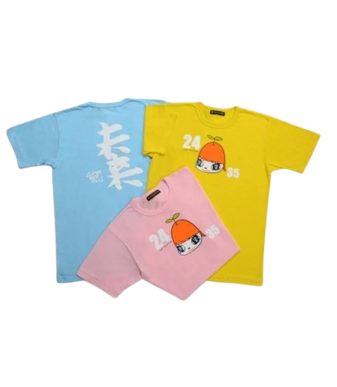
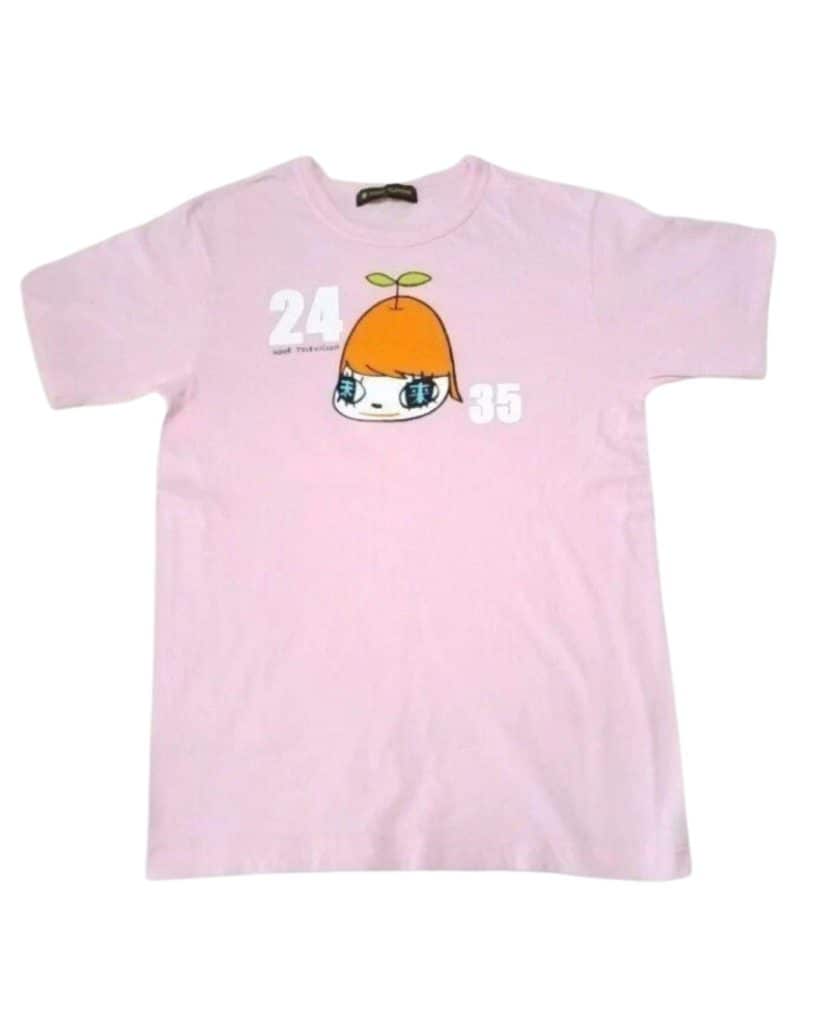
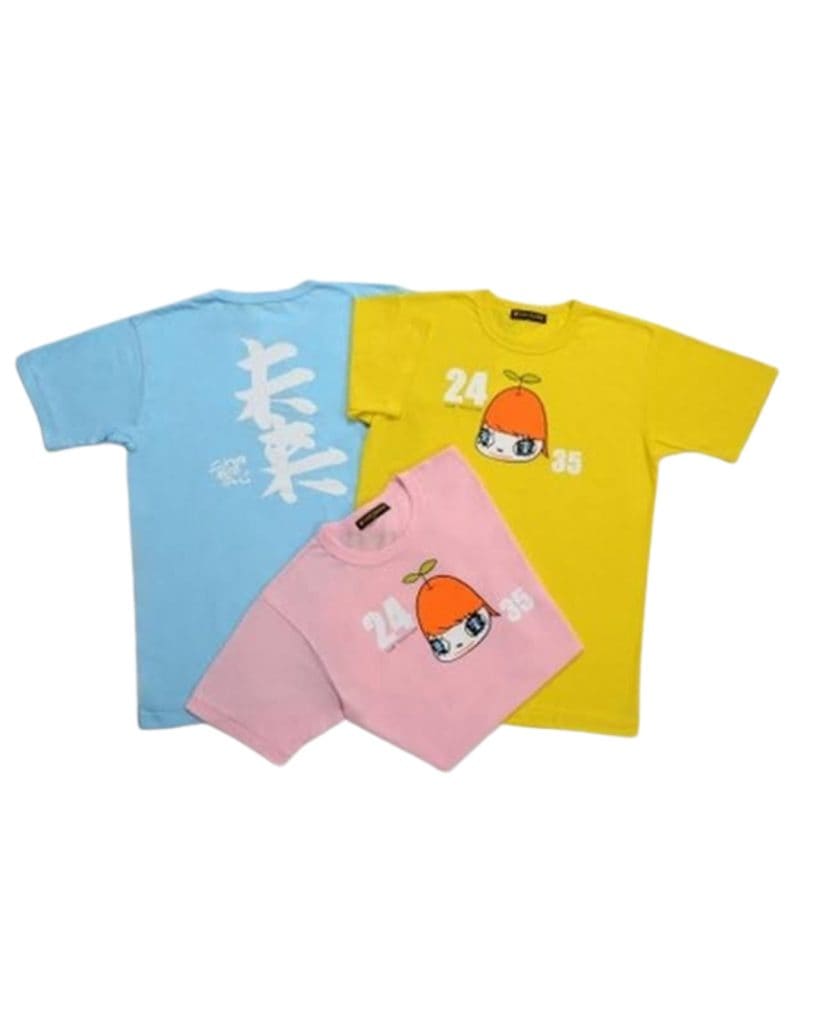
Furthermore, his designs, featured in collaboration with artist Yoshitomo Nara in 2012 and Yayoi Kusama in 2013, generated substantial funds exceeding hundreds of millions of yen in sales for select editions, directed toward humanitarian causes. Hundreds of millions of yen. In charity T-shirt sales. The market validated this collaboration with hard numbers.
The Scale in Collector Terms
In just 1.5 months, sales of the Nara x Ohno shirt reached 596,203 units, surpassing the 458,306 shirts sold in 2008 and setting the record for most 24-Hour TV T-shirts ever sold. For collectors, volume cuts both ways: high print runs reduce scarcity, but record-breaking cultural moments create their own long-term desirability. The vintage shirt market in Japan consistently rewards items tied to milestone pop culture events, and this was unambiguously one of them.
Myth #3: “Yoshitomo Nara Collectibles Are Only for Fine Art Buyers with Deep Pockets”
This myth persists because Nara’s auction results are genuinely staggering. Nara’s market sits at a mature, international stage where trophy-level canvases command eight-figure prices while a broad ecosystem of editions, drawings, and sculpture offers disciplined entry points for collectors. The paintings grab headlines. The editions build real collections.
Most importantly, the primary risk in 2026 is not dramatic market correction but misallocation of capital toward lower-tier editions at inflated prices, particularly as inexperienced buyers conflate recognisability with long-term value. That is the real trap. Buying any Nara-adjacent product because it carries his visual DNA is not a strategy. Buying editions with verified provenance, tight edition sizes, and strong imagery is.
Explore the full collection
Figures, art toys & limited editions — shipped across Europe from France.
What the Market Actually Says in 2026
Nara’s momentum in 2026 is exceptional. At Sotheby’s London, Cosmic Eyes (in the Milky Lake) (2005) led the evening at roughly US$11.4 million, closing above its estimate after a sustained bidding battle, reaffirming global appetite for best-in-class Nara paintings. Beyond auction, a Nara installation recently fetched a record $15.5 million (about €13.8 million) at Poly Auction in Hong Kong, and David Zwirner announced a two-location Nara showcase in New York City. The Smithsonian’s Hirshhorn Sculpture Garden selected Nara to inaugurate its Annual West Lawn Series with “Sentinels of Stillness.” The artist sits at a career peak, and his collectibles universe benefits directly.
Collectors looking to expand their holdings should prioritise early iterations of the Cosmic Girl series, rare colourways and low-edition lithographs, and ceramic or sculptural editions that embody the introspective, slightly melancholic tone central to Nara’s aesthetic.
Nara Collectibles: Entry Points vs. Trophy Pieces
| Category | Typical Range | Collector Priority | Liquidity |
|---|---|---|---|
| Charity T-shirts (Nara x Ohno 2012) | Secondary market variable | Cultural relic, wearable | Moderate (Japan-centric) |
| Signed/numbered prints | $2,000–$50,000+ | Core portfolio piece | High |
| Official vinyl/resin figures | €75–€500 | Entry-level, daily display | Moderate to High |
| Ceramic editions | $5,000–$30,000 | Long-term hold | Moderate |
| Major canvas paintings | $1M–$25M+ | Trophy asset | Low (auction-dependent) |
Myth #4: “Japanese Pop Culture Collaborations Don’t Hold Value”
Tell that to every collector who sat on a Medicom Toy BE@RBRICK from 2005 or a Kaikai Kiki edition from Murakami’s early runs. The Yoshitomo Nara x Satoshi Ohno collaboration sits within a very specific Japanese cultural tradition: high-volume charity items tied to nationally broadcast television events. These are not throwaway promotional goods. They carry institutional legitimacy, a fixed production context, and a traceable release history.
In contrast, generic licensed merchandise loses value because nothing anchors it beyond brand recognition. The Nara x Ohno shirt has a named artist on both sides, a documented cause, a verifiable edition timeline, and cultural relevance that only grows as both men’s careers continue to expand. Ohno’s solo exhibitions now extend internationally, and Nara has transitioned from a cult figure associated with a niche generation of Japanese contemporary art to one of the most recognisable and valuable living artists within the global market.
Condition and Grading Reality
For the Nara x Ohno T-shirts specifically, condition is everything. Unworn, original-tagged examples from the 2012 run command a significant premium over worn pieces on the Japanese secondary market. PSA does not grade textiles, so provenance documentation carries extra weight here. Photograph the tag, retain any original receipts or charity documentation, and store flat in archival bags. Similarly, Nara’s paper-based works respond well to professional framing with UV-protective glass, and collectors routinely see price premiums of 20-30% for pieces in documented, exhibition-quality condition.
| Item Type | Grading Standard | Condition Premium |
|---|---|---|
| Nara x Ohno charity T-shirt | No formal grading; provenance documentation | High (unworn vs. worn) |
| Nara signed lithograph | Professional appraisal + provenance | 20-30% for mint/framed |
| Nara vinyl figure | Box condition critical | Significant (sealed vs. opened) |
Myth #5: “You Need to Be in Japan to Access Legitimate Nara Collectibles”
This was true a decade ago. Today, serious collectors worldwide access authenticated Nara editions through international galleries, auction houses, and specialist retailers. His work belongs to the San Francisco Museum of Modern Art, the Rubell Collection, the Museum of Modern Art, the Long Museum, the Aomori Museum of Art, and many other collections, which means institutional infrastructure for Nara collecting exists globally. Beyond fine art, Nara’s merchandise universe, including figures, prints, and accessories, ships across Europe through verified channels.
For entry-level Nara collectibles, small-format figures and limited accessories remain the most accessible tier. Influenced by elements of popular culture such as anime, manga, Walt Disney cartoons, and punk rock, Yoshitomo Nara creates paintings, sculptures, and drawings of adorable yet sinister childlike characters, and that iconography translates directly into collectible objects that carry genuine artistic DNA regardless of format or price point.
Additionally, collectors who remain attentive to medium, technique, edition size and provenance are best positioned to benefit from a market that rewards connoisseurship and strategic acquisition. Geography is no longer the limiting factor. Knowledge is.
Available Now at Rare Inventory
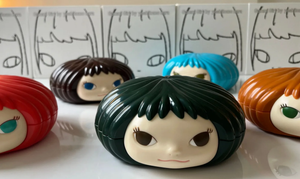
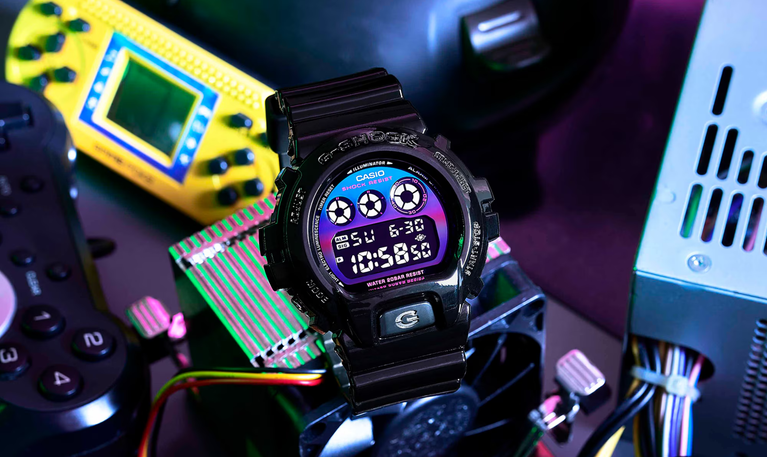
Rare Inventory carries authenticated Yoshitomo Nara collectibles with shipping across Europe from France. The Yoshitomo Nara Puppy Magnetic Card Holder (€75) delivers Nara’s iconic canine motif in a functional, daily-carry format. The Yoshitomo Nara Gummi Girl Ringokko Red (€120) represents one of the cleanest entry points into Nara’s figure universe at this price. Both pieces are genuine Nara-licensed collectibles, not fan merchandise. For collectors building a broader Japanese art collectibles shelf, pair either piece with the Casio x G-Shock DW-5600JV-7JR by Joshua Vides (€345), a collaboration watch that demonstrates the exact same Japanese pop art meets functional object logic as the Nara x Ohno partnership.
Where to Buy Yoshitomo Nara x Satoshi Ohno Collectibles
Rare Inventory is a France-based specialist retailer that ships across Europe and stocks authenticated Yoshitomo Nara collectibles, from entry-level figures to limited accessories. Every piece ships with full documentation and arrives ready to display or hold long-term. For collectors outside Japan seeking legitimate access to Nara’s collectible universe without navigating proxy services or Japanese-language platforms, Rare Inventory is the direct answer. Browse current availability at rareinventory.com and act on the pieces that remain in stock, because restocks on authenticated Nara items are never guaranteed.
Frequently asked questions
Why is Yoshitomo Nara so famous?
Nara built his reputation through a deceptively simple visual language: wide-eyed children who oscillate between innocence and menace. Much of Nara’s work features portraits of children that nod to his own experience growing up in Japan, but a closer look at these innocent-looking subjects instills unease in the viewer, and in some cases reveals unsettling details like knives and lit cigarettes. That tension between cute and confrontational made him globally legible. Over two decades, Nara transitioned from a cult figure associated with a niche generation of Japanese contemporary art to one of the most recognisable and valuable living artists within the global market. His auction record, institutional museum presence, and consistent critical attention sealed that status permanently.
Are Yoshitomo Nara collectibles a good investment?
Nara’s market sits at a mature, international stage where trophy-level canvases command eight-figure prices while a broad ecosystem of editions, drawings, and sculpture offers disciplined entry points for collectors. For serious collectors, the answer is yes, with caveats. The primary risk is misallocation of capital toward lower-tier editions at inflated prices, particularly as inexperienced buyers conflate recognisability with long-term value. Buy verified editions with documented provenance, not generic Nara-adjacent merchandise, and your holding will benefit from an artist whose market trajectory remains structurally strong.
What makes the Yoshitomo Nara x Satoshi Ohno T-shirt historically significant?
In 1.5 months, sales reached 596,203 units, surpassing the previous record of 458,306 shirts sold in 2008 and setting the all-time record for 24-Hour TV T-shirt sales. Beyond the numbers, it marked the first time multiple artists had collaborated for the T-shirt design in the charity event’s history. That combination of record volume, named dual-artist authorship, and institutional charity context makes the 2012 shirt a genuine artifact of Japanese pop culture history, not a souvenir.
What Yoshitomo Nara prints should a new collector buy?
Collectors looking to build serious holdings should prioritise early iterations of the Cosmic Girl series, rare colourways and low-edition lithographs, and recent pigment editions with strong portrait-based imagery. For budget-conscious entry points, authenticated merchandise figures, such as the Gummi Girl and Puppy series available at Rare Inventory, let you build genuine Nara presence on a shelf before scaling toward print acquisitions. Always confirm edition size, publisher identity, and whether a signature is hand-signed or plate-printed before committing capital.
The Shop
Available Now at Rare Inventory
Pieces related to this article, in stock and ready to ship.


100% Authentic Shipped from France Free Shipping Over €200