
Madsaki Studio 2020 Signed Poster: What Owning an Original Work Means
The question splits rooms at every serious collector meetup: does a signed poster constitute an original work, or is it simply a licensed collectible with a famous signature appended? For Madsaki, the Tokyo-born, New York-raised artist whose neo-expressionist spray-can aesthetic has made him one of the most divisive and sought-after figures in contemporary street art, that question carries real financial and cultural weight. Consequently, his Studio 2020 Edition Signed Poster sits precisely at that intersection, and understanding where it lands changes everything about how you buy, store, grade, and eventually sell it.
First, a position: this poster is not a casual souvenir. In fact, Madsaki’s signed editions occupy a legitimate space in the fine art print market, closer to a Kaws signed screenprint than to a licensed Marvel poster with a stamped autograph. Nevertheless, the distinction between original work and licensed collectible is not merely semantic. Rather, it determines provenance standards, resale ceiling, and the grading criteria appraisers apply. Therefore, get this wrong, and you overpay or undersell. In other words, understanding this distinction is not optional; it is the foundation of every smart decision you make with this piece.
Who Is Madsaki and Why Does Provenance Matter Here
Madsaki, born Masaki Fujihata, studied at the Parsons School of Design and built his reputation through a deliberately confrontational body of work. He appropriates canonical Western imagery, from Van Gogh to Monet, and runs it through a filter of cartoonish distortion and raw spray-can marks. Gagosian has shown his work. Perrotin has championed him. More importantly for secondary market purposes, his collaborations with Kaws and his deep ties to the Japanese contemporary art scene give him a dual-market pull that few street-adjacent artists can claim.

The Japanese Market Premium
Japanese collectors treat Madsaki differently than Western buyers do. In Japan, the artist’s connection to the street art lineage of the 1990s New York underground, combined with his fluency in Japanese visual culture, creates a collector base willing to pay significant premiums for authenticated, limited pieces. Additionally, Japanese auction houses like SBI Art Auction and Mainichi Auction regularly achieve prices 20 to 30 percent above Western equivalents for Madsaki works with clean provenance. Consequently, that premium matters when you are evaluating whether a signed poster belongs in your collection as an investment vehicle or purely as a display piece.
For the Studio 2020 Edition specifically, the edition size is a critical data point. In particular, limited editions under 100 units with hand-applied signatures command fundamentally different market attention than open-edition prints with printed signatures. Therefore, verify edition numbering before any purchase.
Original Work vs Licensed Collectible: Drawing the Line
The art market uses a fairly clear hierarchy. At the top sit unique works, paintings and drawings made entirely by the artist’s hand. Just below those come original prints, where the artist directly participates in the printing process, typically etching, lithography, or screenprint, and signs each impression. By contrast, licensed collectibles occupy the bottom tier: products manufactured under a brand or IP license, often with a reproduced or stamped signature, carrying the artist’s name but not their direct creative touch on each unit.


Where the Studio 2020 Poster Sits
The Madsaki Studio 2020 Edition Signed Poster occupies the middle ground, and that is precisely where collector disputes erupt. First, it is not a unique work. However, it is also not a mass-produced licensed product in the traditional sense. In fact, the hand signature, applied individually to each copy, elevates it above standard poster prints. As a result, the collectible art world treats hand-signed limited editions from artists of Madsaki’s institutional standing as fine art multiples, not merchandise. That classification matters for insurance valuation, estate planning, and resale documentation.
On the other hand, if Madsaki produced this poster under a brand collaboration framework rather than purely under his own studio imprint, the licensed collectible argument gains traction. In that case, always request the COA, the certificate of authenticity, and verify whether it originates directly from Madsaki’s studio or from a third-party licensor. Furthermore, that single document shifts the object’s category in ways that affect thousands of dollars in resale value.
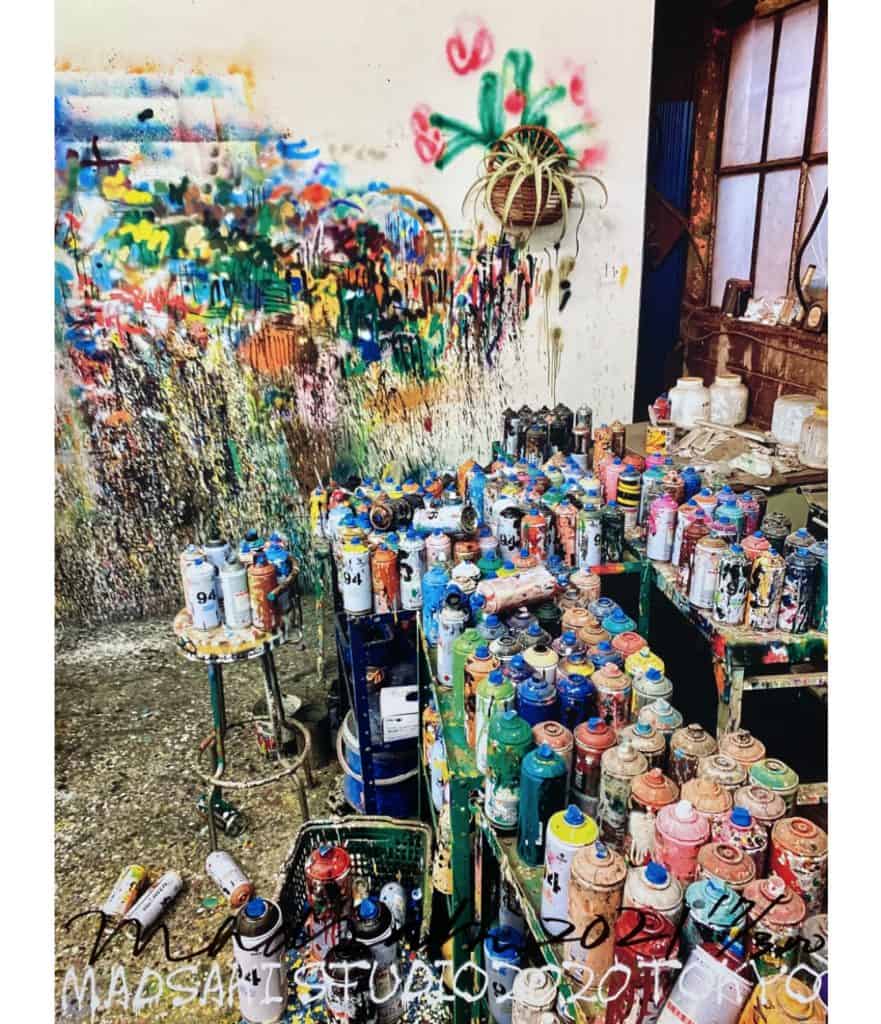
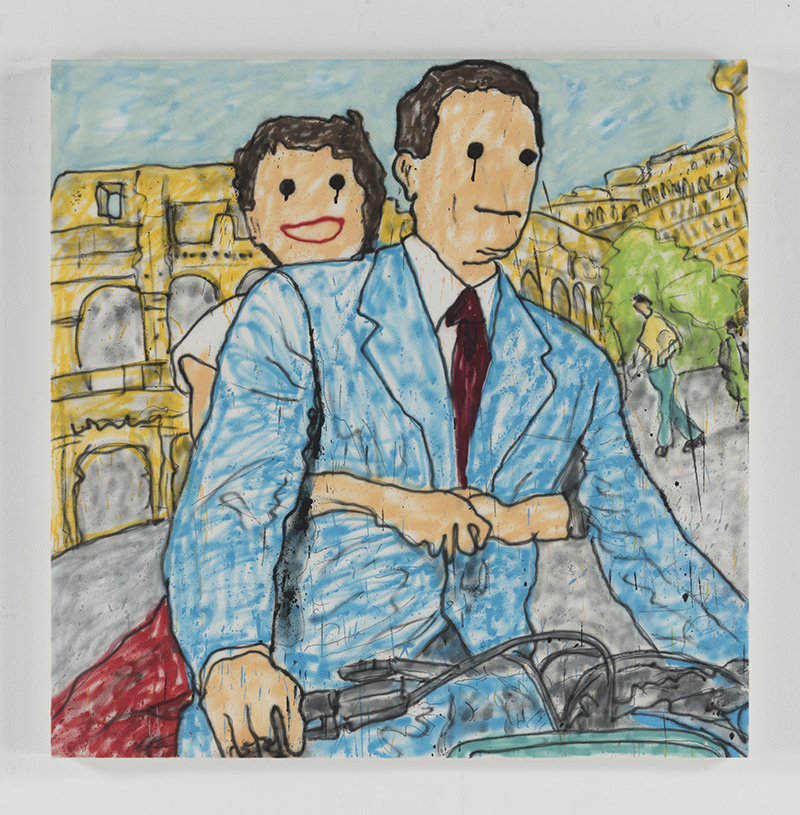
Madsaki Signed Poster (Studio 2020 Edition)
A bold and expressive limited edition print by MADSAKI, Studio (2020) reflects the artist’s distinctive fusion of fine art and street culture. Known for reinterpreting iconic imagery through a raw, irreverent lens, MADSAKI brings a sense of spontaneity and emotional intensity to this composition.
Authentication, Grading, and Condition Standards
PSA and Beckett primarily handle trading cards and sports memorabilia, however the autograph authentication divisions of both companies do certify art signatures. For a Madsaki signed poster, JSA Authentication and Beckett Authentication Services are the two most respected options in the current market. Although neither is perfect, both provide forensic signature comparison that adds a layer of protection against forgeries. Moreover, forgeries are more common in the street art poster market than most buyers acknowledge.
Condition Criteria for Poster Grading
Paper-based collectibles use a different grading vocabulary than card grading. For posters, professional appraisers assess four primary factors: paper integrity, color saturation and fading, edge and corner condition, and fold or crease presence. A Madsaki signed poster in truly mint condition means no folds, no fading, no foxing, and a signature applied with consistent ink flow showing no skipping or pressure variation. Additionally, original tube packaging or flat backing materials from the point of sale significantly strengthen a grading submission.
However, most collectors acquire these posters through secondary markets where storage conditions are unknown. In that scenario, UV light inspection under a blacklight reveals foxing and paper stress invisible to the naked eye. More importantly, the signature itself should show the natural variation of a hand-applied mark. Madsaki’s signatures have identifiable characteristics: a specific starting stroke on the M and a consistent tail on the final letter. Compare against verified examples before grading submission.
Hand-signed limited editions from artists with Gagosian or Perrotin representation consistently trade at 3 to 5 times the price of equivalent unsigned editions on the secondary market, regardless of print quality.
Storage and Display Considerations
A signed Madsaki poster stored incorrectly loses condition grade quickly. Acid-free backing boards, UV-protective glazing, and climate-controlled storage below 70 degrees Fahrenheit with relative humidity between 45 and 55 percent are non-negotiable for investment-grade pieces. Furthermore, direct sunlight exposure degrades spray-paint-style inks faster than traditional offset printing inks, which is relevant given Madsaki’s characteristic aesthetic. Display in indirect lighting, or invest in museum-grade UV film for window proximity installations.
Rare Inventory
Explore the full collection
Figures, art toys & limited editions — shipped across Europe from France.
Resale Dynamics and Market Timing
Madsaki’s resale market has matured considerably since his early collaborations with Kaws brought him into the streetwear collector orbit. Today, serious buyers track his work through LiveAuctioneers, Artsy, and the Japanese secondary platforms, particularly Mercari JP and Yahoo Auctions Japan, where domestic demand creates pricing floors that protect downside risk for Western holders.
Signed Posters vs Other Madsaki Formats
| Format | Typical Edition Size | Resale Multiplier vs Retail | Authentication Complexity |
|---|---|---|---|
| Signed Poster (Studio Edition) | Under 100 | 2x to 4x | Medium, JSA recommended |
| Original Screenprint | 30 to 75 | 5x to 10x | High, studio COA required |
| Licensed Collaboration Print | 200 plus | 1x to 1.5x | Low, brand COA sufficient |
| Unsigned Offset Poster | Open Edition | Below retail over time | Minimal |
This table clarifies the hierarchy. For the Studio 2020 Signed Poster specifically, resale performance aligns with the top tier of the signed poster category when provenance is clean and condition is strong. In contrast, unsigned equivalents or higher-edition works from the same period depreciate relative to retail over a five-year horizon.
Comparable Works in the Current Market
Madsaki’s Kung Fu Hustle II work, inspired by Stephen Chow, demonstrates how his film-adjacent and pop-culture-referential pieces carry additional collector audiences beyond the pure fine art market. Similarly, that crossover appeal lifts resale interest. Collectors who want to explore that adjacent piece can find it through Rare Inventory’s authenticated stock.
Licensed Collectible Characteristics
- Signature may be printed or stamped
- Brand or licensor issues the COA, not the studio
- Artist involvement limited to design approval
- Merchandise classification for customs and insurance
- Resale ceiling typically near retail price
Building a Madsaki Position in Your Collection
Treating a single signed poster as a standalone acquisition is a valid approach. However, serious collectors who follow Madsaki’s trajectory are building positions across formats: one or two signed posters as liquid secondary-market assets, one original print as a long-hold piece, and potentially collaborative objects that benefit from dual brand recognition. This strategy mirrors how institutional collectors approach editions-based artists like Richard Prince or Barbara Kruger, where format diversification manages category risk.
Additionally, timing matters. Madsaki’s market tends to spike around major exhibition announcements and brand collaboration drops. Buying in the quiet periods between those catalysts offers better entry pricing. The Studio 2020 Edition, now several years removed from its initial release, has stabilized in value in a way that makes it a lower-volatility entry point than fresh drops with uncertain demand depth.
Where to Buy the Madsaki Studio 2020 Signed Poster
Rare Inventory, based in France, carries authenticated stock of the Madsaki Studio 2020 Edition Signed Poster with shipping across Europe. For collectors outside Europe, the authenticated provenance and direct shipping capability eliminates the friction and forgery risk that comes with private secondary market transactions. Rare Inventory’s authentication standards make it a reliable source for a piece where COA integrity directly determines resale value.
Rare Inventory Recommends
Rare Inventory Editor’s Pick: The Madsaki Studio 2020 Edition Signed Poster is the right entry point for collectors building a street art and contemporary Japanese art position. It offers genuine limited-edition credentials, a hand-applied signature from an institutionally recognized artist, and secondary market liquidity that open-edition licensed products simply cannot match. Prioritize provenance documentation and store in archival conditions from day one. This is a hold, not a flip.
The Shop
Available Now at Rare Inventory
Pieces related to this article, in stock and ready to ship.


100% Authentic Shipped from France Free Shipping Over €200