Numbered, timed or open: what limited edition really means on a collectible
You find it. The poster, the figure, the diecast. The listing says “limited edition.” Your pulse quickens. You start doing math. Then you notice: no number anywhere. Just the phrase “limited edition,” floating there, doing almost no work. This happens every day to new collectors, and it costs them money. In fact, the term “limited edition” covers three completely different product structures, and each one behaves differently on the secondary market. Knowing the difference turns a gut purchase into a calculated one.
Limited edition collectibles fall into three distinct structures: numbered editions (a fixed print run with each piece marked by hand), timed or made-to-order editions (produced only during a set window), and open editions that carry the “limited” label purely as marketing. Each structure delivers a different level of genuine scarcity, and that scarcity drives resale value more than almost any other factor. Therefore, the smartest collectors learn to read edition type before they read price.
Round 1: What “Limited” Actually Means, Numbered vs. Timed vs. Open
The Numbered Edition: Scarcity You Can Read
First, consider the clearest form of scarcity: the numbered edition. Each piece carries a physical notation, typically a fraction hand-written on the work itself, like “47/300.” That fraction tells you exactly how many exist in the world. No guessing, no press releases, no brand promises required. As a result, the edition size is baked into the object.
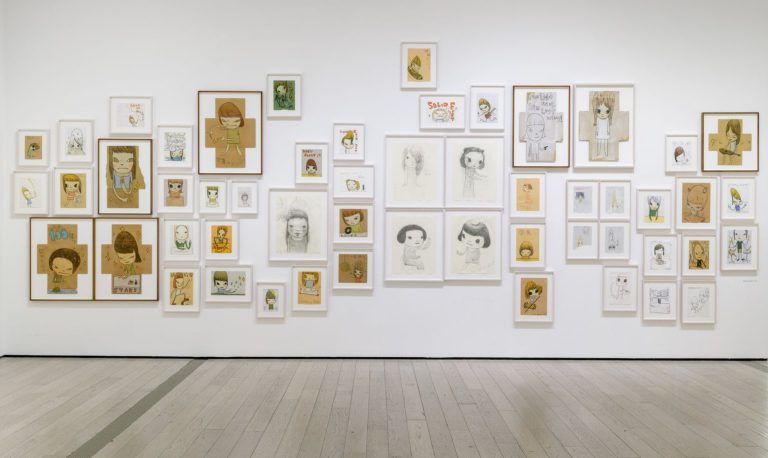
For example, the Madsaki “Studio 2020” print is a limited edition offset print of 300 editions, each hand signed and numbered by the artist. At 73.9 × 55.6 cm, it sits in that precise numbered-edition category where every copy has a fixed address in a closed universe of 300. That hard ceiling matters enormously to the secondary market. Once those 300 are absorbed, the supply never grows. Demand, however, can.
Additionally, numbered editions often come with a Certificate of Authenticity. These pieces are hand-signed by the artist on the front and include a certificate issued by the gallery. That documentation chain, the number, the signature, the certificate, makes grading and authentication far more straightforward than any other edition type.
The Timed Edition: Scarcity You Have to Trust
Next, timed editions work differently. Instead of a fixed count, the manufacturer produces pieces only during a defined window, then closes the run permanently. The final quantity depends on demand during that window, so buyers never know the true edition size until the window closes. However, the “never reproduced” promise, when honored, still creates real scarcity.
The INNO64 Porsche 997 LBWK Jaden.C Sunflowers Carloverdiecast Special Edition comes with a special packaging box and is described as limited units that will never be reproduced again. The model ships with a display base, acrylic cover, and paper sleeve, with real rubber tires and detailed exterior and interior finish. That premium packaging signals intent: this piece targets the display shelf, not the toy box. The 997 LBWK Jaden.C Sunflowers is a Carloverdiecast special edition, an Asia-exclusive collaboration with a major regional distributor.


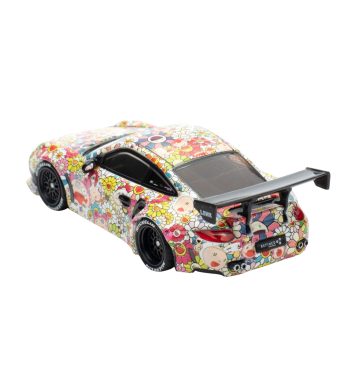
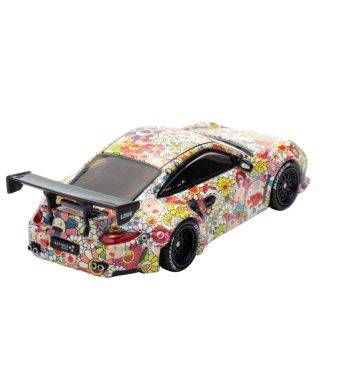
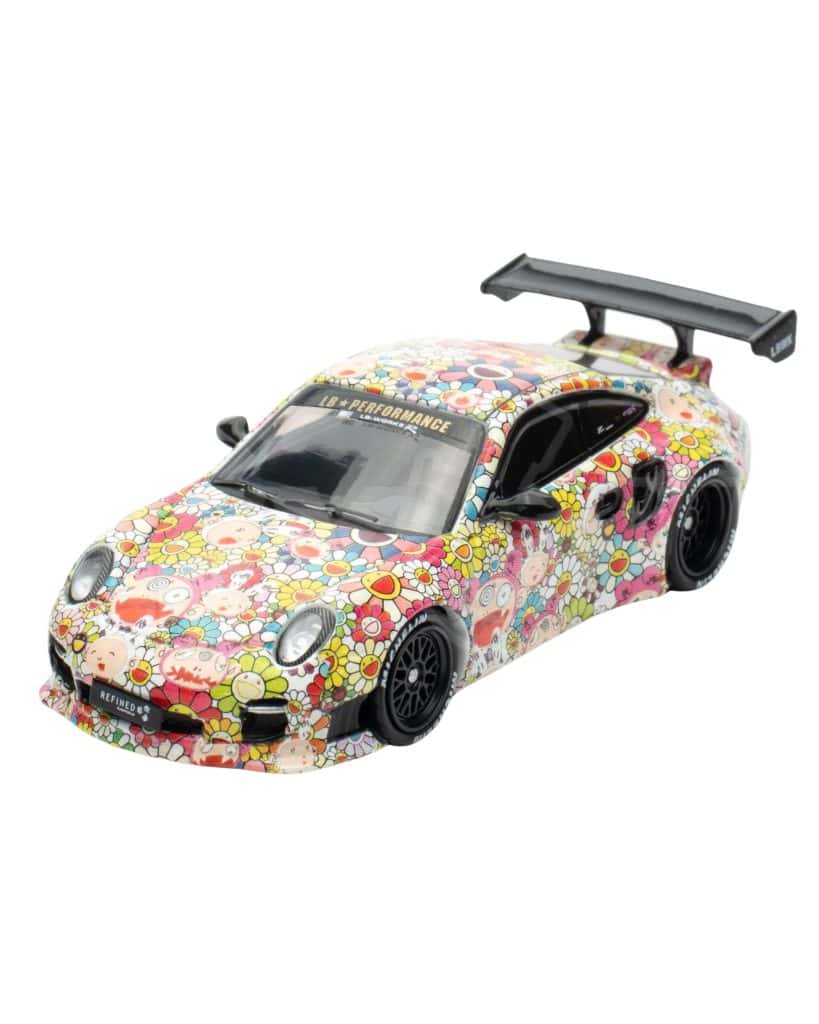
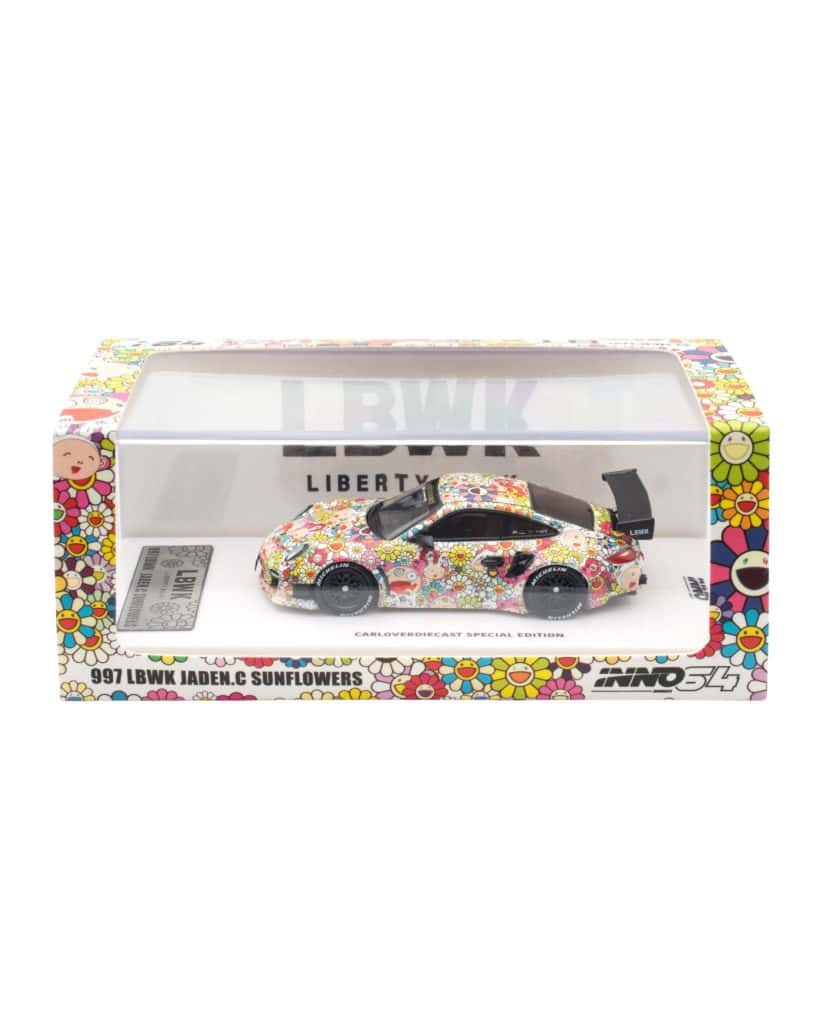
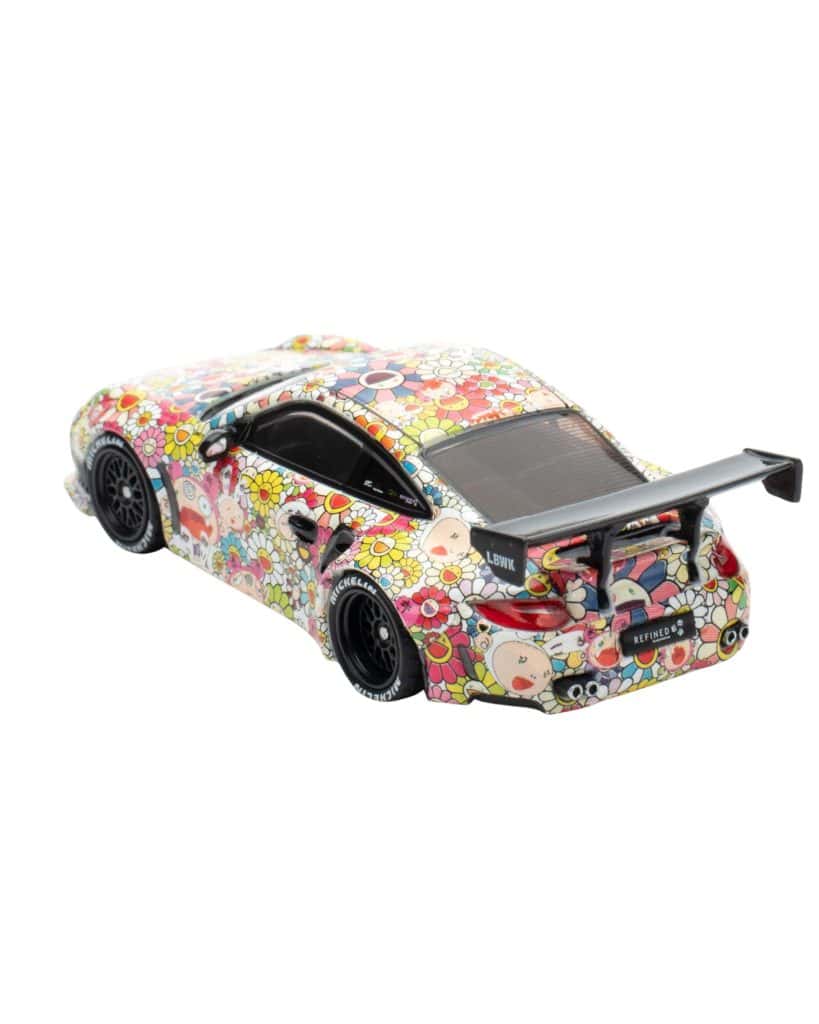
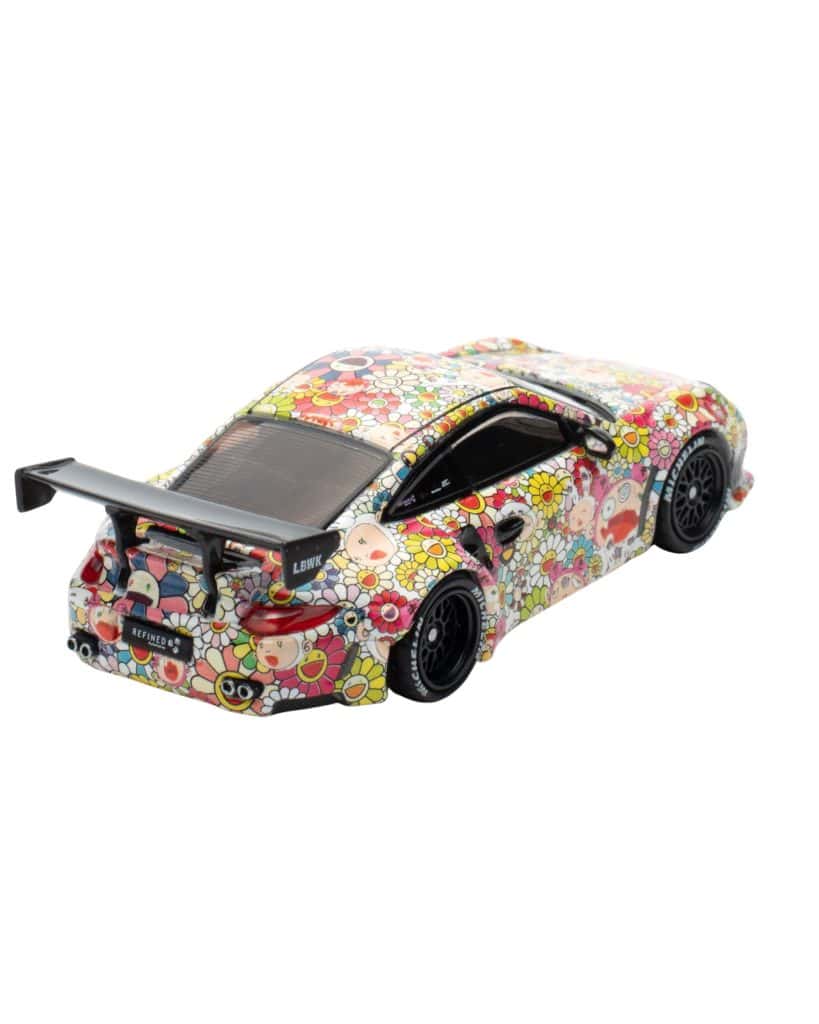
Porsche 997 LBWK Jaden.C Sunflowers Carloverdiecast Special Edition | INNO64 1:64
Official INNO64 1/64 scale die-cast model of the Porsche 997 LB-Works in the Jaden.C Sunflowers livery by Takashi Murakami, produced as a Carloverdiecast special edition. The full-wrap print covers every panel with Murakami’s iconic smiley flowers and Kaikai Kiki characters, finished on deep dish black wheels with LB Performance branding across the windshield.
Most importantly, timed editions demand that you trust the brand. Some manufacturers honor the window, while others reissue under a slightly different colorway and call it new. Research the producer’s track record before you commit.
The Open Edition: The Word “Limited” Doing Heavy Lifting
Finally, open editions carry no fixed run and no closing date. The manufacturer produces as many as the market will absorb. Some open editions do stop production eventually, but that decision happens on the business side, not the creative side. For collectors, that difference is everything. An open edition can theoretically flood the market at any moment, capping or reversing any secondary market premium.
Similarly, the phrase “special edition” sometimes signals nothing more than a packaging upgrade or regional exclusivity rather than a genuine production limit. Always push past the label and find the actual number or the actual closing window.
Round 1 Verdict: Numbered editions win on transparency. Timed editions win on accessibility. Open editions rarely win on collectibility.

Explore the full collection
Figures, art toys & limited editions — shipped across Europe from France.
Round 2: Limited Edition Collectibles and Real Market Value
How Edition Size Drives Resale
The art toy market rewards scarcity with a multiplier. A numbered edition of 50 from a respected artist behaves like a blue-chip print. An edition of 5,000 from the same artist, on the other hand, behaves like retail stock. The math is straightforward: lower supply plus stable or growing demand equals price appreciation.
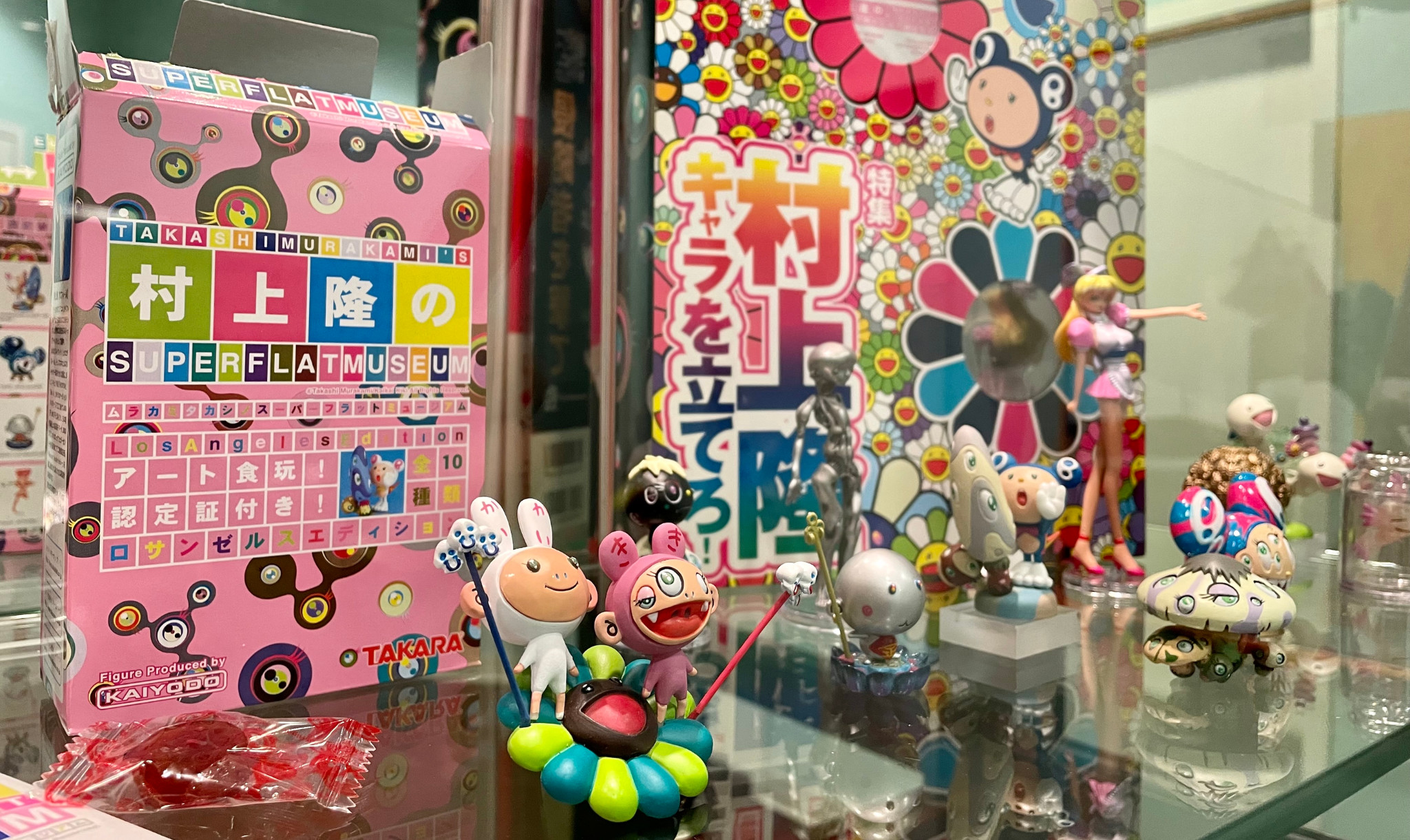
Consider the Kaiyodo Takara x Takashi Murakami Complete 10 Figure Set (2003), available at Rare Inventory for €160. This is the Takashi Murakami Superflat Museum complete set of 10 plastic figures, each accompanied by a pamphlet and serial number certificate, executed in 2003 from the Japan edition. The set includes iconic Murakami characters: Mrs. Ko2, DOB, Kaikai Kiki, and other favorites. More than two decades after production, finding a complete, intact set grows harder each year as pieces scatter across private collections. That attrition, not any reprint, drives the floor price up.


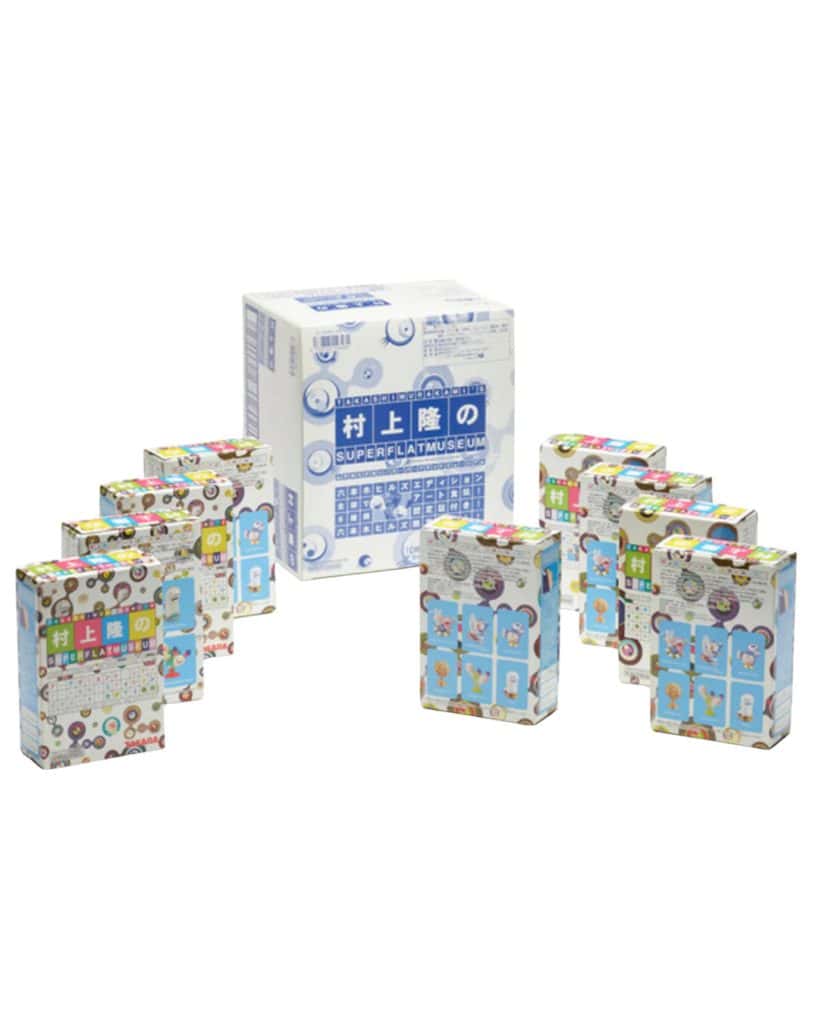
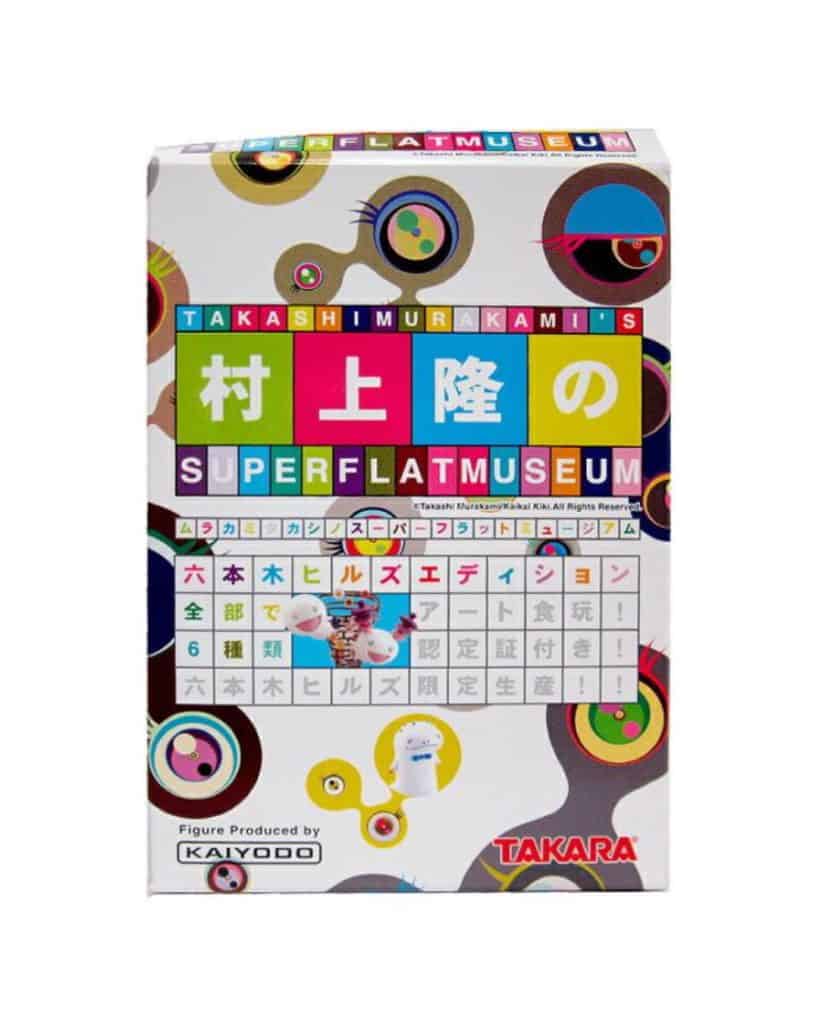
Kaiyodo Takara × Takashi Murakami Superflat Museum Complete 10 Piece Figure Set
In contrast, the BoTT x Verdy Visty Vinyl Figure, priced at €382 at Rare Inventory, sits in a different tier. Verdy, creator of the Girls Don’t Cry and Wasted Youth brands, brings an instantly recognizable aesthetic to the art toy world. Verdy’s Visty character collaborations routinely sell out during the initial drop window. Because of this, verified post-drop availability carries a significant premium over retail.
The AP Problem: Artist Proofs Are Not Free Additions
Here is the little-known fact that surprises most new collectors: most numbered editions include artist proofs, abbreviated as AP, on top of the stated edition size. For instance, the Madsaki Studio 2020 print carries the notation “Edition 17/300 + 1AP,” confirming that artist proof copies exist beyond the 300 standard editions. APs typically number between 10% and 15% of the main edition. They circulate separately, often at a premium, and they technically expand the real-world supply. Therefore, always ask: what is the full edition size, including APs?
The Packaging Equation
The INNO64 Jaden.C Sunflowers model functions as a small piece of art, with its super premium packaging and display box. That presentation is not cosmetic. Sealed, undamaged packaging preserves the collectible story. A numbered print removed from its tube loses provenance. A diecast model displayed outside its acrylic case accumulates dust and micro-scratches. Additionally, condition and packaging interact with edition type: a low-numbered piece in damaged packaging can trade below a higher-numbered piece in pristine original packaging.
For more on why sealed condition protects long-term value, read the Rare Inventory guide on why sealed boxes hold their value.
Round 2 Verdict: Numbered editions with low APs and complete packaging hold value most predictably. Timed Asia-exclusive editions like the INNO64 Jaden.C Sunflowers can spike sharply in the short term due to regional distribution limits.
Round 3: How to Verify an Edition Before You Buy
The Four Checks Every Collector Should Run
First, find the physical number. On prints, the fraction appears in pencil below the image. On figures, a serial card or base stamp typically carries the edition info. If neither exists, you are looking at an open edition regardless of what the listing claims.
Second, trace the publisher. Madsaki prints in brand-new, original condition from Kaikai Kiki come with the original publisher’s shipping box, which confirms the provenance chain. Kaikai Kiki Co., Ltd. serves as both publisher and authentication source for Madsaki editions, meaning the publisher’s documentation carries real institutional weight. For figures, brands like Good Smile Company, Medicom Toy, and Kotobukiya maintain verifiable production records.
Third, check the distributor’s exclusivity claim. The INNO64 Porsche 997 LBWK Jaden.C Sunflowers carries a China exclusive special edition designation, which means regional distribution limits add a layer of scarcity on top of any production cap. Pieces locked to one territory reach international collectors through the secondary market only, and this structure supports premium pricing.
Fourth, search for secondary market sell-through data. If the secondary market price sits at or below retail after six months, demand has not outpaced supply. That is useful information regardless of what the edition label says.
The “Special Edition” vs. “Limited Edition” Distinction
Moreover, “special edition” and “limited edition” mean different things in practice. Special edition typically signals a variant, a colorway, a packaging upgrade, or a regional exclusive, without necessarily capping the total unit count. The INNO64 997 LBWK Jaden.C Sunflowers carries both designations: Carloverdiecast Special Edition and type classification as a Limited Edition diecast. That dual designation, retailer-exclusive plus production cap, represents the strongest combination available in the timed edition category. Even so, always verify the cap number if one exists, because some “limited” diecast editions run into the tens of thousands.
Round 3 Verdict: Numbered editions remain the easiest to verify. Timed and special editions require distributor-level research. Open editions with “limited” in the name, however, require the most skepticism.
Explore the full collection
Figures, art toys & limited editions — shipped across Europe from France.
The Scoreboard
| Criterion | Numbered Edition | Timed / Special Edition | Open Edition |
|---|---|---|---|
| Scarcity Transparency | High | Medium | Low |
| Verification Ease | Easy | Moderate | Difficult |
| Resale Premium Potential | High | Medium to High | Low |
| Secondary Market Stability | Strong | Variable | Weak |
| Entry Cost | Higher | Medium | Low |
| Best For | Long-term collection building | Regional / collab hunters | Display and enjoyment |
Available Now at Rare Inventory
Available Now at Rare Inventory Kaiyodo Takara x Takashi Murakami Complete 10 Figure Set (2003), €160: A 23-year-old complete set from the Superflat Museum series, with serial number certificate and pamphlet. One of the strongest entry points into verified Murakami collectibles at this price. BoTT x Verdy Visty Vinyl Figure, €382: A collaboration piece from one of the most consistent names in the contemporary art toy market. Verdy’s Visty character commands a collector audience across fashion, art, and toy communities simultaneously.
Explore the full collection
Figures, art toys & limited editions — shipped across Europe from France.
Where to Buy
Rare Inventory, based in France, stocks verified limited edition collectibles across art prints, vinyl figures, and designer toys, and ships across Europe. Browse the full selection at rareinventory.com. Every piece ships with appropriate provenance documentation, so you never have to take the edition label on faith alone.

Are limited edition collectibles a good investment?
Numbered limited edition collectibles from verifiable publishers have a strong track record on the secondary market, particularly when edition sizes stay under 500 and the artist maintains cultural relevance. That said, no collectible guarantees appreciation. Condition, completeness, and provenance documentation matter as much as the edition number itself. Timed and open editions carry more resale risk, because supply can expand or the brand can reissue without warning.
What does “edition of 300” mean on a print or figure?
It means the manufacturer produced exactly 300 copies of that specific work, each marked with a unique number. The fraction “47/300” means you own the 47th piece in that run. Additionally, most editions include a small number of Artist Proofs beyond the stated count, so always ask whether APs exist and how many. The total real-world supply equals the edition number plus the AP count.
Does a signed collectible without a number still hold value?
A signature alone confirms authenticity but not scarcity. Without an edition number, buyers cannot determine how many signed copies circulate. Some open-edition pieces carry printed or stamped signatures that further dilute the signal. For maximum secondary market confidence, look for both: a hand signature and a hand-written edition number, ideally supported by a Certificate of Authenticity from the publisher.
How can I tell if a “special edition” diecast or figure is genuinely limited?
First, check the manufacturer’s official page for a stated production cap. Second, look for retailer-exclusive designations from verifiable distributors, as regional exclusives structurally limit international supply even without a strict unit cap. Third, check whether the manufacturer has a history of reissuing “special edition” colorways under new names, which is common in some diecast lines. Producers like Inno Models publish their SKU numbers and edition details publicly, making verification straightforward.
The Shop
Available Now at Rare Inventory
Pieces related to this article, in stock and ready to ship.


100% Authentic Shipped from France Free Shipping Over €200