Living Dead Dolls Series 1 and 3: the figures that started it all
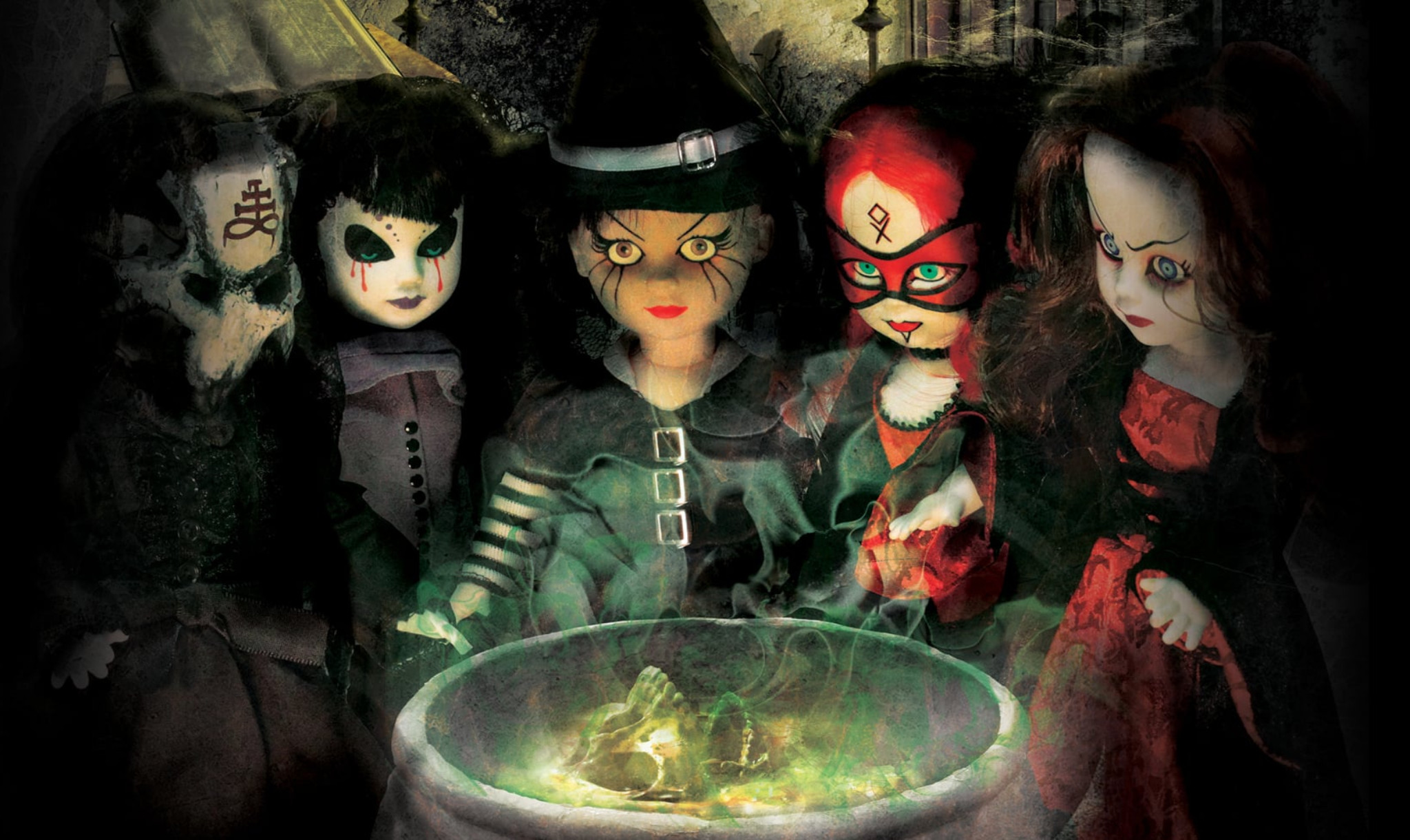
Some collectible lines earn their reputation over decades. Living Dead Dolls earned theirs in a single year. First introduced in 1998 by Ed Long and Damien Glonek as a genuine outsider art project, the dolls hit shelves through Mezco Toyz starting in 2000 and immediately broke every convention the toy industry thought it needed. They were disturbing, they were beautiful, and they were absolutely not for children. Series 1 and Series 3 represent the foundational chapters of that story, and serious collectors still chase original editions from both runs today.
This guide covers what makes these early series so significant, which characters carry genuine collector weight, and how to approach the secondary market without overpaying or getting burned by counterfeits.

Explore the full collection
Figures, art toys & limited editions — shipped across Europe from France.
Living Dead Dolls Series 1 and 3 are the foundation of the entire line: the 1998-era releases that turned a basement art project by Ed Long and Damien Glonek into a cult collectible, with Damien as the anchor character and death certificates as built-in provenance. Here is why these early series carry the collector weight, and what to pay for them.
The Origin Story: Why Series 1 Changed Everything
From Basement Project to Cult Line
Before Mezco Toyz brought Living Dead Dolls to mass production, Long and Glonek were handcrafting each doll individually and selling them at horror conventions. That origin matters. First, it explains why the aesthetic feels so deliberately raw and personal. Additionally, it created an immediate authenticity gap between the handmade originals and the production versions, which only deepened collector demand for the earliest Mezco releases.
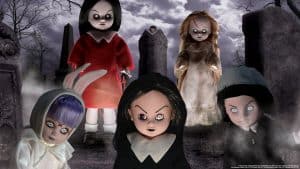
Series 1 launched with five core characters: Damien, Posey, Sadie, Boo, and Inferno. Each came in a coffin-shaped box with a death certificate, a design decision that became one of the most iconic packaging formats in the modern collectible market. However, what made Series 1 genuinely special was how uncompromising it was. Mezco did not soften the imagery for retail. The dolls looked like they belonged in a Tim Burton fever dream crossed with a Victorian mourning portrait.
Damien: The Anchor Character
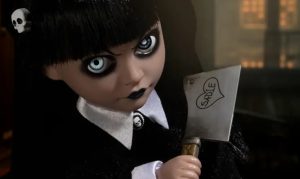
Damien is the character most associated with Series 1 and, frankly, with the entire line. His design draws directly from classic horror tropes: pale porcelain-style face, sunken eyes, formal Victorian-adjacent clothing, and a presence that reads as genuinely unsettling rather than campy. First editions of Damien in original coffin packaging regularly command serious premiums on the secondary market. Condition of the death certificate and box insert is critical to value here. A loose Damien without paperwork is a display piece. A sealed or complete Damien with all inserts is an investment.
You can find Damien from Living Dead Dolls Series 1 at Rare Inventory, one of the few European sources carrying original Series 1 pieces.
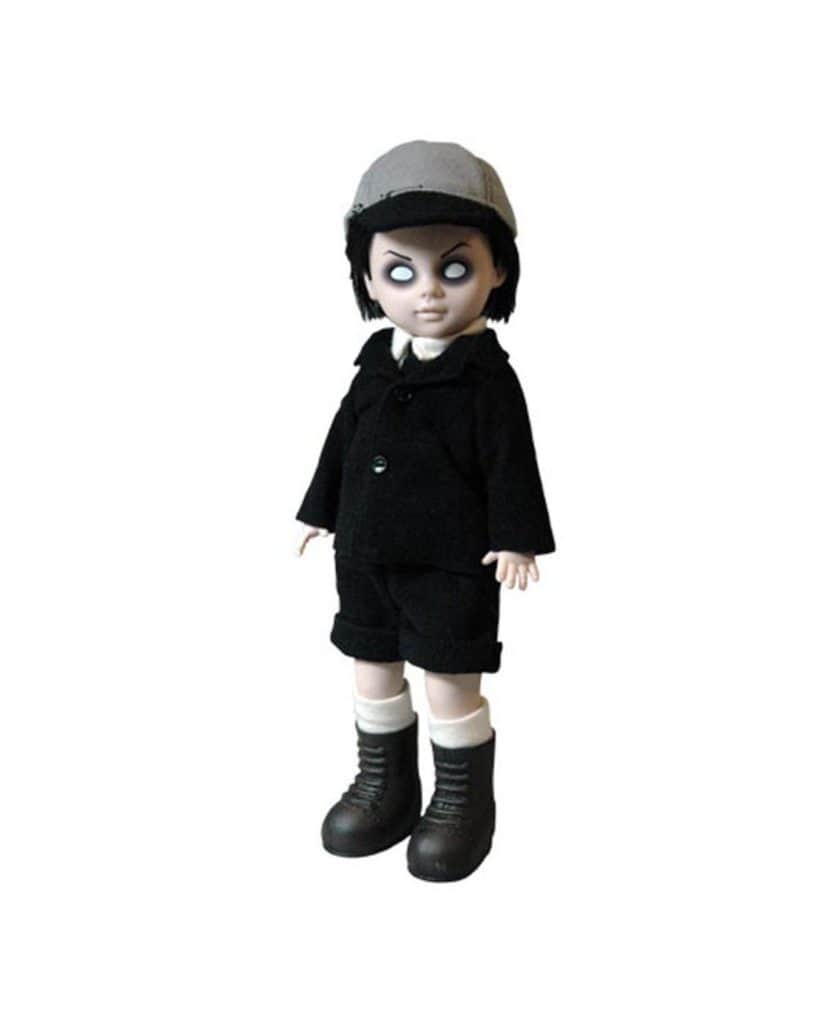
Damien – Living Dead Dolls Series 1 Figure | Mezco Toyz
This is the one that started it all. Damien is one of the original characters from the very first series of Living Dead Dolls, the iconic horror collectible line that launched in 1998 and went on to become the world’s longest continually running series of horror-themed collectible dolls. Over two decades later, an original Series 1 Damien in factory-sealed condition is a genuinely rare find, a true piece of horror collectible history.
Series 3: Where the Mythology Deepened
The Leap From Novelty to Narrative
By Series 3, Mezco had enough confidence in the line to push the storytelling further. The characters became more specific, their backstories more developed, and the production quality noticeably improved. That said, Series 3 still retained the handmade aesthetic DNA of the original convention pieces, which is why collectors rate it almost as highly as Series 1.
Series 3 introduced characters like Walpurgis Anna, whose design pulled from European witch trial iconography, and Lilith, who leaned heavily into succubus mythology. For the first time, the line felt genuinely encyclopedic, as though Mezco was building a complete universe of the damned rather than just producing individual shock pieces.
The Death Certificate System as Collector Infrastructure
Every Living Dead Doll across Series 1 and 3 ships with a personalized death certificate detailing the character’s cause of death, age, and epitaph. This was not a gimmick. First, it created an immediate secondary market for complete sets where the paperwork matched the doll. Additionally, it set a standard for storytelling through packaging that influenced the entire designer toy space. Funko eventually borrowed elements of this approach. So did several Japanese sofubi producers. However, none executed it with the same gothic commitment as Mezco in those early series.
For grading purposes, treat the death certificate exactly like you would treat a card insert in trading card collecting. Creases, tears, and fading all impact value. A PSA-style hard case is not standard for Living Dead Dolls, but some high-end collectors are now using acrylic UV-protective cases for sealed coffin boxes, particularly for Series 1 pieces.
Collector Market Dynamics: Secondary Pricing and What Drives It
Series 1 Rarity in Context
Original Series 1 production runs were relatively small by today’s collectible standards. Mezco was still an emerging company in 2000, distribution was limited, and the horror collectible market had not yet matured into the organized secondary market infrastructure it has now. As a result, finding complete Series 1 sets in original packaging is genuinely difficult. Individual characters in good condition with paperwork routinely appear in the 80 to 200 euro range depending on character and condition. Damien and Sadie consistently lead pricing across European and North American secondary markets.
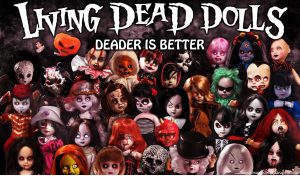
Meanwhile, the broader Living Dead Dolls secondary market benefits from the line’s continuous expansion. Mezco has now released over 30 series, and that ongoing production keeps new collectors entering the ecosystem. However, those newer collectors almost always eventually chase Series 1 and 3 as the prestige acquisitions in their collections. That sustained demand is exactly what keeps early series prices from softening.
How Later Series Compare on Resale
Later series like 21 and 23 represent Mezco at its most technically refined. The Desmodus from Series 21 at 110 euros demonstrates exactly how much the production quality evolved, with intricate bat-themed detailing and a more sophisticated paint application than anything in the early series. Similarly, Ezekiel from Series 23 at 105 euros and Jennocide from Series 23 at 100 euros show the current production standard.
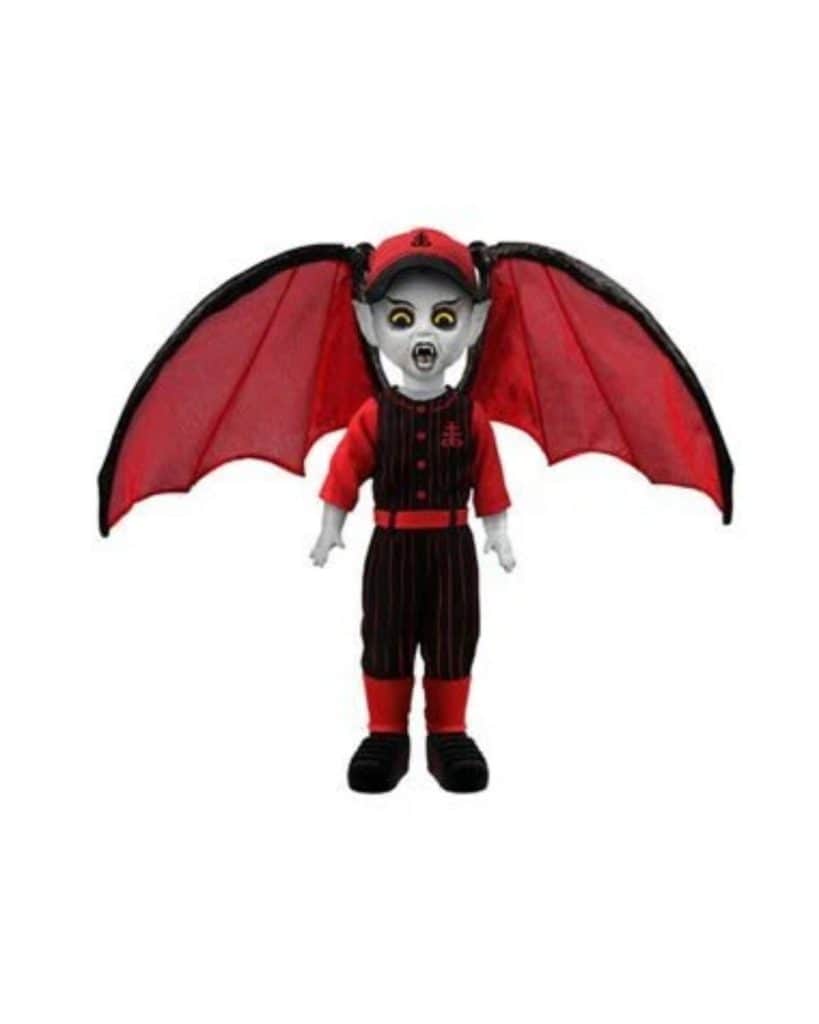
Desmodus Living Dead Dolls Series 21 Figure | Mezco Toyz
Add a sinister creature of the night to your horror collection with the Desmodus Living Dead Dolls Series 21 Figure by Mezco Toyz. Part of the iconic Living Dead Dolls lineup, Desmodus features a creepy bat-inspired design with sharp fangs, pointed ears, and gothic clothing that perfectly captures the unsettling style of the series.
However, technical refinement does not automatically translate to collector prestige. Series 1 and 3 pieces carry historical significance that later series simply cannot replicate. That said, Series 21 and 23 are solid entry points for new collectors who want to participate in the ecosystem without paying early-series premiums.
| Series | Year | Key Characters | Secondary Market Range | Collector Prestige |
|---|---|---|---|---|
| Series 1 | 2000 | Damien, Posey, Sadie, Boo, Inferno | 80-200+ euros (complete) | Extremely High |
| Series 3 | 2001 | Walpurgis Anna, Lilith | 60-150+ euros (complete) | Very High |
| Series 21 | 2014 | Desmodus, others | 50-110 euros | Moderate |
| Series 23 | 2016 | Ezekiel, Jennocide | 45-105 euros | Moderate |
Authentication and Condition: What to Check Before You Buy
Spotting Counterfeits in Early Series
Living Dead Dolls counterfeits exist, and they are most common for Series 1 and 3 precisely because demand is highest there. First, check the coffin box construction. Original Mezco boxes use a specific weight of cardboard with a matte finish on the exterior and a satin-style interior lining. Counterfeits almost always use thinner cardboard and miss the interior lining texture entirely. Additionally, examine the death certificate paper stock. Originals use an aged, slightly textured paper that counterfeits typically replicate with standard printer paper.
Beyond that, check the doll’s face paint. Mezco’s early hand-application process created slight variations between individual dolls, which is actually a positive authenticity indicator. Counterfeits tend to have suspiciously uniform, over-clean paint applications. The stitching on original clothing is also a strong tell: authentic pieces use period-appropriate fabric types with real hand-finishing details.
Explore the full collection
Figures, art toys & limited editions — shipped across Europe from France.
Condition Grading Priorities
For Living Dead Dolls, grade in this order of importance: box integrity, death certificate condition, doll face paint, clothing condition, and accessories. A doll with a mint-condition box and perfect death certificate but slightly rubbed face paint is still a strong specimen. In contrast, a doll with perfect paint but a damaged or missing death certificate loses significant collector value. This mirrors the insert-card logic of the trading card market exactly.
| Condition Factor | Impact on Value | Common Issues |
|---|---|---|
| Coffin Box | High | Corner crush, fading, moisture damage |
| Death Certificate | High | Creasing, tears, missing entirely |
| Face Paint | Medium-High | Rubbing, yellowing on pale areas |
| Clothing | Medium | Fading, loose threads, staining |
| Accessories | Medium-Low | Loss of small pieces |
Rare Inventory Recommends
If you are building a Living Dead Dolls collection with long-term value in mind, prioritize Series 1 and 3 complete specimens first. Damien from Series 1 is the single most important acquisition in the entire line. For collectors entering at current market pricing, the Series 21 and 23 pieces at Rare Inventory, including Desmodus, Ezekiel, and Jennocide, offer strong display quality at accessible price points while you build toward the early series acquisitions.
Where Living Dead Dolls Sit in the Broader Collectible Landscape
The Horror Collectible Ecosystem
Living Dead Dolls occupy a specific and defensible niche: premium horror collectibles with genuine art object credentials. They are not action figures. They are not plush toys. First, they pull from a legitimate fine art tradition of memento mori and Victorian mourning culture. Additionally, they predate the designer toy movement’s mainstream acceptance, which gives them an outsider credibility that brands like Medicom Toy built their own premium positioning around, though in a very different aesthetic direction.
For collectors who want to understand Mezco’s full catalog beyond the doll format, Rare Inventory carries a range of their releases. However, Living Dead Dolls remain the line most consistently appreciated by collectors outside the traditional action figure community, including fashion collectors, horror enthusiasts, and contemporary art buyers.
Japanese Market Awareness
The Japanese secondary market for Living Dead Dolls is smaller than the North American and European markets but not insignificant. Japanese collectors tend to focus on the line’s connection to visual kei aesthetics and Gothic Lolita fashion culture. As a result, characters with stronger visual alignment to those aesthetics, particularly female characters with elaborate clothing from Series 3, see elevated interest from Japanese buyer segments. This creates occasional arbitrage opportunities for European collectors buying domestically and selling into Japanese platforms.
Where to Buy
Rare Inventory, based in France and shipping across Europe, is one of the most reliable European sources for Living Dead Dolls across multiple series. Their catalog includes both current market pieces and harder-to-find earlier series characters. Browse the full selection at rareinventory.com for authentic, condition-verified specimens with shipping across Europe.

Frequently asked questions
What makes Series 1 Living Dead Dolls more valuable than later series?
Series 1 represents the first commercial production of the line, with smaller print runs and significant historical importance in the horror collectible market. Additionally, the combination of limited availability and sustained collector demand has driven consistent price appreciation. Complete specimens with original death certificates and intact coffin boxes are the most valued configurations.
How do I verify that a Living Dead Doll is an original Mezco production?
First, examine the coffin box cardboard weight and interior lining texture. Original Mezco boxes use a specific matte exterior finish and satin-style interior that counterfeits consistently miss. Additionally, check the death certificate paper stock for the aged, slightly textured feel of original printings. Face paint variation between individual dolls is also a positive authenticity indicator for early series pieces.
Are Series 21 and 23 worth buying as investment pieces?
Series 21 and 23 are strong display acquisitions and solid entry points into the ecosystem. However, they do not carry the historical significance of Series 1 and 3, so long-term appreciation potential is lower. That said, characters like Desmodus, Ezekiel, and Jennocide represent Mezco’s technical peak and will remain desirable to horror collectors for years.
Does the Japanese market affect Living Dead Dolls pricing in Europe?
The Japanese market’s influence on Living Dead Dolls pricing is real but selective. Characters with visual kei or Gothic Lolita aesthetic alignment, particularly female characters from Series 3, see elevated Japanese demand. This occasionally creates secondary market pressure on specific characters while leaving others at more stable European market pricing.
The Shop
Available Now at Rare Inventory
Pieces related to this article, in stock and ready to ship.


100% Authentic Shipped from France Free Shipping Over €200