BAPE magazine appendix pieces: why these limited inserts are serious collectibles
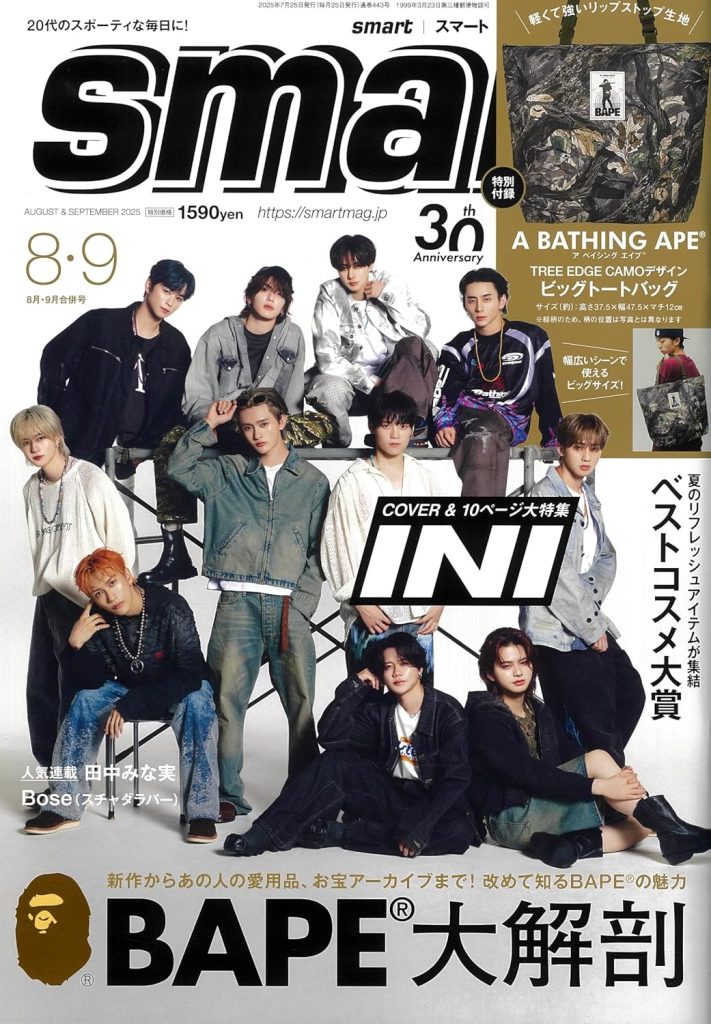
When did a tote bag bundled with a magazine become worth more than the magazine itself? For serious collectors of A Bathing Ape, that question has a very clear answer: always. BAPE eMook appendix pieces are not bonus merch. They are the main event, and the next 6 to 12 months will prove it to everyone who still treats them as an afterthought.
Prediction 1: Nigo-Era Appendix Pieces Will Hit New Price Ceilings (Confidence: High)
The Supply Problem Is Already Locked In
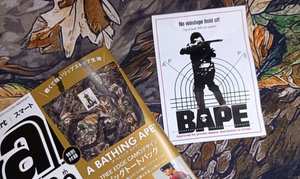
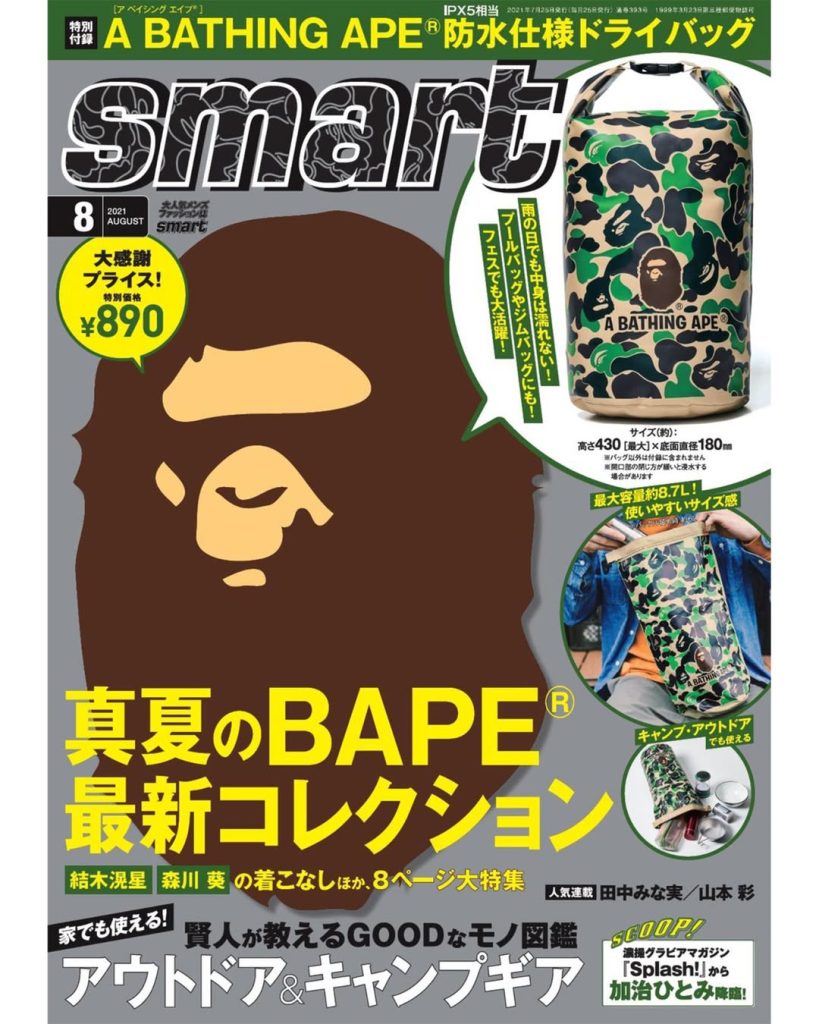
Supply is fixed, yet demand keeps growing. Since 2005, BAPE has published a full-color seasonal magazine called an eMook. Moreover, each seasonal issue included a physical appendix. Typically, this meant a bag, an accessory, or a small functional item made exclusively for that publication. BAPE never sold these items separately in stores. In short, that sentence is the entire investment thesis in one line.
Why the 2005 to 2010 Window Matters Most
Vintage Nigo-era pieces already reach 300 to 500 percent of retail. However, appendix items from the 2005 to 2010 window are even tighter. Because BAPE has shaped streetwear culture for decades, its collector market now spans generations. As a result, vintage pieces from the Nigo era, pre-2011, keep appreciating as assets. Additionally, international buyers who missed these pieces at Japanese bookstore retail now compete directly with domestic Japanese collectors. Consequently, available supply keeps shrinking.

Explore the full collection
Figures, art toys & limited editions — shipped across Europe from France.
Authentication Is a Meaningful Moat
Authentic BAPE pieces carry specific WGM tag placement, correct washing label text, and tight consistent stitching on the ape head logo. In addition, Japan-produced items include Japanese text on care labels. Counterfeit manufacturers frequently get this text wrong. For appendix pieces, that authentication layer is even cleaner. Specifically, official appendix items for Takarajima magazines carry provenance that ties them to one season and one publication. Because of that paper trail, buyers can spot fakes faster. Likewise, genuine pieces become more defensible at high price points.
Prediction 2: Western Collectors Will Rediscover the Japanese Mook Format (Confidence: High)
The Education Gap Is Closing Fast
Most Western collectors still do not fully understand what a mook is. First, some context: a mook is a Japanese hybrid publication, part magazine, part book. Publishers release them seasonally and sell them at major bookstore chains. In Japan, magazines collaborate with brands to release exclusive bags or accessories as appendices. While this type of collaboration is common in Japan, it remains unfamiliar overseas.
However, that unfamiliarity is collapsing. Over the last three years, Western sneaker and streetwear culture has aggressively studied the Japanese collector market. As a result, knowledge that once belonged only to Japan-based buyers now circulates widely in English-language collector communities. Beyond that, the broader collectibles market is expanding rapidly. In fact, the global collectibles market is on pace to reach $602.4 billion (about €537.1 billion) in 2026, growing at a 6.4 percent CAGR. Therefore, new capital is actively seeking undervalued categories. BAPE appendix pieces are one of those categories.
The eMook Lineup Spans Every Taste
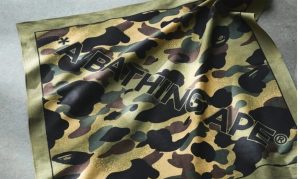
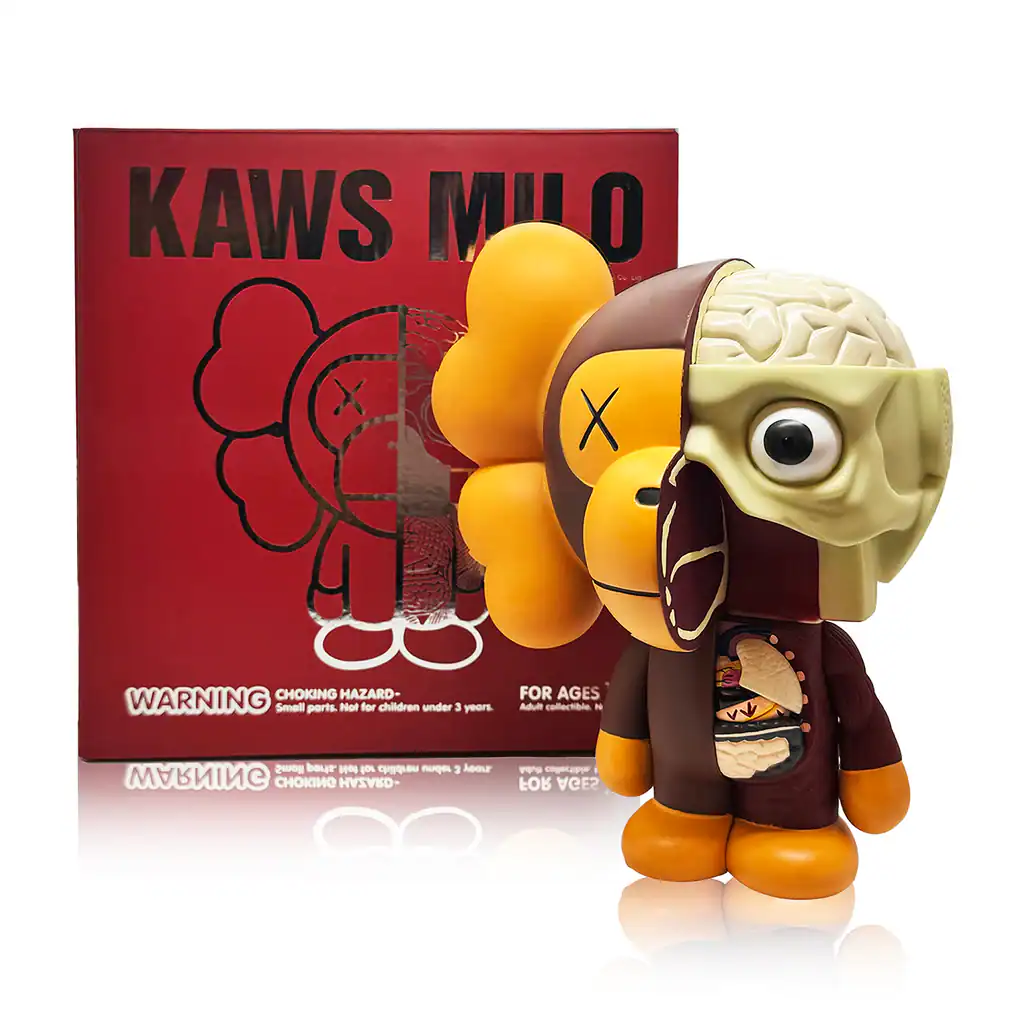
Each BAPE eMook includes the newest BAPE fashions, interviews with cultural trendsetters, and a mix of editorial fare. However, the appendix items are the real range. For example, the format covers ABC camo tote bags, Milo pouches, blankets, backpacks, shoulder bags, and even a Bapex clock. Consequently, entry points exist at every budget. Options run from sub-$100 (about €89) tote bags up to grail-tier punch dolls and Baby Milo fleece pieces from 2006 and 2007.


| Appendix Type | Era | Collector Tier | Secondary Market Activity |
|---|---|---|---|
| Baby Milo Punch Doll | 2006 | Grail | Very High |
| Baby Milo Fleece Blanket | 2007 | High | High |
| Bapex Clock | 2009 | High | High |
| ABC Camo Tote Bag | 2010 to 2013 | Mid | Consistent |
| Milo Crossbody Pouch | 2021 to 2023 | Entry | Growing |
| Camo Duffle / Backpack | 2020 to 2022 | Mid | Consistent |
Prediction 3: Complete Sets Will Command a Serious Premium Over Appendix-Only Listings (Confidence: High)
The Magazine Transforms the Piece Into a Document
Most appendix pieces currently trade on the secondary market as standalone items. In other words, sellers separate them from their original publication. That separation costs money. By contrast, a complete set pairs the magazine with a sealed or near-mint appendix in its original packaging. Together, they tell a full provenance story. For dedicated collectors, provenance is everything.
For example, a 2007 Baby Milo fleece blanket sold loose commands a solid premium. However, the same blanket with its original eMook in collectible condition commands materially more. The reason is simple: the pair functions as a time capsule. Those eMook pages documented the first KAWS collaborations, the Pharrell Roadstas, and the Kanye Bapestas. Today, those years form the cultural core of the entire BAPE mythology. Therefore, the magazine is part of the artifact.
Explore the full collection
Figures, art toys & limited editions — shipped across Europe from France.
Grading Is the Next Frontier
PSA and BGS have trained the market to pay massive premiums for graded cards. The same logic is migrating to other collectible categories. Appendix bags still in sealed packaging are the analog here. A sealed 2006 multi-camo appendix bag in its original outer packaging is as close as the streetwear world gets to a PSA 10. Expect the secondary market to start pricing sealed condition exponentially above open condition over the next 12 months as collector sophistication increases.
Meanwhile, the broader art toy and collectibles sector is experiencing significant market expansion, with industry forecasts projecting the global collectibles market reaching $480.75 billion (about €428.7 billion) through 2033. That wave lifts all documented, limited, brand-authentic items. BAPE appendix pieces sit directly in the crosshairs of that capital flow.
| Appendix Category | Collector Base Overlap | 12-Month Price Trajectory | Confidence |
|---|---|---|---|
| Nigo-Era 2005 to 2010 Bags (Sealed) | BAPE + Vintage Streetwear | Strong Upward | High |
| Baby Milo Character Appendix Items | BAPE + Art Toy | Upward | High |
| Collab-Themed Appendix Pieces | BAPE + Collab Community | Strong Upward | Medium |
| Recent 2020 to 2024 Totes (Open) | BAPE Only | Flat to Slight Upward | High |
| Complete Magazine + Appendix Sets | BAPE + Archival Collectors | Strong Upward | High |
Prediction 5: The Print Art Market Parallels Will Drive Institutional Interest (Confidence: Speculative)
Limited Editions Are Limited Editions Regardless of Medium
The fine art print market operates on one core principle: documented scarcity in an authenticated edition drives long-term value. BAPE appendix pieces satisfy both conditions. They are documented by the magazine itself, each issue establishing a de facto edition size tied to print run. They are authenticated by Takarajima’s publisher mark and BAPE’s official licensing, meaning no grey-area provenance questions arise for serious buyers.
For collectors who want an adjacent entry point into documented scarcity, consider the Orange Wind Print X Mr Signed Edition of 300 available at Rare Inventory. At a signed, edition-numbered print with hard supply limits, it represents exactly the same scarcity logic that makes the rarest BAPE appendix pieces so compelling to serious collectors. The principle is identical: fixed supply, authenticated provenance, cultural weight.
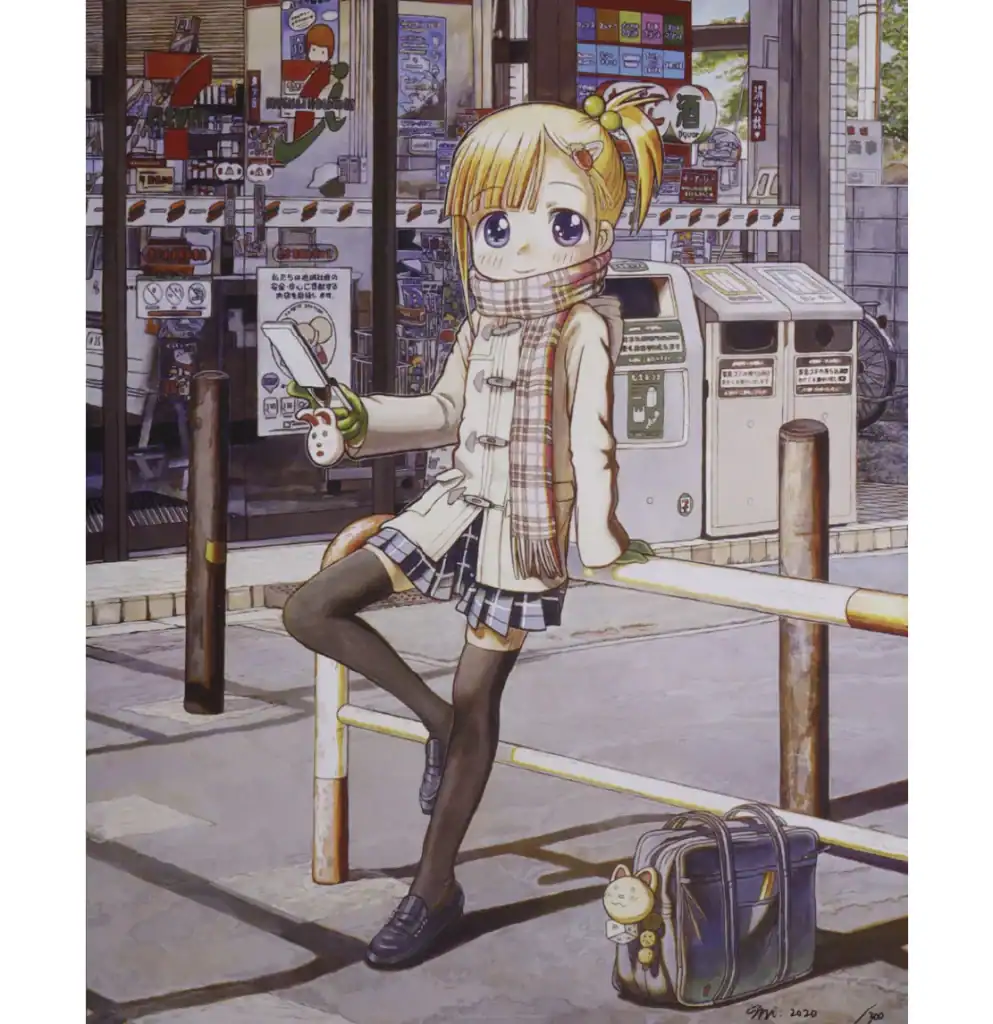
Mr. Orange Wind Signed Print (Edition of 300)
A captivating work by Mr., Orange Wind embodies the essence of Japan’s Superflat movement, blending anime-inspired aesthetics with quiet, everyday urban storytelling. Closely associated with Takashi Murakami, Mr. brings a unique emotional depth to his characters, balancing innocence with subtle nostalgia.
The broader context matters too. Good Smile Company and Kotobukiya have long understood that Japan-market exclusives carry global premiums. BAPE operated with the same distribution logic for its appendix pieces: sell through Japanese domestic channels, create natural scarcity for every market outside Japan. Takara Tomy applies identical principles to its domestic exclusives. The result is always the same: international collectors pay the premium.
Rare Inventory Recommends
If you are building a Japanese streetwear collectibles position right now, prioritize sealed Nigo-era appendix pieces from 2005 to 2010 above everything else. Complete sets with the original magazine intact command the strongest premiums and are the most defensible long-term holds. For adjacent limited-edition, documented-scarcity pieces available today, explore the signed and numbered fine art and Japanese TCG exclusives at Rare Inventory, where curated scarcity is the entire editorial mission.
Where to Buy
Rare Inventory, based in France and shipping across Europe, is a specialist source for serious, documented collectibles across Japanese streetwear, fine art prints, and Japanese TCG exclusives. Whether you are sourcing adjacent scarcity plays or building context around your BAPE appendix collection, visit rareinventory.com for curated inventory with full provenance. Every piece is authenticated, every edition is verified, and shipping across Europe ensures access wherever in Europe you are.
Frequently asked questions
What exactly is a BAPE eMook appendix piece?
A BAPE eMook appendix is a physical item, typically a bag, pouch, blanket, or accessory, bundled with a seasonal BAPE magazine published in Japan by Takarajima. These items were produced exclusively for the magazine and were never sold separately in BAPE stores. Each appendix is tied to a specific seasonal issue, which creates a natural, documented edition size based on the print run.
Why are older Nigo-era appendix pieces worth more than recent ones?
First, the cultural weight of the Nigo era from 1993 to 2011 is central to BAPE’s entire mythology and commands the highest collector premiums. Additionally, older pieces have a much smaller surviving population in good condition, as most were used rather than preserved. That combination of cultural significance and physical scarcity drives the premium. Recent pieces are still collectible, but the supply pool is far larger and the cultural gravity is lighter.
Does the original magazine need to be included for maximum value?
Yes, strongly. A complete set with the original magazine in collectible condition tells the full provenance story and is significantly more valuable than the appendix item alone. The magazine establishes the season, the edition, and the original retail context. For the most serious collectors and for future grading potential, never separate the two if you can avoid it.
How do I authenticate a BAPE appendix piece?
Start with the Takarajima publisher information, which appears in every genuine eMook. Genuine appendix items will carry BAPE’s official licensing marks and, for older pieces, Japanese-language care labels with correct text. Check stitching quality on any ape head or Milo graphics, and verify that camo pattern alignment matches authentic BAPE production standards. For high-value pieces, cross-reference the specific appendix against documented eMook archives to confirm the item matches the correct seasonal issue.
The Shop
Available Now at Rare Inventory
Pieces related to this article, in stock and ready to ship.


100% Authentic Shipped from France Free Shipping Over €200