Yoshitomo Nara’s Gummi Girl: The Candy Jar That Became a Collectible
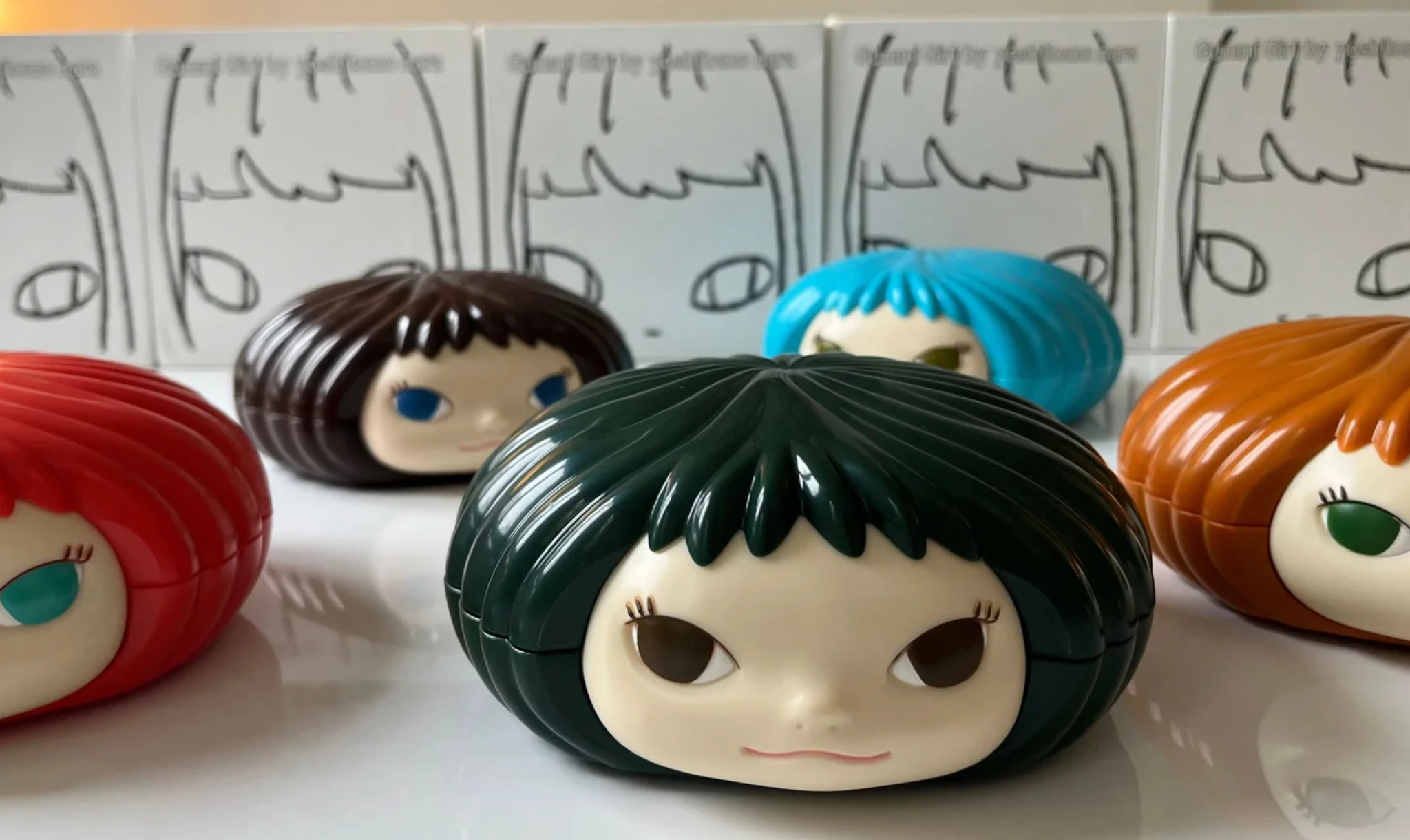
If you have decided you want a Yoshitomo Nara Gummi Girl, the next question is which one, and that turns out to be harder than it looks. There are five versions, they share the same sculpt, they differ only in hair and eye colour, and their names do not reliably tell you which colour you are getting.
This guide covers all five, what is actually inside the box, how to tell the versions apart, and what to check before you buy one second hand.
What is a Gummi Girl?
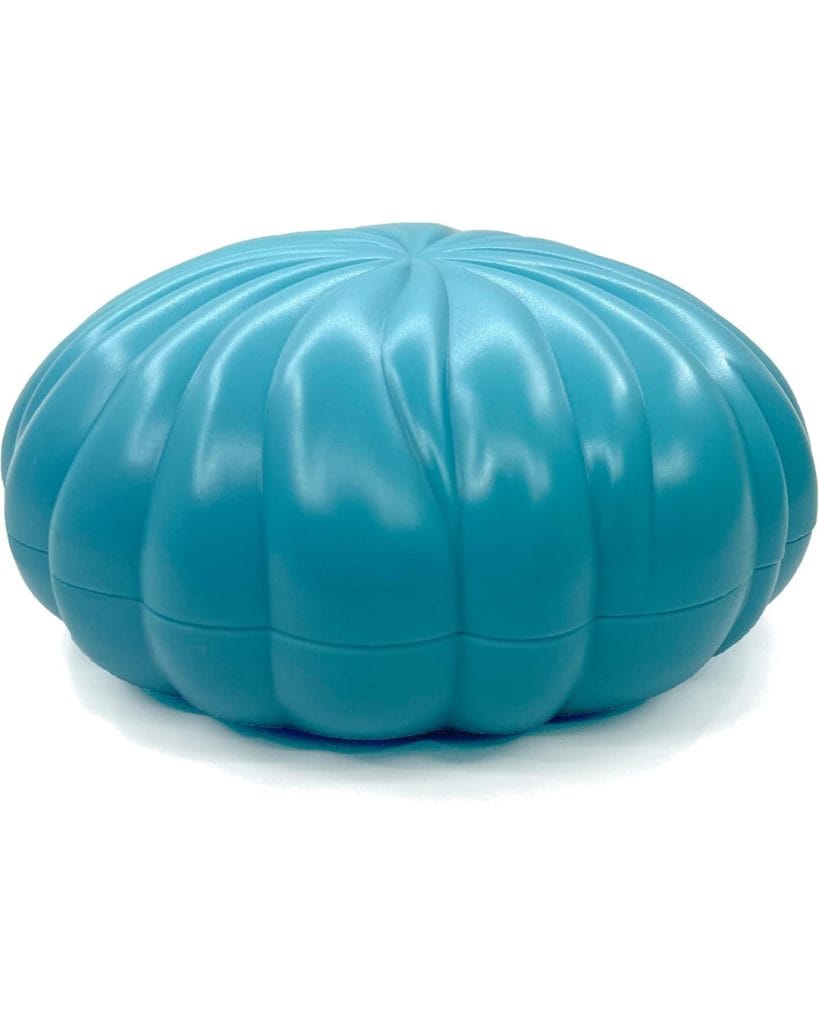
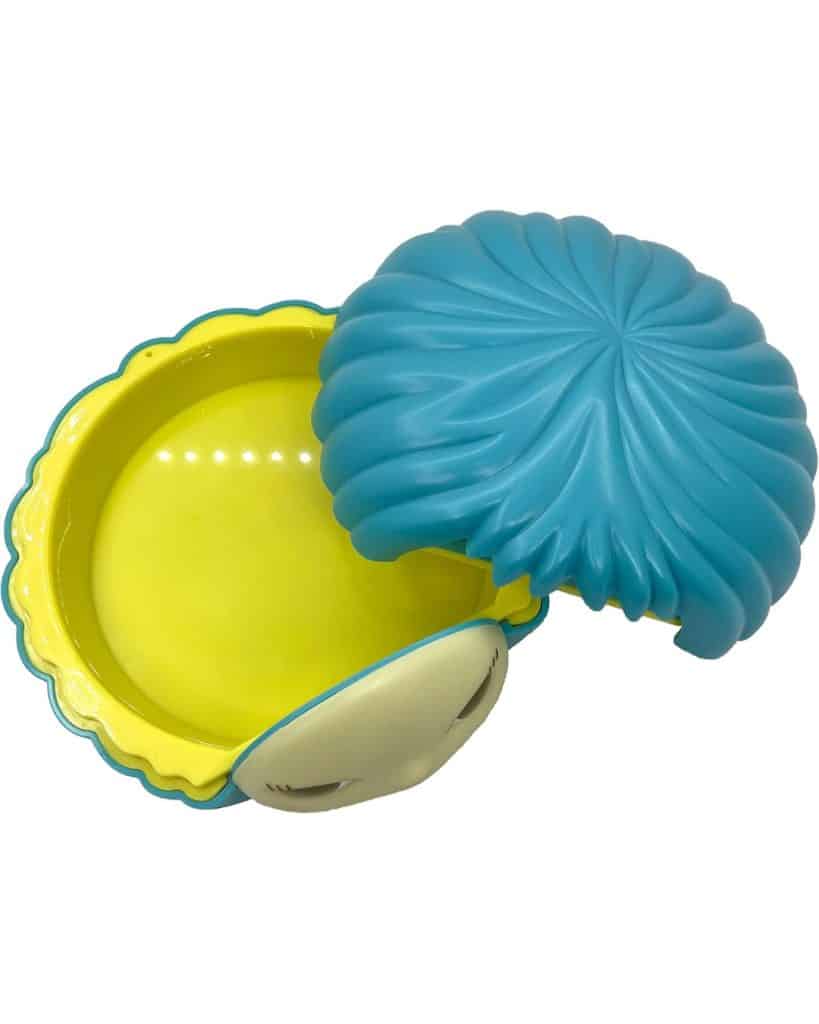
A Gummi Girl is a plastic container shaped like one of Nara’s children. The top of the head opens as a lid, and inside are gummies moulded into the shape of the girl’s face.
It exists because of Germany. Nara moved there in 1988 to study at the Kunstakademie Düsseldorf, completed his studies in 1993 as a Meisterschüler under the painter A. R. Penck, settled in Cologne, and did not return to Japan until 2000. Gummi Girl comes directly from his memory of eating gummy sweets constantly during those student years. The piece is a souvenir of the twelve years abroad that produced the style he is now known for.

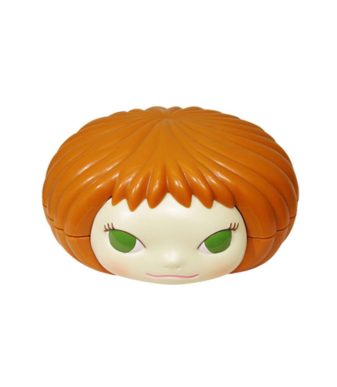
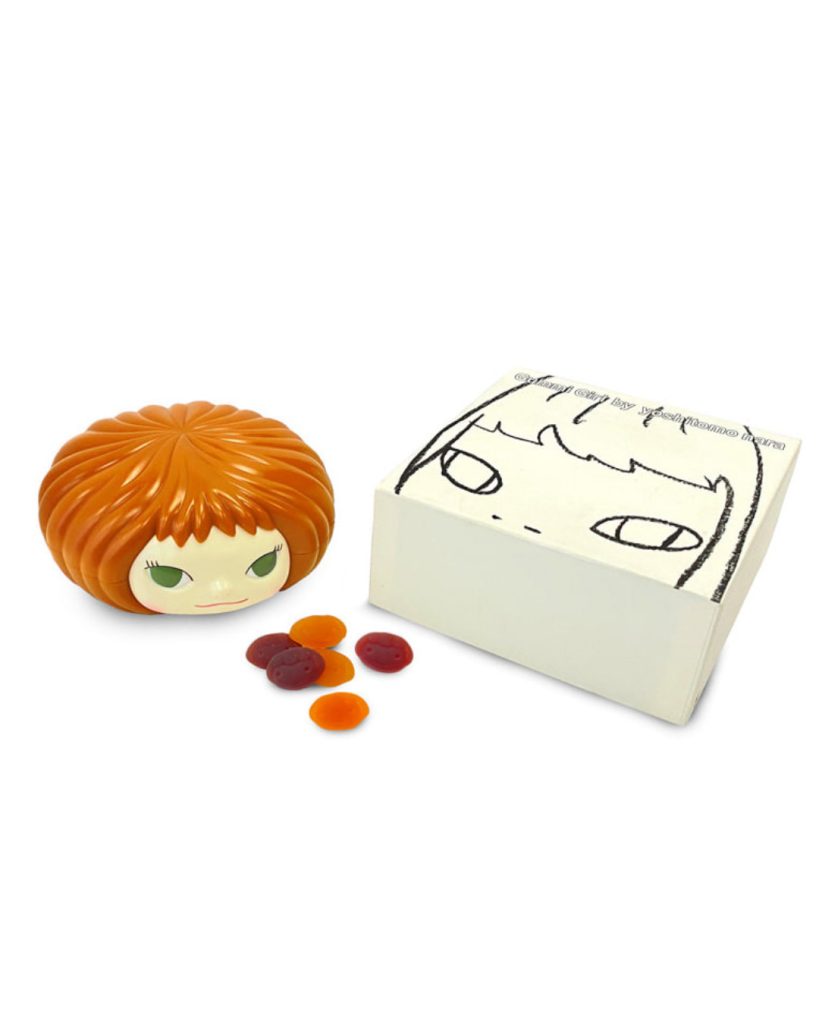
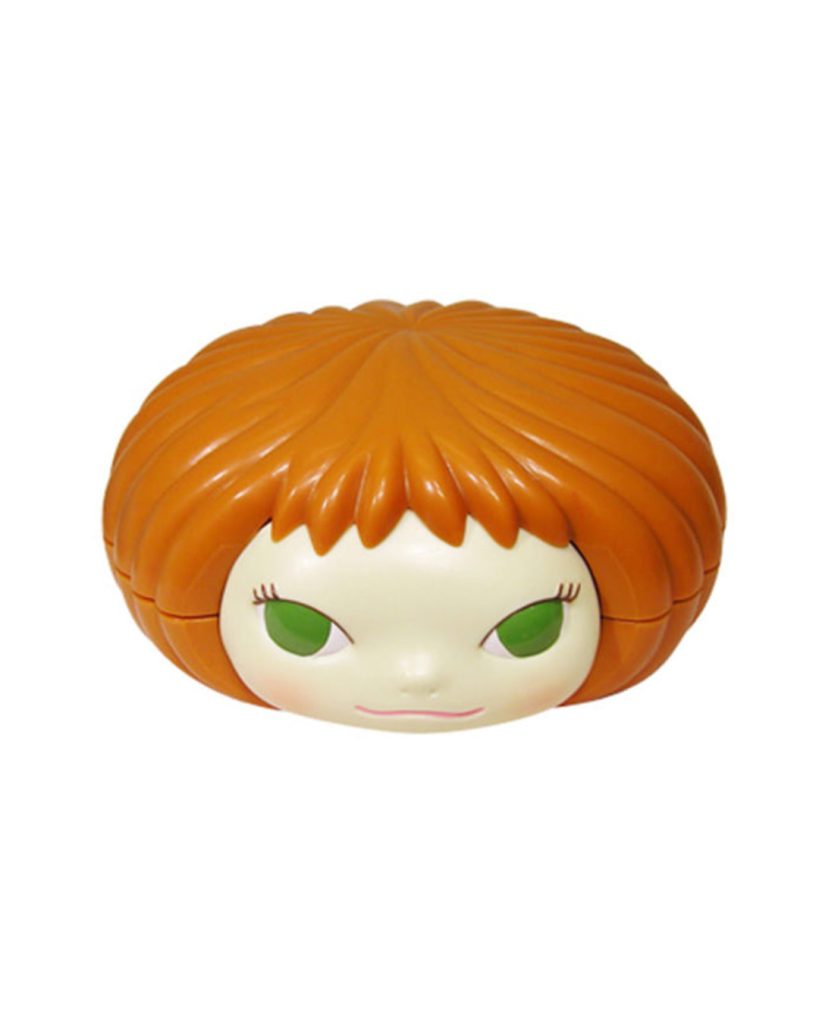
Yoshitomo Nara – Gummi Girl Orangery Figure (Orange)
The Gummi Girl Orangery brings Yoshitomo Nara’s iconic big-headed girl into your hands as a playful sculptural object. Released by the Mori Art Museum in Tokyo, this collectible doubles as a candy case. Lift the lid on her head and you’ll find gummy candies shaped like the girl’s face inside.
How many Gummi Girl types are there?
Five, described by the museum as five types with different hair and eye colours:
- Gummi Girl Soran-chan
- Gummi Girl Ringokko
- Gummi Girl Malone
- Gummi Girl Midori-chan
- Gummi Girl Orangery
There is also a sixth piece that most collectors never hear about. The Mori Art Museum has sold a larger Gummi Girl made from a luminous material, called Luminous-chan, at a higher price than the standard five, alongside other Gummi Girl merchandise including printed tote bags. If someone offers you a “complete set”, it is worth clarifying whether they mean the five colours or something broader.

Explore the full collection
Figures, art toys & limited editions, shipped across Europe from France.
Why the names don’t match the colours
This is the part that costs people money, so it gets its own section.
Some names behave exactly as you would expect. Midori means green in Japanese, and Midori-chan is the green one. Soran-chan appears in Japanese listings described as having pale blue hair.
And then the pattern breaks. Ringo means apple, which sounds like it should produce a red girl, yet Japanese resale listings describe Ringokko as the one with orange hair. Malone suggests the French marron, a chestnut brown. Orangery sounds unambiguous until you are looking at two listings side by side and one of them is Ringokko.
International sellers make this worse by translating the Japanese names loosely or replacing them with invented colour labels, so the same figure appears as three different product names across three marketplaces.
The rule: buy by the photograph, never by the name. Match the hair colour and the eye colour against images before you pay, and if a listing shows only the box, ask for a photo of the figure.
Image alt text: Close-up comparison of Gummi Girl hair and eye colours to identify each version
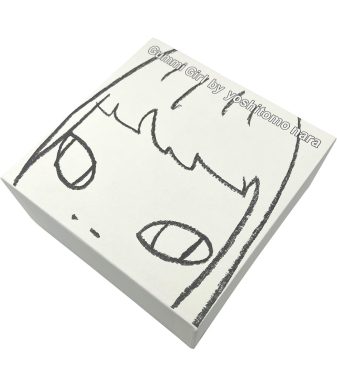
Gummi Girl Orangery: full specification
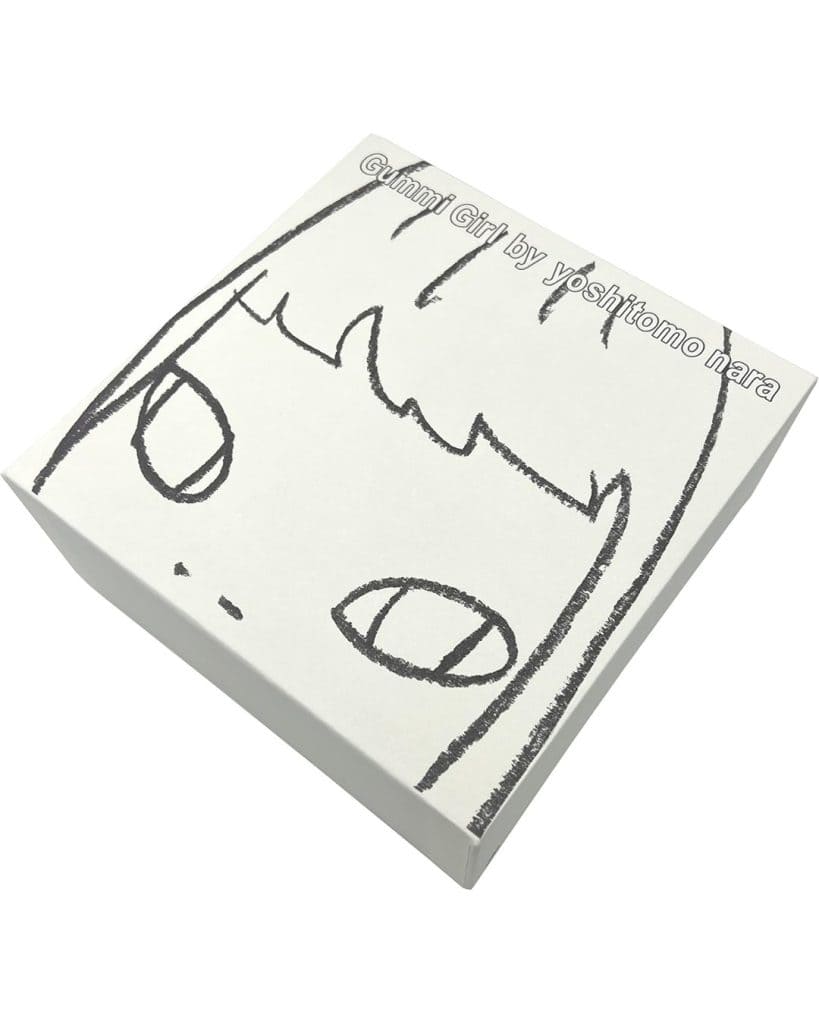
| Package size | 170 x 170 mm |
| Contents | 20 gummies |
| Flavours | Orange and grape |
| Container | Plastic, made in China |
| Gummies | Made in Japan |
| Japanese retail | 8,800 yen including tax |
| Purchase limit at source | 3 per customer |
| Credit | © Yoshitomo Nara |
Two things worth noticing. The container is manufactured in China while the sweets are made in Japan, which tells you this is a genuine confectionery product rather than a display prop with filler inside. And the flavours are orange and grape, so only one of the two matches the figure. The sweets were specified as sweets, not as colour coordination.
Image alt text: Gummi Girl Orangery packaging showing the 170 x 170 mm box and product details
Are the gummies inside edible?
Technically yes, practically no, and this is the question that surprises second-hand buyers most.
The gummies carry a real expiration date, and on older examples that date passed years ago. Reputable sellers state it plainly. One Japanese listing describes a sealed Soran-chan with a best-before date in July 2023, noting that it has expired and that, because the box remains unopened, the contents cannot be inspected. An international Orangery listing gives an expiry in October 2026.
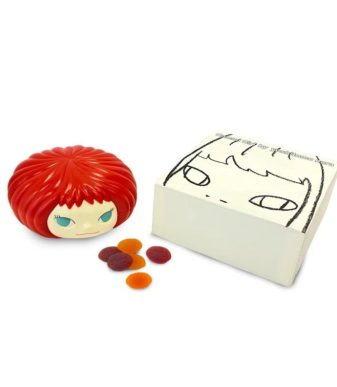

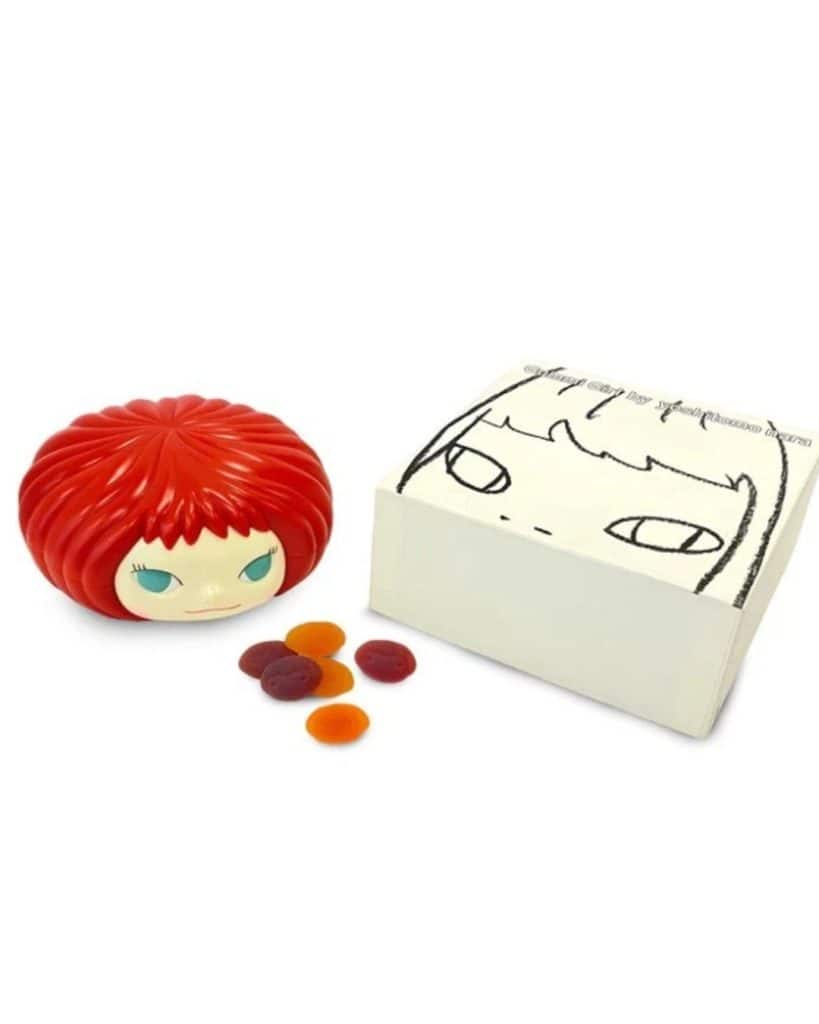

Yoshitomo Nara – Gummi Girl Ringokko Figure (Red)
Yoshitomo Nara’s Gummi Girl Ringokko in Red is an officially licensed plastic candy case collectible from one of contemporary art’s most iconic names. Part of the Gummi Girl series, the collection features five characters, each distinguished by a unique hair and eye color combination. Ringokko appears in her signature red colorway, rendered in Nara’s unmistakable style: wide eyes, a quiet expression, and the kind of deceptive simplicity that made his work a staple of both gallery walls and serious collector shelves worldwide.
Expired sweets do not reduce the value of the object, because nobody buying at collector prices is eating them. What the date does give you is a rough dating tool: it tells you which production run you are looking at.
What does a Gummi Girl cost?
At source, 8,800 yen including tax. Everywhere else, it depends entirely on what is left of the original product.
The design dates to 2006, and early examples carry a cast mark on the underside crediting Nara and that year. Wright, the Chicago auction house, sold a Gummi Girl in orange in July 2021, catalogued as plastic and gummies with original packaging, measuring roughly 2 1/2 by 6 by 6 1/4 inches (10 cm). The estimate was 200 to 300 dollars and it sold for 250.
Japanese price aggregators tracking recent Gummi Girl sales have shown average winning bids in the mid-teens of thousands of yen. Treat that as indicative rather than firm: these are thinly traded objects, a handful of sales a month, and a single unusual result moves the average.
The more useful way to think about price is by configuration. Sealed with box, opened with box and sweets present, opened with box and no sweets, and container only are four different products, and they should not cost the same.
Explore the full collection
Figures, art toys & limited editions, shipped across Europe from France.
Why they sell out
The Gummi Girls are still being reissued through the Mori Art Museum shop, and the release conditions tell you everything about demand.
Recent releases went on sale online in late December 2025, with a restock opening online on 24 January 2026 and in-store sales from 30 January. All five types listed at 8,800 yen each. Attached to those releases: a limit of three units of each colour per customer, in-store pickup only for certain drops with no delivery or shipping, no advance reservations, no phone or in-store pre-orders, and cancellation of duplicate orders for the same item.
Those are rules written by people who expect a queue. The listings on the shop now show the figures sold out.
For a buyer outside Japan the situation is neatly frustrating: affordable at source, effectively non-transferable, and immediately scarce everywhere else.
Checklist before you buy
Confirm which version it is. Photographs, not names. This is the single most common mistake.
Sealed or opened. Intact shrink wrap is the strongest condition statement available, with the caveat that nobody can verify the interior of a sealed box.
Container only? Empty Gummi Girl containers circulate on their own, sold as interior objects. Some listings say so and some do not. A legitimate thing to own, but not the same product and not the same price.
The box. The outer packaging is part of the object. Boxed and unboxed are separate markets.
Interior condition. On opened pieces, ask for photos inside the head. Sweets left too long can leave residue or staining, and one Japanese listing noted internal marks resembling nail polish. The interior is moulded and painted, so it does not respond well to aggressive cleaning.
The underside. If a piece is being sold as an early example, the cast credit mark on the base is what supports the claim.
How to display one without ruining it
The container is moulded plastic with applied colour, which makes direct sunlight the main threat. Orange is especially unforgiving: it fades faster than darker pigments and it fades unevenly, so a figure on a bright windowsill shows the damage on one side while the other still looks correct. That asymmetry is what makes sun damage so visible once it starts.
Heat is the second threat. If you keep the sweets inside, keep the piece somewhere cool. Gummies that go through a hot summer soften, stick and can weep sugar syrup, and cleaning that out of a moulded interior has no good outcome.
If you are collecting toward the full five, store the boxes together and flat. Sets survive as sets or they stop being sets.
Explore the full collection
Figures, art toys & limited editions, shipped across Europe from France.
Why this piece matters
Nara holds a position very few living artists manage. His paintings sit at the top of the international market, and at the same time he has consistently released editioned objects at museum-shop prices that ordinary people can buy.


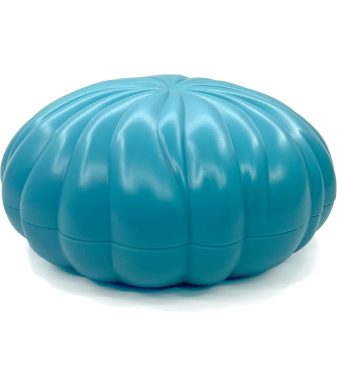
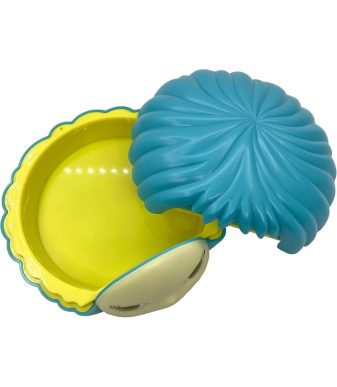


Yoshitomo Nara – Gummi Girl Soran-chan Figure (Blue)
Yoshitomo Nara’s Gummi Girl Soran-chan in Blue is an officially licensed plastic candy case collectible from one of contemporary art’s most iconic names. Part of the Gummi Girl series, the collection features five characters, each distinguished by a unique hair and eye color combination. Soran-chan appears in her signature sky blue colorway, rendered in Nara’s unmistakable style: wide eyes, a quiet expression, and the kind of deceptive simplicity that made his work a staple of both gallery walls and serious collector shelves worldwide.
Gummi Girl is the clearest example. Credited, licensed, produced in quantity, priced at 8,800 yen, and gone within hours of release. An auction house sold one with its original packaging for 250 dollars while his canvases were making headlines at a scale a thousand times larger.
Both things are true at once, and the distance between them is the most interesting fact about collecting this artist.
Frequently asked questions
How many Gummi Girl types are there?
Five: Soran-chan, Ringokko, Malone, Midori-chan and Orangery. They share the same sculpt and differ in hair and eye colour. A larger luminous version, Luminous-chan, has also been sold separately.
What is the difference between Soran-chan and Ringokko?
Only the hair and eye colours. Japanese listings describe Soran-chan with pale blue hair and Ringokko with orange hair, despite ringo meaning apple. Always confirm against photographs rather than the name.
Are the gummies inside a Gummi Girl edible?
They are real sweets made in Japan, twenty per box, but on any older example the expiration date has passed. Collectors keep them sealed rather than eating them.
How much does a Gummi Girl cost?
The Japanese retail price is 8,800 yen including tax. On the secondary market, price depends on whether the piece is sealed, boxed, complete with sweets, or container only. A 2006 example with original packaging sold at auction for 250 dollars in 2021.
How big is a Gummi Girl?
The Orangery packaging measures 170 x 170 mm. An auction catalogue lists the figure itself at roughly 2 1/2 by 6 by 6 1/4 inches (10 cm).
When was Gummi Girl made?
The design dates to 2006, with a cast mark on the underside crediting Nara and that year. It has been reissued since, most recently through the Mori Art Museum shop in December 2025 and January 2026.
The Shop
Available Now at Rare Inventory
Pieces related to this article, in stock and ready to ship.


100% Authentic Shipped from France Free Shipping Over €200