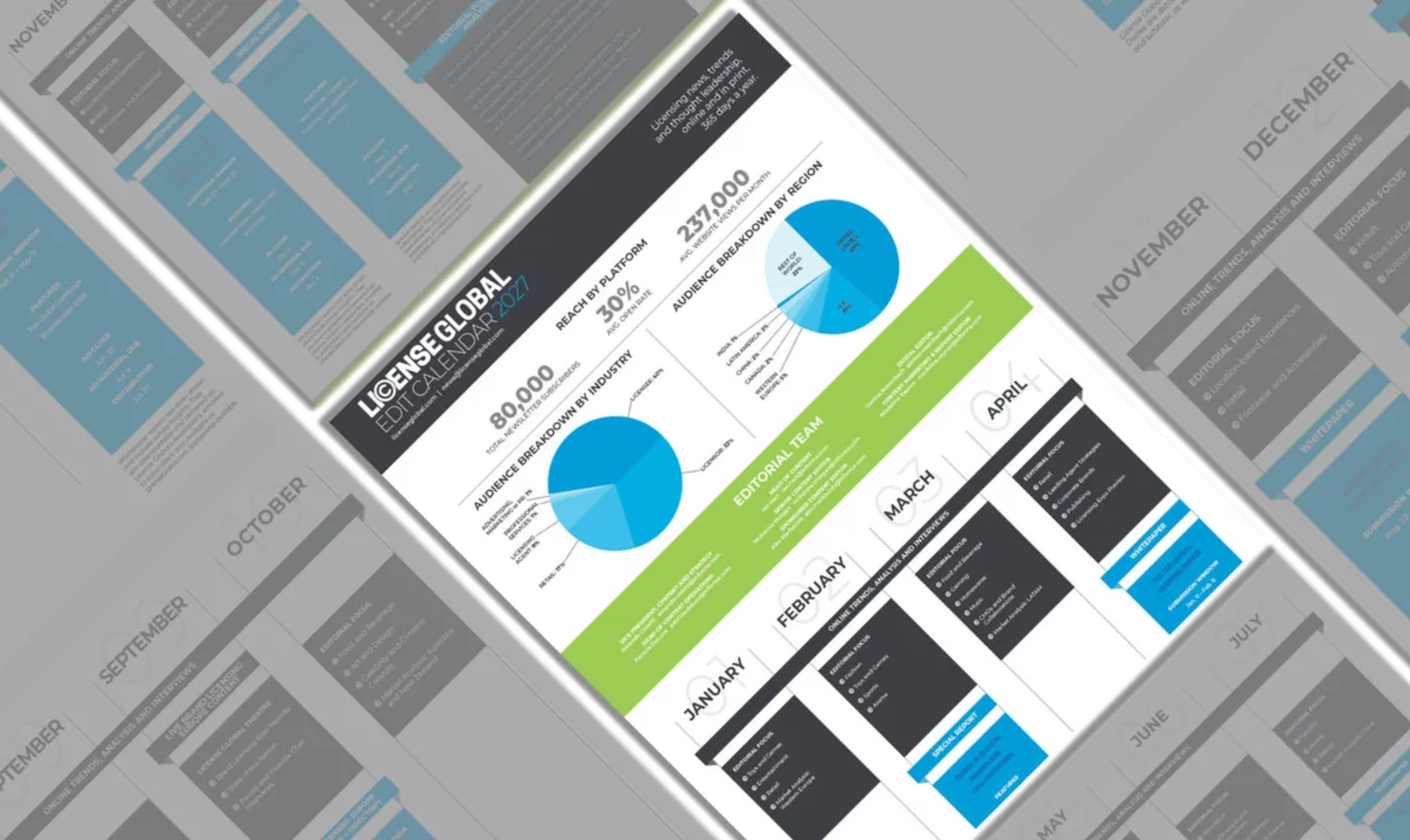
The License Global 2027 Editorial Calendar is Live
The License Global 2027 editorial calendar signals which IP categories the industry plans to amplify over the next twelve months, giving serious collectors a concrete forward-looking framework for spotting undervalued licenses before retail prices move. Most collectors ignore it entirely. The ones who use it correctly gain a genuine edge on timing, selection, and exit strategy.
Mistake 1: Ignoring the License Global 2027 Editorial Calendar Completely
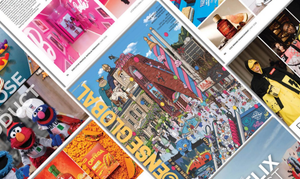
License Global sits at the center of where licensing deals actually get made. License Global serves as the leading news source for the brand licensing industry, delivering editorial content covering news, trends, analysis, and special reports about the global consumer product and retail marketplace. Through its print edition, website, daily e-newsletter and event publications, License Global reaches more than 150,000 executives and professionals in all major markets, and serves as the official publication for trade events including Licensing Expo, Brand Licensing Europe, France Licensing Day, Licensing Expo Japan, and Licensing Expo Shanghai.
Most collectors treat this as industry noise. That is a serious mistake. When the editorial calendar flags a specific category, it tells you where brand owners, manufacturers, and retail buyers are already committing budgets. You are not speculating. You are reading a planned pipeline.
What the Calendar Actually Contains
Every month, License Global explores topics that are top-of-mind for brand owners, manufacturers, and retail, in alignment with global sales data, forecasting, events, and market cycles. Original content pairs with breaking news, topical insights, market analysis, and announcements from across the brand licensing community. For collectors, each monthly focus effectively maps to a wave of licensed product hitting secondary markets roughly six to eighteen months later. Read it that way and the calendar becomes a sourcing tool.

Explore the full collection
Figures, art toys & limited editions, shipped across Europe from France.
Mistake 2: Treating the Global Art Toy Market as a Niche Hobby
Many collectors still mentally categorize designer figures and licensed anime collectibles as a small enthusiast subculture. The market data destroys that assumption. The global art toy market carries an estimated value of USD 6.94 billion in 2026 and projects to reach USD 14.97 billion by 2033, at a compound annual growth rate of 11.6%. That is institutional-scale capital flowing through what collectors once treated as a passion project.
Limited-edition figures account for approximately 67% of all product sales, and repeat buyers make up about 55% of purchasers globally. Moreover, the artist independent IP toy segment accounts for 56.3% of the global art toy market, driven by growing consumer demand for unique, originality-driven collectible items. These numbers explain why licensing calendars matter: the industry now plans IP cycles around collector behavior, not the other way around.
Southeast Asia Changes Everything
Beyond raw size, the market geography continues to shift. The Amazing Toy Show, Hong Kong’s leading art toy exhibition, made its strategic debut in Southeast Asia in mid-2026, signaling that the collector base in Thailand, Indonesia, and Vietnam now commands serious industry attention. Asia-Pacific holds 48% of the global art toy market, with blind box share in the region reaching 71%. Collectors who focus only on Japan and the United States miss the fastest-growing demand pool on earth.
Additionally, online sales contribute 68% of total art toy transactions, blind box formats account for 58% of purchases, artist collaborations drive 47% of volume, and social media influences 72% of buying decisions. That last figure explains why a single viral post about a licensed figure can front-run a License Global editorial cycle by weeks.
Mistake 3: Confusing Licensed IP Strength With Collectible Investment Quality
A strong IP does not automatically make a collectible a strong investment. This is where most collectors lose money. They see a headline license, buy anything attached to it, and wonder why resale values flatline. The License Global 2027 editorial calendar highlights IP categories at a macro level. Collectors still need to filter down to specific releases, edition sizes, and manufacturer quality.
Consider the difference between a mass-market licensed figure and a manufacturer-specific premium release. Limited-edition designer figures make up 67% of all purchases, with collaborations accounting for 48% of launches. However, not every limited edition holds value equally. Pull rate, manufacturer reputation, and grading potential determine secondary market performance far more than the IP name alone.
Manufacturer Tier Matters More Than IP Fame
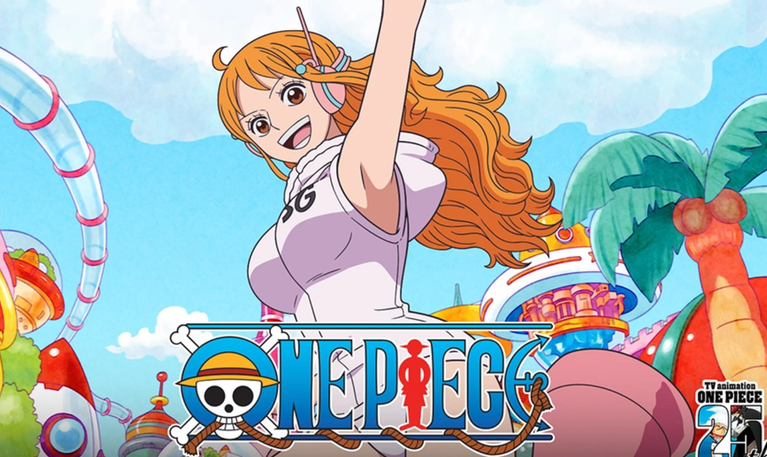
The figures that actually appreciate sit at the intersection of strong IP, premium manufacture, and genuine scarcity. Banpresto and SEGA consistently produce prize-tier figures that punch above their retail price on secondary markets. For example, the Uta DXF The Grandline Lady Film Red Vol.1 Figure from Banpresto captures the One Piece Film Red licensing peak in a format that rewards patient holders. Similarly, the Satoru Gojo “Reversal Red” FIGURIZMα Figure by SEGA represents exactly the kind of licensed release a collector should prioritize: top-tier IP, premium manufacturer, and a character moment with genuine cultural permanence.



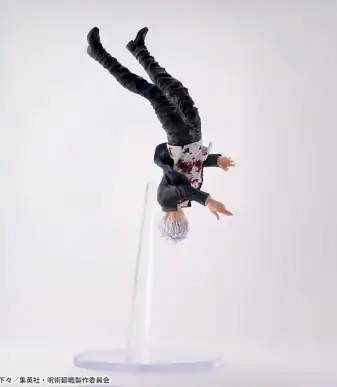




Satoru Gojo “Reversal Red” FIGURIZMα Figure Jujutsu Kaisen | SEGA
Bring one of the most explosive moments of Jujutsu Kaisen into your collection with this Satoru Gojo FIGURIZMα “Reversal Red” Figure by SEGA. Inspired by the Hidden Inventory / Premature Death arc, this piece captures Gojo in midair as he unleashes his devastating cursed technique.
| Figure | Manufacturer | IP | Retail Price | Investment Profile |
|---|---|---|---|---|
| Uta DXF Film Red Vol.1 | Banpresto | One Piece | €30 | Strong: Film tie-in, limited regional distribution |
| Satoru Gojo Reversal Red FIGURIZMα | SEGA | Jujutsu Kaisen | €45 | Strong: Character peak moment, premium line |
Mistake 4: Overlooking Original Art Prints in a Licensed World
Most collectors reading a licensing calendar focus entirely on licensed figures and branded merchandise. They ignore original art entirely. That is a strategic error, especially as the global collector base matures. Artist independent IP toys are created by individual designers or small studios, reflecting unique artistic visions and cultural narratives, a distinctiveness that resonates strongly with collectors who seek items embodying creativity and authenticity rather than generic mass-market appeal.
The same principle applies to original signed prints. A signed, numbered edition from a recognized artist operates completely outside IP licensing cycles. It does not depreciate when a franchise loses cultural momentum. The Orange Wind Print X Mr Signed Edition of 300 at €500 represents exactly this counterbalance. Kaikai Kiki and the broader Japanese contemporary art world have proven consistently that artist-driven limited editions hold value across market cycles far better than most licensed merchandise.
Explore the full collection
Figures, art toys & limited editions, shipped across Europe from France.
Edition Size as the Real Signal
An edition of 300 signed prints carries real scarcity. For context, most licensed figure runs in the prize category produce tens of thousands of units. A signed print at 300 copies places you in a different scarcity tier entirely. Smart collectors build portfolios that span both licensed collectibles and original artist editions, hedging against the volatility that IP licensing cycles create.
| Category | Edition Size | IP Dependency | PSA/Authentication Path | Volatility |
|---|---|---|---|---|
| Licensed Prize Figure | 10,000+ | High | Limited | High (IP cycle) |
| Premium Licensed Figure | 500–3,000 | Medium | Moderate | Medium |
| Signed Artist Print | 50–500 | None | Strong | Low to Medium |
Mistake 5: Misreading the License Global 2027 Editorial Calendar as Retail News
The calendar serves brand owners, manufacturers, and retail buyers. Collectors who read it as a shopping guide miss its actual function. Instead, treat each featured category as a demand signal. When License Global spotlights $338.33 billion (about €301.7 billion) in retail sales of licensed consumer products across its top global licensors report, those numbers reflect where licensing budgets already sit. The editorial calendar maps the narrative arc around those budgets.
Specifically, the 2027 calendar landing in August 2026 gives collectors roughly a six-month window before the first wave of 2027 licensed product announcements dominates press coverage and inflates pre-order prices. First-movers who position before that noise hits operate at a structural advantage. Counterfeits affect 38% of the art toy market, IP theft hits 33%, and fake listings mislead 26% of buyers. Furthermore, the pre-announcement window is also when authenticated, legitimate stock trades at the most rational prices, before hype premiums and counterfeit confusion compress margins.
Medicom Toy and Good Smile Company both operate on product cycles that map closely to licensing calendar rhythms. Watching their announcement schedules alongside the License Global calendar gives collectors a genuine pipeline view that retail buyers see months earlier than the general public. Kotobukiya and Takara Tomy follow similar patterns, particularly around Licensing Expo Japan, which License Global covers as an official trade publication.
Rare Inventory Recommends
For collectors building a position ahead of the 2027 licensing cycle, prioritize the Satoru Gojo “Reversal Red” FIGURIZMα Figure and the Uta DXF Film Red Vol.1 as licensed anchors, and add the Orange Wind Print X Mr Signed Edition of 300 as an IP-independent counterweight. This three-piece combination spans licensed anime, prize-tier quality, and authenticated fine art. It covers every major collector persona the 2027 licensing market will target.
Where to Buy
Rare Inventory, based in France, carries authenticated collectibles across licensed anime figures, original artist editions, and premium designer toys, with shipping across Europe to collectors in every major market. Browse current stock and new arrivals directly at rareinventory.com. Every piece ships across Europe, so whether you collect from Tokyo, Bangkok, or Toronto, Rare Inventory reaches you.
Frequently asked questions
Are collectibles a good investment?
Collectibles can absolutely outperform traditional assets, but only with selection discipline. Limited-edition figures account for approximately 67% of all product sales in the art toy category, with repeat buyers making up about 55% of purchasers globally. That repeat buyer rate signals genuine hold demand. However, mass-production licensed items rarely appreciate. Signed editions under 500 copies, premium manufacturer figures, and pieces tied to culturally permanent IP perform best. Treat each purchase as you would a stock: assess scarcity, liquidity, and demand trajectory before committing.
Are Lladró figurines a good investment?
Lladró pieces hold value reliably within their category, particularly retired limited editions in mint condition with original boxes and certificates. The brand carries strong name recognition among traditional collectors. However, Lladró does not cross into the anime or designer toy collector community, so liquidity outside specialist auction channels stays limited. Collectors seeking broader secondary market access typically find contemporary designer figures and signed artist prints easier to trade at current market prices.
Are collectible coins a good investment?
Graded collectible coins, particularly PCGS or NGC-certified examples, offer one of the most transparent pricing structures in the collectibles world. Numismatic value tracks independently of pop culture trends. For collectors who already operate in figure and art toy markets, coins serve as a stabilizing asset class with deep liquidity. The key discipline: buy certified grades only and avoid raw coins from unverified sources, where counterfeits and fake listings mislead a significant portion of buyers.
What does the License Global 2027 editorial calendar mean for collectors right now?
Every month, License Global explores topics that are top-of-mind for brand owners, manufacturers, and retail, with focal topics that represent an indispensable read for those looking to stay ahead of industry shifts. For collectors, the 2027 calendar landing in August 2026 creates a forward window of roughly six to eighteen months before featured IP categories generate peak retail and secondary market attention. Position in authenticated, high-quality licensed pieces now, before editorial coverage drives demand and inflates prices. The calendar is a sourcing map disguised as a publishing schedule.
The Shop
Available Now at Rare Inventory
Pieces related to this article, in stock and ready to ship.


100% Authentic Shipped from France Free Shipping Over €200