The Rare Inventory Guide to Starting Your First Collection
Every serious collector remembers the moment it clicked. Not the first purchase, but the first intentional purchase. The moment you stopped buying because something looked cool and started buying because you understood what you were holding. That shift separates casual fans from collectors. This guide accelerates that shift.
However, starting a collection in 2024 is more complex than it was five years ago. The market has matured. Pull rates are published. PSA population reports are public. Resale platforms have made pricing transparent in ways that expose both opportunities and traps. First-time collectors who skip the fundamentals pay the premium twice: once at purchase, and once when they try to sell.
Understanding What You Are Actually Collecting
Most beginners think in terms of products. Experienced collectors think in terms of categories, and the distinctions matter enormously for long-term value.
Trading Card Products vs. Collectible Figures
These two categories operate on completely different market logic. Cards derive value from scarcity, condition, and grading infrastructure. Figures derive value from sculptor reputation, production run size, and character relevance at the time of release.
Additionally, cards have a grading ecosystem, specifically PSA, BGS, and CGC, that creates objective condition tiers. A PSA 10 population of twelve cards commands a fundamentally different price than a population of twelve hundred. Figures have no equivalent standardized grading system, so condition documentation falls entirely on the collector.
Japanese Market vs. Western Market
The Japanese market prices differently, moves faster, and often corrects earlier. Japanese collectors abandoned a character or set long before Western secondary markets catch up. This creates arbitrage windows, but also traps for buyers who purchase at the peak of Western hype on items the Japanese market already discounted.
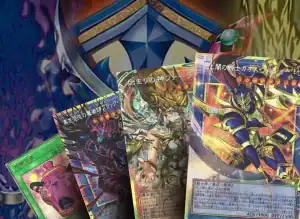
Japanese edition card products, in particular, carry authentication markers that matter for grading. The Memorial Collection Booster Box EB-01 One Piece Japanese Edition is sealed Japanese product. Sealed boxes have their own grading tier through PSA and BGS, and the “Japanese Edition” designation is material information, not a marketing footnote.


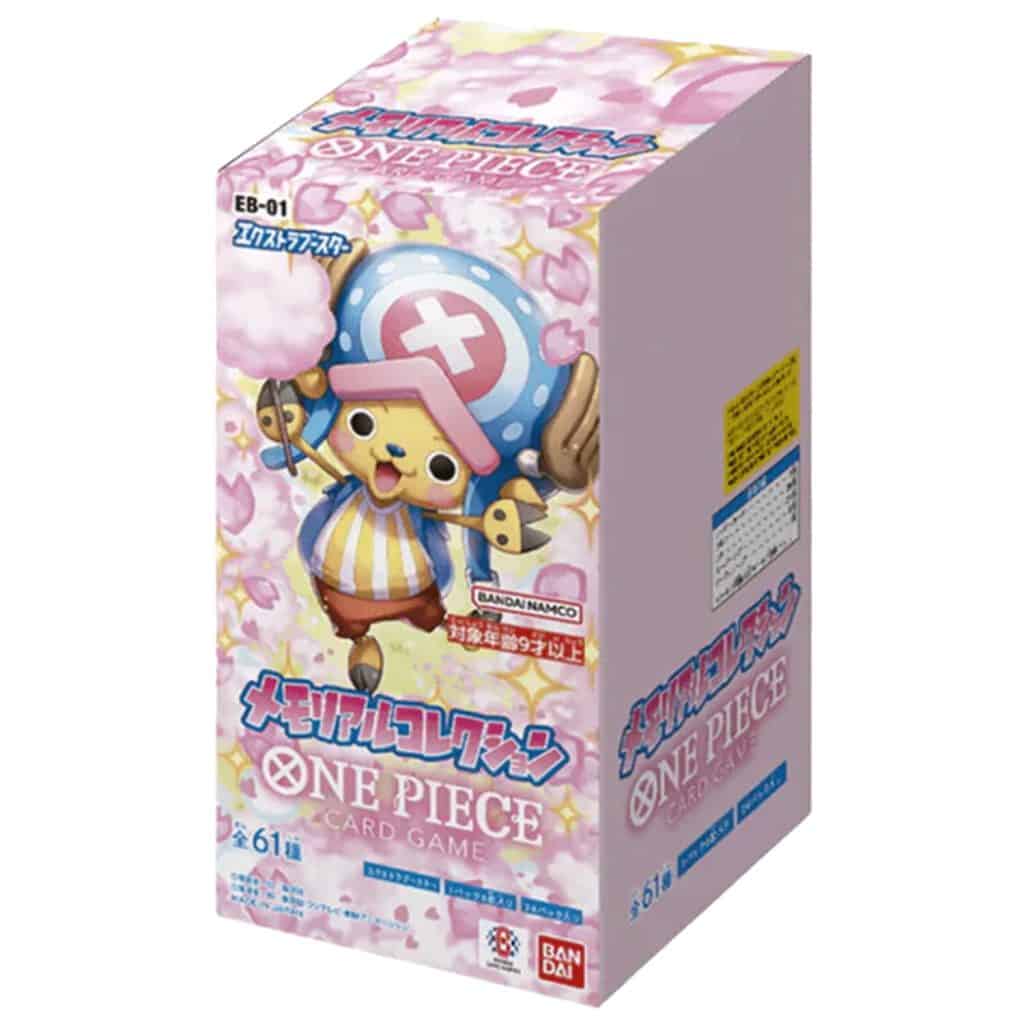
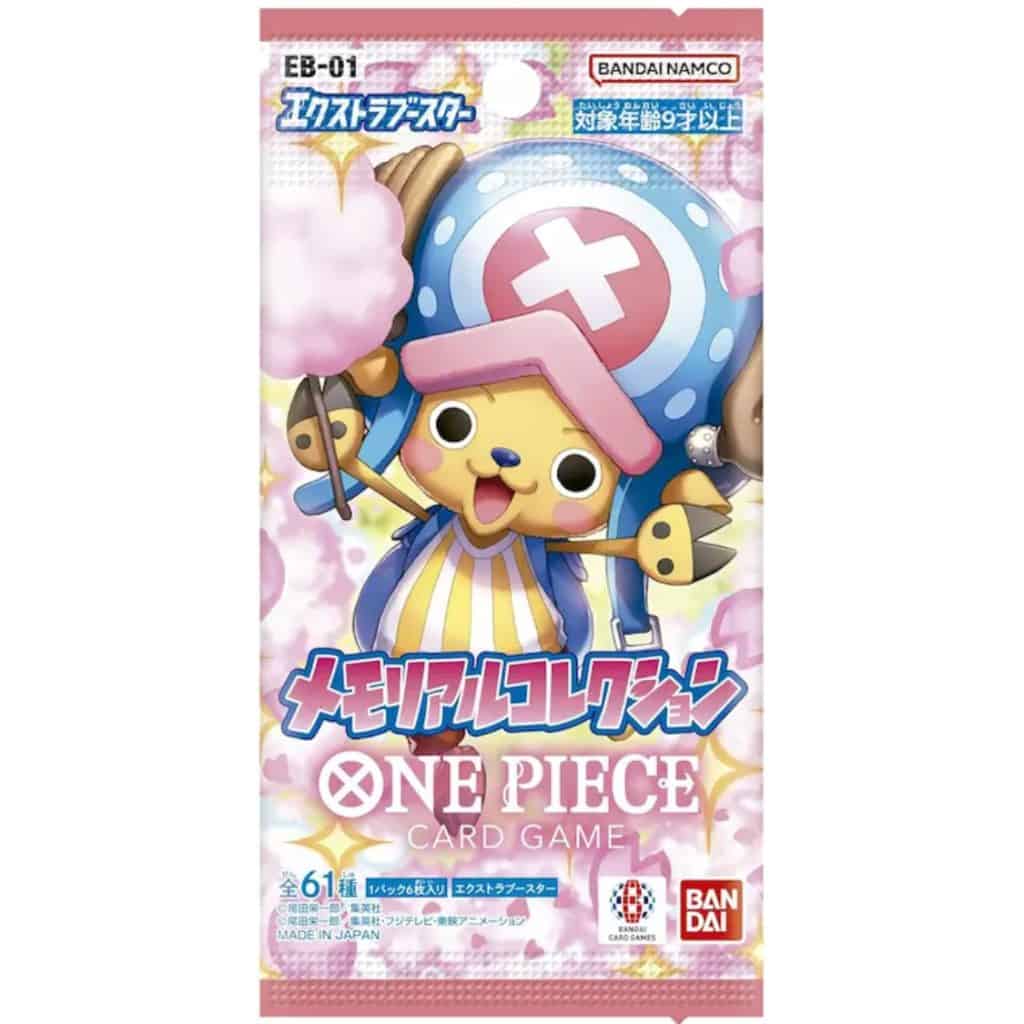
Memorial Collection Booster Box (EB-01) – Japanese Edition | One Piece Card Game
The Memorial Collection Box (EB-01) is a special edition release of the One Piece Card Game, celebrating iconic moments, characters, and artwork from the series.
This Japanese version is an excellent choice for collectors and fans looking to add a unique international release to their collection.
The Fundamentals of Condition and Authentication
Condition is everything. However, condition means different things across categories, and beginners consistently conflate them.
Cards: The Grading Hierarchy
PSA grades on a ten-point scale. The difference between a PSA 9 and PSA 10 is not cosmetic. On high-demand cards, that single point can represent a 300% to 800% price difference. Four graders evaluate four attributes: centering, corners, edges, and surface. PSA 10 requires near-perfection on all four.
First-time collectors should know the submission tiers. PSA’s bulk tier is cheapest but slowest. Express and Super Express tiers cost more per card. More importantly, you must decide before submission whether the graded value justifies the fee. Submitting a card with a realistic market ceiling of fifteen dollars on a five-dollar grading service makes no economic sense.
In contrast, submitting a rainbow rare or secret rare from a high-demand set at any service level is almost always correct. The population data tells you whether the graded version commands premium pricing over raw copies.
Figures: Documentation Is Your Grading System
Figures lack standardized grading, so collectors create their own documentation discipline. First, photograph the item in original packaging before opening. Second, photograph the item itself from all angles immediately after unboxing. Third, store the original box, as Japanese collectors consider box condition a significant factor in resale.
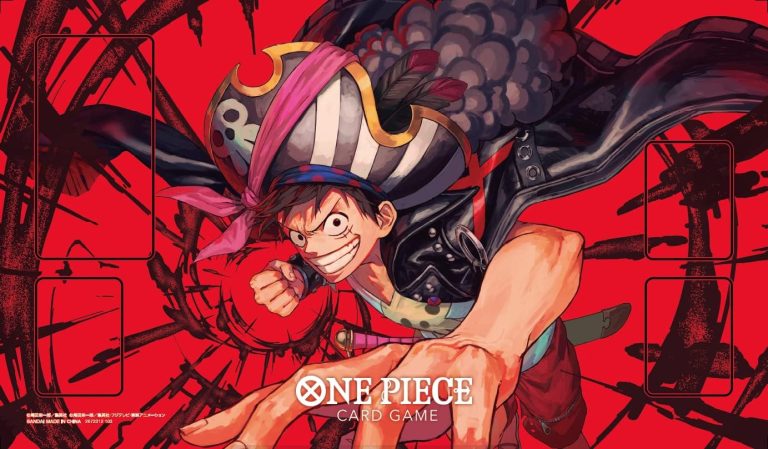
Banpresto figures like the Koby Battle Record Collection Figure and the Monkey D. Luffy II Special Battle Record Collection Figure are prize figures, meaning Banpresto originally distributed them through Japanese arcade crane game machines. That origin matters for authentication. Legitimate Banpresto prize figures carry specific box markings, barcode formats, and copyright text placements that bootleg manufacturers consistently get wrong.


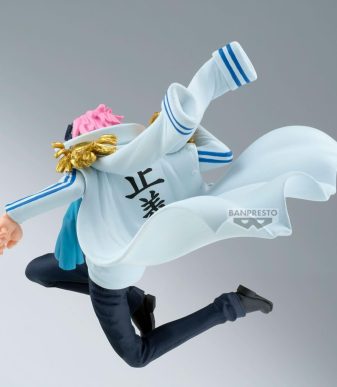




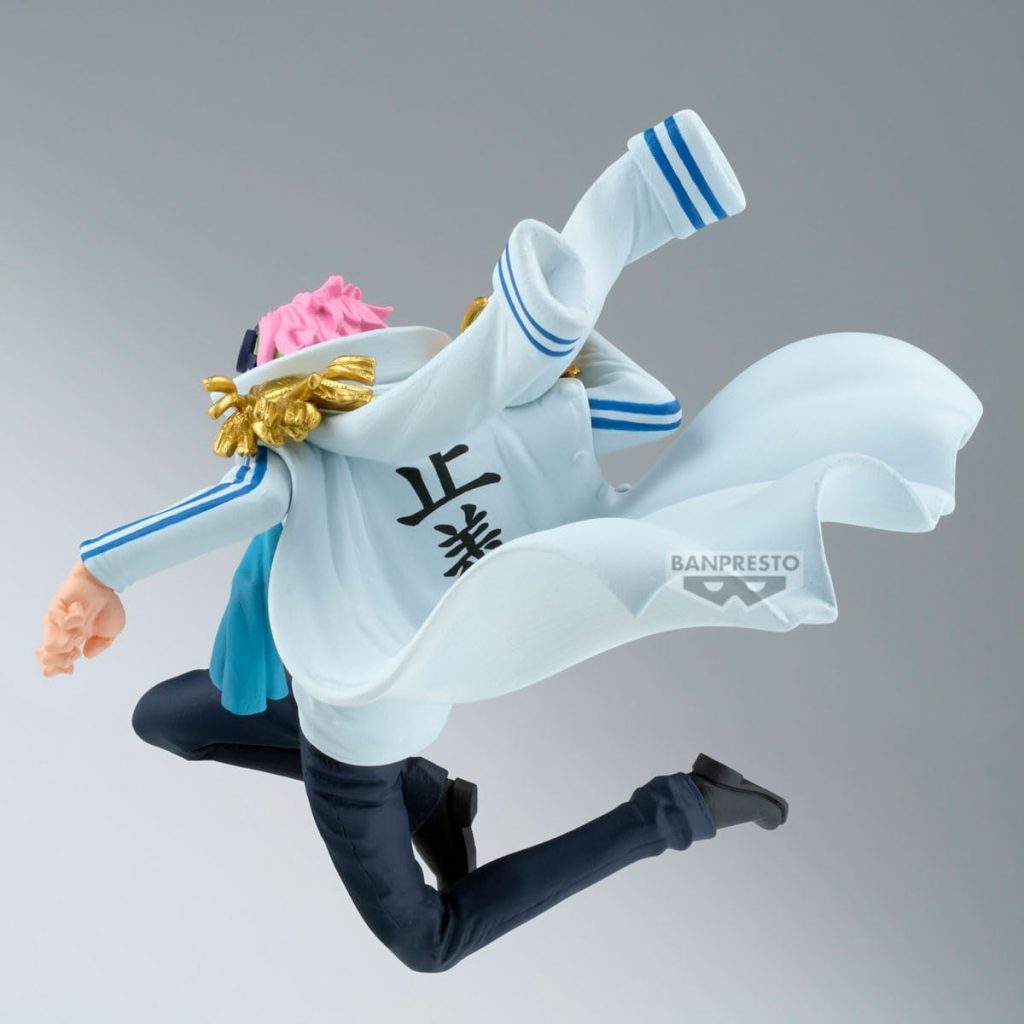
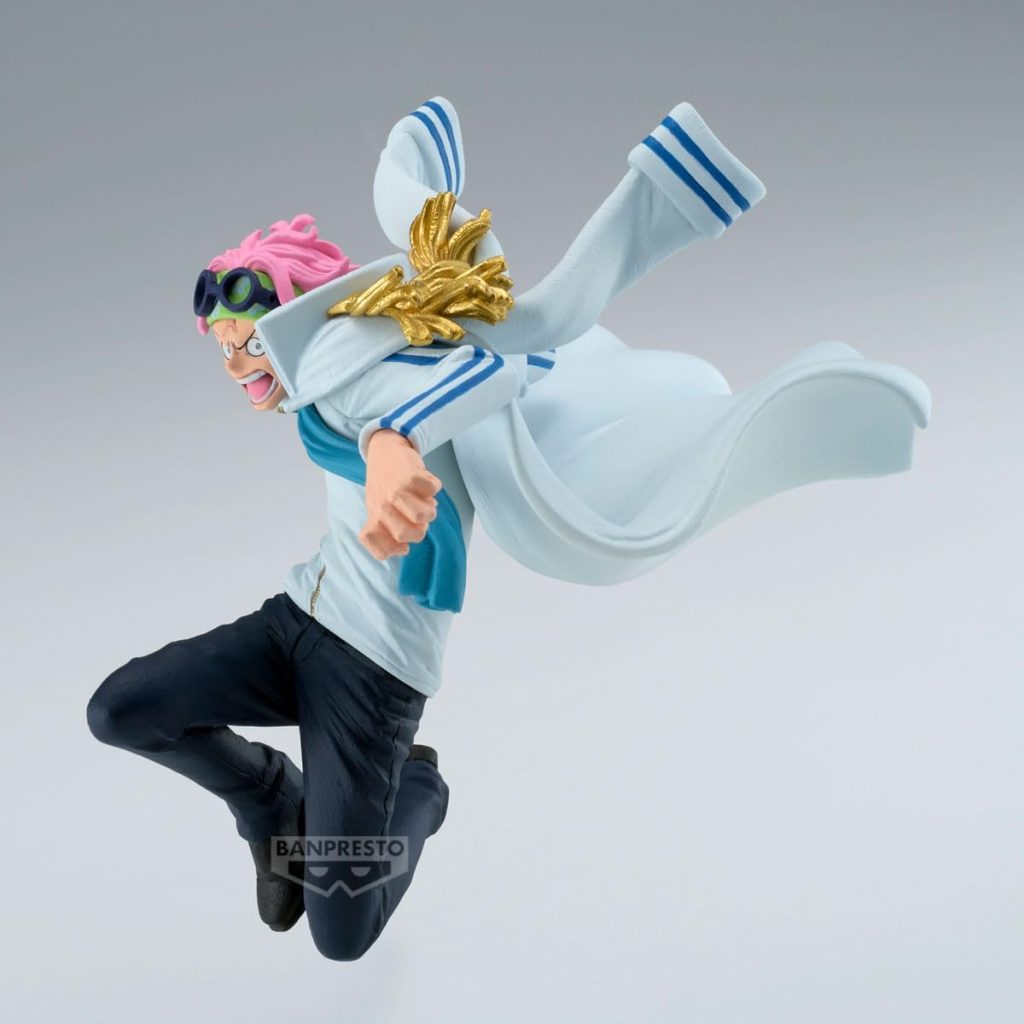
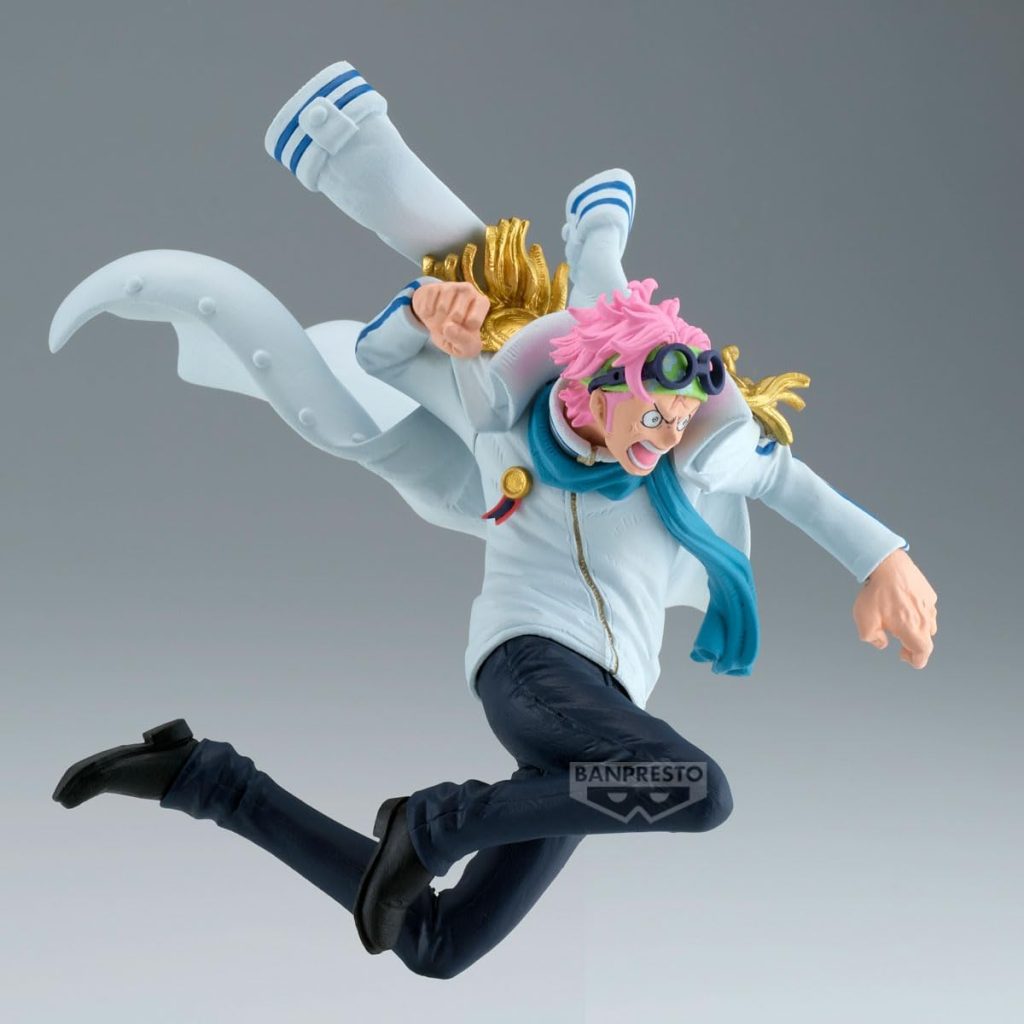
Koby Battle Record Collection Figure One Piece | Banpresto
Witness the evolution of one of One Piece’s most compelling characters with this Koby Battle Record Collection Figure. Once a timid cabin boy, Koby has grown into a determined Marine, and this figure captures that transformation at its peak.
Building a Collection Strategy Before Spending
Collectors who buy without a framework end up with an assortment. An assortment is not a collection. Strategy is what separates the two.
Vertical vs. Horizontal Collecting
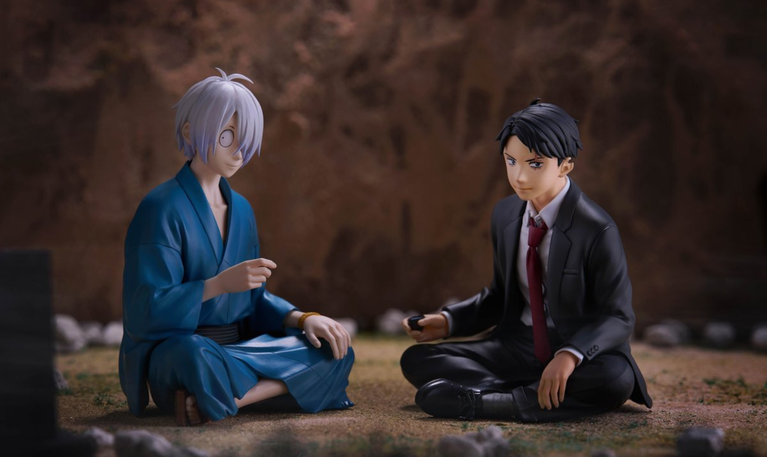
Vertical collecting means going deep on one property, character, or release type. You collect every Toji Fushiguro figure released between 2023 and 2025, for instance. Horizontal collecting means acquiring breadth across multiple properties or formats. Both are valid, but beginners almost always should start vertical.
Vertical depth builds expertise faster. You learn which sculptors work a specific character well, which manufacturers cut corners on paint applications, and which release windows align with peak demand. That expertise compounds. Additionally, vertical collections present better to the market when you decide to liquidate or trade up.
Budget Allocation Across Tiers
Experienced collectors allocate budget across three tiers: anchors, fillers, and speculative picks. Anchors are high-confidence items with proven demand and resale liquidity. Fillers are mid-range items that complete thematic sets. Speculative picks are lower-cost items on characters or properties you expect to grow.
| Tier | Budget Allocation | Risk Level | Example Category |
|---|---|---|---|
| Anchor | 50-60% | Low | Sealed Japanese booster boxes, PSA 10 key cards |
| Filler | 25-35% | Medium | Prize figures, raw singles from active sets |
| Speculative | 10-15% | High | Emerging character figures, pre-release sealed product |
For new collectors, the anchor tier is the education. Buy the items with established price history first. Study how they move. Then allocate speculative budget once you can read the signals.
Reading the Market: Pull Rates, Population Data, and Price History
This section is where most beginner guides stop short. Serious collectors read three data streams simultaneously.
Pull Rates and Expected Value
Pull rates define how rare a card actually is within a given product. Publishers occasionally release official pull rate data in Japan, particularly under consumer protection regulations. However, the community often calculates empirical rates through mass opening videos and aggregated data on platforms like TCGPlayer and Pricecharting.
A booster box’s expected value, or EV, is the sum of average pull values minus the box cost. Boxes with positive EV are mathematically favorable to open. Boxes with negative EV are better purchased sealed, because sealed boxes carry their own collector premium independent of individual card values.
The One Piece card game occupies an interesting position here. Japanese One Piece sets have shown strong EV in several releases, but the Western market lags Japanese price discovery by weeks. Collectors who monitor Japanese auction platforms, specifically Mercari JP and Yahoo! Auctions Japan, catch price movements before they propagate westward.
Rare Inventory
Explore the full collection
Figures, art toys & limited editions — shipped across Europe from France.
PSA Population Reports
The PSA population report is public and free. Before grading any card, check the population of PSA 10 copies. A card with two PSA 10 copies in the entire world is a fundamentally different asset than one with two thousand. Population growth also matters: a card with a fast-growing PSA 10 population is having its ceiling compressed in real time.
| PSA 10 Population | Market Behavior | Collector Strategy |
|---|---|---|
| Under 50 | High volatility, high ceiling | Hold, document provenance |
| 50-300 | Active trading, price discovery ongoing | Buy on dips, sell on hype |
| 300-1000 | Liquid market, tighter margins | Grade only 10-candidate cards |
| Over 1000 | Commoditized, low premium over raw | Avoid grading, buy raw |
Where and How to Buy: Avoiding the Common Traps
The sourcing decision is as important as the item itself. Where you buy determines what you pay, what protections you have, and what authentication standards apply.
Authorized Retailers vs. Secondary Market
Authorized retailers source directly from distributors. Secondary market sellers source from other collectors, retailers, or overseas channels. Both are legitimate. However, the risks differ significantly.
Authorized retailers carry authentication responsibility. If Banpresto product arrives from an authorized seller and proves counterfeit, the retailer bears liability. On secondary market platforms, that responsibility shifts to you. Consequently, buying from established specialist retailers, particularly those focused on Japanese collectibles, significantly reduces authentication risk.
Rare Inventory operates as a specialist source for anime figures and trading card products. For collectors building first collections, the full shop catalog offers a curated starting point across figure and card categories without requiring you to navigate gray market sourcing.
Shipping, Storage, and Insurance
First-time collectors consistently underbudget storage and shipping protection. For figures, double-boxing is the minimum standard. Original box inside a plain shipping box, with substantial padding on all six sides. For cards, penny sleeves, top loaders, and team bags are baseline. Card savers are preferred for grading submissions.
Beyond that, insurance on high-value shipments is not optional. A PSA 10 card traveling without declared value insurance is a risk most experienced collectors refuse to take. Factor insurance costs into your total acquisition cost calculation from the beginning.
Rare Inventory Editor Picks for First-Time Collectors
Rare Inventory Editor Picks for First-Time Collectors Best entry figure: Toji Fushiguro Hidden Inventory Figure by Sega, strong character, specific arc relevance, proven demand. Best sealed card product: One Piece Memorial Collection Booster Box EB-01 Japanese Edition, authentic Japanese product with sealed box collector premium. Best budget figure entry: Koby Battle Record Collection Figure by Banpresto, legitimate prize figure at accessible price with One Piece brand strength behind it.
Frequently asked questions
Should I open sealed booster boxes or keep them sealed?
It depends on your strategy. Sealed boxes with strong brand equity, particularly Japanese edition sets with limited print runs, often appreciate faster than the individual cards inside them. However, if a specific card inside has a dramatically low pull rate and high PSA 10 premium, opening can be correct. Calculate EV first. Then decide.
How do I know if a Banpresto figure is authentic?
Check the box for correct Banpresto copyright text formatting, the barcode structure, and the painted finish quality on the figure itself. Bootlegs typically show paint bleeding on fine detail areas, incorrect font weights on packaging text, and poor seam lines. Buying from authorized retailers eliminates this risk entirely.
Is PSA grading worth it for anime cards?
For key cards from high-demand sets, yes. For common cards and fillers, almost never. The break-even math is simple: if the PSA 10 version sells for at least three times the grading fee above the raw card price, grading is economically justified. Check population reports before submitting anything.
What makes Japanese edition products more desirable to collectors?
Japanese editions typically feature different card artwork, different foiling treatments, and authentic Japanese text that Western reprints lack. Additionally, Japanese market production runs are often smaller and more controlled. For grading purposes, PSA treats Japanese and English editions as distinct cards, so they maintain separate population counts and pricing histories.
The Shop
Available Now at Rare Inventory
Pieces related to this article, in stock and ready to ship.

In Stock
2024 One Piece Japanese OP09 – Emperors in the New World #061 Monkey D. Luffy (Alternate Art) – PSA 10
€400
Shop Now →

100% Authentic Shipped from France Free Shipping Over €200