
Who is Lilith? The story behind one of Living Dead Dolls’ most iconic figures
Lilith is not just a doll. She is the figure that proved Living Dead Dolls could carry real mythological weight and still sell out at retail. First released in Series 3 by Mezco Toyz, Lilith draws on one of the oldest and most contested female archetypes in Western mythology: the demonic first wife of Adam, cast out of Eden for refusing submission. Mezco took that ancient iconography and channeled it into a 10-inch (25 cm) vinyl collectible that still commands serious secondary market attention over two decades later. For collectors who care about the intersection of folklore, horror aesthetics, and resale durability, Lilith is essential study.
The Mythology Behind the Doll: Why Lilith Resonates
Ancient Origins, Modern Collectible
Lilith appears in Jewish mystical texts, Mesopotamian demonology, and Romantic-era literature. She is simultaneously a symbol of rebellion, feminine power, and nocturnal terror. Additionally, her reputation as a night demon, child-stealer, and seductress made her the perfect vessel for a horror doll line built around transgression. Mezco understood this. They did not create a generic vampire girl. They gave her a specific name with specific cultural baggage, and that decision elevated her above dozens of generic horror figures released in the same era.
Horror Collectors Respond to Iconography
The most valuable horror collectibles always carry a narrative anchor. For example, Michael Myers works because the shape is instantly readable. Lilith works for the same reason: her iconography is loaded before you even open the box. However, unlike licensed horror properties, Lilith is Mezco’s original intellectual property. That distinction matters for long-term value. Original IP means no licensor pulling the plug, no complicated rights negotiations, and no sudden discontinuation forced by an external brand decision.
Explore the full collection
Figures, art toys & limited editions — shipped across Europe from France.
Series 3 Lilith: What the Figure Actually Is
Design, Construction, and Presentation
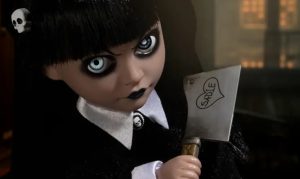
The Lilith Living Dead Dolls Series 3 figure stands at the standard 10-inch (25 cm) format that defines the line. Her design leans hard into Edwardian gothic: pale porcelain-style vinyl skin, dark hollow eyes, and period-appropriate costuming that reads as both Victorian and something far older. Mezco gave her the coffin-shaped box that became a signature of the entire Living Dead Dolls brand. First, the coffin packaging alone made these figures display-worthy at retail. Beyond that, sealed coffin boxes in collector-grade condition are increasingly rare for early series.

Lilith – Living Dead Dolls Series 3 | Mezco Toys
Living Dead Dolls Series 3 – Lilith is one of the most iconic early releases from Mezco Toyz, introduced in 2002 as part of the original wave of the cult-favorite horror doll line. Representing a classic gothic vampire, Lilith embodies the dark, theatrical aesthetic that defined the early Living Dead Dolls series.
Pull Rate Context and Series 3 Scarcity
Series 3 launched in 2001, at a point when Living Dead Dolls had not yet achieved the mainstream collector recognition they would earn by mid-decade. As a result, production runs were smaller than later series, and retailer orders were conservative. That combination creates genuine scarcity for mint-condition Series 3 figures today. Lilith specifically benefits from being the most mythologically charged character in that series, which drives disproportionate demand relative to her production numbers. Collectors who bought Series 3 at the time and kept boxes sealed are sitting on significant appreciation.
Condition Grading and What to Look For
Living Dead Dolls are not PSA-graded in the traditional card sense, but condition standards are equally demanding among serious collectors. The coffin box must be intact with no crush damage at the corners. Additionally, the cardboard insert, the death certificate, and the original doll positioning must all be undisturbed. Hair condition is critical: Lilith’s dark hair is prone to fraying if the figure was ever removed and handled. Meanwhile, the vinyl face should show no yellowing, which is a common degradation issue for early 2000s vinyl figures stored in direct light or humidity.
Lilith in the Broader Living Dead Dolls Ecosystem
How She Compares to Later Series Characters
Understanding Lilith’s position requires understanding where Living Dead Dolls went after Series 3. Later series introduced increasingly elaborate characters with stronger horror-subgenre specificity. For example, Desmodus from Series 21 goes full vampire taxonomy, named after the genus of blood-drinking bats. Similarly, Ezekiel from Series 23 builds on biblical horror archetypes, and Jennocide from Series 23 represents the slasher-influenced aesthetic that dominated later releases. That said, none of these later figures carry the foundational weight of a Series 3 character. Lilith predates the formula becoming a formula.
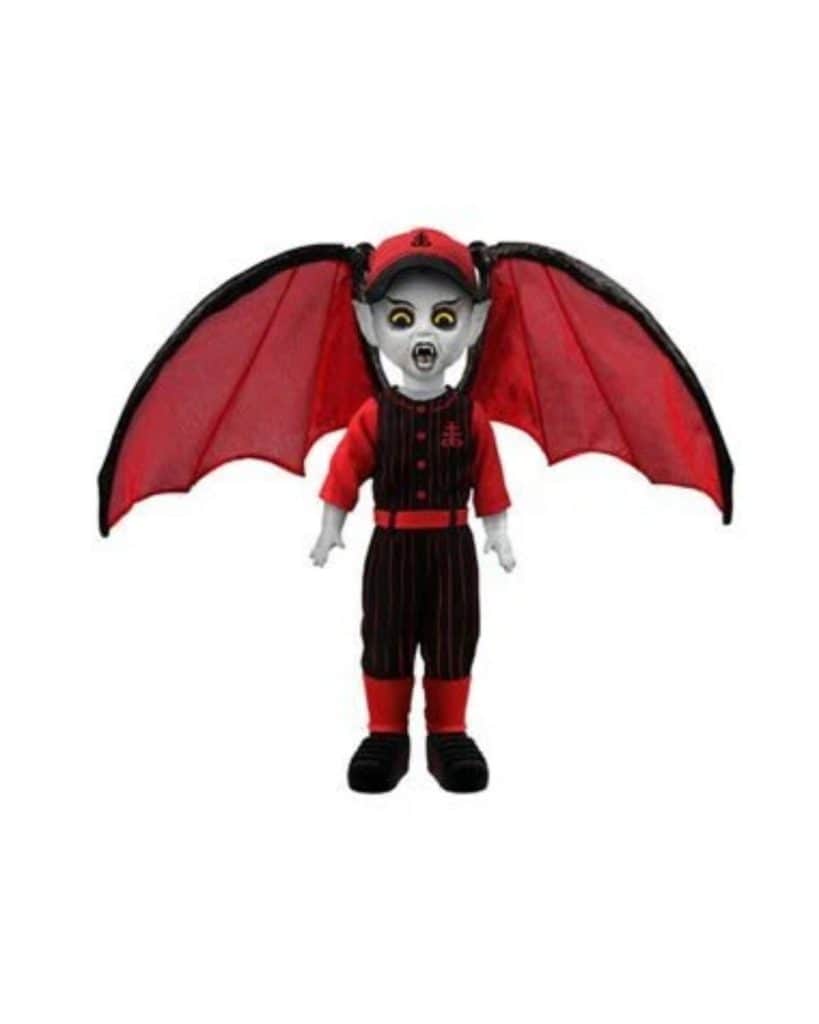
Desmodus Living Dead Dolls Series 21 Figure | Mezco Toyz
Add a sinister creature of the night to your horror collection with the Desmodus Living Dead Dolls Series 21 Figure by Mezco Toyz. Part of the iconic Living Dead Dolls lineup, Desmodus features a creepy bat-inspired design with sharp fangs, pointed ears, and gothic clothing that perfectly captures the unsettling style of the series.
Comparison Table: Lilith vs. Notable Living Dead Dolls Figures
| Figure | Series | Archetype | Secondary Market Demand | Sealed Box Rarity |
|---|---|---|---|---|
| Lilith | Series 3 (2001) | Demonic/Mythological | Very High | High (early production) |
| Desmodus | Series 21 | Vampire/Gothic | Moderate-High | Moderate |
| Ezekiel | Series 23 | Biblical Horror | Moderate | Moderate |
| Jennocide | Series 23 | Slasher | Moderate | Moderate |
The Japanese Market Angle
Serious Living Dead Dolls collectors already know the Japanese market behaves differently from Western resale. Japanese collectors prize original-series figures with intact packaging above almost everything else. Lilith specifically surfaces in Japanese collector auctions with a frequency that suggests dedicated demand from that market. However, Japanese buyers apply extremely strict condition standards: any box discoloration or corner wear is enough to drop a figure out of premium pricing territory. If you are sourcing Lilith for resale into the Japanese market, treat the box as the product, not the doll inside.
Explore the full collection
Figures, art toys & limited editions — shipped across Europe from France.
Why Lilith Is a Smart Long-Term Hold
The Early Series Premium
First, the mechanical logic is straightforward. Early series Living Dead Dolls were produced before the line achieved cult status. As a result, production numbers were not inflated by speculative retail orders. Additionally, two decades of attrition have reduced the pool of genuinely mint examples through handling, storage damage, and casual opening by non-collector purchasers. The figures that survive in sealed, undamaged condition represent a shrinking supply against steady or growing demand from collectors who discovered the line later and now want foundational pieces.
Mezco’s Brand Trajectory Supports Value
Mezco Toyz has built genuine premium brand equity over the past decade through their One:12 Collective line and consistent convention presence. That rising brand profile pulls attention back toward their legacy properties. For example, a collector who enters Mezco through a One:12 Batman figure will eventually discover Living Dead Dolls. When they do, they move toward iconic characters with mythological resonance first. Lilith sits at the top of that discovery funnel. That brand halo effect is a legitimate driver of secondary market strength for early series figures.
Resale Dynamics at Current Market Conditions
Mint-in-coffin Series 3 Living Dead Dolls trade at significant premiums over later series. However, the spread between opened and sealed examples is unusually wide for this line, wider than most comparable figure collectibles. That gap is an opportunity for collectors who can source sealed examples and hold with patience. Meanwhile, the horror collectibles category broadly has shown resilience through market corrections that hit other collectible categories harder, largely because the collector base is passion-driven rather than purely speculative.
Comparison Table: Early vs. Later Series Value Dynamics
| Factor | Series 1-5 (Early) | Series 15+ (Later) |
|---|---|---|
| Production Volume | Lower (pre-cult status) | Higher (established demand) |
| Sealed Box Survival Rate | Lower (casual buyers dominant) | Higher (collector buyers dominant) |
| Secondary Market Premium | Significant | Moderate |
| Mythological IP Weight | High (foundational characters) | Variable |
| Japanese Market Interest | Strong | Moderate |
Rare Inventory Recommends
If you are building a serious Living Dead Dolls collection, start with Lilith from Series 3 as your anchor piece. She is the most mythologically loaded character in the early series, she carries genuine scarcity, and she is the figure that serious collectors consistently identify as a must-own. Beyond her, build horizontally across Series 21 and 23 with characters like Desmodus, Ezekiel, and Jennocide to develop range and context. However, always prioritize sealed condition over price. A damaged coffin box costs you significantly on resale.
Where to Buy
Rare Inventory, based in France, stocks authenticated Living Dead Dolls figures and ships across Europe to collectors in every major market. For Lilith specifically, visit the Lilith Living Dead Dolls Series 3 product page at Rare Inventory for current availability and condition details. Additionally, browse the full Living Dead Dolls selection at Rare Inventory to find companion pieces across multiple series.
Frequently asked questions
What makes Lilith different from other Living Dead Dolls characters?
Lilith draws directly from ancient Jewish and Mesopotamian mythology as the demonic first wife of Adam. That mythological specificity gives her a cultural depth that most later characters do not carry. Additionally, her status as a Series 3 original means she predates the formula that defines the line, which adds historical weight to her collector appeal.
How should I store a mint Living Dead Dolls figure to preserve value?
Store sealed coffin boxes horizontally in a temperature-controlled environment away from direct light. UV exposure yellows early 2000s vinyl and cardboard packaging quickly. However, avoid airtight plastic bins without silica gel packets, because humidity trapped inside can cause cardboard degradation and vinyl off-gassing over extended periods.
Are Living Dead Dolls figures graded like trading cards or Funko Pops?
No formal third-party grading system exists for Living Dead Dolls the way AFA grades vintage action figures. That said, the collector community applies strict informal standards. First, box integrity is paramount. Beyond that, the death certificate, doll positioning, and original ties must all be intact. Serious buyers inspect high-resolution photographs of all six box panels before purchasing remotely.
Is Lilith a good entry point for new Living Dead Dolls collectors?
Lilith is an excellent anchor piece but carries early-series pricing that may challenge new collectors. For those building a collection with a tighter initial budget, Series 21 and 23 figures like Desmodus and Ezekiel offer strong character design and solid secondary market fundamentals at more accessible price points. That said, acquiring Lilith should be a priority goal for any serious collection.
The Shop
Available Now at Rare Inventory
Pieces related to this article, in stock and ready to ship.


100% Authentic Shipped from France Free Shipping Over €200