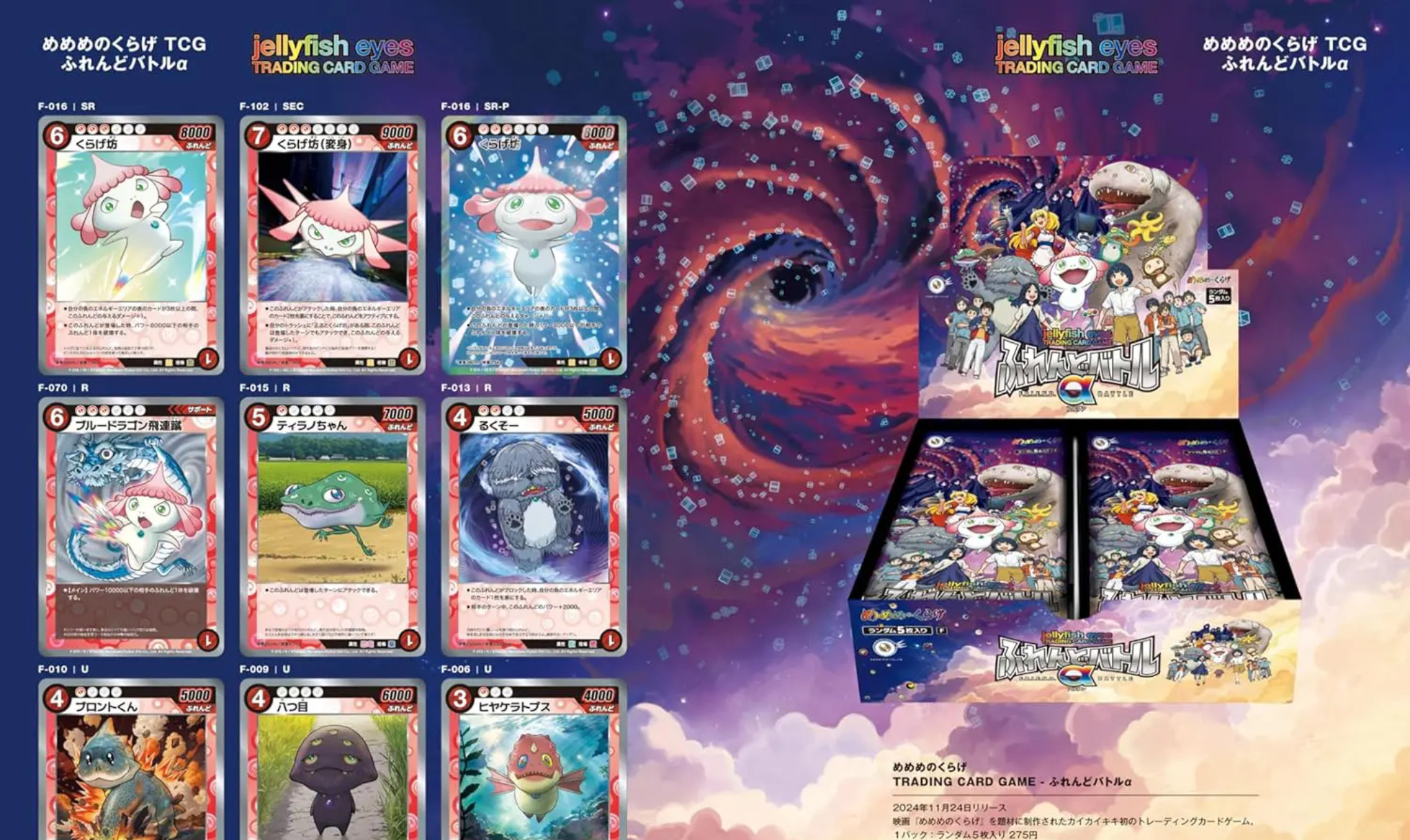
Why Sealed Boxes Hold Their Value: A Collector’s Perspective
Sealed boxes are not just packaging. They are proof of potential, a guarantee of condition, and increasingly, a recognized asset class within the broader collectibles market. As the global collectibles market accelerates toward a projected $480.75 billion (about €428.7 billion) valuation by 2033, according to recent industry forecasting, sealed product sits at the intersection of nostalgia, scarcity, and pure speculative demand. Serious collectors already know this. New entrants are learning it fast.
However, not every sealed box deserves the same reverence. Understanding why certain sealed products hold, and even grow, their value requires real knowledge: pull rates, print run transparency, secondary market dynamics, and the critical role of authentication. This guide breaks it all down.
The Core Mechanics of Sealed Box Value
Scarcity Is the Engine
First, understand that value in sealed collectibles is driven by a simple equation: finite supply against growing demand. Unlike open product, a sealed box carries a promise. Every pack inside is untouched. Every possible hit, every chase card, every rare insert remains accessible. That optionality has real monetary value, and the market prices it accordingly.
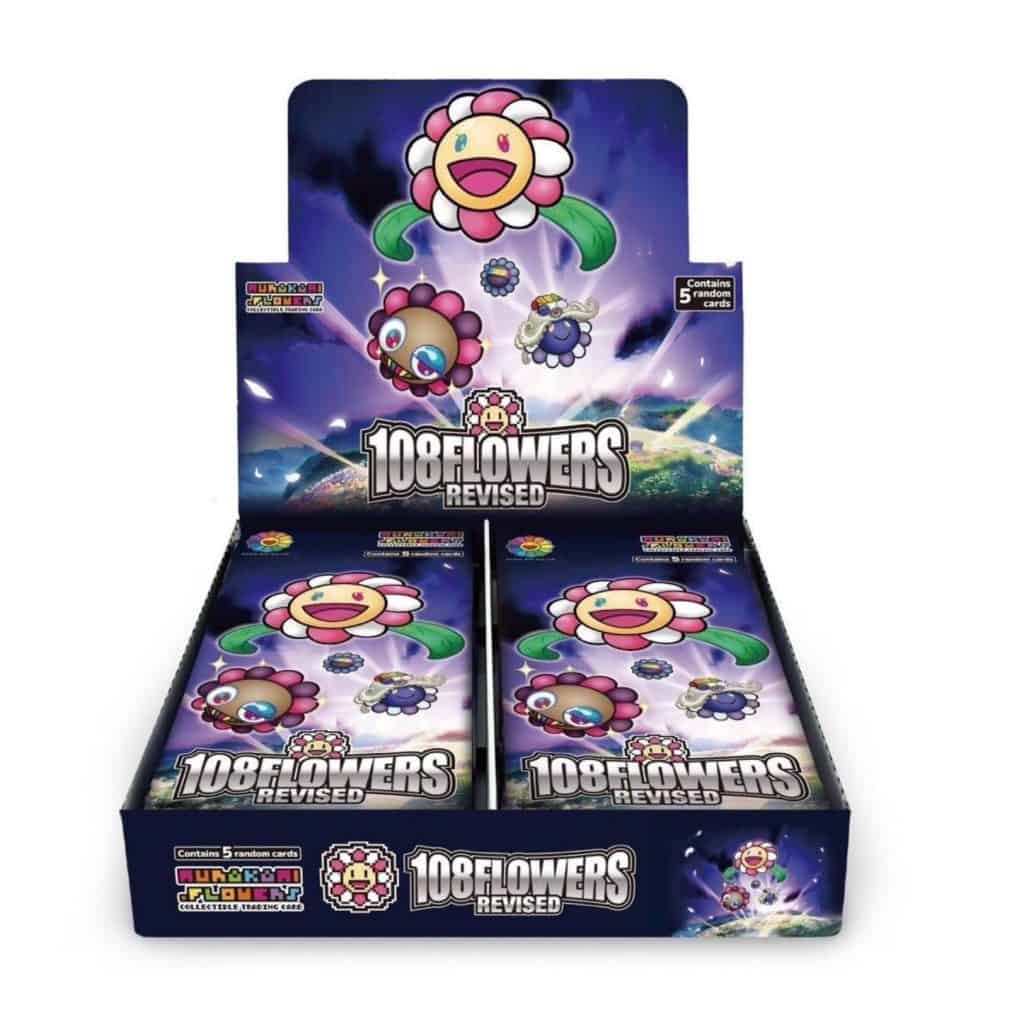
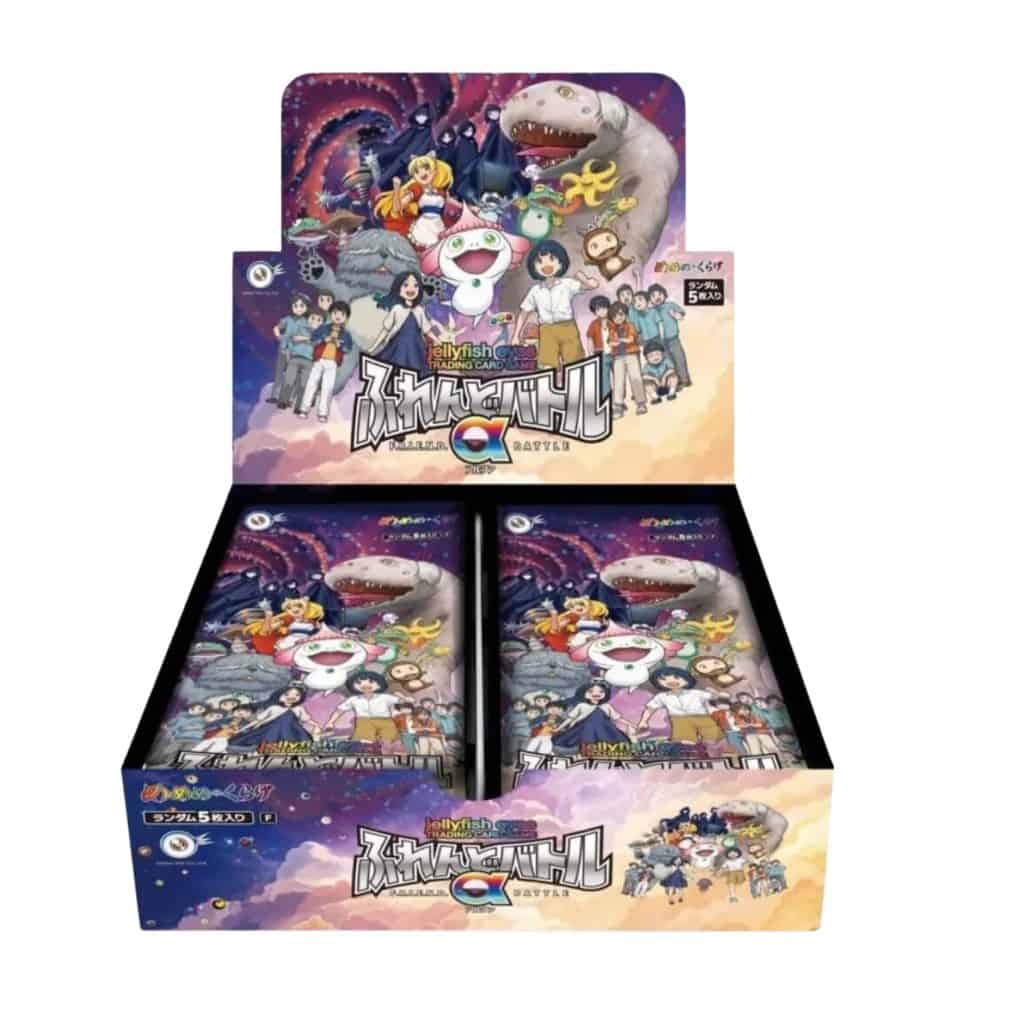
Pull Rates and Expected Value
Pull rates define the mathematics of sealed box investing. A box with a guaranteed hit, or a statistically favorable ultra-rare pull rate, carries higher floor value than one with purely random outcomes. Collectors who treat sealed boxes purely as aesthetic objects miss the point. The sealed state preserves every possible outcome, and that preserved optionality commands a premium over opened product where the results are already known and fixed.
Beyond that, PSA and CGC grading markets reward pristine condition cards pulled from sealed product. Boxes that have remained sealed in climate-controlled storage produce cards with superior centering and surface integrity, which translates directly to higher graded values. A PSA 10 from a fresh sealed box versus a loose pack is not a marginal difference. It is often the difference between a $200 (about €180) card and a $2,000 (about €1,780) card.


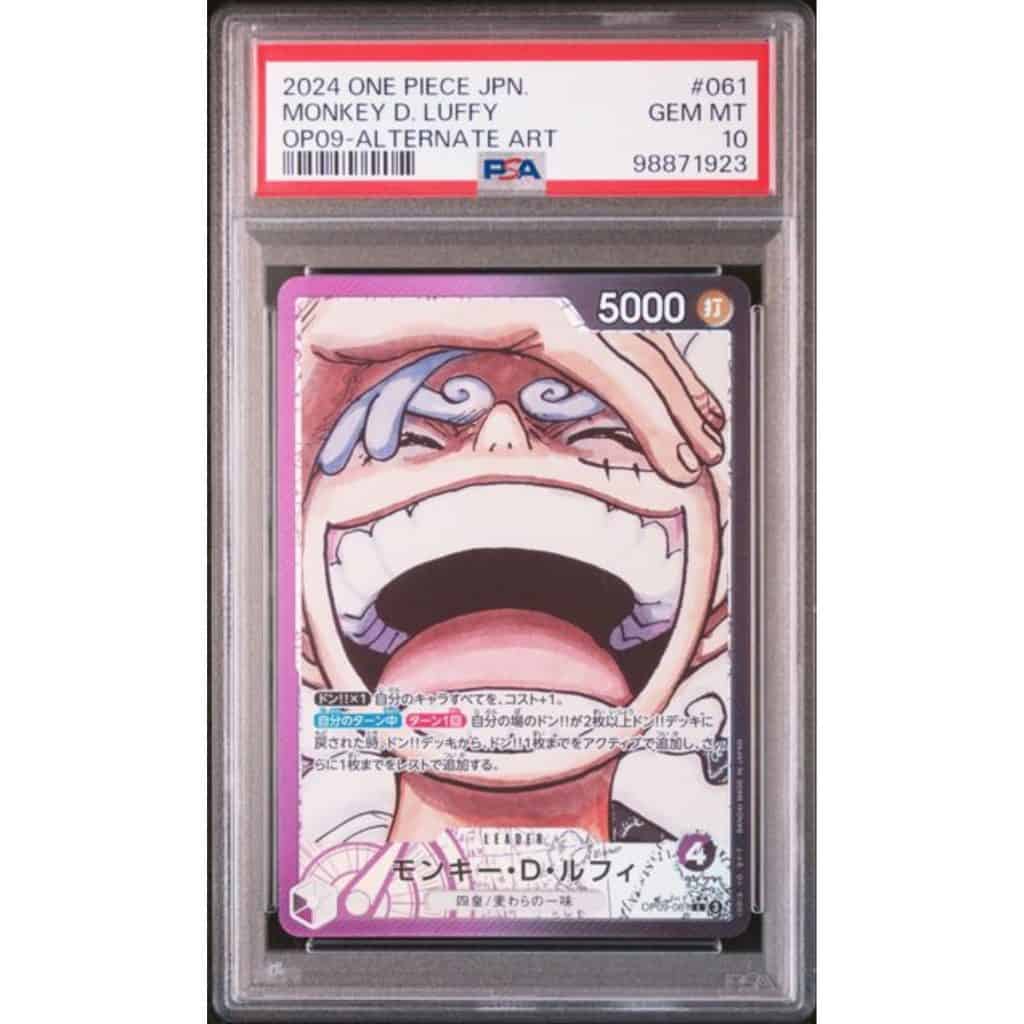
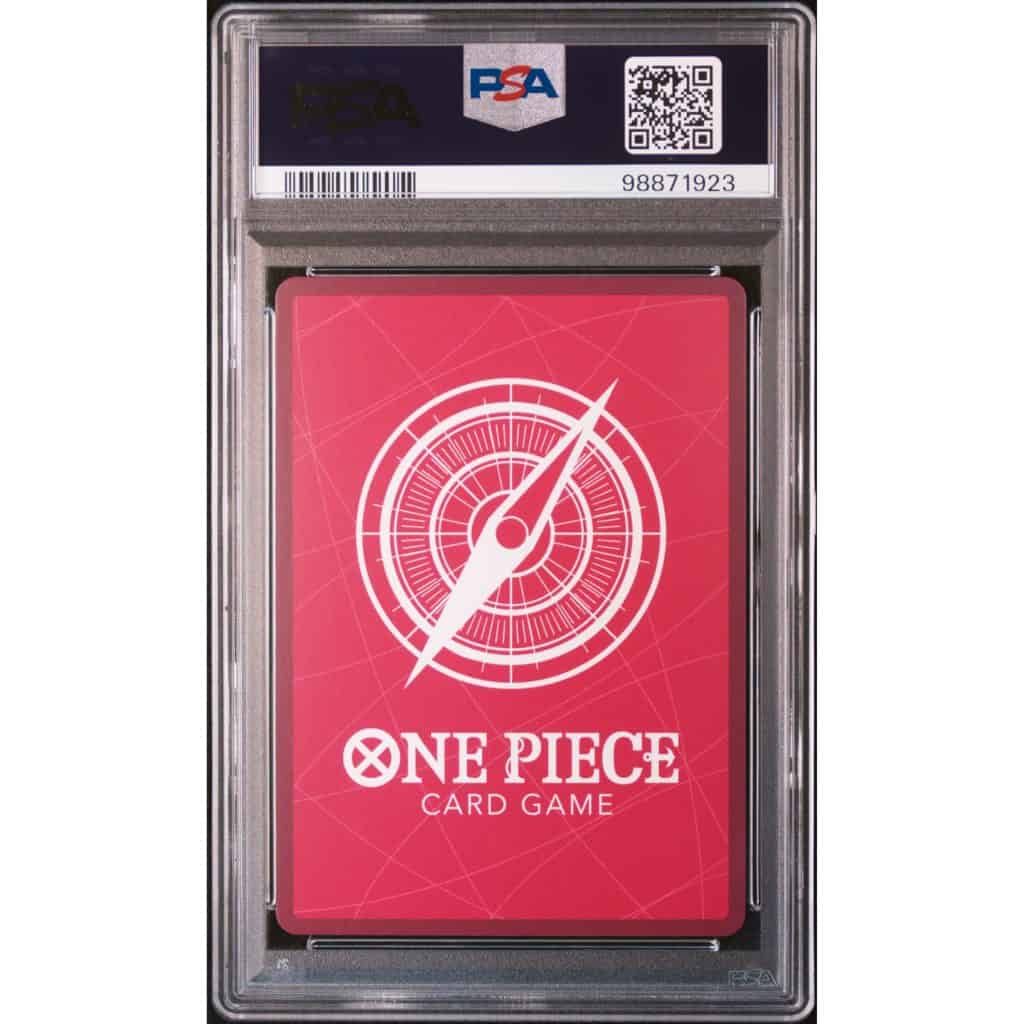
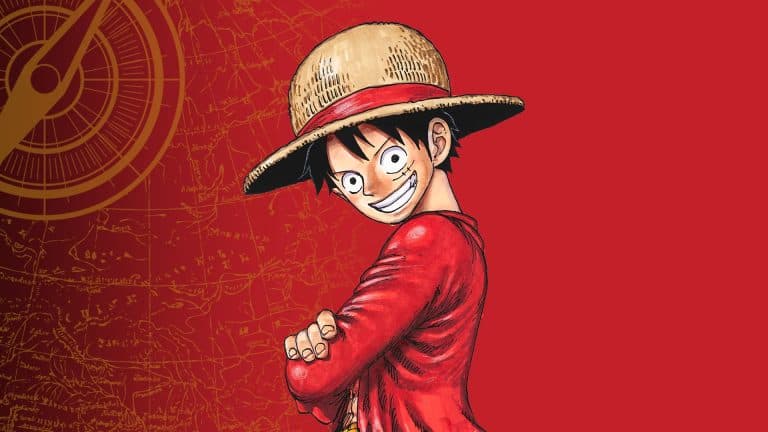
2024 One Piece Japanese OP09 – Emperors in the New World #061 Monkey D. Luffy (Alternate Art) – PSA 10
The Monkey D. Luffy #061 Alternate Art card from the 2024 Japanese One Piece Card Game OP09: Emperors in the New World set shows a bold and detailed illustration of the series’ main character. This alternate art version gives Luffy a new look, making it a popular choice for collectors and One Piece fans.
Explore the full collection
Figures, art toys & limited editions — shipped across Europe from France.
Collaboration Product: When Art Meets TCG
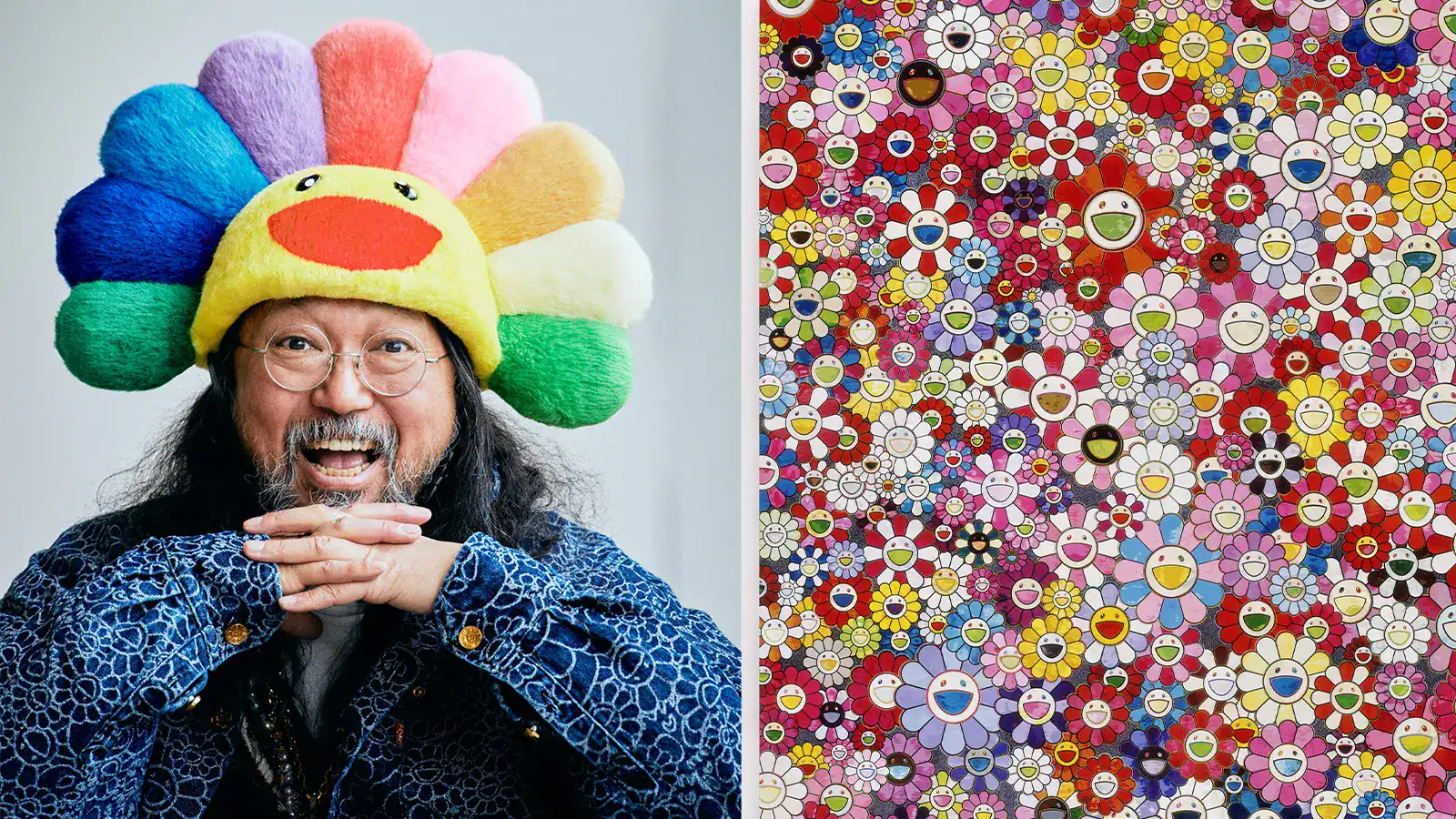
The Murakami Effect
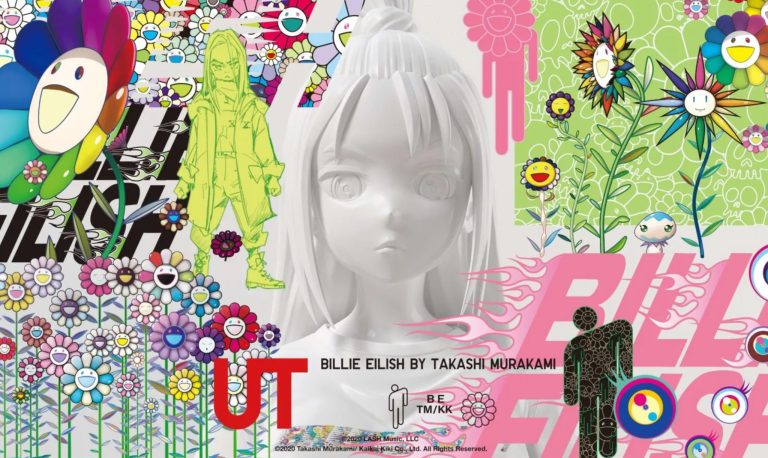
Louis Vuitton collaborating with Takashi Murakami is not a new story. However, the sealed trading card format emerging from that collaboration is genuinely new territory. The Louis Vuitton X Takashi Murakami MNNK JP The Wavy Vinyl Sealed Trading Cards represent a convergence of luxury fashion, contemporary fine art, and the TCG format that collectors have been demanding for years.
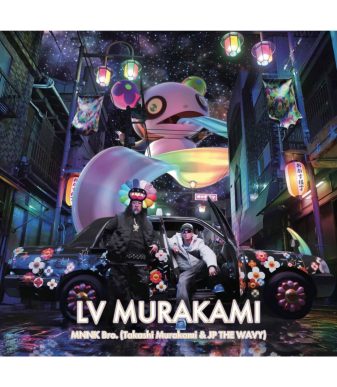

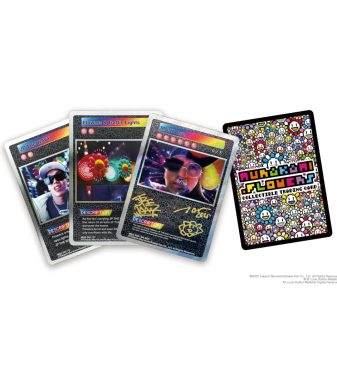
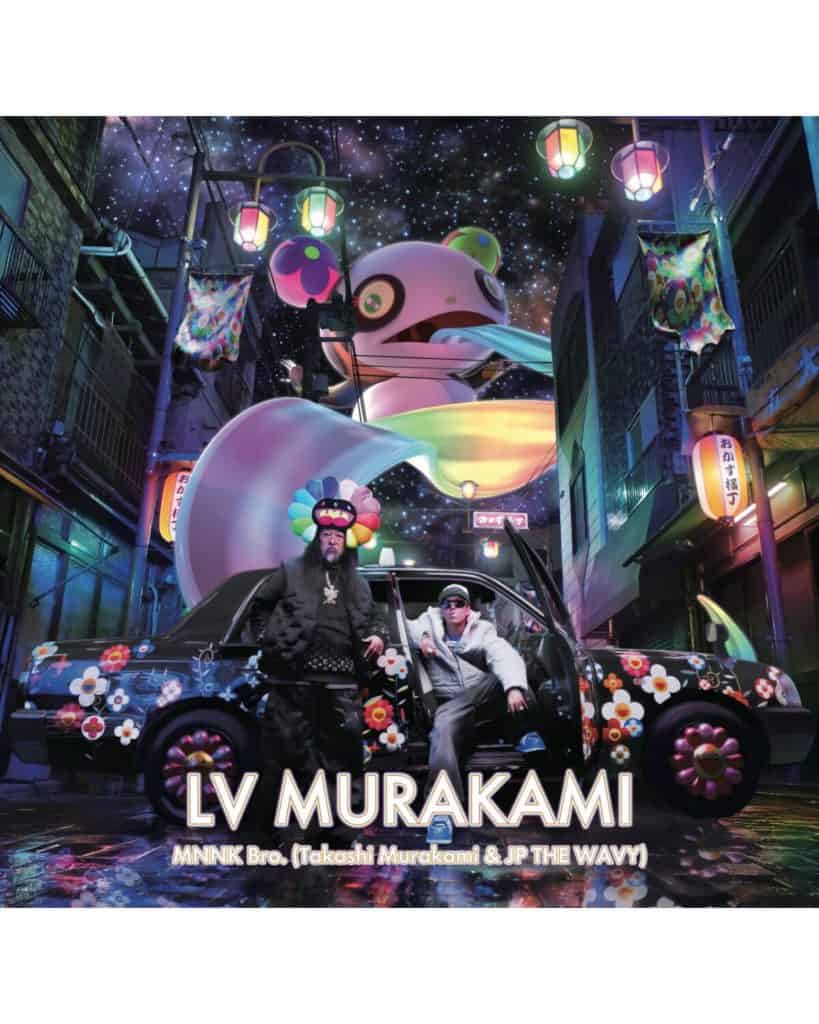
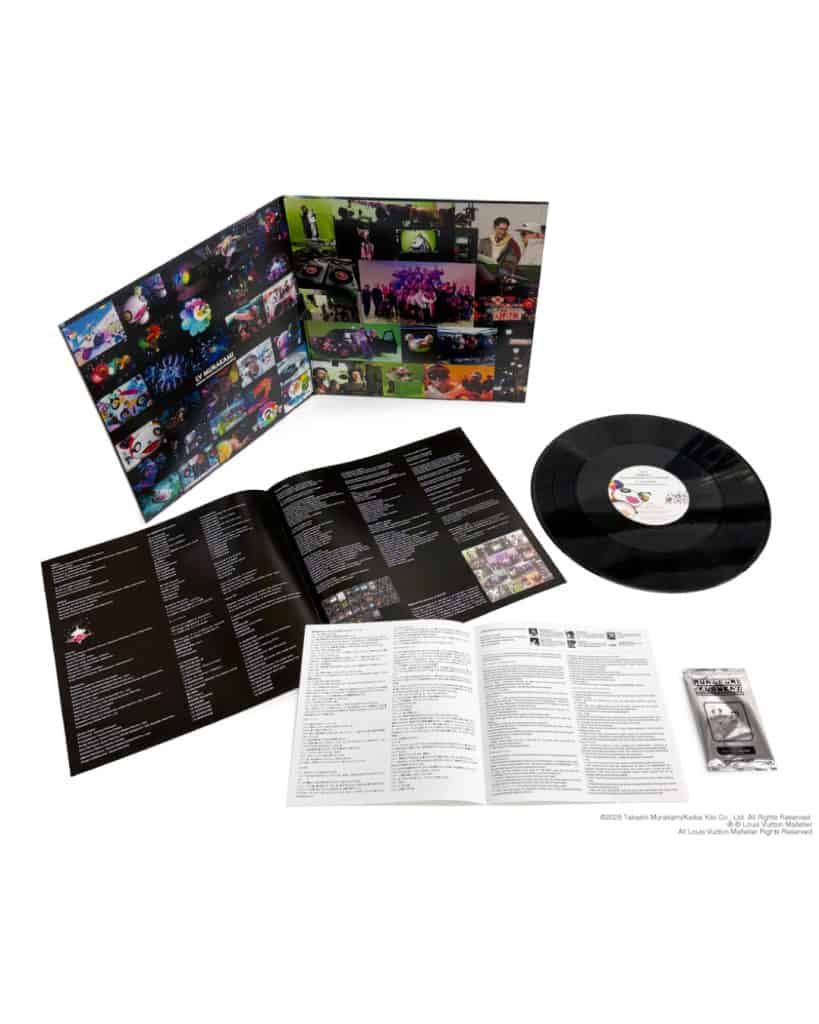
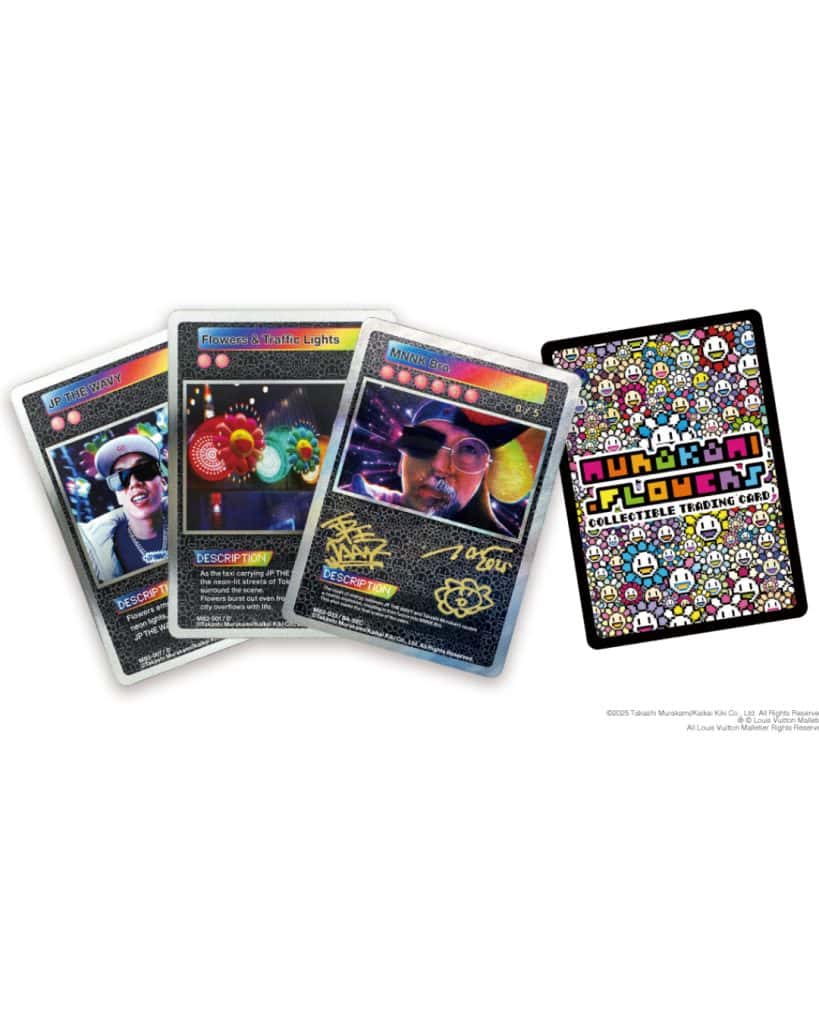
Louis Vuitton x Takashi Murakami Vinyl Record – MNNK. & JP THE WAVY + Sealed Trading Cards
The Louis Vuitton x Takashi Murakami MNNK. & JP THE WAVY Vinyl + Sealed Trading Cards represent a rare collaboration where contemporary art, luxury fashion, and Japanese street culture converge. This collectible set merges Takashi Murakami’s unmistakable visual language with Louis Vuitton’s iconic identity and the musical influence of MNNK. and JP THE WAVY, resulting in a highly sought-after piece.
That convergence is powerful for value retention. First, the Louis Vuitton brand enforces rigid distribution controls. Second, Murakami’s market continues to strengthen globally, with his works commanding serious prices at auction. Third, the sealed format means condition risk is eliminated for the buyer. All three factors compound. As a result, collaboration sealed product from this tier of partnership does not depreciate on normal retail timelines. It appreciates from the moment distribution closes.
Why Collaboration Boxes Outperform Single-Brand Releases
Single-brand TCG releases depend on the health of one IP. Collaboration releases, in contrast, draw from two independent collector bases simultaneously. A Murakami collector who has never opened a trading card pack will buy sealed LV X Murakami product for the art provenance alone. Meanwhile, a serious TCG collector buys for the format and the pull potential. That doubled demand against limited supply is the structural reason collaboration sealed boxes consistently outperform.
| Product Type | Primary Demand Driver | Secondary Demand Driver | Long-Term Value Outlook |
|---|---|---|---|
| Standard TCG Booster Box | Pull Rate / IP Strength | Nostalgia | Moderate, print-run dependent |
| Japanese Exclusive TCG Box | Regional Scarcity | PSA grading upside | Strong, especially post-rotation |
| Luxury Collaboration Sealed Cards | Brand Prestige / Art Value | TCG Collector Crossover | Very strong, multi-audience demand |
| Artist Signed Limited Prints | Edition Size / Artist Market | Display / Collection Value | Strong, auction market dependent |
The Japanese Market Premium
Why Japan Changes the Equation
The Japanese collectibles market operates by different rules. Domestic releases are tightly controlled, regional distribution is often exclusive, and the cultural weight of condition is extreme. Japanese collectors have always treated sealed product with a reverence that Western markets are only beginning to adopt. That reverence has a financial consequence: Japanese sealed boxes that exit the domestic market carry an immediate premium simply from the friction of acquisition.
Additionally, Takara Tomy and Bandai both manage Japanese-exclusive product lines with deliberate scarcity. Collectors who access these at retail through Japanese channels, and hold them sealed, are sitting on assets that the global secondary market will eventually price far above original cost. The art toy fair recently running at CentralWorld Bangkok demonstrated that Asian collector demand for sealed, authenticated product is accelerating regionally, not just in Japan. That geographic expansion of demand is a strong tailwind for anyone holding sealed Japanese product today.
Explore the full collection
Figures, art toys & limited editions — shipped across Europe from France.
Authentication and the Seal Premium
An unsealed box is a fundamentally different asset from a sealed one. That is not opinion. The secondary market prices the difference explicitly. Factory seals, cellophane wrap integrity, and original outer packaging all contribute to a condition grade that directly affects resale pricing. Collectors who break seals to verify contents, or worse, to sample packs and reseal, destroy value in a way that no subsequent grading can fully recover.
For serious collectors, the discipline is simple: if you intend to hold for appreciation, the seal is inviolable. If you intend to open, price that decision as a consumption choice, not an investment one. The two strategies are not compatible, and conflating them is the most expensive mistake in sealed box collecting.
Rare Inventory Recommends
For collectors building a sealed box position, prioritize collaboration releases and Japanese-exclusive TCG sets with documented print run limits. The Louis Vuitton X Takashi Murakami MNNK JP The Wavy Vinyl Sealed Trading Cards belong in any serious collection focused on long-term value. Similarly, the Orange Wind Print X Mr Signed Edition of 300 demonstrates how limited edition artist works operate on the same scarcity logic as sealed TCG product, with the added stability of a fixed, publicly documented edition size. Both represent the convergence of art credibility and collector demand that defines premium sealed product in 2026.
Explore the full collection
Figures, art toys & limited editions — shipped across Europe from France.
Signed Editions and Limited Prints: The Sealed Logic Applied to Art
Edition Size Is Everything
The same mechanics that govern sealed TCG box value apply directly to signed limited edition prints. An edition of 300, signed by the artist, is a fixed supply that cannot be reprinted. However, unlike a sealed box where the interior content is unknown, a signed print’s value is entirely surface-visible. That transparency, combined with documented provenance, creates a different but equally compelling value proposition.
The Orange Wind Print X Mr Signed Edition of 300 at €500 illustrates this perfectly. Mr., the prominent Japanese artist associated with Kaikai Kiki, commands a consistent secondary market. An edition of 300 is small enough to sustain scarcity pressure as pieces enter private collections and are removed from circulation permanently. As a result, the available float of this edition shrinks over time, while collector interest in Mr.’s work continues to grow internationally.
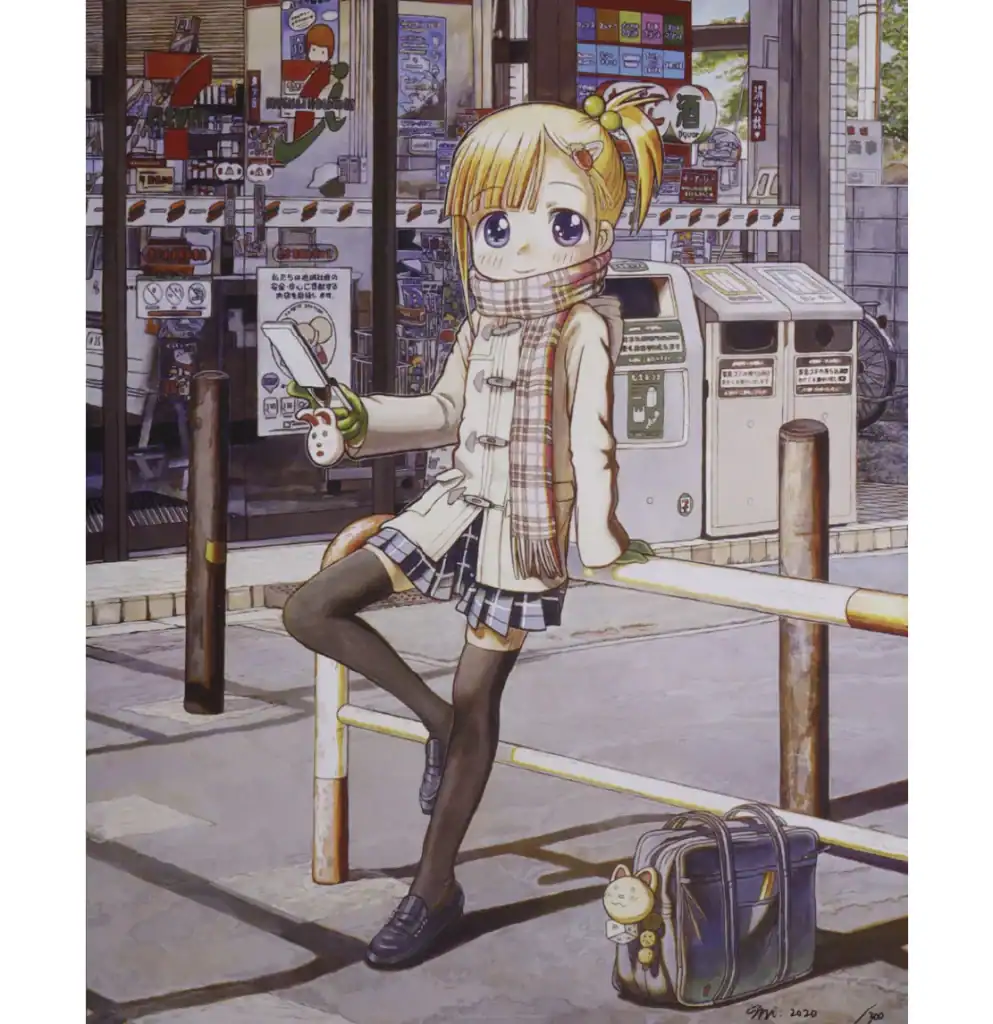
Mr. Orange Wind Signed Print (Edition of 300)
A captivating work by Mr., Orange Wind embodies the essence of Japan’s Superflat movement, blending anime-inspired aesthetics with quiet, everyday urban storytelling. Closely associated with Takashi Murakami, Mr. brings a unique emotional depth to his characters, balancing innocence with subtle nostalgia.
Condition Parity Between Prints and Sealed Boxes
Collectors storing signed prints face the same condition discipline as sealed box holders. UV exposure, humidity, handling, and framing all affect value. Mint, unframed, with original certificate of authenticity intact is the equivalent of an unopened factory seal. That condition standard is non-negotiable for serious resale positioning. Medicom Toy has long understood this, packaging collectible art figures with the same attention to sealed presentation that TCG publishers apply to booster boxes. The lesson is consistent across categories: original packaging and sealed condition are not cosmetic details. They are core value components.
| Sealed Format | Value Floor Factor | Value Ceiling Factor | Key Risk |
|---|---|---|---|
| TCG Booster Box (Japanese Exclusive) | Print run scarcity | PSA 10 pull upside | IP decline |
| Luxury Collaboration Cards | Brand prestige floor | Art market crossover demand | Brand partnership ending |
| Signed Limited Edition Print | Documented edition size | Artist career trajectory | Condition damage |
| Art Toy in Original Box | Sealed packaging premium | Cultural moment alignment | Reissue risk |
Where to Buy
Rare Inventory is based in France and ships sealed collectibles worldwide, with a curated selection focused on authenticated, condition-verified product. For collectors serious about sealed box value, browsing the Rare Inventory catalog is the logical starting point. Every piece offered reflects the scarcity and provenance standards this guide has outlined. Condition integrity and sourcing transparency are not optional at this level, and Rare Inventory builds both into every listing.
Frequently asked questions
Does a sealed box always outperform an opened box in resale value?
For the vast majority of premium and limited product, yes. The sealed premium is real and documented across TCG, art toy, and collaboration categories. However, individual opened cards graded PSA 10 can sometimes exceed sealed box value if the pull rate for that specific card is extremely low. That said, you are absorbing the opening risk to reach that outcome, which makes sealed holding the lower-risk strategy for most collectors.
How do I verify that a sealed box has not been tampered with or resealed?
Factory seals have specific characteristics: consistent cellophane wrap tension, manufacturer-specific tape patterns, and original weight that matches documented standards for that product. Reseals typically show heat distortion at the edges, inconsistent wrap alignment, or aftermarket tape that does not match the original. For high-value sealed product, buying from authenticated sources like Rare Inventory eliminates this risk entirely.
Are Japanese TCG sealed boxes genuinely harder to acquire than Western releases?
Yes, structurally harder. Japanese distribution relies on domestic retail channels, often with no international allocation. Collectors outside Japan pay both an acquisition premium and an import friction premium. Additionally, certain Japanese sets are never officially distributed internationally, making sealed boxes from those sets permanently scarce in global collector markets. That structural scarcity is priced into secondary market values accordingly.
How does the NFT and digital collectibles market affect physical sealed box values?
Digital and physical collectibles have largely proven to be parallel markets rather than substitutes. The NFT market’s volatility has, if anything, reinforced appetite for physical sealed product with tangible condition verification and documented scarcity. Collectors burned by digital asset depreciation have increasingly moved toward physical sealed product as a store of value with clearer authentication standards and a longer track record of appreciation.
The Shop
Available Now at Rare Inventory
Pieces related to this article, in stock and ready to ship.


In Stock
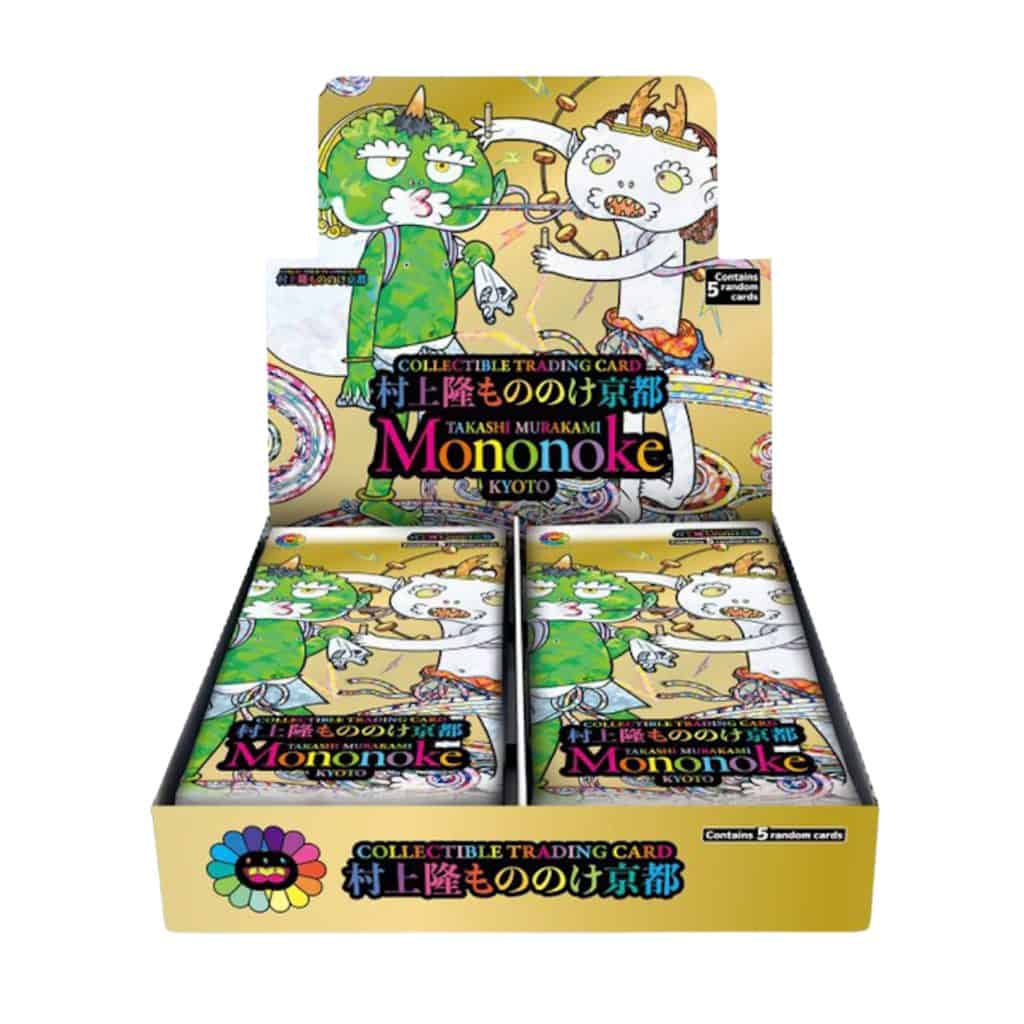
Takashi Murakami Mononoke Kyoto Collectible Trading Card Box (Japanese Edition)
€150
Shop Now →100% Authentic Shipped from France Free Shipping Over €200