Vinyl Collectibles vs. PVC Figures: Which Format Actually Holds Its Value Over Time?
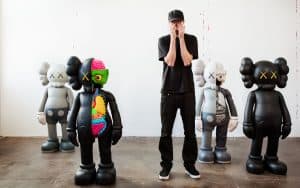
Back in 2011, Medicom Toy, A Bathing Ape, and KAWS jointly produced the Dissected Milo vinyl figure. The retail price sat at $180 (about €160). Today, the white colorway commands ask prices above $1,000 (about €890) on the secondary market, and the brown limited edition of 500 units regularly surfaces with ask prices of $4,000 (about €3,570) or more. That single object tells you everything about the vinyl collectibles vs. PVC figures debate before you even open a box.
Vinyl collectibles, particularly limited-edition designer art toys, consistently outperform mass-produced PVC figures on the secondary market over a five-plus-year horizon. PVC dominates in volume, detail, and accessibility, but vinyl wins on scarcity, cultural cachet, and long-term price appreciation. The format you choose should match your collecting goal: display pleasure or capital preservation.
How Vinyl Collectibles and PVC Figures Grew Up Differently
The origin stories of these two formats diverged dramatically from the start. PVC figures emerged from Japan’s prize-figure and hobby-kit culture in the 1980s and 1990s, built around exacting anime likeness reproduction for dedicated fans. Manufacturers like Good Smile Company and Kotobukiya refined PVC into a medium capable of extraordinary surface detail, articulated joints, and interchangeable parts. The goal was fidelity to source material, not artistic scarcity.
Vinyl, meanwhile, found its identity in a completely different conversation. The sofubi (soft vinyl) tradition in Japan, rooted in kaiju and tokusatsu toy culture, treated the figure as a canvas. Kaikai Kiki artist Takashi Murakami helped push designer vinyl into the global fine art conversation during the early 2000s. KAWS built an entire market on cast vinyl’s smooth, sculptural surface. Vinyl, often soft vinyl or rotocast vinyl, offers a lighter weight and smooth surface and, unlike PVC, is typically hollow, making it ideal for larger or stylized figures. That hollowness is not a flaw. It is the physical signature of the art-toy format.

Explore the full collection
Figures, art toys & limited editions — shipped across Europe from France.
The Designer Toy Revolution and What It Changed
The mid-2000s designer toy movement permanently separated vinyl’s identity from mass production. Vinyl carries strong collector appeal among adult fans of designer toys and niche markets, and manufacturers especially favor it for ODM designer lines and art-inspired collectibles. This positioning made scarcity not just a marketing strategy but a material expectation. When collectors handle a vinyl piece, they expect a run in the hundreds, not thousands.
PVC scaled in the opposite direction. PVC is especially common in OEM production for brands that need large volumes of affordable, detailed figures. Series like Banpresto’s DXF line, which includes the Uta DXF The Grandline Series One Piece Film Red figure, place extraordinary paintwork and sculptural detail inside a price point reachable by any fan. That accessibility is the format’s greatest strength and its primary limitation as a store of value.


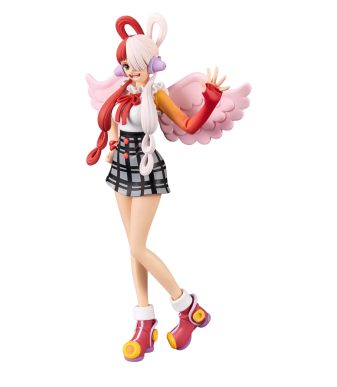
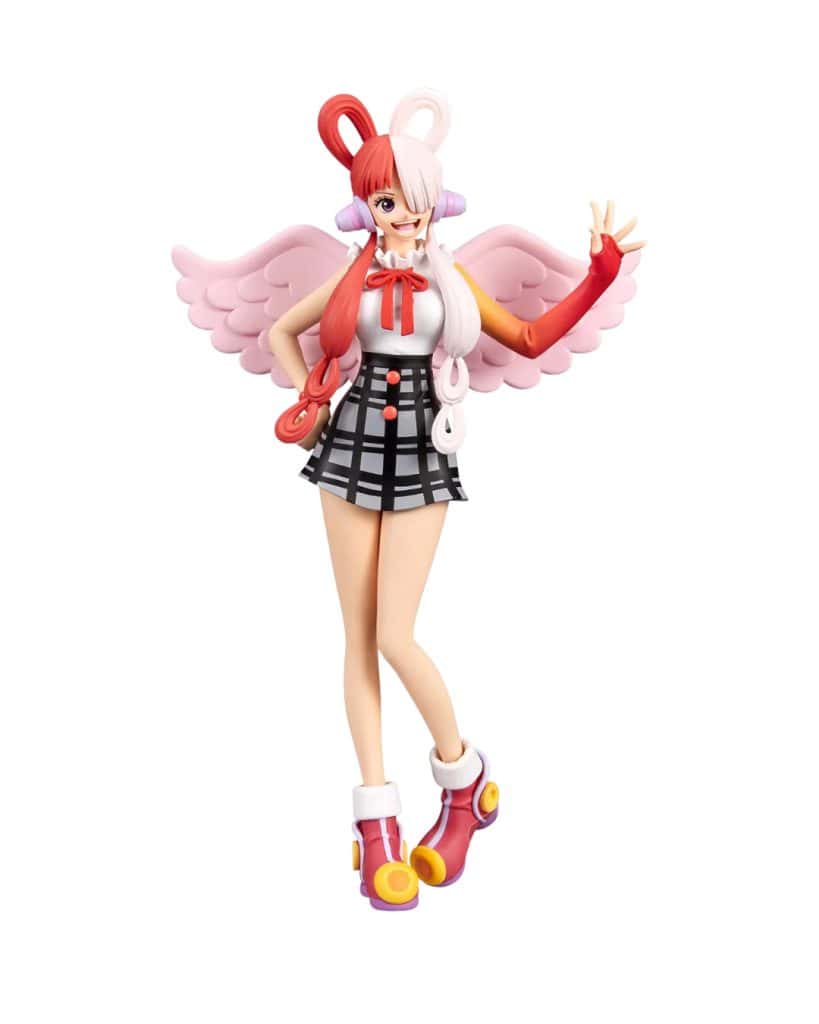
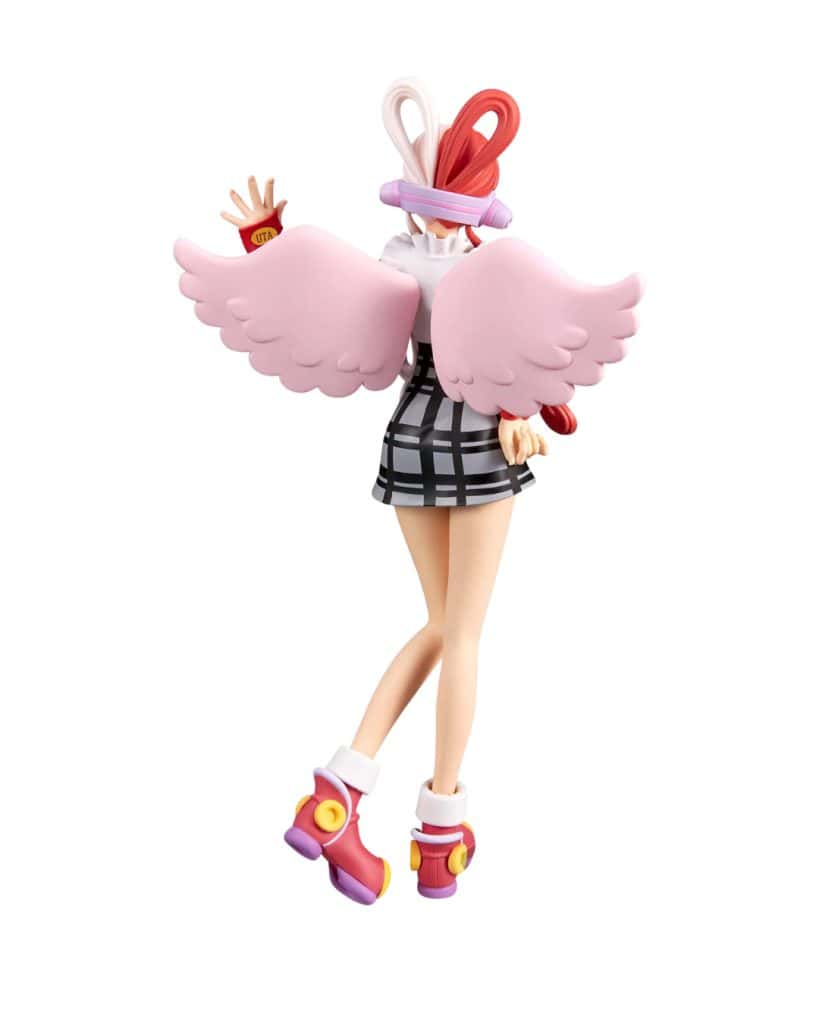
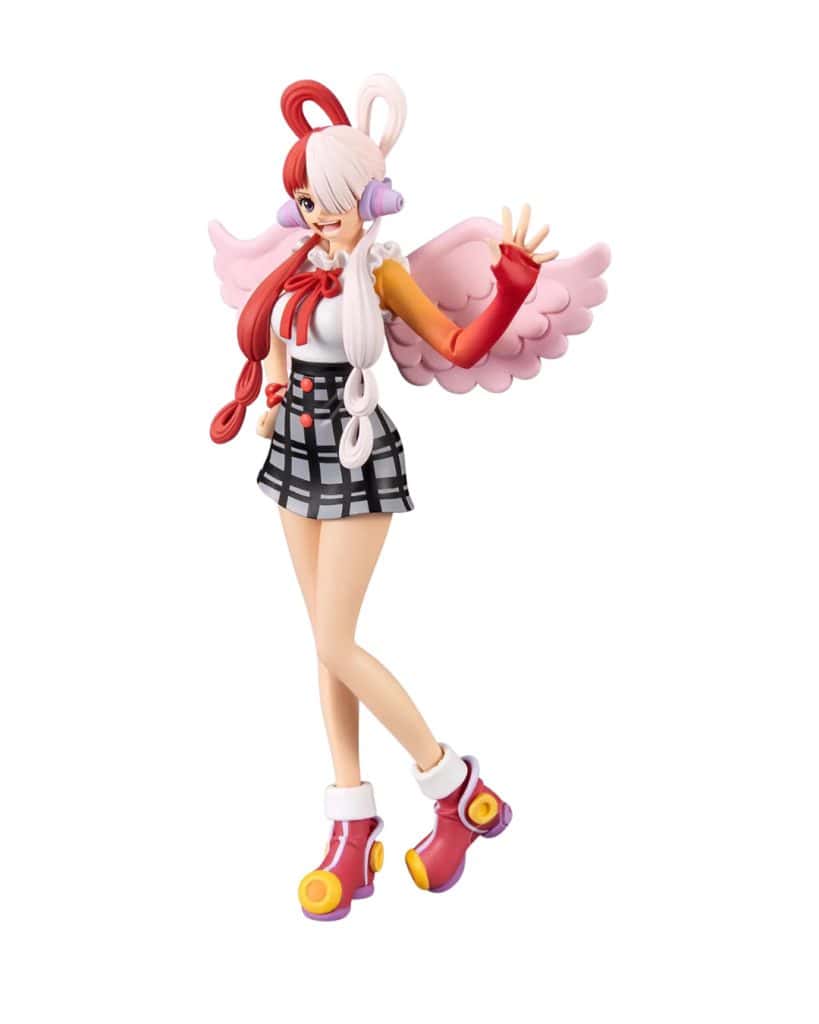
Uta DXF The Grandline Series Figure One Piece Film Red | Banpresto
The diva of the seas takes center stage. This DXF The Grandline Series figure by Banpresto captures Uta, the world’s greatest singer and Shanks’ daughter in her iconic Film Red look, radiating the star power and musical energy that captivated audiences worldwide and made One Piece Film Red one of the most beloved entries in the franchise.
Vinyl Collectibles vs. PVC Figures: The Real Value Mechanics
Pull any serious collector’s portfolio and you will find the same pattern. Vinyl art toys hold because the production ceiling is hard. When the KAWS x BAPE Dissected Milo Brown, limited to 500 units, sold out in 2011, that ceiling was set permanently. No restock, no re-issue, no new colorway absorbs demand. Secondary market prices for the white Dissected Milo now reflect a premium of over 400% against the original retail price, a compounding that few asset classes outside fine art can rival over a fifteen-year window.



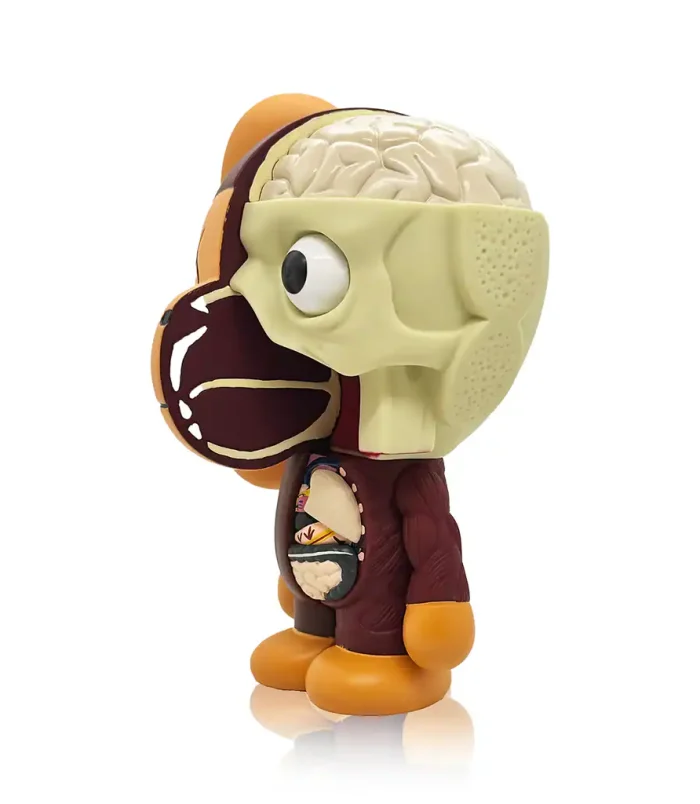
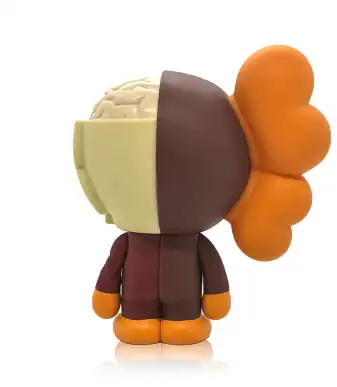
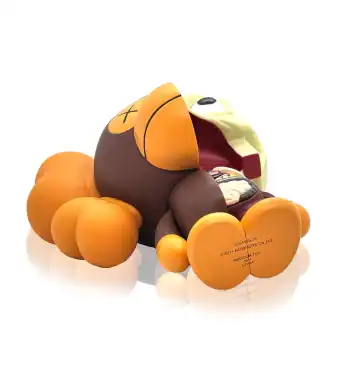
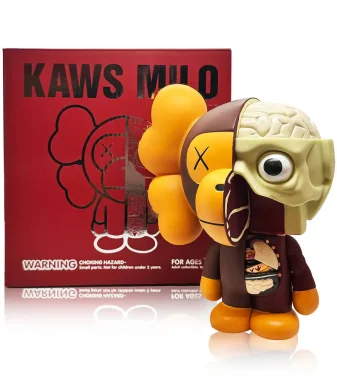


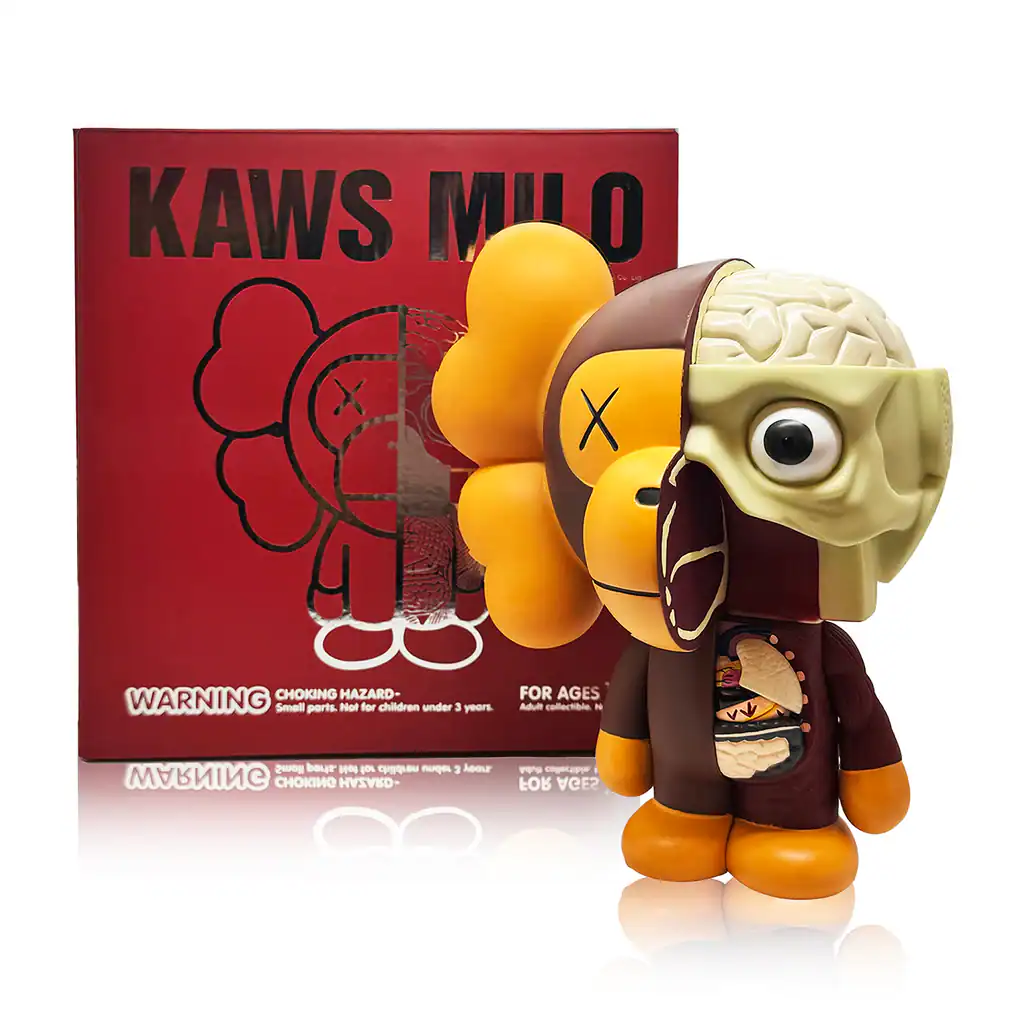
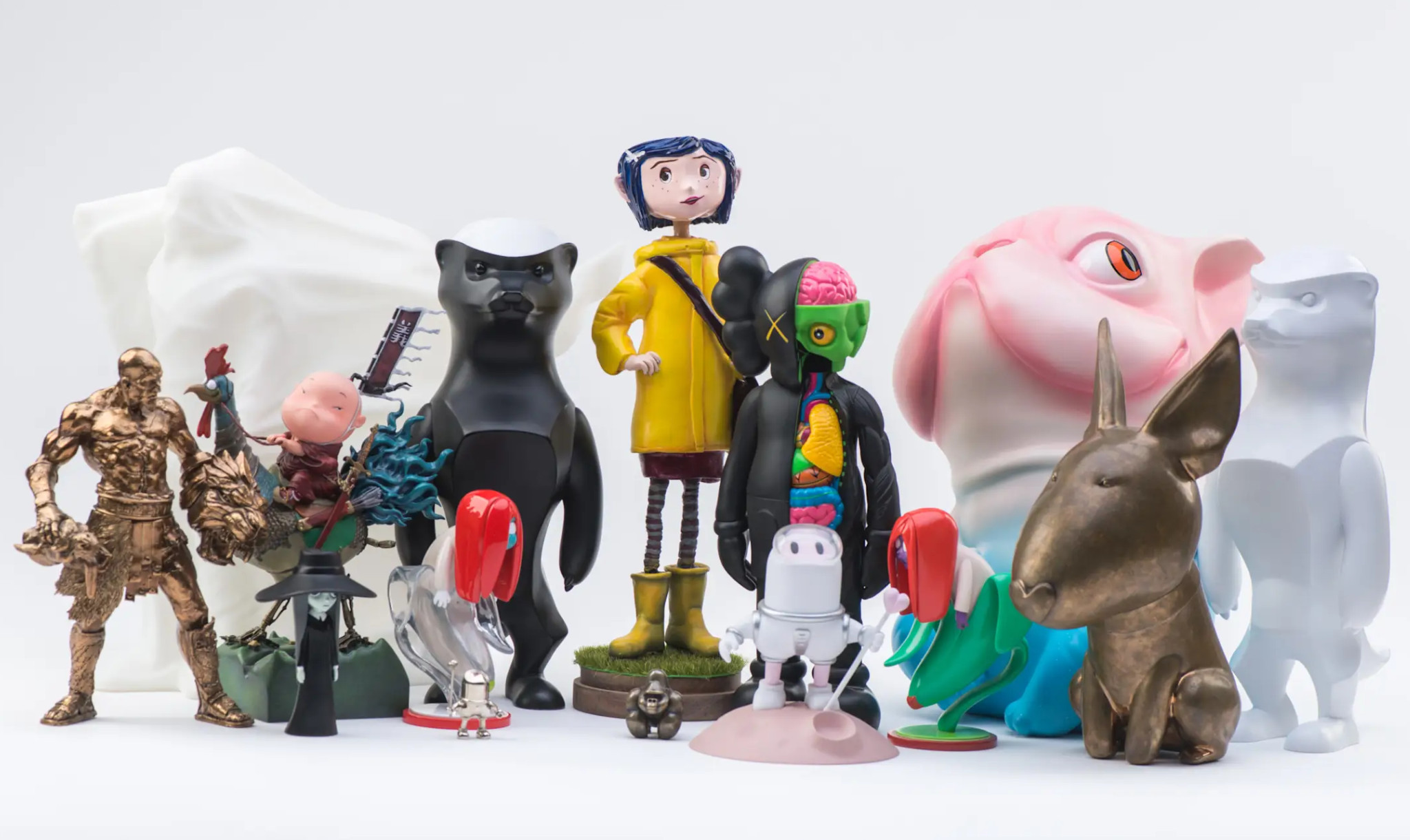
KAWS x BAPE Dissected Milo 2011 Vinyl Figure (Brown) | Limited Edition 500
Official KAWS Dissected Milo vinyl figure released in 2011. One of the most iconic KAWS companion pieces ever produced, the Dissected Milo exposes the internal anatomy of the beloved character through KAWS’ signature dissection aesthetic. Painted cast vinyl with exceptional detail and finish.
Moreover, the scarcity mechanics of vinyl interact with cultural heat in ways PVC cannot replicate. Vinyl is the fastest-growing material segment in the collectible figures market, projected at a CAGR of 8.1% through 2034. That trajectory reflects demand for limited designer objects, not commodity toys. Meanwhile, PVC’s own growth story is real but structurally different: the prevalence of plastic in collectible figures reflects its versatility, scalability of production, capacity for fine detailing, compatibility with vibrant paint applications, and relative cost efficiency that enables mainstream price points.
Where PVC Wins: Condition, Detail, and Display Return
Still, PVC is not a weak investment. First, it offers a far better return on display value per dollar spent. Good Smile Company’s Nendoroid and scale figure lines, Kotobukiya’s bishoujo series, and Banpresto prize figures deliver hand-painted quality at accessible price points. Second, highly specific PVC figures tied to beloved, finite franchises do appreciate. A PSA-graded, factory-sealed prize figure from a discontinued anime run will outperform an open, displayed version by a multiple. Condition gates the resale market for PVC more severely than it does for vinyl, because vinyl’s smooth surface shows wear more obviously and loses value faster once displayed.
Additionally, the anime figure market continues to expand. The Japan collectibles market reached USD 14.91 billion in 2025, with a strong cultural backbone in manga, anime, and toy collectibles making these among the top revenue generators. Announcements like Sentinel’s Jolyne Cujoh FIGURE MUSEUM release from JoJo’s Bizarre Adventure in July 2026, the Arcane Fractured Jinx 1/6 Scale Collectible, and Persona 5 Royal’s Makoto Niijima and Morgana figures confirm that IP-driven PVC demand remains structurally robust.
Explore the full collection
Figures, art toys & limited editions — shipped across Europe from France.
The Collaboration Premium: When Vinyl Intersects Fine Art
The highest tier of the vinyl collectibles vs. PVC figures debate lives at the intersection of designer art and fashion. Consider the Louis Vuitton x Takashi Murakami MNNK JP The Wavy Vinyl Sealed Trading Cards available at Rare Inventory. Louis Vuitton‘s 2025 Murakami revival confirmed that vinyl-adjacent collectibles carrying luxury fashion provenance occupy an entirely different appreciation curve. Sofubi figures, Japan’s soft vinyl collectible tradition, are particularly beloved across generations, while social media and nostalgia trends further deepen engagement. When a vinyl object carries both an art world pedigree and a luxury brand imprint, its floor price effectively has no historical precedent to draw from, which means upside potential stays open.
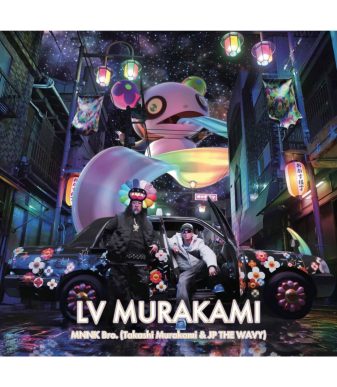

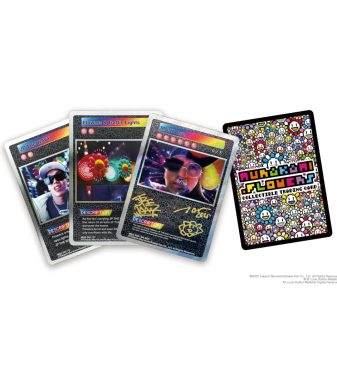
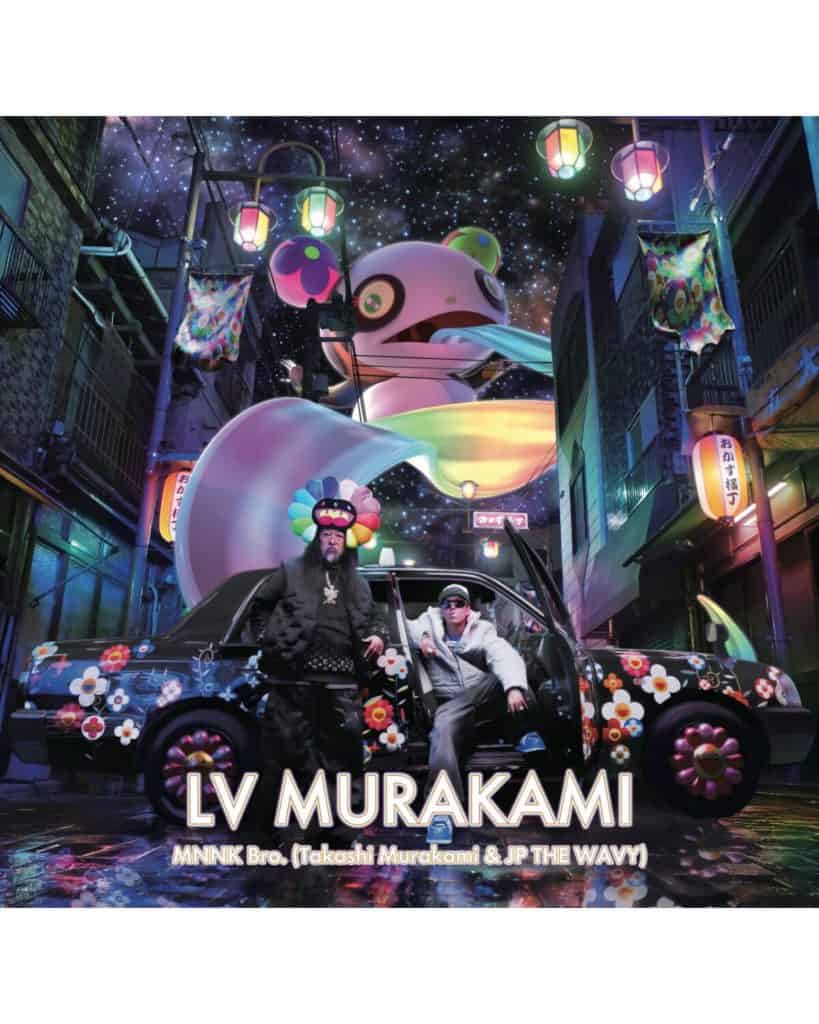
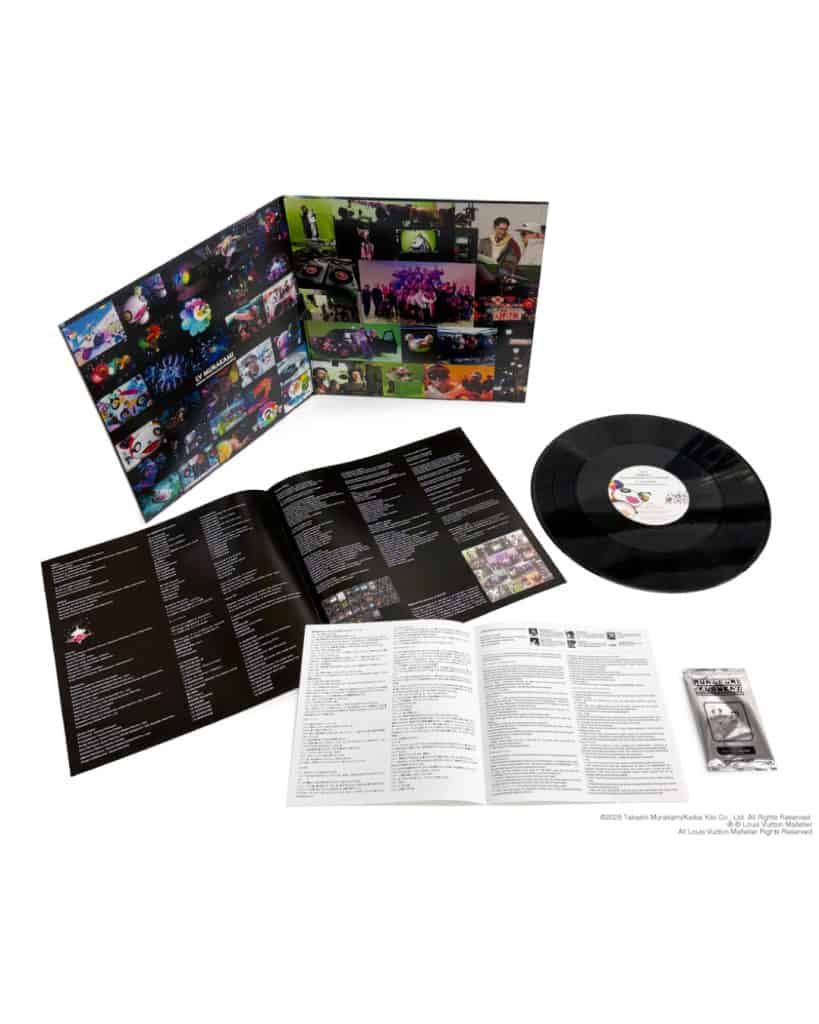
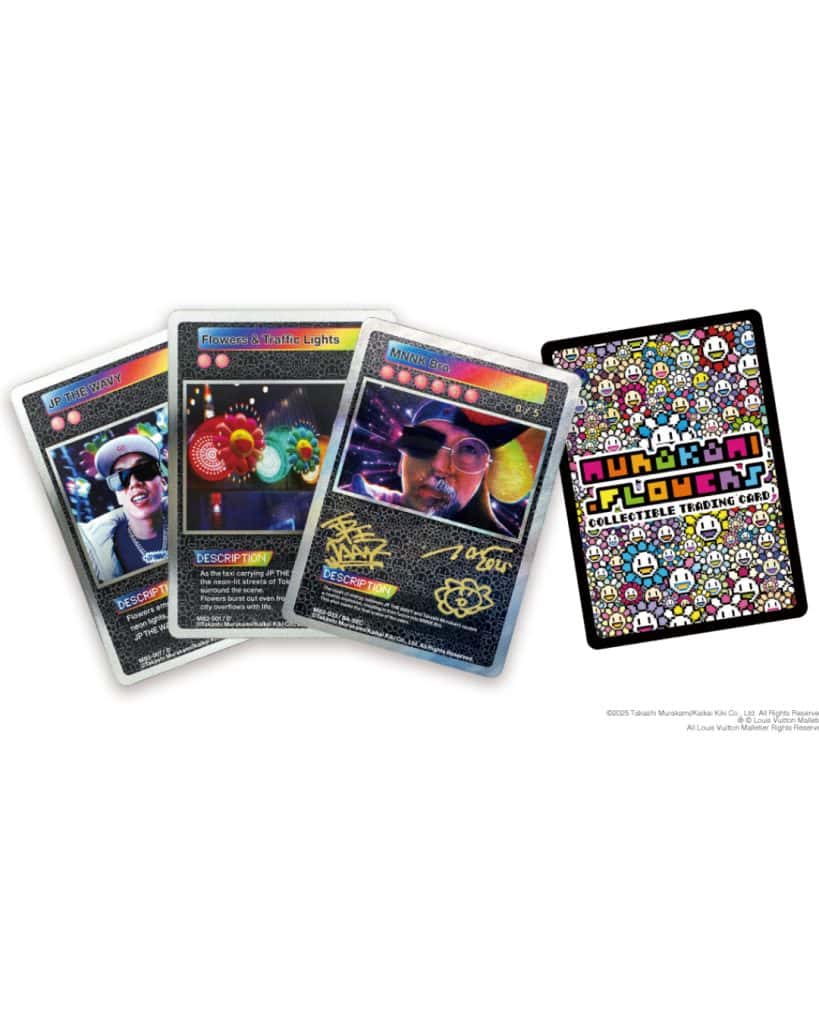
Louis Vuitton x Takashi Murakami Vinyl Record – MNNK. & JP THE WAVY + Sealed Trading Cards
The Louis Vuitton x Takashi Murakami MNNK. & JP THE WAVY Vinyl + Sealed Trading Cards represent a rare collaboration where contemporary art, luxury fashion, and Japanese street culture converge. This collectible set merges Takashi Murakami’s unmistakable visual language with Louis Vuitton’s iconic identity and the musical influence of MNNK. and JP THE WAVY, resulting in a highly sought-after piece.
Vinyl Collectibles vs. PVC Figures: The Head-to-Head Breakdown
| Factor | Vinyl Collectibles | PVC Figures |
|---|---|---|
| Typical Production Run | 100 to 5,000 units | 5,000 to unlimited |
| Surface Detail | Smooth, sculptural, stylized | High-fidelity, paintwork-rich |
| Resale Appreciation (5+ years) | Strong to exceptional (200-400%+) | Moderate (limited/sealed only) |
| Condition Sensitivity | High (box and surface) | Very high (sealed preferred) |
| Market Driver | Artist/brand heat + scarcity | IP popularity + recency |
| Entry Price Point | $80 to $500+ | $15 to $250 |
| Japanese Market Weight | Very high (sofubi tradition) | High (prize figure culture) |
| Authentication Risk | Moderate (bootleg vinyl exists) | High (bootleg PVC widespread) |
The Saturation Problem: Why Format Alone Is Not Enough
Format determines the ceiling, but saturation determines the floor. With thousands of releases every year, some vinyl markets become flooded, and the sense of rarity that sustained collectible value vanishes. Funko built its empire on vinyl, then diluted it catastrophically. Oversaturation in the modern market turned this once hot commodity into tiny vinyl paperweights, and unless you buy an exclusive or a short-run chase figure, most Pops lose value straight out of the box.
Consequently, the real collector’s filter is not “vinyl or PVC” but rather “is this edition irreplaceable?” Strategic buyers diversify across price tiers: affordable PVC collectibles for entry-level fun, mid-tier vinyl toys for creativity, and premium resin statues for serious investment. However, within the vinyl tier, the discipline required is stricter. An edition of 500 signed pieces from a documented artist with cross-cultural demand (KAWS, Murakami, Futura) will maintain price floors in Japan, Europe, and North America simultaneously. An unlicensed vinyl run from an unknown studio will not.
Furthermore, the Legend of Zelda 40th anniversary toy line launched in July 2026 by Nintendo illustrates how IP moments can spike PVC demand short-term. However, that spike demands timing discipline: buy before the announcement, not after. The same logic applies to upcoming anime collectibles tied to the RE:BEL ROBOTICA premiere in 2027. First-wave production figures from breakout properties always outperform later reprints, regardless of material.
Rare Inventory Editor’s Pick
For maximum long-term upside in vinyl, the KAWS x BAPE Dissected Milo Brown, limited edition of 500, remains the definitive benchmark piece. It unites KAWS’s art market standing, BAPE’s streetwear legacy, and Medicom Toy’s production credibility into a single, hard-capped object from 2011. For PVC collectors seeking IP-driven upside, the Uta DXF The Grandline Series One Piece Film Red captures a franchise moment at an entry price that leaves room for appreciation. Both formats belong in a diversified collectibles portfolio; the weighting depends on your investment horizon.
Where to Buy Vinyl Collectibles and PVC Figures
Rare Inventory, based in France and shipping across Europe, stocks authenticated vinyl art toys and premium PVC figures with verified provenance, so you never take an authenticity risk on secondary-market pieces. Browse the full figures and anime collectibles selection at rareinventory.com for current availability across both formats, including the KAWS Dissected Milo series and One Piece DXF figures featured in this guide.
Frequently asked questions
How do you spot fake anime figures and tell bootleg PVC from authentic releases?
First, check the manufacturer stamp on the base. Authentic figures from Good Smile Company, Kotobukiya, or Banpresto carry precise copyright text with correct year, studio, and production code. Next, examine paint application under direct light: bootleg PVC figures show bleed lines, rough seams, and muted colors where originals deliver crisp gradients. Additionally, authentic packaging uses sharp print registration and embossed or holographic elements that counterfeiters rarely reproduce cleanly. When purchasing collectible figures, always verify authenticity, and inspect manufacturer stamps, original packaging, and authentication cards. If a price feels too low for a known limited release, it almost always signals a bootleg.
Where can I find authentic anime figures and collectible action figures?
Specialist collector marketplaces with authentication guarantees are your safest option. Rare Inventory authenticates every piece before listing and ships across Europe from France, covering both vinyl art toys and licensed PVC anime figures. Official brand sites like goodsmile.info and kotobukiya.co.jp also sell direct, but allocation sells out fast. For verified secondary-market pieces, prioritize sellers who include original packaging, manufacturer receipts, or authentication documentation.
Do vinyl collectibles hold value better than PVC figures long-term?
Yes, with a clear condition: only limited-edition vinyl from artists or brands with cross-market cultural demand holds value reliably over five or more years. Vinyl is the fastest-growing material segment in collectible figures, projected at a CAGR of 8.1% through 2034. However, open-edition vinyl from unknown studios drops in value just as fast as mass-produced PVC. For PVC, factory-sealed figures from discontinued or franchise-milestone releases can appreciate significantly; open, displayed PVC rarely recovers its retail price unless tied to a blockbuster IP moment.
Is collecting anime figures worth it as an investment in 2026?
Absolutely, if you treat it as a disciplined category rather than a casual hobby. The global collectible figure market exceeded $17 billion (about €15.2 billion) in 2025, with annual growth projected near 9%. The strongest returns come from first-edition, sealed, or artist-signed pieces with documented provenance and hard production caps. Releases tied to cinematic universes in 2024 and 2025 witnessed 40% appreciation within six months in documented cases. Diversify across price tiers, store pieces sealed in climate-stable conditions, and always buy format-appropriate pieces: vinyl for long-horizon appreciation, PVC for IP momentum plays.
The Shop
Available Now at Rare Inventory
Pieces related to this article, in stock and ready to ship.


100% Authentic Shipped from France Free Shipping Over €200