x
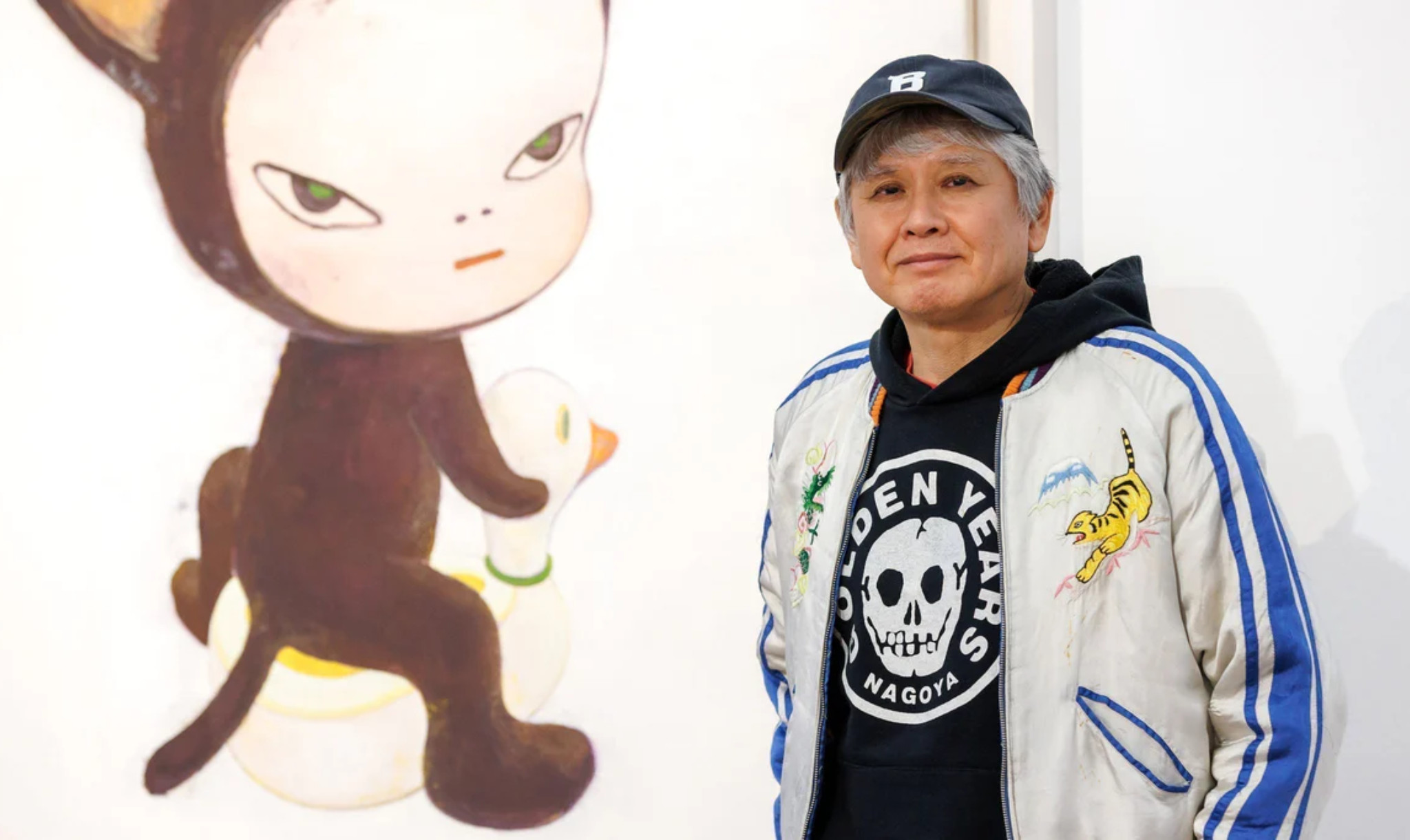
Yoshitomo Nara is one of the most consequential artists of the past three decades. His deceptively simple children with sullen eyes and clenched fists have crossed every boundary: gallery walls, auction records, streetwear collaborations, and the global collectibles market. However, navigating his secondary market as a buyer requires real knowledge. Prices swing wildly, fakes circulate freely, and certain categories consistently outperform others at resale. This guide cuts through the noise and tells you exactly what to buy, what to avoid, and why.
Understanding the Nara Market
From Neo-Pop to Blue-Chip
Nara emerged from the Osaka art scene in the late 1980s before studying at the Düsseldorf Kunstakademie. His early association with Takashi Murakami and the Superflat movement gave Western collectors a convenient entry point. That said, Nara always maintained a distance from Murakami’s commercial machinery. As a result, his auction trajectory has been steadier and arguably more credible among serious collectors.
His 2019 auction record at Sotheby’s Hong Kong, where Knife Behind Back sold for HKD 195.6 million, confirmed what Japan already knew: Nara is untouchable in the contemporary Asian art market. For example, his works now regularly appear in major evening sales alongside Basquiat and Hirst. However, the collectibles tier below his fine art paintings tells a completely different story, one with far more accessible entry points and genuine upside.
The Three Tiers of Nara Collectibles
First, understand the hierarchy. Tier one is original paintings and major sculptures, which start at six figures and belong in a different conversation entirely. The two covers limited edition prints, collaboration figures, and officially sanctioned merchandise with documented production runs. And tier three includes mass-market accessories and promotional items. Additionally, there is a significant grey market of unauthorized products you must avoid completely.
This guide focuses on tiers two and three, where most collectors actually operate. These are the pieces you can source today, grade confidently, and hold for meaningful appreciation.

Explore the full collection
Figures, art toys & limited editions — shipped across Europe from France.
Figures and Vinyl: The Core of Any Nara Collection
What Makes a Nara Figure Worth Buying
Nara’s figure output is surprisingly limited compared to artists like KAWS or Murakami. However, that scarcity is precisely the point. His collaborations with manufacturers have been selective and production numbers have stayed tight. For example, the ceramic and resin figures produced through his Nara Yoshitomo to Nakamatachi exhibitions in the early 2000s now command serious premiums on the Japanese secondary market.
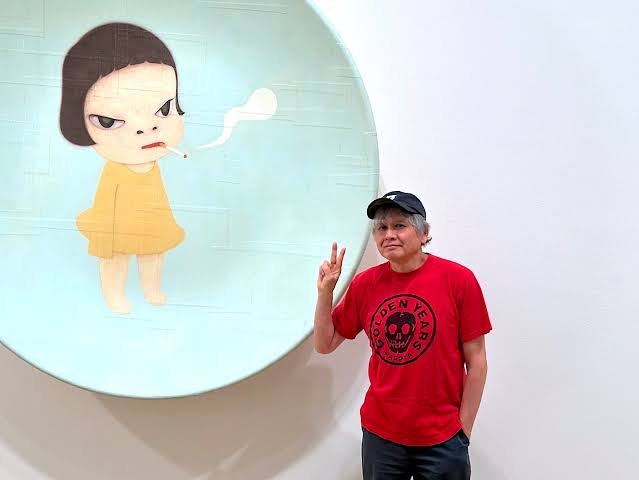
Condition is everything with Nara figures. Beyond that, original packaging adds 30 to 50 percent to resale value in most cases. Japanese collectors are particularly uncompromising on this point. A sealed Nara piece in Japanese secondary channels will consistently outperform an open example by a margin that shocks Western buyers encountering the market for the first time.
Gummi Girl: The Figure to Own Right Now
The Gummi Girl series represents some of the most covetable small-format Nara figures currently accessible to collectors without auction budgets. These translucent vinyl pieces distill everything that makes Nara compelling: the confrontational gaze, the rounded silhouette, the deliberately childlike form that carries an undeniable emotional weight.


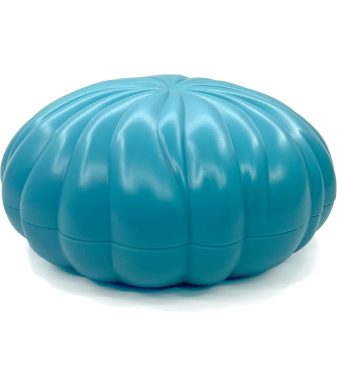
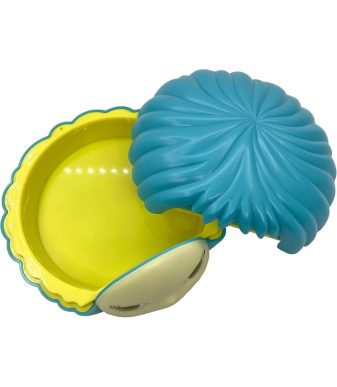
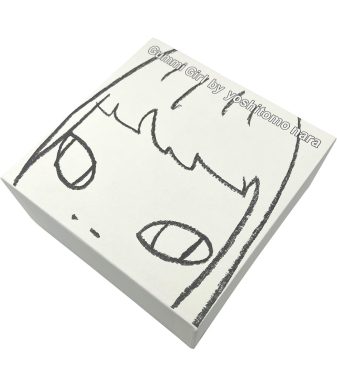


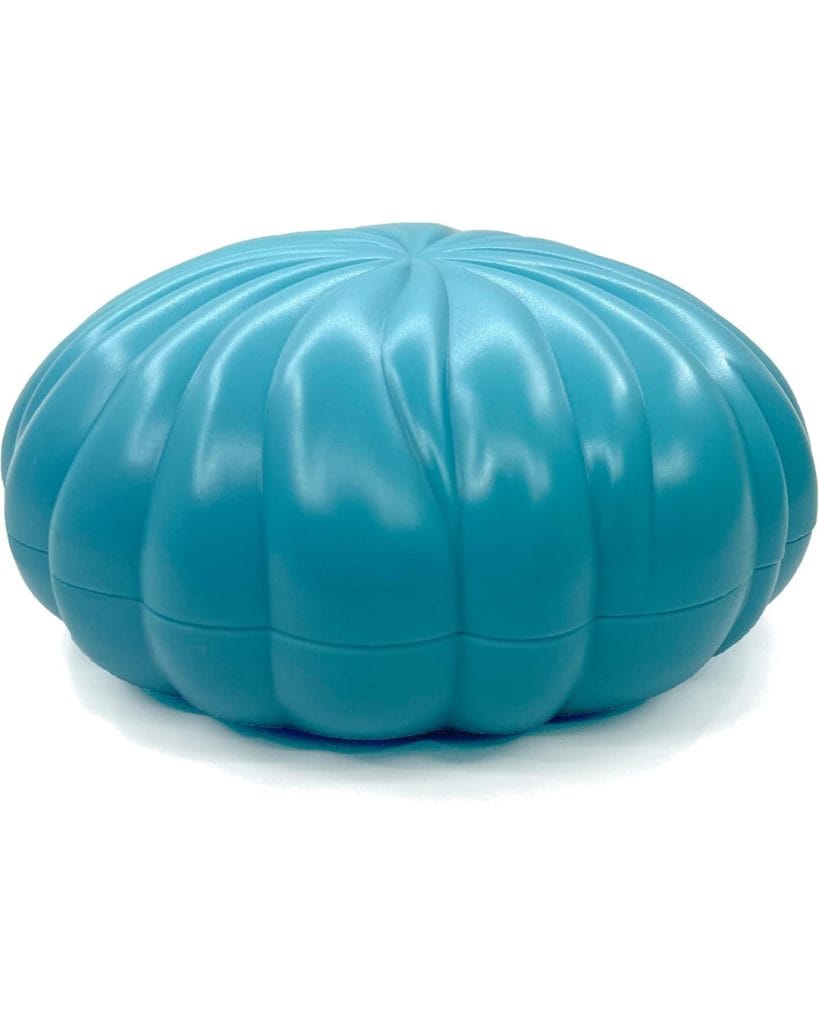
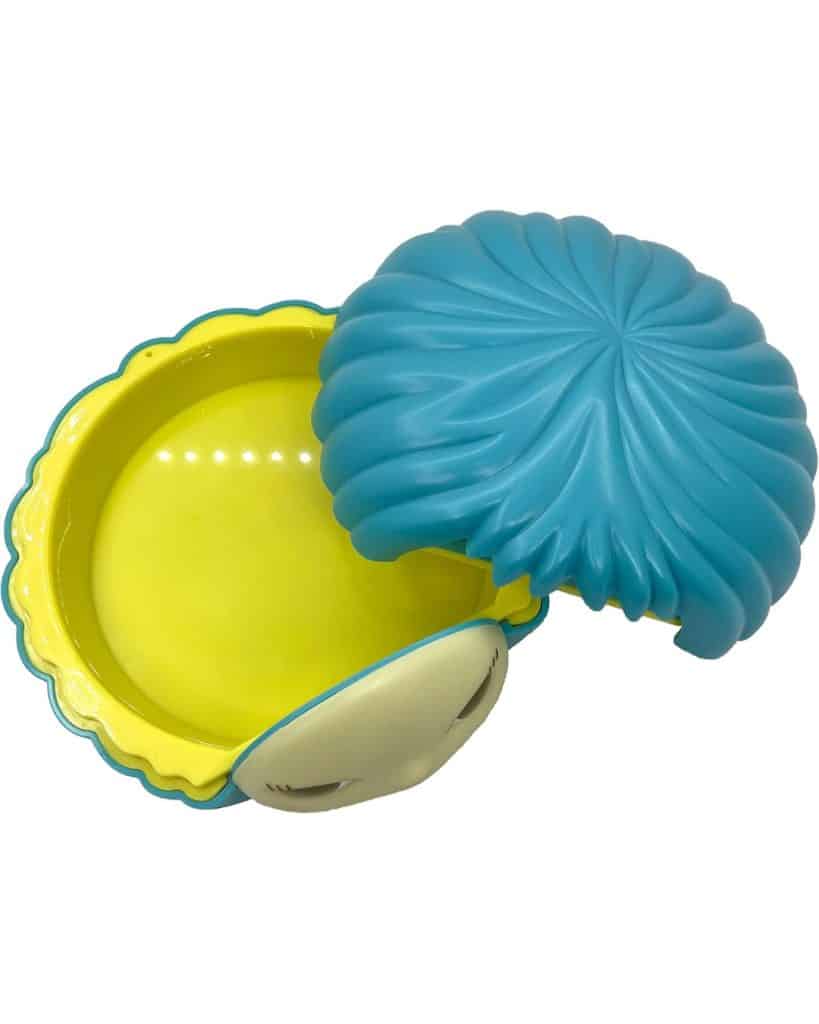
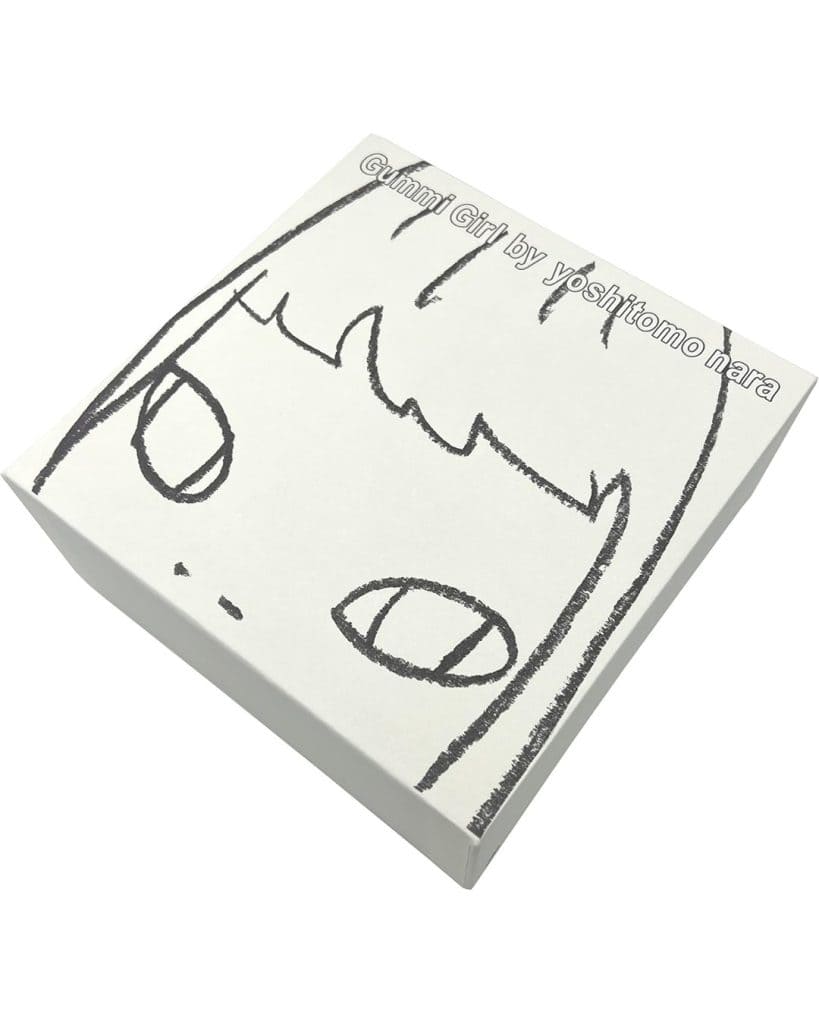
Yoshitomo Nara – Gummi Girl Soran-chan Figure (Blue)
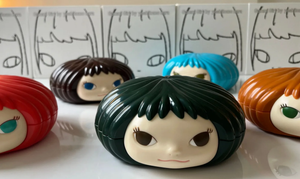
Yoshitomo Nara’s Gummi Girl Soran-chan in Blue is an officially licensed plastic candy case collectible from one of contemporary art’s most iconic names. Part of the Gummi Girl series, the collection features five characters, each distinguished by a unique hair and eye color combination. Soran-chan appears in her signature sky blue colorway, rendered in Nara’s unmistakable style: wide eyes, a quiet expression, and the kind of deceptive simplicity that made his work a staple of both gallery walls and serious collector shelves worldwide.
The Yoshitomo Nara Gummi Girl Blue is the stronger investment of the two colorways. Blue holds better in the secondary market for this figure format, and the translucent material shows color variation more dramatically under display lighting. In contrast, the Yoshitomo Nara Gummi Girl Ringokko Red carries strong appeal for completists and benefits from the named “Ringokko” designation, which links it more specifically to documented Nara characters. Both belong in a serious collection. However, if you are buying one, start with blue.
Collaboration Pieces and Wearables
Why Nara Wearables Trade Differently
Nara’s approach to fashion collaborations has always been artist-first. He does not chase hype cycles or manufacture scarcity through artificial drops. As a result, his wearable collaborations carry genuine documentary value: each piece marks a specific moment in his career or a specific relationship with a collaborator. That context drives long-term value more reliably than any hype-driven streetwear release.
The Japanese charity and television collaboration pieces from the early 2010s are a perfect example of this dynamic. These items were produced in limited quantities for specific cultural events, meaning provenance is inherently documented and supply is genuinely fixed. Additionally, their connection to Japanese popular culture creates demand across two distinct collector bases: Nara art collectors and Japanese pop culture enthusiasts.
The Satoshi Ohno Charity T-Shirt
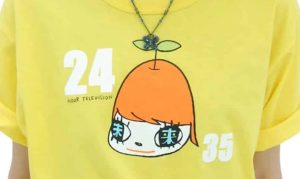
The Yoshitomo Nara x Satoshi Ohno T-Shirt TV Charity 2012 Yellow is one of the most interesting cross-cultural artifacts in the Nara collectibles ecosystem. Satoshi Ohno is the lead member of Arashi, Japan’s most commercially dominant idol group of the 2000s and early 2010s. His own artistic practice, particularly his sculpture work, earned genuine critical respect independent of his music career. The intersection of Nara’s fine art credibility with Ohno’s Arashi fanbase and his own artist identity creates a collector overlap that is genuinely rare.


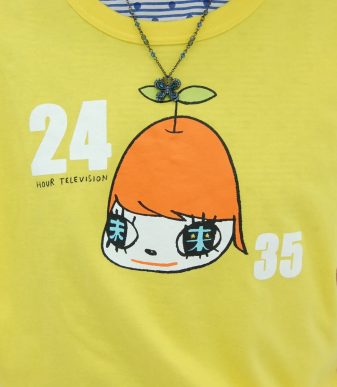
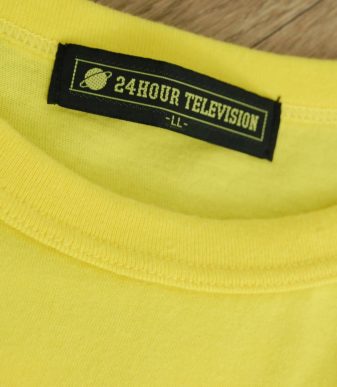
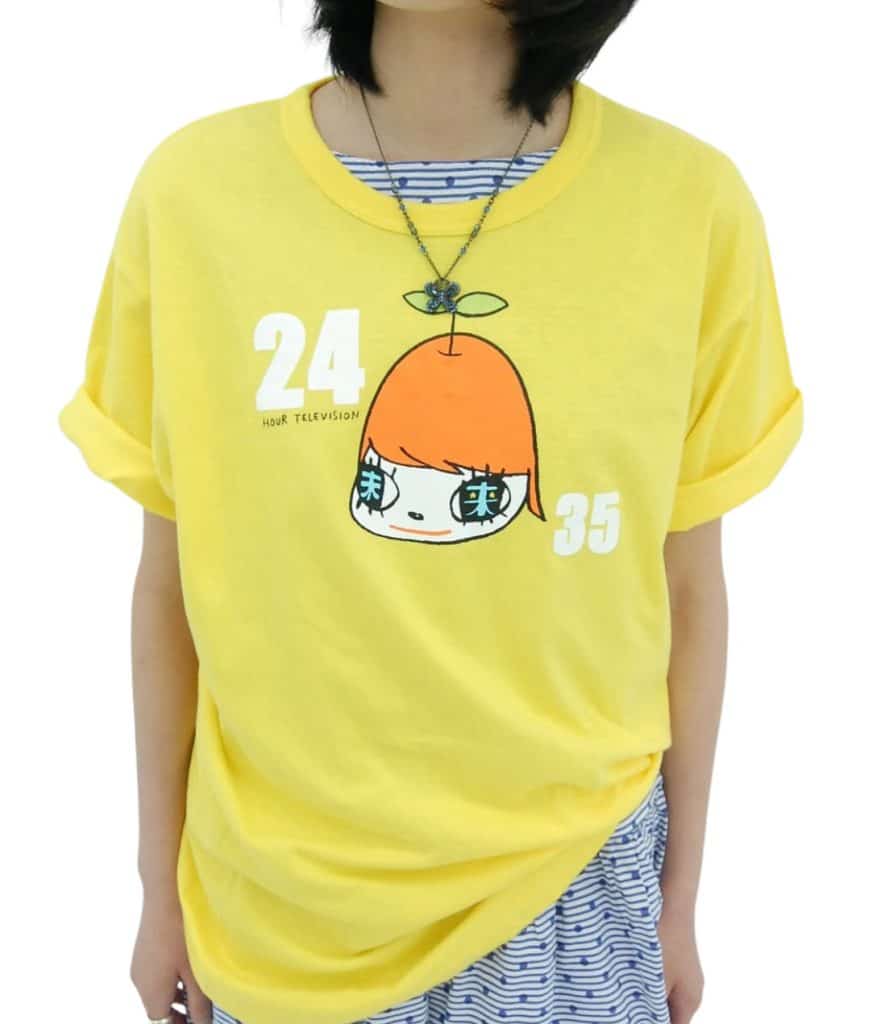
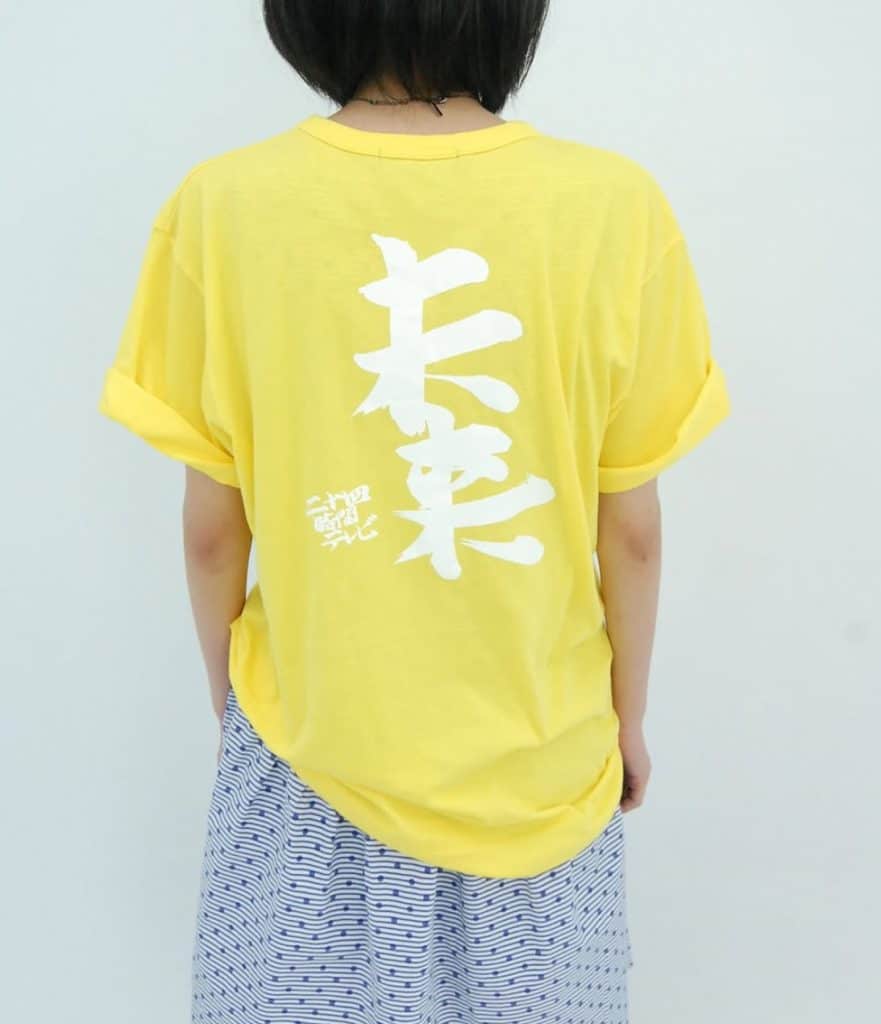
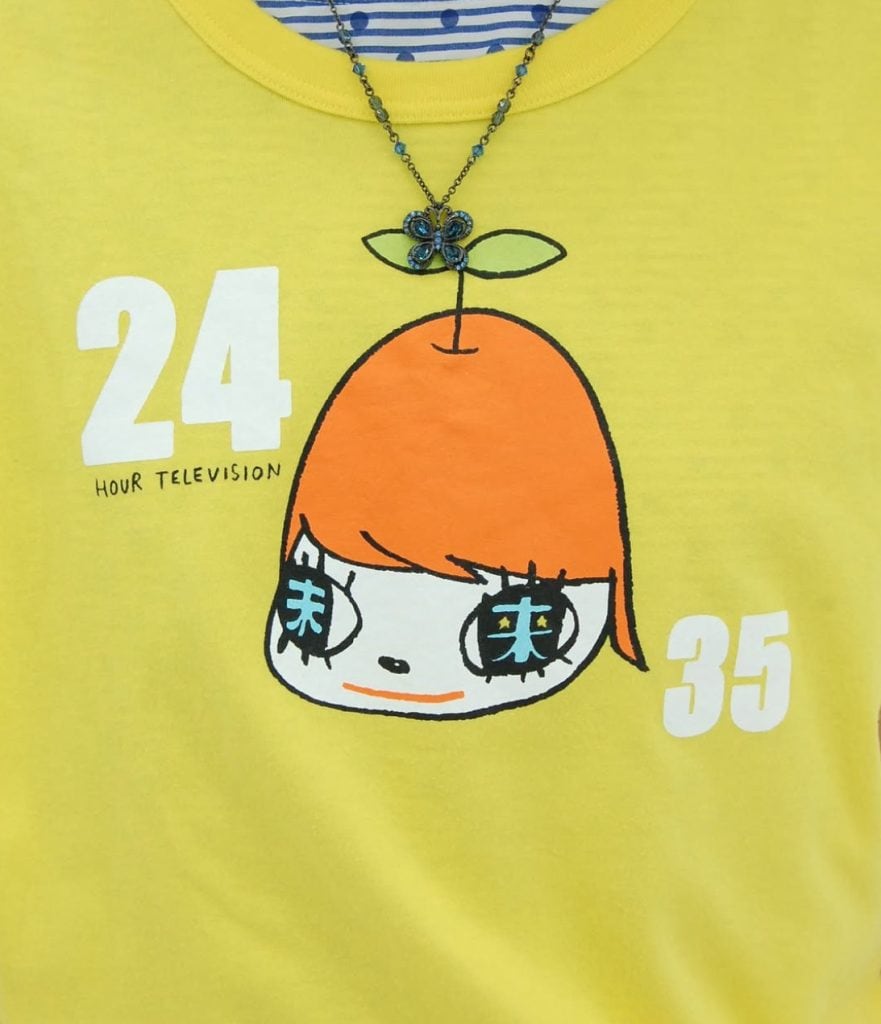
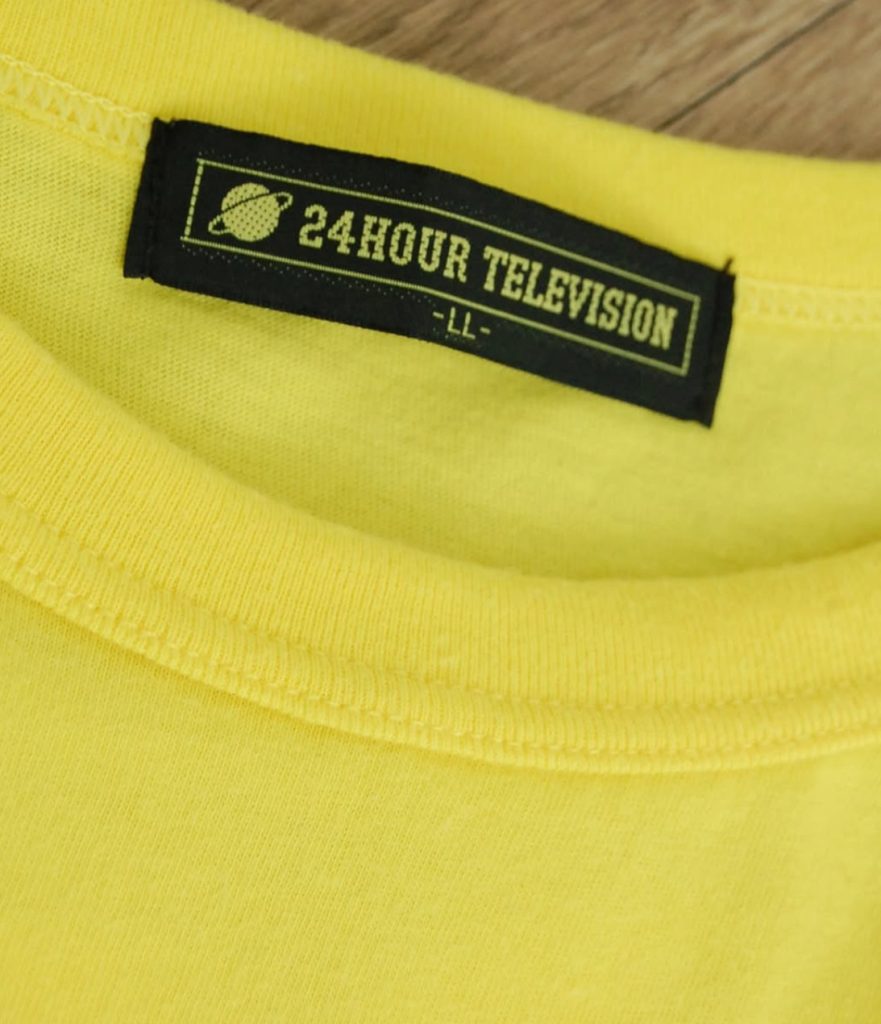
For example, this piece appeals to serious Nara collectors, Arashi completists, and Japanese charity item specialists simultaneously. That multi-base demand is exactly what creates price resilience. However, condition documentation is critical here. Wearables from this period require careful storage and ideally original packaging or purchase receipts to achieve maximum resale values in the Japanese market.
Small Format Accessories and Entry Points
Accessories as a Collection Strategy
Not every Nara piece needs to be a five-figure commitment. Small format accessories offer legitimate entry points that still carry the artist’s authenticated imagery and official production credentials. Additionally, they serve a practical function in displaying your collection beyond static shelf arrangements.
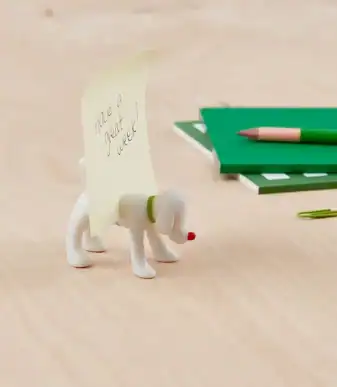
The Yoshitomo Nara Puppy Magnetic Card Holder is exactly this kind of piece. It carries the Nara puppy motif, one of his most recognizable and emotionally resonant recurring characters, in an officially produced functional format. Meanwhile, the puppy imagery holds particular significance in Nara’s iconography: dogs appear throughout his work as symbols of loyalty, melancholy, and companionship that mirror the psychological complexity of his child figures.




Grading and Authentication Considerations
PSA does not currently offer authentication services for Nara collectibles in the way it handles trading cards and some vintage toys. As a result, authentication falls to provenance documentation, retailer credibility, and comparison against documented examples. First, always request purchase receipts or original retail documentation when buying from secondary channels. Beyond that, cross-reference with major Japanese auction archives like Yahoo Auctions Japan and Mercari JP to establish realistic price benchmarks.
Fake Nara merchandise is a real problem, particularly for print and wearable categories. However, the figure market has seen fewer convincing fakes due to tooling costs. The accessories and wearable categories require the most vigilance.
Explore the full collection
Figures, art toys & limited editions — shipped across Europe from France.
Comparison: Key Nara Collectible Categories
| Category | Entry Price Range | Resale Liquidity | Appreciation Potential | Authentication Difficulty |
|---|---|---|---|---|
| Vinyl Figures (Gummi Girl) | Medium | High | Strong | Low to Medium |
| Charity / Event Wearables | Medium | Medium-High | Very Strong | Medium |
| Accessories (Card Holders) | Low | Medium | Moderate | Low |
| Limited Edition Prints | High | Very High | Exceptional | High |
| Exhibition Ceramics | Very High | Medium | Exceptional | Very High |
| Piece | Collector Base | Japanese Market Premium | Western Market Interest |
|---|---|---|---|
| Gummi Girl Blue | Art collectors, vinyl collectors | High | Growing |
| Gummi Girl Ringokko Red | Character completists | High | Moderate |
| Satoshi Ohno Charity Tee | Art + Arashi + charity | Very High | Niche |
| Puppy Card Holder | Accessible entry collectors | Moderate | Moderate |
Rare Inventory Recommends
If you are building a Nara collection from scratch, start with the Gummi Girl Blue as your anchor piece. It represents the artist’s core visual language in an accessible format with documented scarcity and strong Japanese secondary market demand. From there, add the Satoshi Ohno Charity T-Shirt for cross-cultural depth and genuine provenance specificity. Additionally, the Puppy Card Holder serves as both a functional display piece and a low-risk entry that signals your understanding of Nara’s recurring iconography. This three-piece foundation covers figures, wearables, and accessories while keeping your initial outlay rational.
Where to Buy
Rare Inventory, based in France and shipping across Europe, maintains one of the most carefully curated selections of authenticated Yoshitomo Nara collectibles available outside the Japanese domestic market. Each piece is sourced with provenance documentation and priced against real secondary market data. Visit rareinventory.com/ to browse current Nara inventory and set up stock alerts for incoming pieces. Serious collectors outside Japan have no better option for accessing this market without the friction of domestic Japanese platforms.

Frequently asked questions
Are Yoshitomo Nara collectibles a good investment?
Yes, within the right categories. His fine art auction trajectory has been consistently upward for two decades, and that credibility flows down to authenticated limited edition collectibles. However, you must stick to officially produced pieces with documented provenance. Mass-market unofficial merchandise carries no investment value whatsoever.
How do I spot a fake Nara collectible?
First, check for official production documentation: hang tags, certificates, or original retail receipts. Beyond that, compare the piece against archived Japanese auction listings where authentic examples have sold with photographs. Fakes most commonly appear in the print and wearable categories. In contrast, vinyl figures are harder to fake convincingly due to tooling costs, but poor quality paint application and incorrect markings are red flags in any category.
Why does the Japanese market pay more for Nara pieces than Western markets?
Japan treats Nara as a national cultural figure with cross-generational recognition. Additionally, Japanese collectors are generally more condition-obsessed and more willing to pay premiums for sealed or near-mint examples. As a result, the domestic Japanese secondary market consistently sets price ceilings that Western markets lag behind by 18 to 36 months, creating genuine arbitrage opportunities for informed international buyers.
What is the significance of the Gummi Girl character in Nara’s work?
The Gummi Girl represents Nara’s recurring exploration of childhood defiance and emotional complexity. The translucent vinyl format adds a layer of vulnerability to the figure’s confrontational posture. For example, the color variations across different releases are not arbitrary: each colorway was produced for specific exhibitions or retail partnerships, giving each version distinct documentary value within his chronological output. Nara’s own statements about the character, documented in several Japanese monographs, confirm her central place in his iconographic vocabulary.
The Shop
Available Now at Rare Inventory
Pieces related to this article, in stock and ready to ship.


100% Authentic Shipped from France Free Shipping Over €200