Japanese Puzzle Collecting: Takashi Murakami and the 727 Series
Takashi Murakami changed contemporary art. He also, quietly and deliberately, changed what a jigsaw puzzle could mean as a collectible object. The 727 series, named after his landmark 1996 painting featuring the Mr. DOB character surfing a psychedelic wave, became a template for how Murakami translates museum-grade imagery into accessible formats. For collectors, these puzzles are not hobby items. They are editions, and serious ones at that.
The Japanese puzzle market operates by different rules than the Western secondary market. Condition standards are stricter. Sealed boxes command premiums that would surprise European collectors. Additionally, the cultural weight of specific IP collaborations, like the Doraemon pairing, creates demand layers that pure art collectors miss entirely. This guide covers what you actually need to know before buying.
The 727 Legacy: How Murakami Built a Collectible Ecosystem
Murakami’s 727 painting debuted at the 1996 Nagoya Contemporary Art Fair and immediately established Mr. DOB as a cultural icon. However, the puzzle format came much later, part of a deliberate strategy by Kaikai Kiki Co., Murakami’s production company, to democratize access to his visual language without devaluing his print editions.
Kaikai Kiki’s Edition Strategy
Kaikai Kiki controls Murakami’s merchandise with unusual discipline for an artist’s studio. First, every puzzle release goes through internal approval for color fidelity against the original source work. Then, production runs are fixed and communicated to licensed retailers in advance. As a result, genuine scarcity exists at the production level, not manufactured artificially after the fact. This is the key distinction between a Murakami puzzle and a generic museum shop product. The edition thinking is baked into the manufacturing decision.
Most serious Murakami puzzles use 500 to 1000 piece counts, which corresponds to the detail density of his source imagery. The Flower Mandala works, for example, carry so much radial symmetry that 500 pieces would lose critical visual information. Meanwhile, the 900-piece format used for the Isle of the Dead puzzle reflects a deliberate choice to honor the complexity of that particular composition.
Rare Inventory
Explore the full collection
Figures, art toys & limited editions — shipped across Europe from France.
The 727 Aesthetic and Its Puzzle Translations
The visual language Murakami developed through 727 includes superflat color fields, hard contour lines, and layered cultural references pulled from both otaku subculture and Japanese traditional painting. These characteristics translate exceptionally well to puzzle format. In contrast to Western fine art puzzles, where photographic reproduction of oil paintings often produces muddy midtones, Murakami’s superflat work benefits from puzzle printing. The color separations are clean. The cut lines rarely interrupt compositional logic in damaging ways.
Sealed Murakami puzzles in original shrink wrap trade at 2x to 3x retail on the Japanese secondary market. In Europe, authenticated sealed stock from licensed retailers remains genuinely rare.
Key Releases: A Collector’s Breakdown
Not every Murakami puzzle carries equal collector weight. Understanding which releases matter, and why, separates informed buyers from people spending money on shelf decoration.
Isle of the Dead, 900 Pieces
The Isle of the Dead puzzle takes its title from Arnold Böcklin’s 19th-century symbolist painting, which Murakami reinterprets through his own iconographic filter. Mr. DOB appears, skulls populate the composition, and the color palette shifts toward cooler, more somber tones than his Flower Mandala work. This makes it a harder sell to casual buyers and a stronger long-term hold for collectors. Pieces that challenge mainstream taste tend to appreciate as the artist’s canonical status solidifies.
At 900 pieces, the build complexity rewards patience. Collectors who assemble and re-seal report that condition assessment post-assembly is straightforward, though the resale premium for sealed versus assembled-and-bagged is significant. For reference, the current retail price sits at €70, which represents strong value relative to the secondary market trajectory on comparable Kaikai Kiki editions.


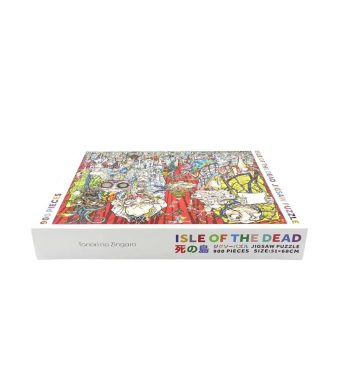
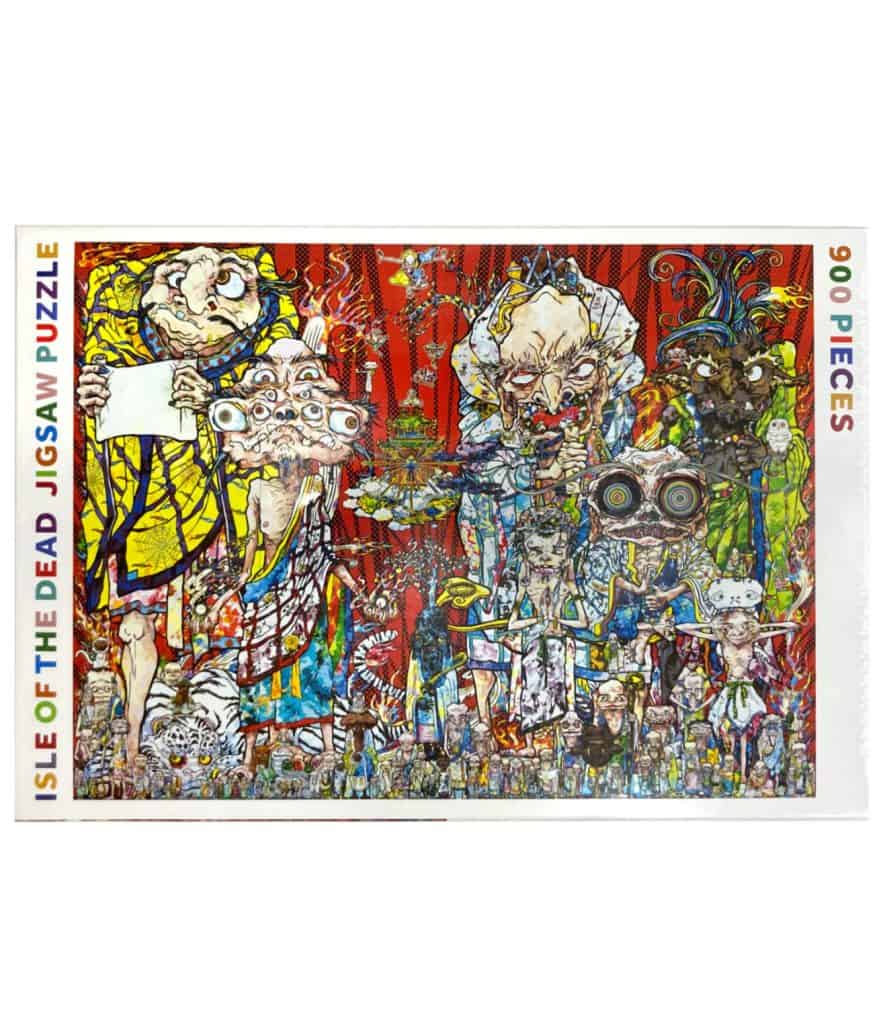
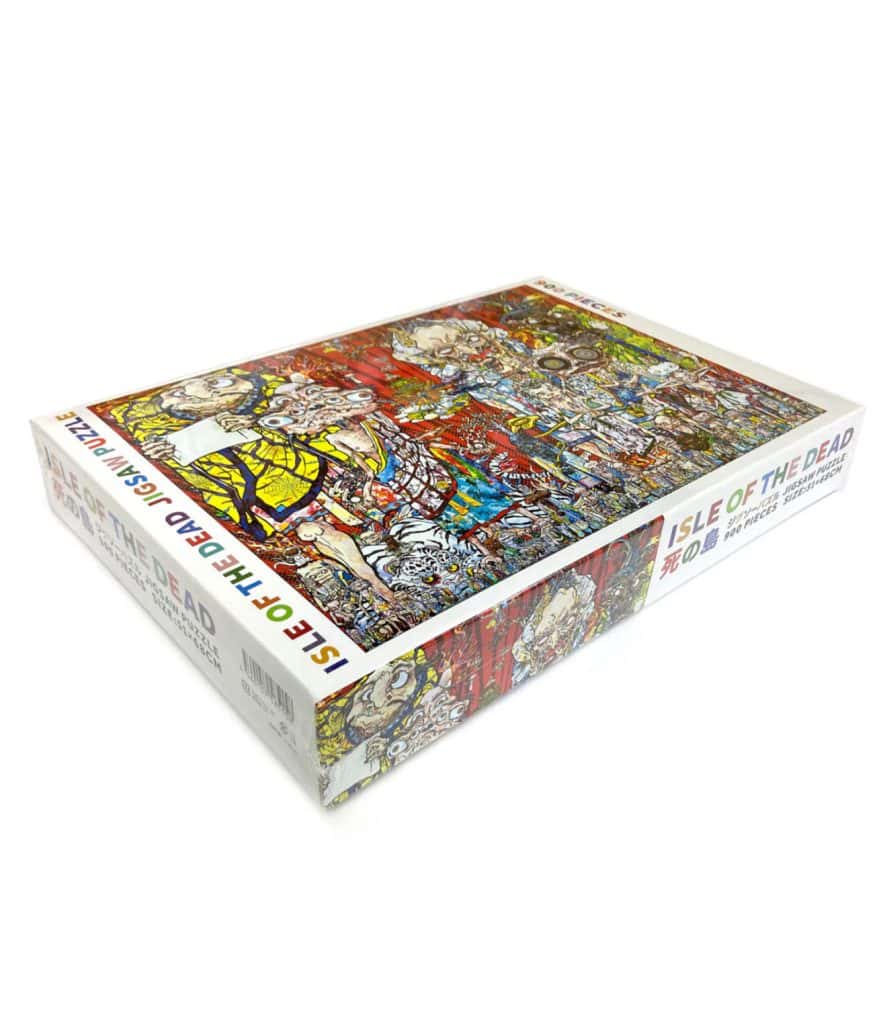

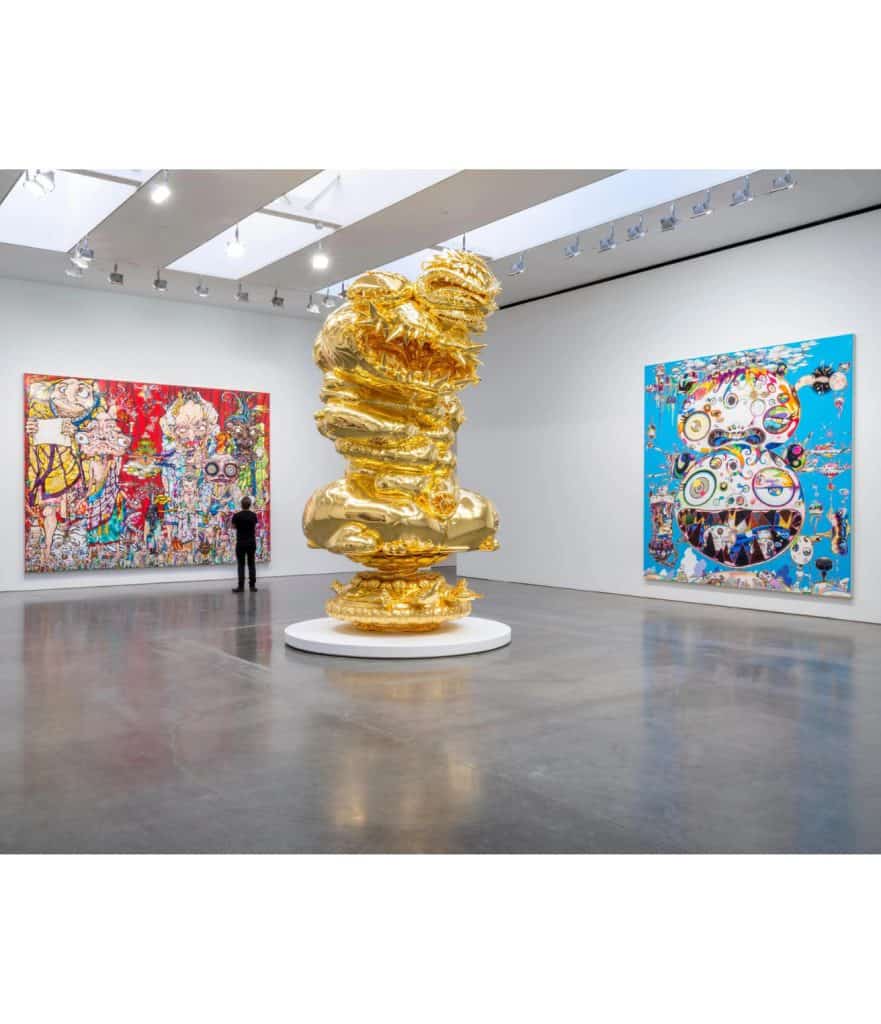
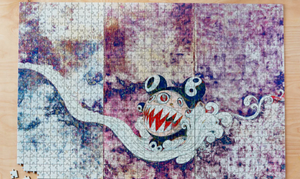
Takashi Murakami Isle of the Dead Jigsaw Puzzle (900 Pieces)
A captivating fusion of fine art and collectible design, this 900-piece jigsaw puzzle by Takashi Murakami reimagines the iconic Isle of the Dead through his signature Superflat aesthetic. Blending vibrant colors with surreal, dreamlike elements, this piece transforms a classic motif into a bold, contemporary visual experience.
Murakami x Doraemon: The Collaboration Premium
The Doraemon collaboration sits in a separate collector category entirely. Doraemon is not simply a popular character. He is, for Japanese consumers born between 1970 and 2000, a foundational cultural reference on par with Mickey Mouse for American collectors. Murakami’s In My Memory puzzle layers his visual language onto Doraemon’s iconography with genuine care. This is not a licensed cash grab. The compositional choices reflect real engagement with the source material.


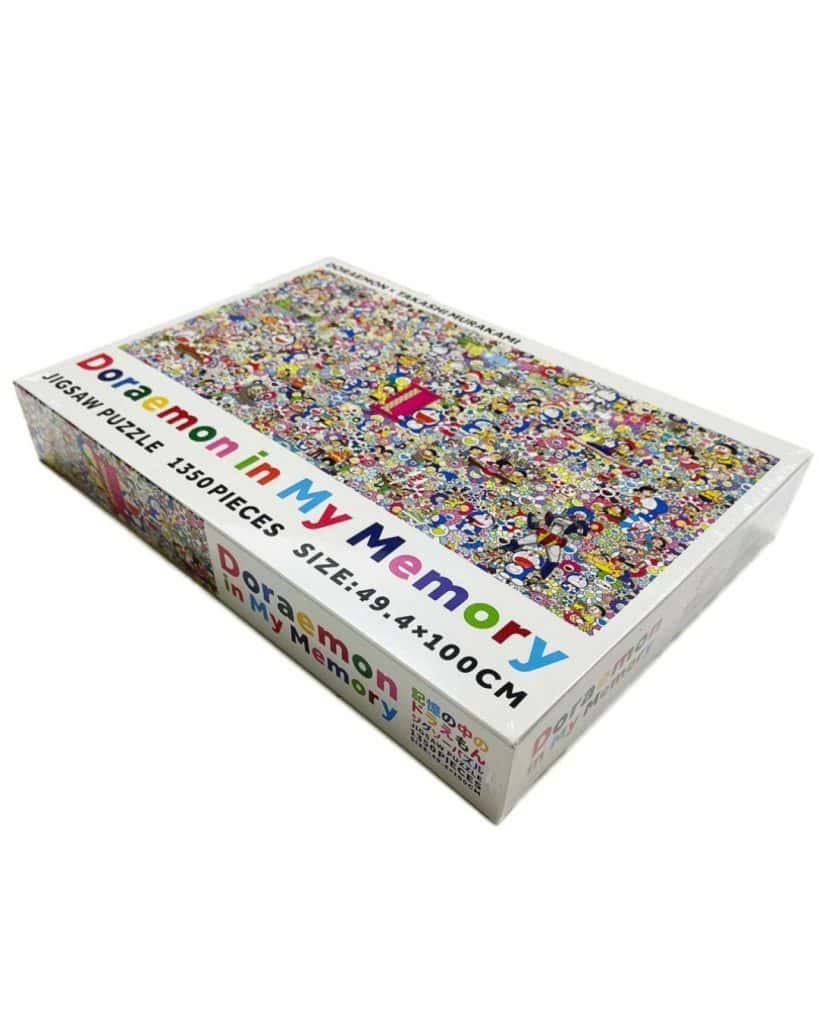
However, the collector dynamic here is bifurcated. First, Murakami art collectors want it for the artist. Additionally, Doraemon collectors want it for the IP. As a result, demand comes from two separate pools with different price sensitivities. This double demand structure is why the In My Memory puzzle retails at €150 and holds that premium on the secondary market with unusual stability. In practice, pieces from IP collaborations with this profile rarely correct sharply even in soft markets.
Skulls and Flowers Castle Wall in the Sky
The Skulls and Flowers Castle Wall in the Sky puzzle represents Murakami’s most direct engagement with his dueling iconographies: the cheerful flower motif and the skull imagery that runs through his collaboration history with brands like Louis Vuitton. The contrast between these two visual systems creates tension that works particularly well in puzzle format. Collectors building this one report that the skull sections assemble faster than the flower fields, which require careful attention to subtle color variation.


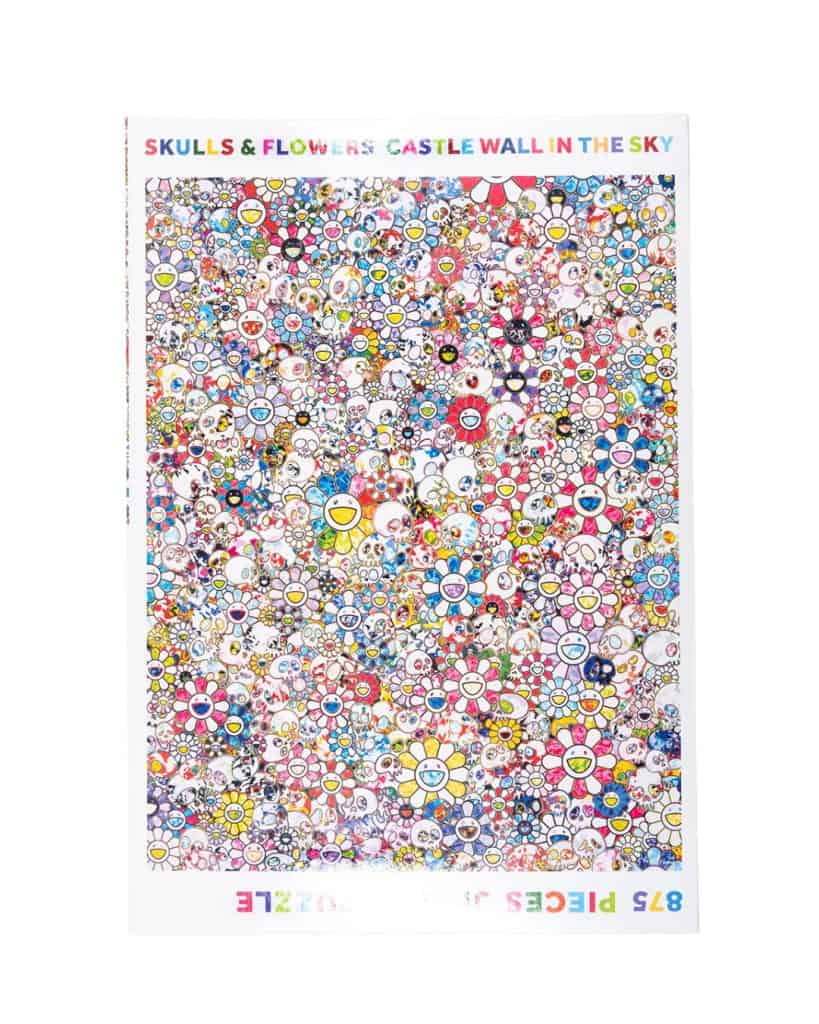
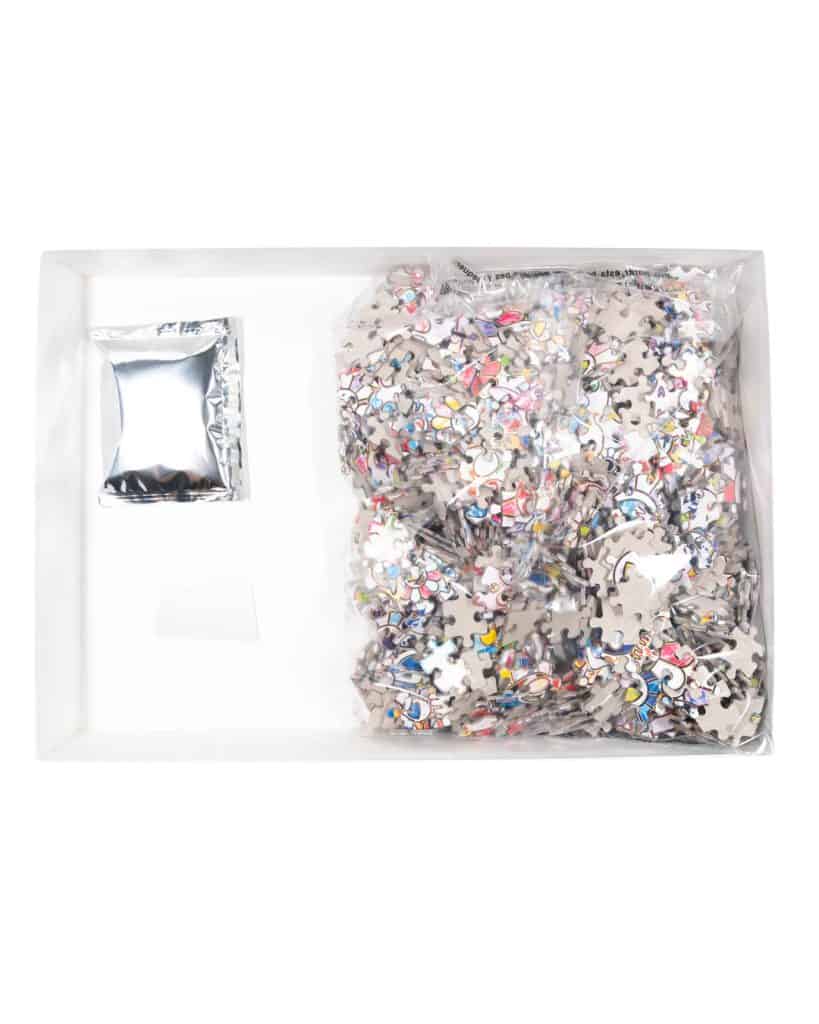
At €94, this puzzle occupies the middle tier of the current Kaikai Kiki puzzle pricing structure. It is the entry point for collectors who want Murakami’s darker aesthetic vocabulary without committing to the full investment of the Doraemon piece.
Flower Forest: The Canonical Murakami
The Flower Forest puzzle is, in many ways, the most representative Murakami collectible for a general collector. The smiling flower motif is the image most associated with his global brand recognition. For that reason, it is also the puzzle most likely to appear in non-specialist collections, which creates interesting secondary market dynamics. On one hand, broad recognition drives demand. On the other hand, the ubiquity of the Flower imagery relative to rarer compositions means appreciation potential is more moderate.
That said, condition on the Flower Forest puzzle matters more than on some other releases, precisely because supply in the secondary market skews toward handled or assembled copies. Genuinely sealed stock trades at a meaningful premium.
Condition, Authentication, and Grading Standards
The puzzle grading ecosystem has not formalized the way trading card grading has. PSA does not grade puzzles. However, serious collectors apply a consistent condition vocabulary that functions similarly to graded card standards.
The Sealed Premium
Factory-sealed puzzles, still in original shrink wrap with no deformation, represent the top condition tier. Japanese collectors call this “未開封” (mikai-fuu), and the premium over opened stock is typically 40 to 80 percent depending on the release. European collectors are beginning to adopt the same framework. Rare Inventory authenticates stock before listing, which matters specifically because puzzle shrink wrap is easier to re-apply convincingly than, say, a trading card pack seal.
Box Condition Grades
| Grade | Description | Resale Premium Over Retail |
|---|---|---|
| Sealed Mint | Original shrink wrap intact, no corner damage, no fading | 60-120% |
| Open Mint | Opened but unassembled, all pieces bagged, box excellent | 20-40% |
| Assembled/Resealed | Assembled and repackaged, pieces complete | 0-10% |
| Incomplete | Missing pieces, regardless of box condition | Below retail |
Japanese Market Nuances vs. European Collecting
The Japanese puzzle collector community operates through channels that most European collectors never access. Yahoo Japan Auctions, Mercari Japan, and physical recycle shops in Osaka and Tokyo all carry Murakami puzzle stock that rarely surfaces on Western platforms. However, proxy buying services add 15 to 25 percent to landed cost after shipping, import duties, and service fees. This structural cost gap is one reason authenticated European stock from a source like Rare Inventory represents genuine value, particularly for collectors who are not plugged into Japanese proxy networks.
European Market
- Limited supply, but growing specialist retail presence
- Authenticated stock available without proxy overhead
- No import duties from France-based retailers to EU buyers
- Rare Inventory ships across Europe with authentication guarantee
- Secondary market prices track Japanese market with lag
Investment Thesis: Why Murakami Puzzles Hold Value
Three factors drive Murakami puzzle appreciation over time. First, Kaikai Kiki limits production runs and does not reissue sold-out editions. Second, Murakami’s institutional standing continues to rise. His retrospectives at major museums consistently introduce new collector cohorts to his visual language. Third, the puzzle format is inherently vulnerable to condition degradation, which means genuinely pristine supply shrinks continuously as copies get assembled or damaged.
In contrast to prints or paintings, puzzle editions carry no certificate of authenticity infrastructure. The authentication burden falls entirely on sourcing. This makes retail provenance from a trusted specialist more valuable than it would be for a signed print with a COA. Additionally, the relatively low entry prices, €70 to €150 for the current Kaikai Kiki puzzle lineup, create accessible entry points that sustain broad demand across collector income levels.
| Puzzle | Retail Price | Collector Priority | Appreciation Potential |
|---|---|---|---|
| Murakami x Doraemon In My Memory | €150 | High | Strong (dual IP demand) |
| Flower Forest | €96 | Medium-High | Moderate (high supply) |
| Skulls and Flowers Castle Wall in the Sky | €94 | Medium-High | Moderate-Strong |
| Isle of the Dead, 900 Pieces | €70 | High (specialist) | Strong (niche demand, limited supply) |
Where to Buy Murakami Puzzles
Rare Inventory, based in Cannes, France, carries authenticated Murakami puzzle stock with shipping across Europe, making it one of the most reliable European sources for serious collectors who want provenance without proxy overhead. Browse the full authenticated selection at rareinventory.com/shop and secure sealed stock before it moves.
Rare Inventory Recommends
Editor’s Pick: For pure collector priority, the Murakami x Doraemon In My Memory puzzle is the strongest hold in the current Kaikai Kiki lineup. The dual IP demand structure, fixed production run, and cultural weight of the Doraemon IP in Japan make this the piece most likely to command serious secondary market premiums over a five-year horizon. Buy sealed. Store flat. Do not assemble.
The Shop
Available Now at Rare Inventory
Pieces related to this article, in stock and ready to ship.


100% Authentic Shipped from France Free Shipping Over €200