From Streetwear to Galleries: How Art Toys Became Investments
Art toys are no longer shelf fillers for bedroom collectors. They sit in climate-controlled gallery cases, appear at Christie’s alongside blue-chip paintings, and command five-figure sums at serious collector marketplaces. The global art toy market is projected to grow well beyond its current valuation through 2035, according to Global Growth Insights, and the broader collectibles sector is tracking toward a staggering $480.75 billion (about €428.7 billion) market by 2033. That trajectory is not an accident. It reflects a fundamental shift in how the world values objects that exist at the intersection of pop culture, fine art, and limited production.
First, you need to understand where this all started. The answer is not in galleries. It started in streetwear.
Explore the full collection
Figures, art toys & limited editions — shipped across Europe from France.
The Streetwear Pipeline That Built the Art Toy Market
Drop Culture as the Foundation
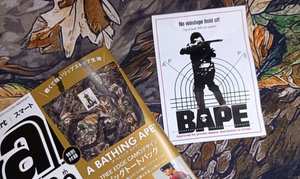
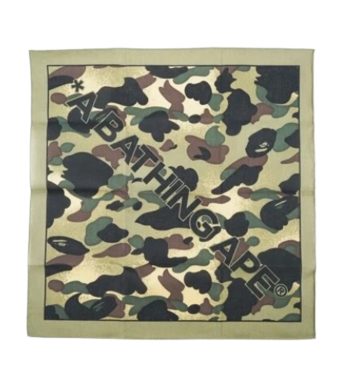
Streetwear taught collectors how to want things properly. The limited drop model, pioneered by brands like BAPE and later refined by Supreme, created a scarcity psychology that translated perfectly to vinyl figures and resin sculptures. Collectors who queued for Shark Hoodies in 2003 were the same people refreshing pages for KAWS Companions in 2008. However, the art toy scene took that energy and added something streetwear never fully delivered: genuine secondary market appreciation.
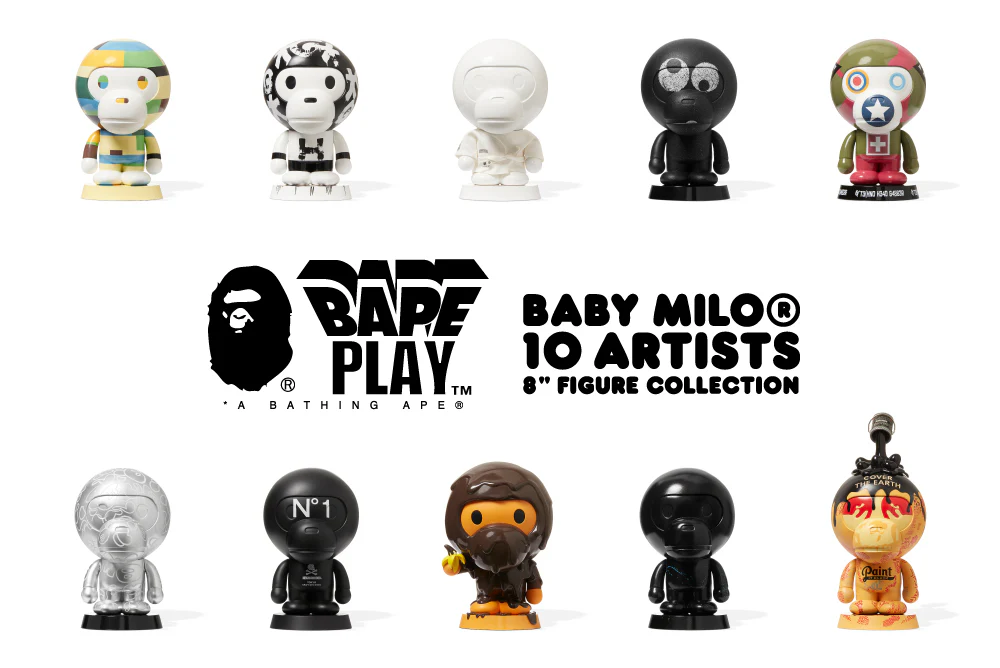
A limited sneaker might hold value. A KAWS figure from a early run multiplies. That distinction matters enormously to serious collectors.
The Designer Toy Movement and Its Key Architects
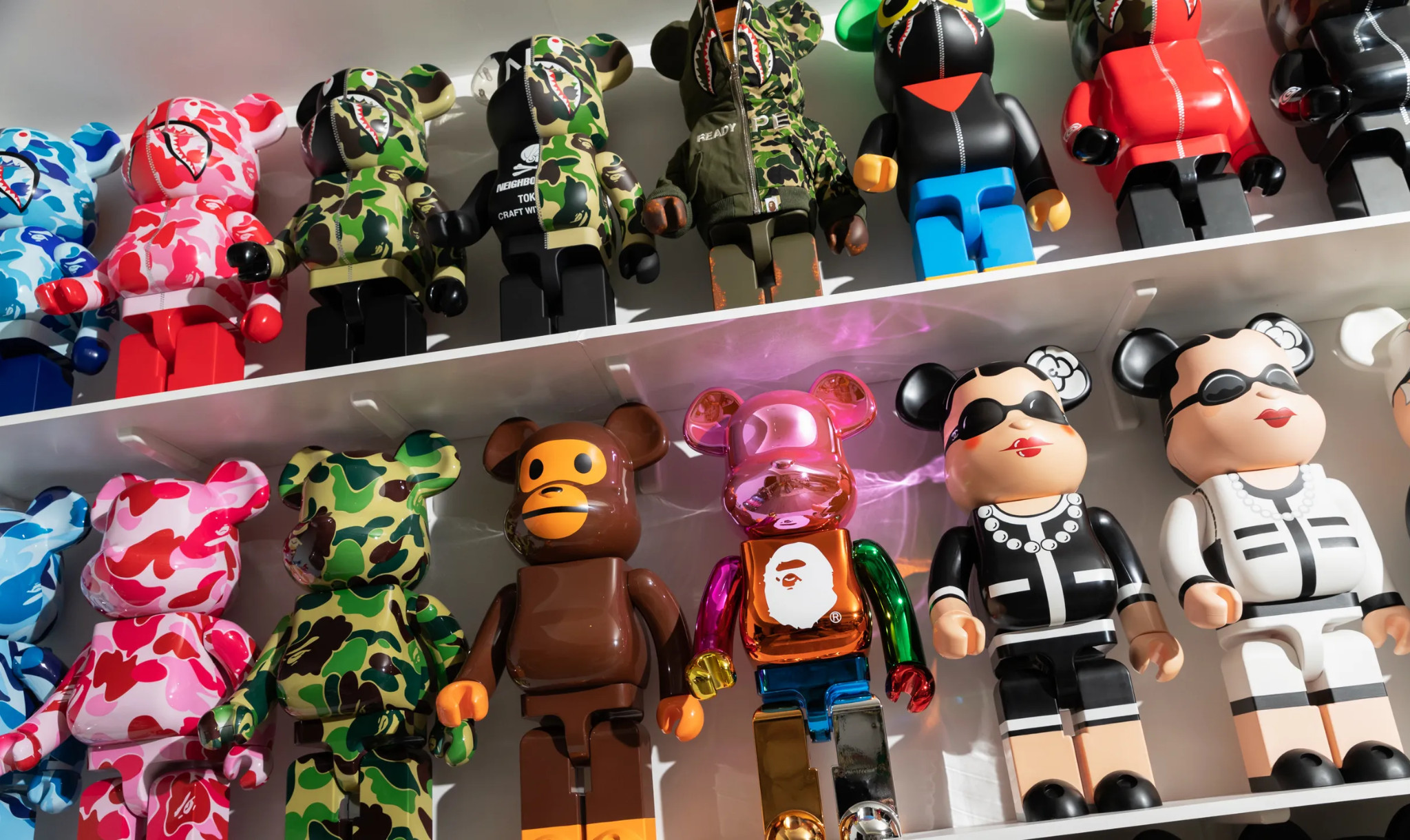
The movement crystallized around a handful of artists who understood both the art world and the street. Takashi Murakami bridged Tokyo fine art with mass production through Kaikai Kiki, creating figures that carried legitimate gallery provenance. Meanwhile, Medicom Toy built the BE@RBRICK into the defining format of the entire genre, a format so recognizable that a 1000% BE@RBRICK in a rare colorway can fetch more per square inch than most paintings.
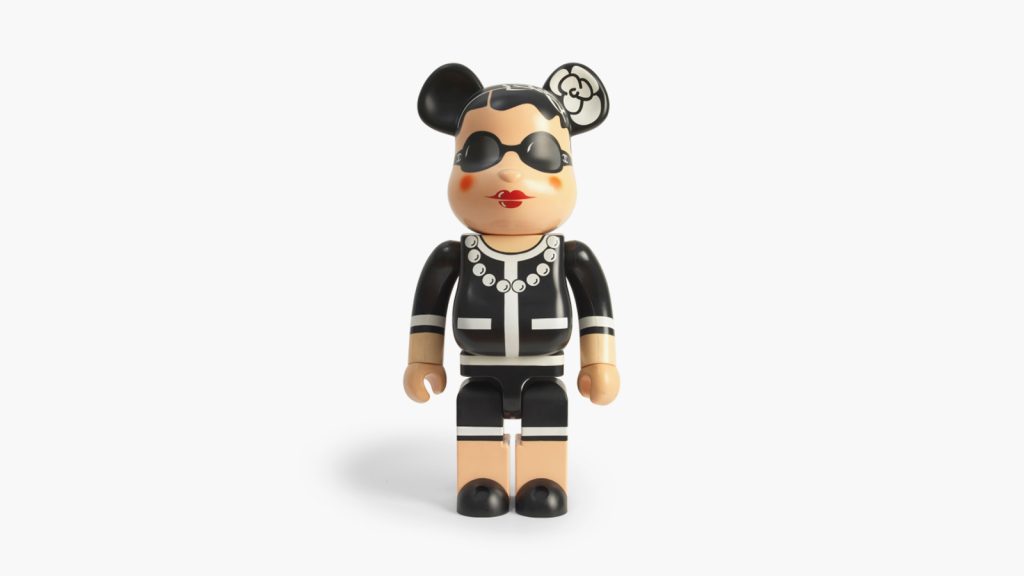
Additionally, brands like Good Smile Company brought Japanese precision engineering to collector figures, while Kotobukiya pushed articulated and static figure quality to levels that demanded serious price points. These were not toys. They were positioned as art objects that happened to be three-dimensional.
What Makes an Art Toy an Investment Grade Piece
Artist Provenance and Collaboration Pedigree
Not every limited figure appreciates. The ones that do share specific characteristics. Artist provenance is the single most important factor. A figure designed by a creator with gallery representation, a documented exhibition history, or a consistent auction track record carries fundamentally different investment potential than an unsigned production piece.
Collaboration pedigree matters equally. The art toy market rewards cross-cultural drops aggressively. A Mattel collaboration with a recognized artist, or a card game that fuses pop culture IP with premium production, creates collector demand from multiple audiences simultaneously. That demand overlap is where price premiums compound.
Explore the full collection
Figures, art toys & limited editions — shipped across Europe from France.
Production Numbers and Pull Rates
Production numbers are the technical foundation of art toy investment. As a general rule, anything under 500 units globally requires serious attention. Under 200 units at a global level, and you are in speculation territory where condition becomes paramount. PSA grading has begun entering the art toy world, mirroring its long-established role in the trading card space. However, the art toy community remains less standardized than TCG grading, which means condition premiums are still somewhat subjective and buyer-dependent.
For example, a sealed, unboxed figure with original packaging in verified mint condition can command a 40 to 80 percent premium over a displayed piece from the same run. That premium narrows as the run size increases. This is why experienced collectors often buy two: one to display, one to hold.
The Japanese Market as the Benchmark
Japan sets the standard for serious art toy collecting. The domestic market there maintains pricing discipline that Western markets often lack. When a piece trades consistently at a high premium in Japan, that pricing tends to be durable globally. Sega‘s prize figure ecosystem, for instance, demonstrates how even non-limited production pieces develop secondary market premiums when Japanese consumer demand sustains them.


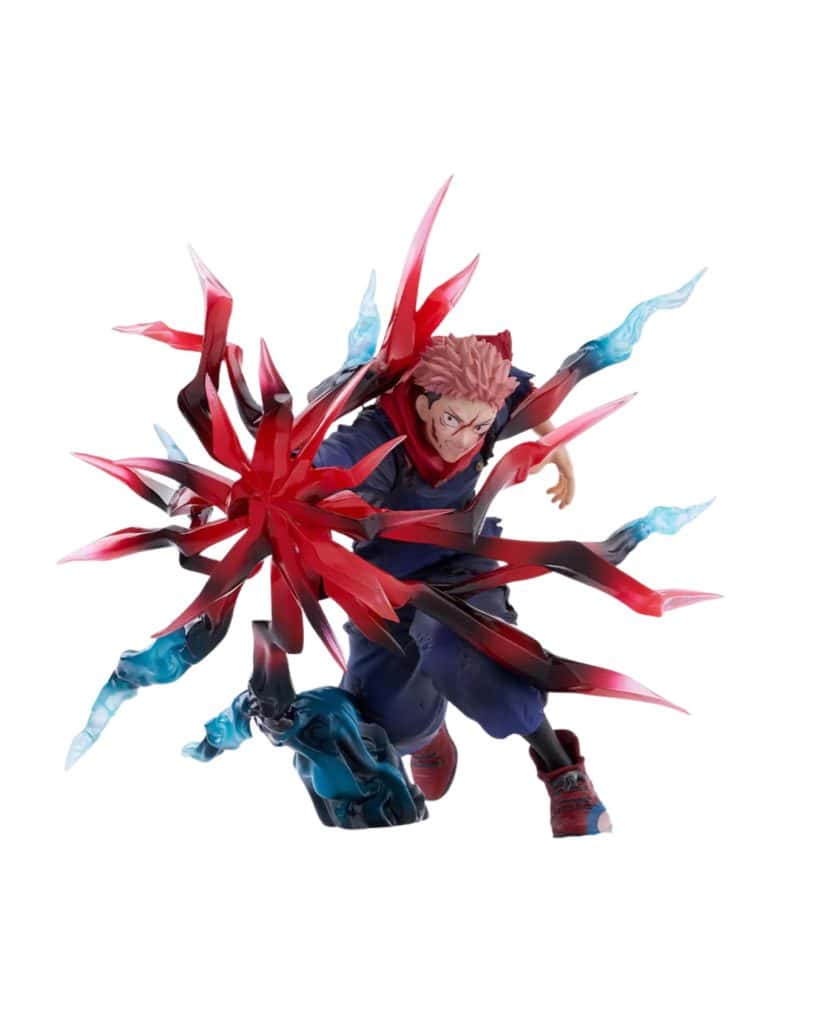
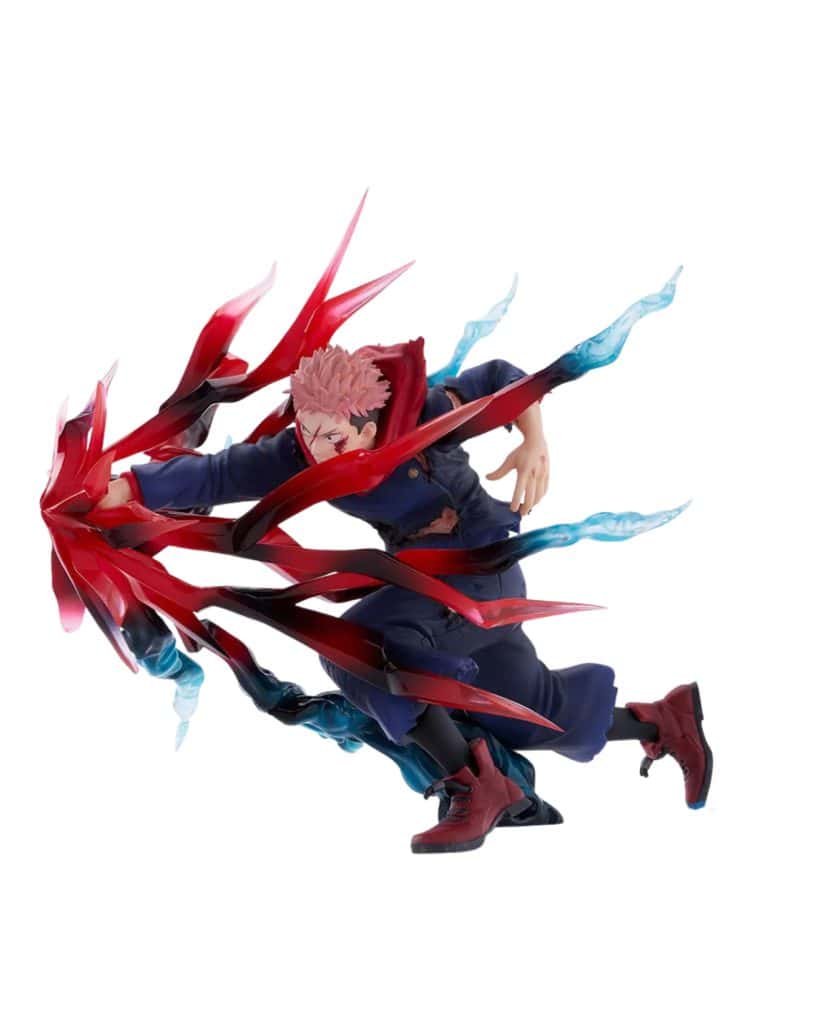
Yuji Itadori Luminasta Figure – Jujutsu Kaisen | SEGA
Yuji Itadori unleashes everything in this explosive Luminasta release by SEGA. This is not a calm display piece. This is a figure built around raw cursed energy and pure combat intensity.
Size: 18 x 15,5 cm
Meanwhile, the Bangkok art toy fair at CentralWorld running in mid-2026 signals how Southeast Asia is emerging as a serious secondary market alongside Japan and the United States. Geographic demand diversification is historically bullish for any collectible category.
Explore the full collection
Figures, art toys & limited editions — shipped across Europe from France.
Collaboration Objects: Where Art Toys Meet Broader Collectible Culture
Card Games as Art Objects
The investment thesis for art toys has bled into adjacent categories. Collaboration card games, particularly those fusing recognizable IP with premium production, now carry the same collector logic as vinyl figures. Consider the UNO Tom and Jerry X Mattel edition available at Rare Inventory. Tom and Jerry carries decades of cultural weight, and Mattel’s production partnership with recognizable licenses has a proven track record of generating collector demand beyond the casual game audience.
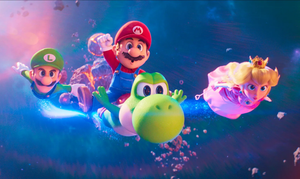
Similarly, the UNO Super Mario Card Game X Mattel taps directly into the Nintendo IP ecosystem. Super Mario collectibles maintain exceptionally durable secondary market pricing globally, particularly in Japan where Nintendo fandom borders on institutional. These are not just games. They are sealed cultural artifacts.


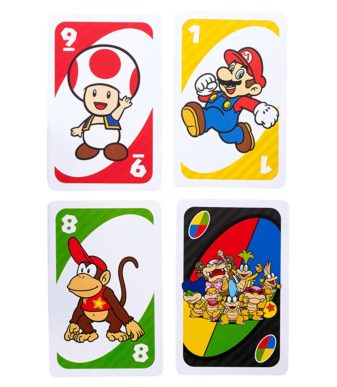

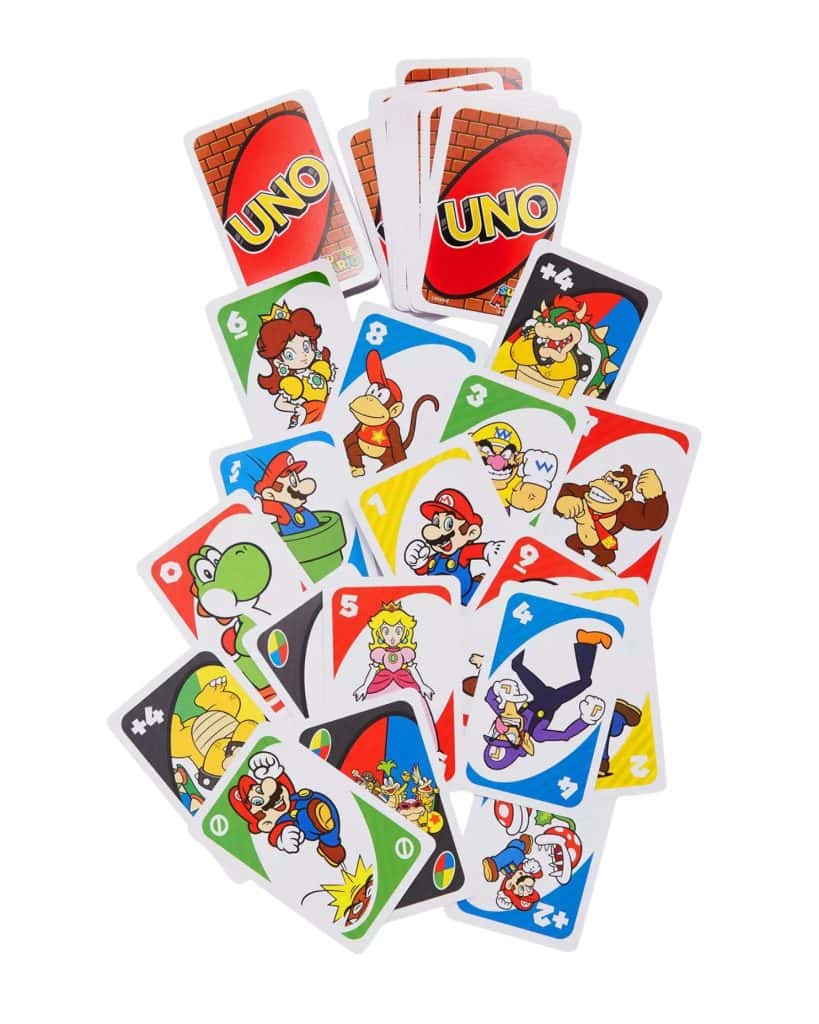

UNO Super Mario Card Game | Mattel
Official Super Mario x UNO collaboration by Mattel featuring Mario, Luigi, Toad and the whole Mushroom Kingdom crew. This is the classic UNO experience with a game-changing twist: the special Mario Super Star Card makes your character invincible, letting you bounce “Draw 4” or “Draw 2” cards straight back to your opponent. Two customizable wild cards add even more chaos and strategy to every round.
For the premium-focused collector, the UNO Gold Edition represents the kind of production upgrade that signals collectible intent from the manufacturer. Premium materials, elevated presentation, and clear scarcity positioning are the same signals that make art toys investment-grade.


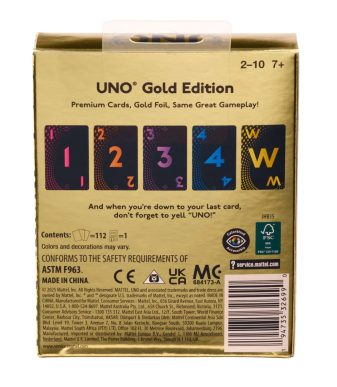


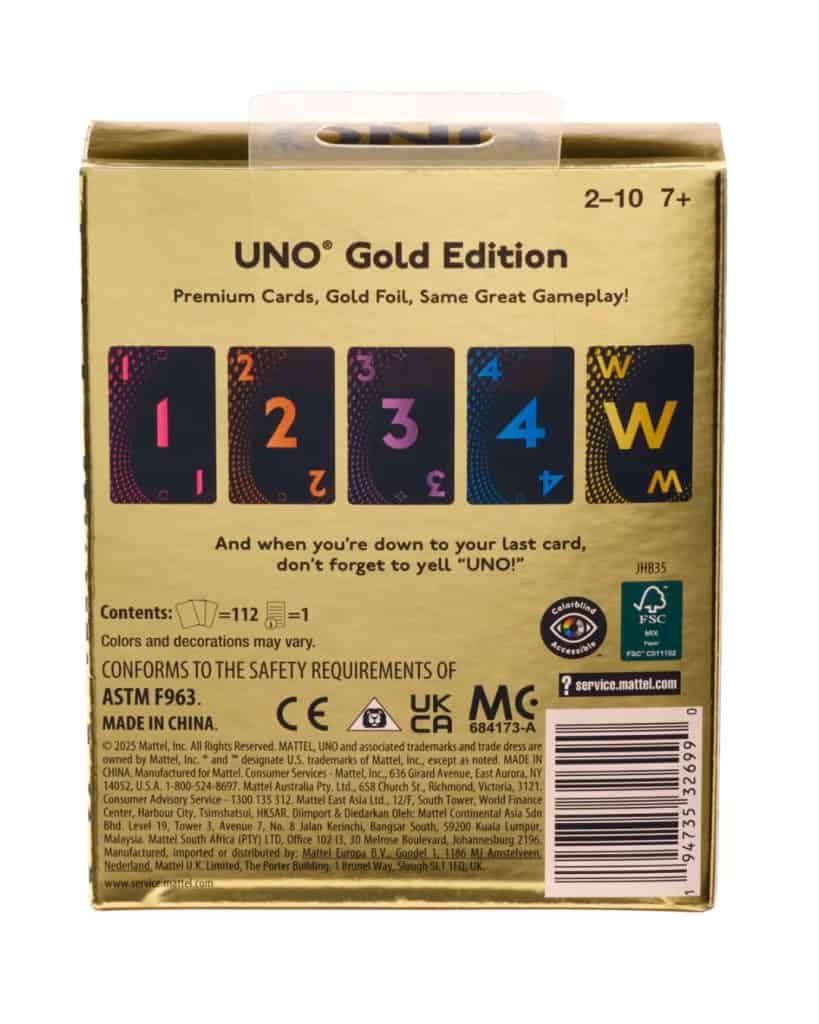
UNO Gold Edition Card Game | Mattel
The UNO Card Game Gold Edition is a premium collectible version of the classic UNO card game, featuring an exclusive gold-themed design that elevates the traditional gameplay experience. Designed for both players and collectors, this limited edition stands out with its metallic aesthetic and refined finish.
Wearables as the Bridge Between Streetwear and Collecting
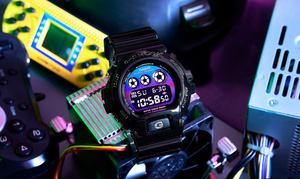
The smartest collectors understand that wearables can anchor a collection thematically while generating appreciation independently. The Casio X UNO Collaboration A168WEUC-1AJR is a precise example of this dynamic. Casio‘s collaboration watch program has produced some of the most consistently appreciating pieces in the accessible watch market. Pairing that infrastructure with UNO’s pop culture recognition creates a wearable that speaks directly to the streetwear-to-gallery collector who wants objects with layered meaning.


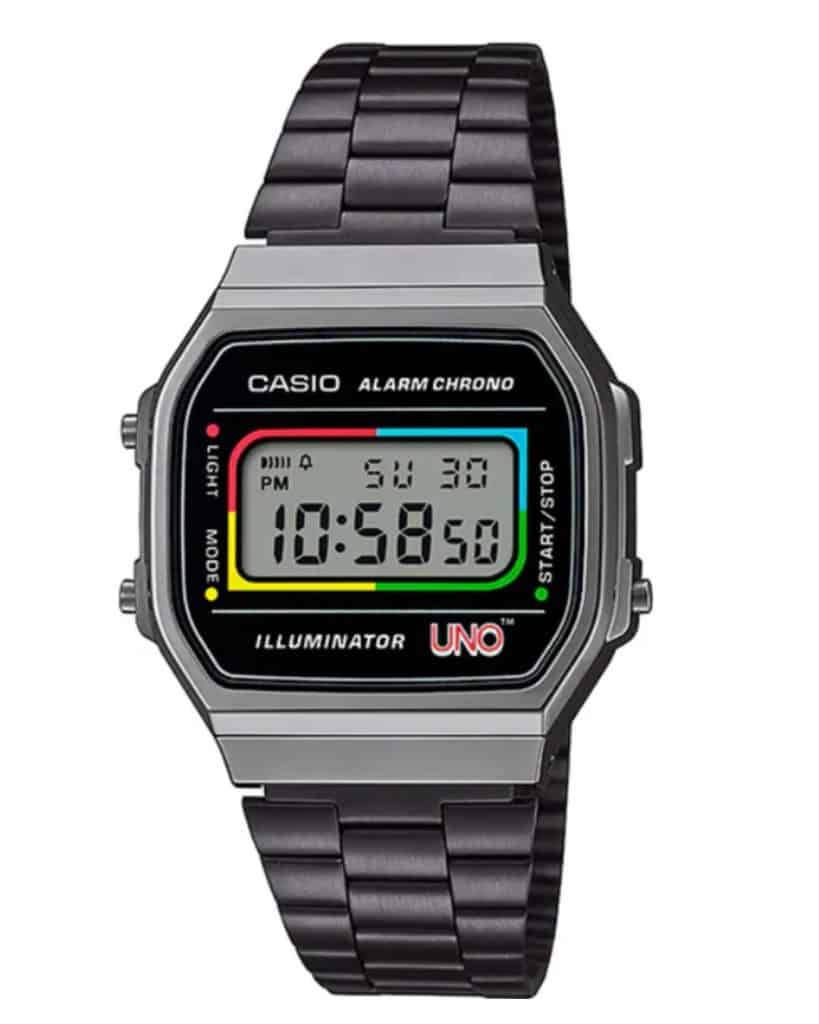
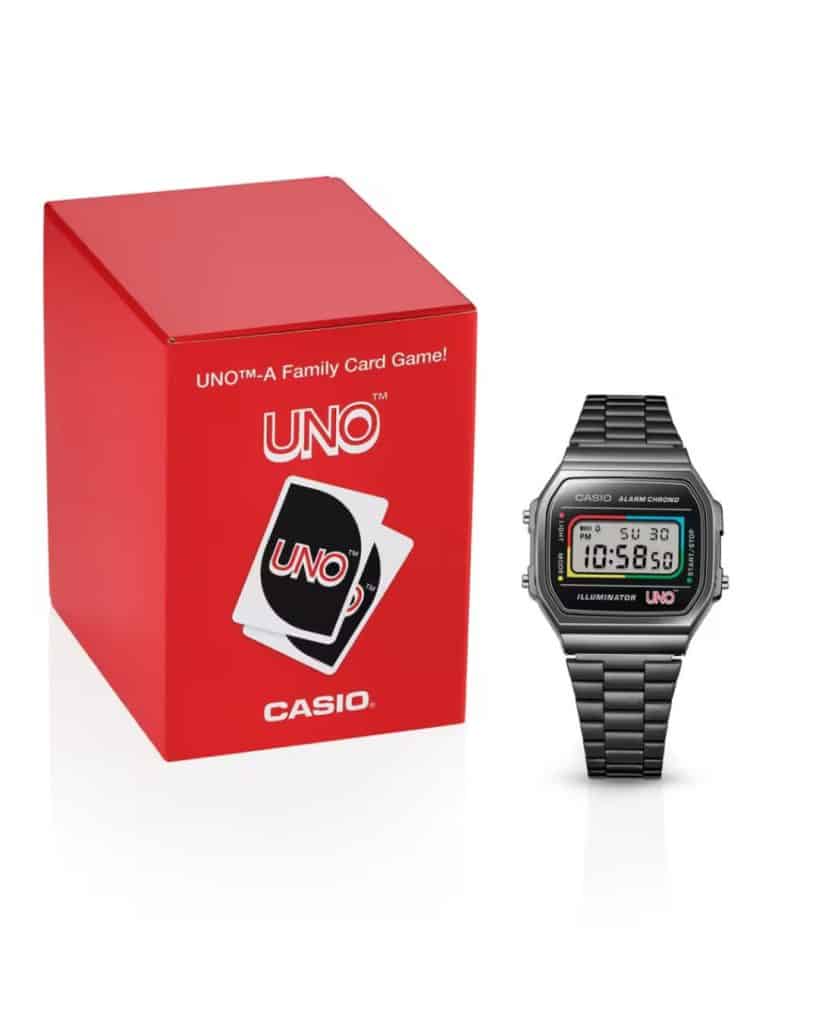
Casio x UNO A168WEUC-1AJR Collab Watch
The CASIO A168WEUC-1AJR “UNO” Collaboration brings the energy of the iconic card game into a classic digital watch. Built on the timeless A168 silhouette, this edition features a sleek black base with bold accents inspired by UNO’s signature colors, red, blue, yellow, and green.
Additionally, collaboration watches from Casio’s A168 family have demonstrated real secondary market resilience. The Japanese domestic release designation on this model signals intentional scarcity positioning, which is exactly the market signal serious collectors should track.
Skate decks sit in the same lane. The HUF x Steven Harrington deck shows how a streetwear brand plus a named artist can produce a wall-ready collectible with documented demand.
Art Toy Market Comparison: What You Are Actually Buying
| Object Type | Typical Edition Size | Primary Value Driver | Resale Liquidity | Condition Sensitivity |
|---|---|---|---|---|
| BE@RBRICK 1000% | 500 to 2000 units | Artist collaboration | High | Very High |
| Resin Art Figure | 50 to 300 units | Artist provenance | Medium | Extreme |
| Collaboration Card Game | Mass but IP-limited | IP strength plus sealed condition | Medium-High | High (sealed premium) |
| Collaboration Watch | Regional limited | Brand pedigree plus scarcity | High | High |
| Prize Figure (Japanese market) | Variable | Character IP plus regional demand | Medium | Medium-High |
| Artist Tier | Example | Gallery Crossover | 10-Year Price Trajectory |
|---|---|---|---|
| Blue Chip | KAWS, Murakami | Major institutions | Strong upward |
| Established | Medicom collaborators | Regional galleries | Moderate upward |
| Emerging | Shenzhen and Bangkok fair artists | Art fair circuit | Speculative |
Rare Inventory Collector Picks
For collectors building a cross-category collection that bridges art toy culture with wearables and collaboration objects, three pieces deserve immediate attention: the Casio X UNO A168WEUC-1AJR for its wearable investment logic, the UNO Gold Edition for premium production credentials, and the UNO Super Mario X Mattel for Nintendo IP durability. All three are available now at Rare Inventory with shipping across Europe from France.
Explore the full collection
Figures, art toys & limited editions — shipped across Europe from France.
The NFT Parallel and Why Physical Still Wins
The NFT market generated enormous hype between 2021 and 2023. Fortune Business Insights projects continued NFT market growth through 2034, and digital collecting has genuine staying power in certain niches. However, the physical art toy market has proven something digital assets cannot easily replicate: tactile scarcity. A physical figure occupies real space. It ages in specific, documentable ways. Its condition is verifiable by hand, not just by blockchain record.
For serious collectors, physical art toys represent a more mature, more verifiable investment class than most NFT categories. That said, the smartest operators in this space are watching for hybrid physical-digital releases, where a sculpture comes with authenticated digital provenance. That fusion, when executed properly, could represent the next genuine premium tier in the market.
Where to Buy
Rare Inventory is a France-based premium collectibles destination that ships across Europe, offering authenticated collaboration objects, art toys, and limited-edition pieces across categories. For collectors across Europe, tracked shipping makes Rare Inventory a serious option for sourcing pieces that would otherwise require navigating regional secondary markets. Visit rareinventory.com to browse current inventory across all collectible categories.

Frequently asked questions
What separates an investment-grade art toy from a regular collectible figure?
Investment-grade art toys carry three key characteristics: artist provenance with documented gallery or auction history, verified limited production numbers, and sealed or near-mint condition with original packaging. Pieces that check all three boxes consistently outperform on the secondary market. Additionally, cross-cultural collaborations between recognizedartists and established production houses carry a structural premium over single-brand releases.
How does the Japanese art toy market affect global prices?
Japan functions as the price-discovery benchmark for the global art toy market. When a piece trades at sustained premiums in Japan, that pricing typically sets the ceiling for international secondary market expectations. Japanese collectors are also extremely condition-sensitive, which means their market standards for grading and packaging integrity influence what serious collectors globally will accept as investment-grade.
Are collaboration card games and watches part of the art toy investment conversation?
Absolutely, and collectors who ignore adjacent categories leave significant upside on the table. Collaboration card games with strong IP backing, particularly sealed examples from limited licensing deals, follow the same scarcity logic as vinyl figures. Collaboration watches from brands like Casio with documented regional scarcity carry real secondary market premiums. The investment thesis is identical: limited production, strong cultural provenance, and condition-dependent pricing.
Is the art toy market too speculative for serious collectors?
The blue-chip tier of the art toy market, meaning pieces by artists with consistent auction records and major gallery representation, is no more speculative than mid-tier contemporary painting. However, the emerging artist tier is genuinely speculative and should represent a smaller allocation in any serious collection. First, establish a core position in documented artists with proven secondary market pricing. Then allocate a smaller portion to emerging names from active art toy fair circuits like Bangkok and Shenzhen.
The Shop
Available Now at Rare Inventory
Pieces related to this article, in stock and ready to ship.


100% Authentic Shipped from France Free Shipping Over €200